Река Порсук
Вы можете скользить по сердцу Эскишехира на гондоле, но прошлое реки далеко не безмятежно.
Полная история открывается в туре
 BSRF / CC BY-SA 4.0, via Wikimedia Commons
Самостоятельная аудиопрогулка по Эскишехир — GPS-маршрут, офлайн-воспроизведение, увлекательное повествование на 32 языках.
“Эскишехир: Где фригийские отголоски встречаются с современными течениями.”
Не открытки. Истории, которые не знают даже местные жители — шепотом в вашем ухе, прямо там, где они произошли.
Вы можете скользить по сердцу Эскишехира на гондоле, но прошлое реки далеко не безмятежно.
Поразительная деревянная архитектура OMM выделяется в историческом районе, но его дизайн имеет более глубокий, местный смысл.
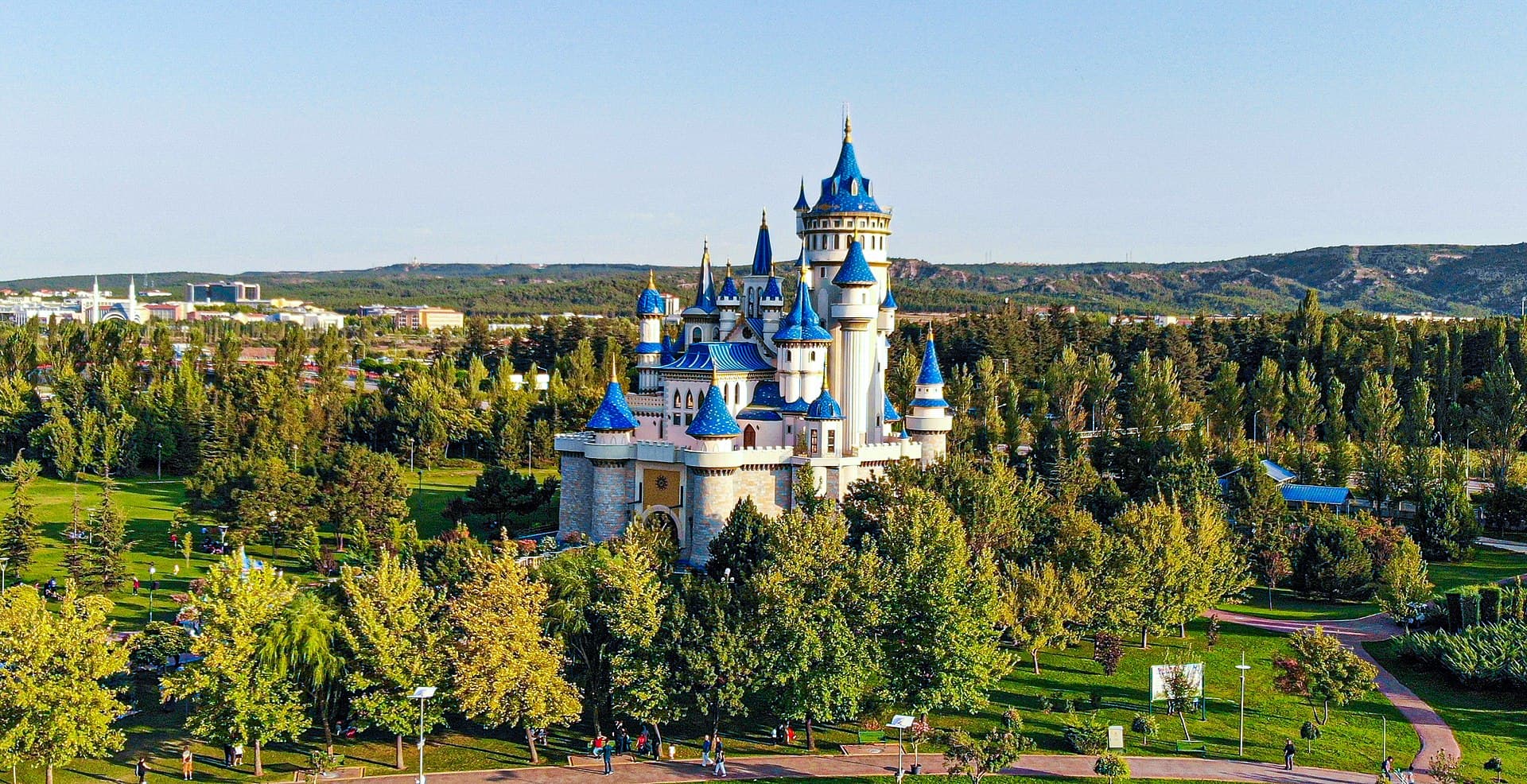
Этот причудливый замок выглядит как из сказки, но его башни не чисто фантастические.
Откройте для себя каждый секрет Эскишехир
Каждый адрес, каждое полное раскрытие — в вашем ухе, прямо там, где это произошло.
Вы выбираете остановки. Вы гуляете. Голос раскрывает то, что упускают другие.


Ваш самостоятельный аудиотур по Эскишехир готов — выберите свои достопримечательности, выберите свой язык и начните в момент прибытия.
КупитьВ Lume встроен гид дополненной реальности. Поднимите телефон: камера показывает улицу перед вами, а поверх реального изображения светится стрелка, всегда указывающая на вашу следующую остановку — не нужно разбираться с картой и сворачивать не туда. Как и всё в Lume, это работает полностью офлайн.
Эскишехир, город на северо-западе Турции, предлагает убедительное сочетание древней истории и молодежной энергии. Его название, означающее «Старый город» по-турецки, намекает на его глубокие корни: поселения датируются как минимум 1000 годом до нашей эры. Сегодня он известен как оживленный университетский город, в котором расположены три крупных университета и значительное студенческое население, формирующее его динамичную социальную и культурную атмосферу.
Город пересекает река Порсук, которая благодаря отремонтированным набережным и катанию на гондолах заслужила сравнение Эскишехира с европейскими городами, такими как Венеция или Амстердам. Помимо живописной набережной, Эскишехир предлагает множество достопримечательностей: от исторических османских домов Одунпазары до современных художественных музеев и обширных парков.
История Эскишехира насчитывает тысячелетия, археологические данные свидетельствуют о поселениях уже в 3000 году до нашей эры. Фригийцы основали город около 1000 года до нашей эры, назвав его Дорилеум, и оставили значительный след в регионе: артефакты и скульптуры выставлены в археологическом музее города. Древний фригийский религиозный центр Язылыкая, также известный как Город Мидаса, с его памятниками и гробницами, является свидетельством этой ранней цивилизации.
На протяжении веков Эскишехир оставался важным торговым центром, переходя из рук лидийцев, римлян и византийцев. В XI веке город был завоеван Сельджукской империей, что ознаменовало начало турецкого господства в регионе. Битва при Дорилее, важное сражение Первого крестового похода, произошла недалеко от города в 1097 году, где крестоносцы разгромили сельджукского султана Килидж-Арслана I. Эскишехир также имеет значение в османской истории: замок Карачахисар был первым завоеванием османов.
В османскую эпоху Эскишехир оставался городом среднего размера в Анатолии. Его рост ускорился после русско-турецкой войны 1877-78 годов и открытия Анатолийской железной дороги, что привело к значительной миграции в этот район. Город сыграл решающую роль в Войне за независимость Турции (1919–1923 гг.), и большая часть современного Эскишехира была перестроена после нее. Культурный ландшафт города также был сформирован притоком этнических турок из балканских стран и значительной популяцией крымских татар, что способствовало его разнообразному наследию.
Помимо исторического значения, Эскишехир имеет заметное наследие инноваций. В 1961 году на заводе TÜLOMSAŞ в Эскишехире был произведен Devrim, первый турецкий автомобиль, и Karakurt, первый турецкий паровоз. В городе также находилась первая в Турции авиационная промышленность — Центр технического обслуживания авиационного снабжения. Сегодня Эскишехир продолжает эту традицию как выдающийся университетский город с высоким уровнем грамотности и акцентом на техническое образование.
Исторический район Одунпазары предлагает хорошо сохранившиеся деревянные дома османской эпохи, извилистые улочки и многочисленные музеи. Здесь вы можете посетить ремесленный базар Атлыхан, известный изделиями из пенки и другими местными ремеслами. Музей современного искусства Одунпазары (OMM) представляет собой яркий контраст с его выставками современного искусства и уникальной деревянной архитектурой.
Неспешная прогулка или катание на гондоле вдоль реки Порсук — это квинтэссенция опыта Эскишехира, который часто сравнивают с венецианским каналом. Набережные усеяны кафе и ресторанами, создающими оживленную атмосферу. Для семей или тех, кто ищет зеленые зоны, парк Сазова — это обширная территория с Замком сказок, пиратским кораблем, научным центром и зоопарком. Среди других достопримечательностей — Археологический музей Эскишехира Эти, где выставлены артефакты различных исторических периодов, и Музей восковых фигур Йылмаза Бюйюкершена.
В Эскишехире континентальный климат с холодной снежной зимой и теплым сухим летом. Наиболее приятное время для посещения — весна (апрель, май) и осень (сентябрь, октябрь). В эти месяцы температура умеренная, обычно колеблется от 7°C до 20°C (44°F до 67°F) в октябре, что делает его комфортным для пеших прогулок по городу. Хотя июль и август являются самыми жаркими месяцами со средней дневной температурой около 29-31°C (84-87°F), в них также выпадает наименьшее количество осадков, что делает их подходящими для активного отдыха, особенно вдоль реки Порсук.
Эскишехир хорошо связан сетью высокоскоростных железных дорог Турции, с частыми поездами из Стамбула, Анкары, Коньи и Карамана. Путешествие из Стамбула занимает около 3 часов, а из Анкары — около 90 минут. Автобусный и железнодорожный вокзалы города расположены в центре, что обеспечивает легкий доступ к различным частям города пешком или на общественном транспорте. Трамваи являются популярным и эффективным способом передвижения, дополняя автобусные и маршрутные такси. Варианты размещения доступны в центре города, включая отели с видом на реку Порсук. Эскишехир считается очень безопасным городом, известным своей мирной атмосферой, что делает его привлекательным местом для путешественников.
Эскишехир: корейский, китайский, иврит и ещё 29 языков — каждую остановку озвучивает носитель языка. Самый широкий выбор языков среди аудиоэкскурсий без гида.
Доступные языки: