Igreja de San Juan
A estátua da Virgem Maria na Igreja de San Juan hoje não é a original.
História completa desbloqueada no tour
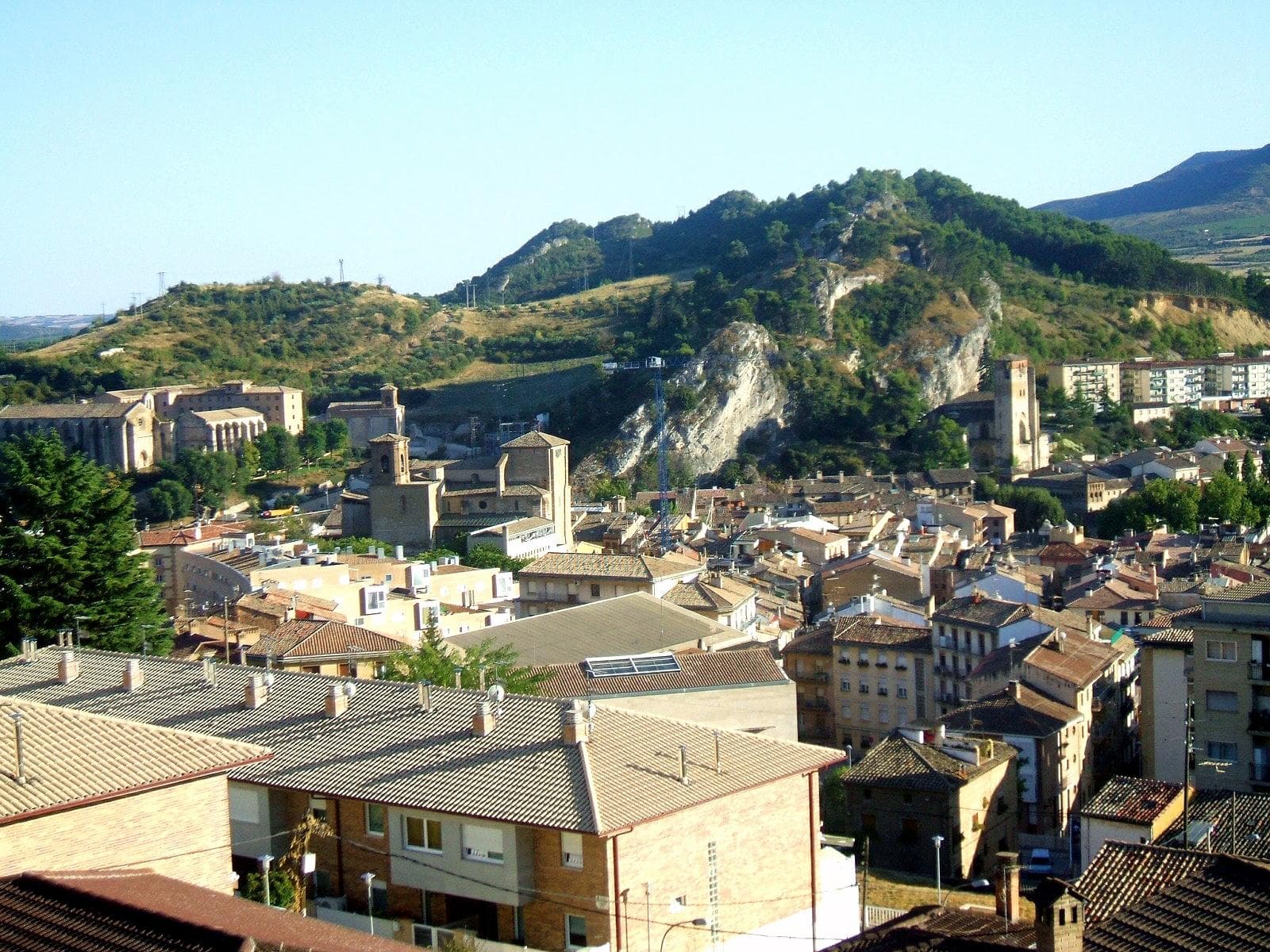 Zarateman / CC0, via Wikimedia Commons
Tour de áudio autoguiado por Estella-Lizarra — rota GPS a pé, reprodução offline, narração envolvente em 32 idiomas.
“Onde pedras antigas narram jornadas de peregrinos.”
Não os postais. As histórias que nem os locais conhecem — sussurradas ao seu ouvido, exatamente onde aconteceram.
A estátua da Virgem Maria na Igreja de San Juan hoje não é a original.
Esta ponte medieval que atravessa o rio Ega tem um nome enganador.
Dentro do claustro deste palácio românico, um único capitel narra uma história raramente representada em tal arte.
Descubra cada segredo de Estella-Lizarra
Cada endereço, cada revelação na íntegra — no seu ouvido, exatamente onde aconteceu.
Você escolhe as suas paragens. Você caminha. A voz revela o que os outros perdem.

O seu tour áudio autoguiado de Estella-Lizarra está pronto — escolha os seus pontos de interesse, selecione o seu idioma e comece no momento em que chegar.
ComprarA Lume inclui um guia de realidade aumentada. Levante o telemóvel: a câmara mostra a rua à sua frente, com uma seta luminosa sobreposta à imagem real que aponta sempre para a sua próxima paragem — sem mapa para decifrar, sem voltas erradas. Como tudo na Lume, funciona totalmente offline.
Estella-Lizarra, por vezes chamada de 'Estella a bela' ou 'o Toledo do Norte', é uma cidade em Navarra, Espanha, que combina graciosamente o seu longo passado com os seus ritmos contemporâneos. Situado ao longo do rio Ega, este centro urbano funciona como uma pausa significativa no Caminho de Santiago, um Patrimônio Mundial da UNESCO. O seu caráter foi profundamente moldado ao longo dos séculos pela chegada de peregrinos, francos e comunidades judaicas.
Um passeio pelo seu coração histórico revela uma rica variedade de arquitetura românica e gótica, desde grandes palácios e casas com brasões a igrejas antigas e pontes charmosas. O nome basco da cidade, Lizarra, que significa 'terra de freixos', alude ao esplendor natural que a rodeia, oferecendo um cenário pitoresco para as suas ruelas medievais. Estella-Lizarra convida os visitantes a viajar no tempo, explorar as suas maravilhas arquitetônicas e vivenciar a atmosfera animada onde a história e a vida quotidiana se entrelaçam.
As origens de Estella-Lizarra remontam a assentamentos romanos e bascos. No entanto, o seu verdadeiro estabelecimento como cidade para peregrinos é creditado ao Rei navarro Sancho Ramírez em 1090. Ele emitiu uma carta para o assentamento fortificado de Lizarra, incentivando os peregrinos europeus a caminho de Santiago de Compostela a fazerem lá as suas casas. Esta localização privilegiada no Caminho de Santiago, juntamente com o seu estatuto de corte real, impulsionou um considerável florescimento económico ao longo da Idade Média.
Estella-Lizarra tornou-se rapidamente um ponto de encontro de culturas, atraindo francos (principalmente occitanos da Auvergne e Limousin), judeus e os habitantes navarros originais. O bairro judeu da cidade, conhecido como Elgacena, teve particular importância, classificando-se como o terceiro mais significativo em Navarra, depois dos de Tudela e Pamplona. Esta população diversificada contribuiu para a era de ouro da cidade, deixando uma marca duradoura na sua arquitetura e caráter. Lamentavelmente, a comunidade judaica foi expulsa em 1498.
No século XIX, Estella-Lizarra desempenhou um papel central nas Guerras Carlistas, servindo como base principal para a facção carlista. Foi aqui que Tomás de Zumalacárregui foi nomeado Comandante-em-Chefe em 1833, e a cidade tornou-se a capital de facto da Espanha Carlista até à sua captura pelas forças liberais em 1876. A Ponte da Cárcel original, uma ponte medieval, foi desmontada durante estes conflitos em 1873 e posteriormente reconstruída.
Apesar das transformações urbanas trazidas pelo crescimento e pela sociedade contemporânea, Estella-Lizarra manteve a sua distinta presença medieval. Hoje, continua a ser uma paragem crucial para peregrinos e um testemunho do seu passado em camadas, com edifícios românicos e góticos bem preservados que refletem a sua grandeza histórica.
Estella-Lizarra é um tesouro de arquitetura histórica, com os seus caminhos medievais que levam a importantes estruturas românicas e góticas. O Palácio dos Reis de Navarra, também conhecido como Palácio dos Duques de Granada de Ega, destaca-se como um raro exemplo de arquitetura civil românica em Navarra. Construído no século XII, a sua fachada equilibrada e o notável claustro, que agora abriga o Museu Gustavo de Maeztu, são pontos de interesse chave.
A Igreja de San Pedro de la Rúa é a igreja paroquial mais antiga de Estella-Lizarra, apresentando uma grande escadaria, um pórtico do século XIII com influências árabes e um claustro do século XII celebrado pelas suas esculturas românicas. Perto, a Igreja de San Miguel exibe uma mistura de estilos românico e gótico, com um impressionante portal norte retratando Cristo em Majestade e cenas do Juízo Final.
Outro local religioso notável é a Igreja do Santo Sepulcro, com o seu impressionante portal gótico do século XIV, adornado com esculturas que ilustram cenas da Paixão e Ressurreição de Cristo. A Puente de la Cárcel (Ponte da Prisão), uma ponte medieval sobre o rio Ega, oferece vistas panorâmicas do núcleo histórico. Não deixe de visitar a Plaza de los Fueros, a praça principal da cidade, onde acontece um mercado tradicional e se pode admirar a fachada neoclássica da Igreja de San Juan.
A época mais favorável para visitar Estella-Lizarra para atividades ao ar livre e clima agradável vai de final de junho a meados de setembro, com a última semana de julho a registar frequentemente as melhores condições. Durante este período, os verões são quentes, secos e geralmente claros, com temperaturas médias diárias máximas acima de 24°C. Para aqueles que desejam evitar multidões maiores, desfrutando de temperaturas mais amenas, a primavera (abril a junho) e o início do outono (setembro a outubro) também são boas opções, oferecendo uma experiência equilibrada com clima agradável e menos visitantes.
Estella-Lizarra é uma paragem vital no Caminho de Santiago e, como tal, oferece várias opções de alojamento, incluindo albergues para peregrinos. A cidade é facilmente explorada a pé, permitindo aos visitantes descobrir o seu núcleo histórico e monumentos a um ritmo tranquilo.
Para aqueles que chegam de carro, vale a pena notar que Estella-Lizarra fica a menos de uma hora de carro de Pamplona. A culinária local inclui doces tradicionais como Conchas del Camino, Alpargatas (uma massa folhada), Rocas del Puy e Sanchicos. A cidade também sedia um mercado tradicional todas as quintas-feiras na Plaza de los Fueros.
Para explorações guiadas, as opções incluem um tour 'Essencial de Estella' focado no Burgo de San Miguel e no interior da Igreja de San Miguel, ou um tour que abrange o escritório dos curtidores, o bairro judeu, o Caminho de Santiago e a Igreja de San Pedro.
Estella-Lizarra — coreano, chinês, hebraico e mais 29 idiomas, cada parada narrada por uma voz nativa. A maior variedade de idiomas entre os passeios de áudio autoguiados.
Disponível em: