Отель «Стэнли»
Помимо своего величественного фасада и видов на горы, этот культовый отель вдохновил леденящую душу историю.
Полная история открывается в туре
 Frank Schulenburg / CC BY-SA 4.0, via Wikimedia Commons
Самостоятельная аудиопрогулка по Эстес-Парк — GPS-маршрут, офлайн-воспроизведение, увлекательное повествование на 32 языках.
“Где Скалистые горы встречаются с небом, и история дышит сквозь сосны.”
Не открытки. Истории, которые не знают даже местные жители — шепотом в вашем ухе, прямо там, где они произошли.
Помимо своего величественного фасада и видов на горы, этот культовый отель вдохновил леденящую душу историю.
Этот исторический отель хранит уникальную коллекцию, не произведений искусства или антиквариата, а чего-то гораздо более личного.
Прежде чем стать живописной долиной в Национальном парке Скалистых гор, эта местность была местом тревожных встреч шахтера.
Откройте для себя каждый секрет Эстес-Парк
Каждый адрес, каждое полное раскрытие — в вашем ухе, прямо там, где это произошло.
Вы выбираете остановки. Вы гуляете. Голос раскрывает то, что упускают другие.
Ваш самостоятельный аудиотур по Эстес-Парк готов — выберите свои достопримечательности, выберите свой язык и начните в момент прибытия.
КупитьВ Lume встроен гид дополненной реальности. Поднимите телефон: камера показывает улицу перед вами, а поверх реального изображения светится стрелка, всегда указывающая на вашу следующую остановку — не нужно разбираться с картой и сворачивать не туда. Как и всё в Lume, это работает полностью офлайн.
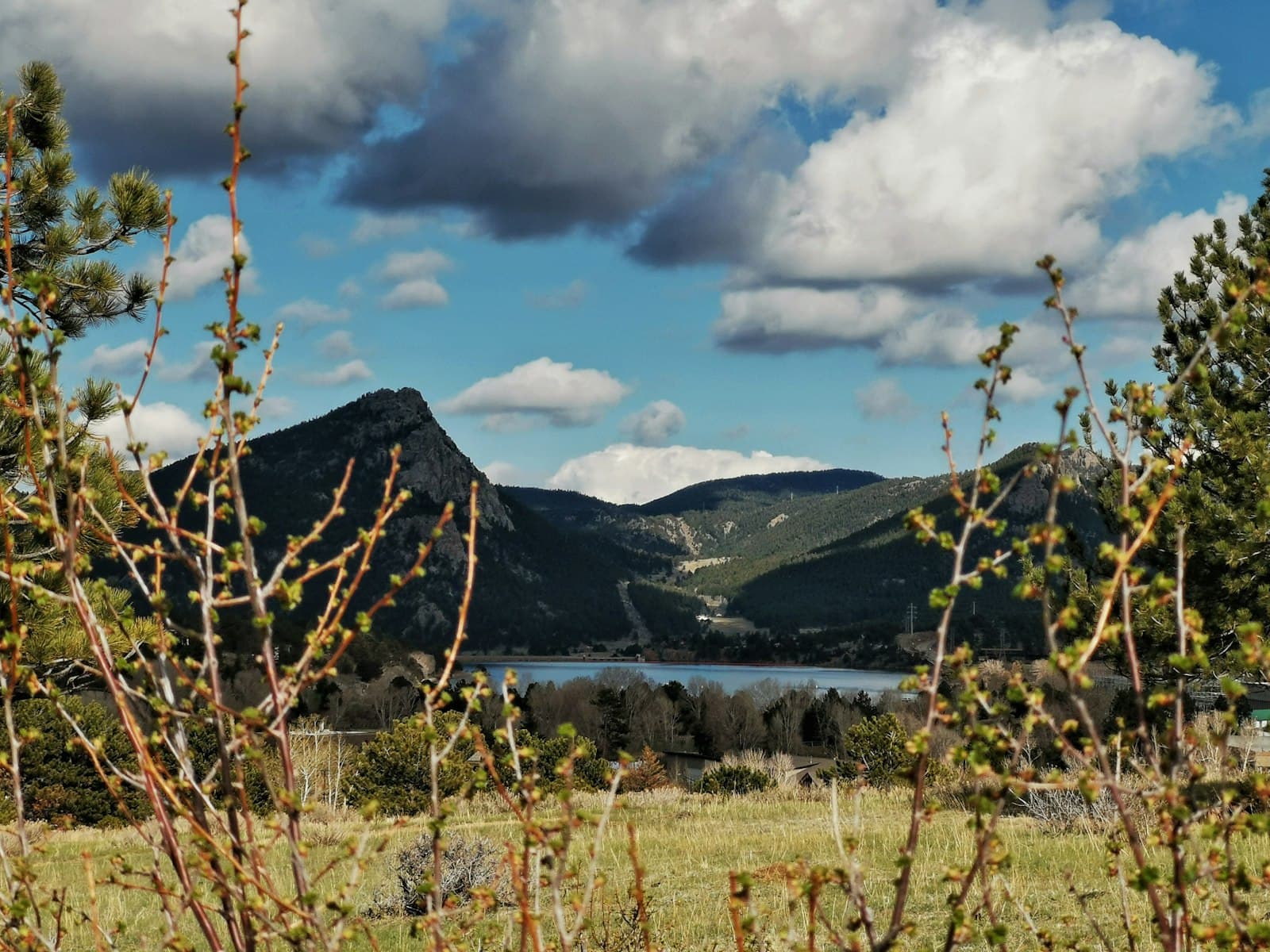
Эстес-Парк, законодательный город в юго-западном округе Лэример, штат Колорадо, расположен на высоте 7 743 футов на хребте Скалистых гор. Он служит восточным входом и штаб-квартирой Национального парка Скалистых гор, что делает его популярным местом для любителей горных приключений. Город выходит на озеро Эстес и плотину Олимпус, а его северная, южная и восточная границы примыкают к Национальному лесу Рузвельта.
Эта горная деревня предлагает сочетание современных удобств и горского гостеприимства, привлекая миллионы посетителей ежегодно. Независимо от того, интересуетесь ли вы активным отдыхом, осмотром исторических мест или просто наслаждением горными пейзажами, Эстес-Парк предоставляет базу для знакомства со Скалистыми горами Колорадо.
## Ранние обитатели и название Археологические данные свидетельствуют о том, что люди населяли район Эстес-Парка по крайней мере 12 000 лет, с останками культуры Кловис, найденными в Национальном парке Скалистых гор. Около 10 000 лет назад племена ютов и арапахо проводили лето в районе Эстес-Парка, используя тропы через Континентальный водораздел, которые видны и сегодня.
Город носит имя Джоэла Эстеса, искателя приключений, уроженца Кентукки, который «открыл» долину Эстес в 1859 году после того, как разбогател во время Калифорнийской золотой лихорадки. Он перевез свою семью в долину в 1860 году, прожив там до 1866 года. В 1864 году Уильям Байерс, редактор газеты Rocky Mountain News, посетил и назвал этот район «Эстес-Парк» в честь своего хозяина.
## Расцвет туризма и известные личности Осознав туристический потенциал района, Грифф Эванс, который унаследовал ранчо Эстеса в 1867 году, начал строить коттеджи для путешественников, основав первый в регионе «ранчо для туристов». Один из его гостей, 4-й граф Данрейвен и Маунт-Эрл, ирландский пэр, был настолько очарован этим районом, что попытался приобрести всю долину для частного курорта и охотничьего заповедника, накопив более 6000 акров, прежде чем сменить тактику. Он поручил Альберту Бирштадту написать картину района Эстес-Парк и Лонгс-Пик в 1876 году.
Другой значимой фигурой была Изабелла Бёрд, британская исследовательница и писательница, посетившая эти места в 1873 году. Ее мемуары, «Жизнь леди в Скалистых горах», популяризировали этот район как нетронутую дикую природу. Она исследовала Скалистые горы с гидом Джеймсом Наджентом, известным как «Скалистый горный Джим». Ранчо МакГрегор, основанное Алексом и Кларой МакГрегор в 1874 году, сохранилось как исторический памятник сегодня.
## Ф.О. Стэнли и Национальный парк В 1903 году Ф.О. Стэнли, изобретатель автомобиля Stanley Steamer, прибыл в Эстес-Парк в поисках выздоровления от туберкулеза. Он нашел горный воздух полезным и между 1907 и 1909 годами построил отель «Стэнли» как роскошный курорт. Этот отель позже получил известность как источник вдохновения для романа Стивена Кинга «Сияние».
Защитник природы Энос Миллс, которого часто называют «отцом Национального парка Скалистых гор», неустанно боролся за сохранение этого района. Его усилия увенчались успехом, и 26 января 1915 года президент Вудро Вильсон подписал закон о создании Национального парка Скалистых гор. Город Эстес-Парк был официально зарегистрирован 17 апреля 1917 года.
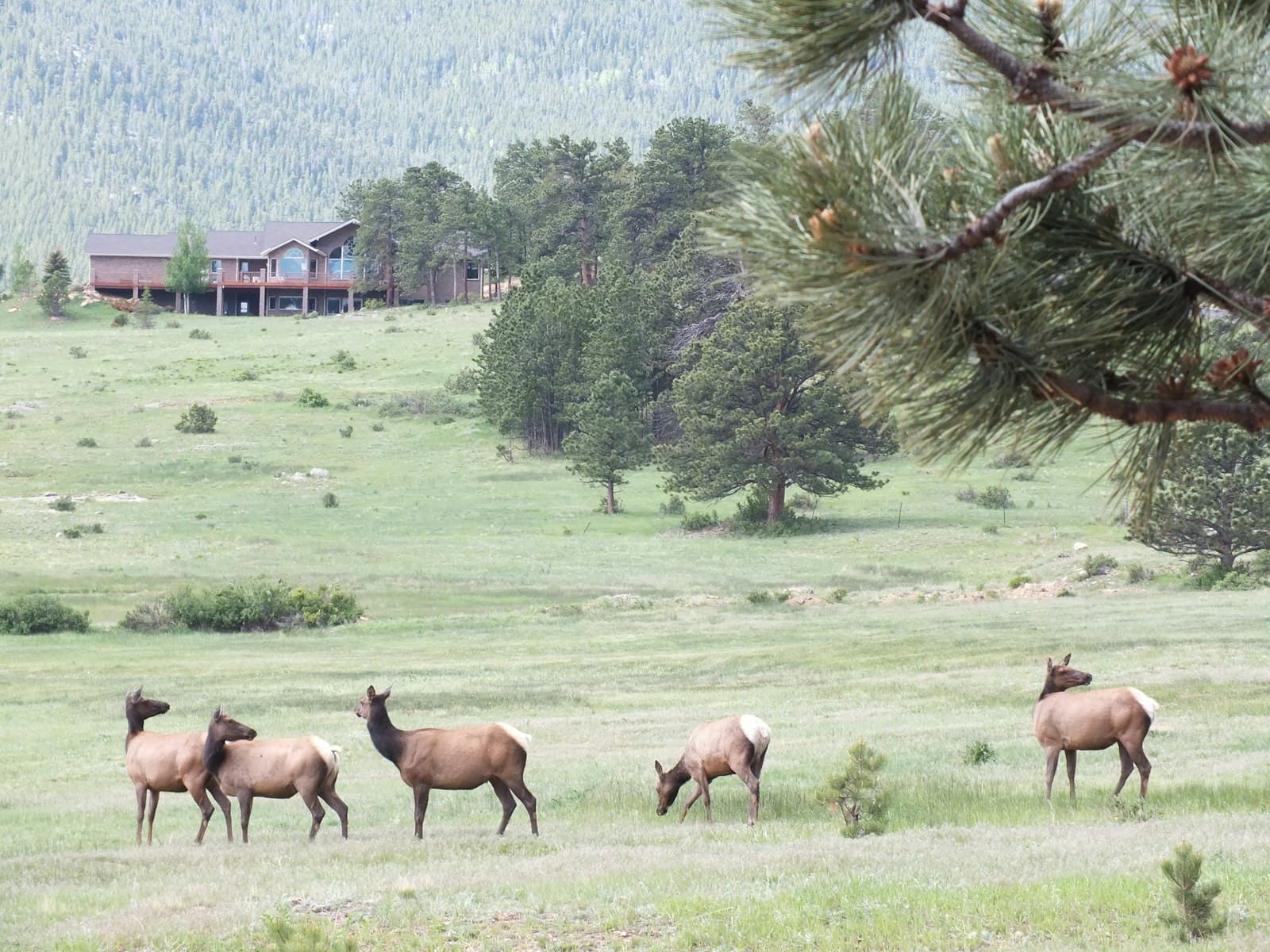
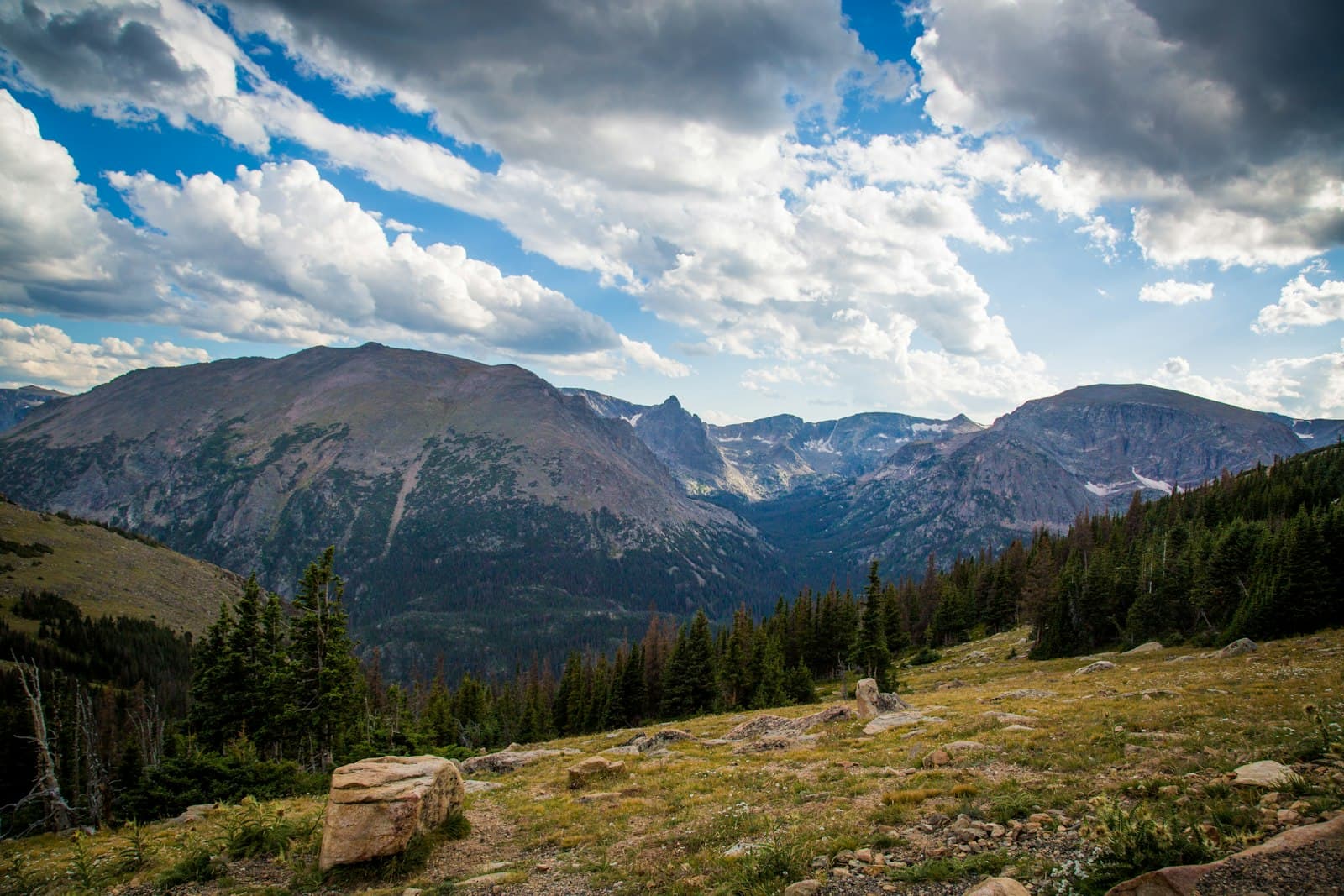
Эстес-Парк предлагает ряд достопримечательностей, начиная с его роли в качестве входа в Национальный парк Скалистых гор. Парк включает в себя Trail Ridge Road, живописную национальную дорогу и самую высокую непрерывную асфальтированную автомагистраль в Северной Америке, достигающую более 12 000 футов. Часто можно увидеть диких животных, особенно лосей.
В самом Эстес-Парке отель «Стэнли» является исторической достопримечательностью, известной своей архитектурой и как источник вдохновения для «Сияния». Канатная дорога Эстес-Парка открывает захватывающие виды по мере подъема над городом. Посетители также могут исследовать магазины, рестораны и набережные вдоль реки Биг-Томпсон в центре Эстес-Парка. Озеро Эстес предлагает возможности для катания на лодках и живописных поездок по его периметру.
Для тех, кто интересуется местной историей, музей ранчо МакГрегор сохраняет ранний образцовый дом. Музей Эстес-Парка предлагает информацию о прошлом этого района. Активный отдых включает пешие прогулки, катание на велосипеде, скалолазание, верховую езду и различные водные виды спорта.
Эстес-Парк — это круглогодичное направление, и каждый сезон предлагает свои уникальные впечатления. Лето (июнь-август) — самое популярное время, предлагающее полный доступ к тропам и мероприятиям при теплых температурах. Осень (сентябрь-октябрь) приносит золотую листву осин, более прохладные температуры и сезон спаривания лосей, когда самцы лосей трубят и соревнуются. Зима (ноябрь-март) предлагает более спокойную атмосферу, ранний снегопад и возможности для снегоступов, катания на лыжах и наблюдения за дикой природой. Весна (апрель-май) — хорошее время для меньшего количества туристов, мягких температур и полевых цветов на низких высотах, хотя на более высоких высотах все еще может быть снег.
Информационный центр для посетителей Эстес-Парка, расположенный по адресу 500 Big Thompson Avenue, является центральным узлом информации, предлагающим карты, брошюры, бесплатный Wi-Fi и общественные туалеты. Он также служит транспортным узлом для бесплатных сезонных маршрутных автобусов и городского трамвая, которые могут помочь ориентироваться по городу и добраться до Национального парка Скалистых гор.
Национальный парк Скалистых гор требует входной платы, которая может быть в виде платы за транспортное средство на 7 дней, однодневного пропуска или годового пропуска в парк. В пик сезона (с мая по октябрь) в парке действует система разрешений на вход по времени. Рекомендуется проверять официальный веб-сайт парка на предмет текущих правил и заранее бронировать места.
Варианты размещения в Эстес-Парке варьируются от коттеджей и отелей до курортов. В городе также есть разнообразные рестораны, магазины и услуги. Учитывая горную местность, разумно упаковать многослойную одежду и быть готовым к меняющимся погодным условиям, даже летом.
Эстес-Парк: корейский, китайский, иврит и ещё 29 языков — каждую остановку озвучивает носитель языка. Самый широкий выбор языков среди аудиоэкскурсий без гида.
Доступные языки: