Carson Mansion
La casa vittoriana più fotografata d'America nasconde una sorprendente verità sulla fortuna del suo proprietario originale.
La storia completa si sblocca nel tour
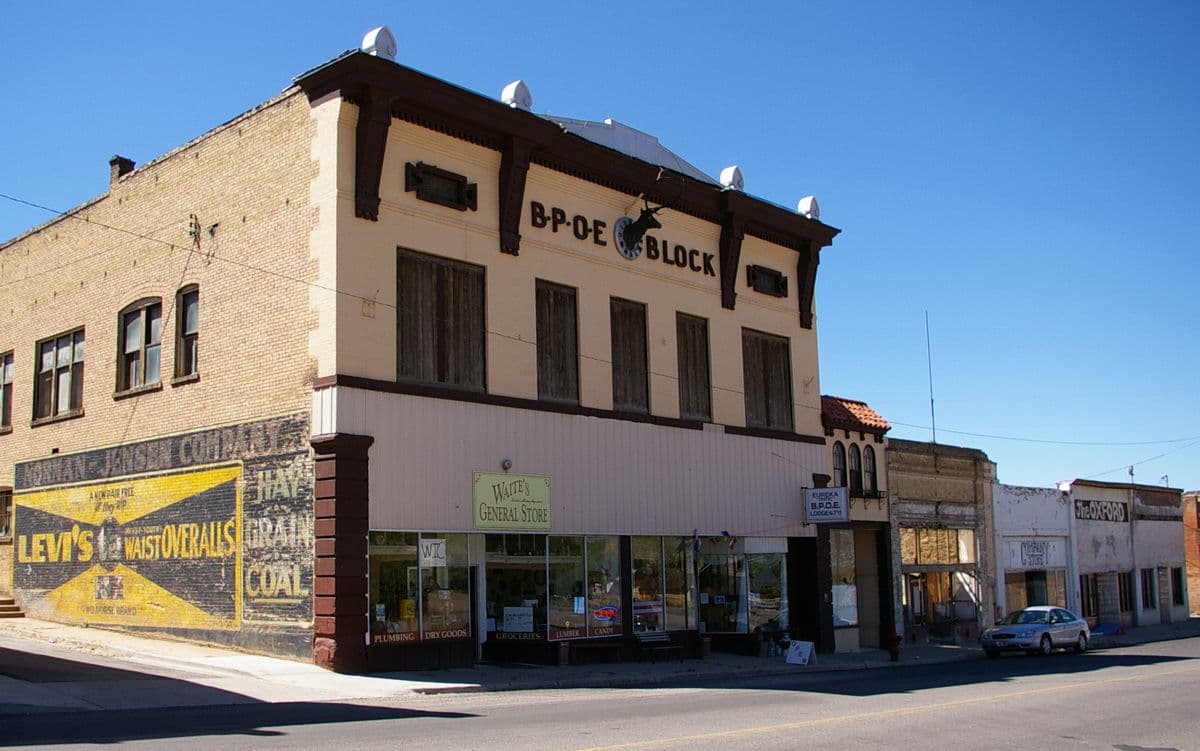 Unknown author / CC BY-SA 2.0, via Wikimedia Commons
Tour audio autoguidato di Eureka — percorso GPS a piedi, riproduzione offline, narrazione coinvolgente in 32 lingue.
“Dove giganti sequoie incontrano un sogno vittoriano sulla baia.”
Non le cartoline. Le storie che nemmeno i locali conoscono — sussurrate nel tuo orecchio, proprio dove sono accadute.
La casa vittoriana più fotografata d'America nasconde una sorprendente verità sulla fortuna del suo proprietario originale.
Sotto le affascinanti facciate di Old Town, un'insolita forma di 'rinnovamento urbano' ebbe luogo un tempo, guidata da una forza inaspettata.
Humboldt Bay, un estuario apparentemente tranquillo, fu un tempo teatro di una fuga audace che plasmò il futuro di un'importante famiglia californiana.
Scopri ogni segreto di Eureka
Ogni indirizzo, ogni rivelazione completa — nel tuo orecchio, proprio dove è accaduta.
Scegli le tue tappe. Cammini. La voce rivela ciò che gli altri perdono.

Il tuo tour audio autoguidato di Eureka è pronto — scegli i tuoi punti di interesse, seleziona la tua lingua e inizia nel momento in cui arrivi.
AcquistaLume include una guida in realtà aumentata. Alza il telefono: la fotocamera mostra la strada davanti a te, con una freccia luminosa sovrapposta all'immagine reale che punta sempre verso la tua prossima tappa — nessuna mappa da decifrare, nessuna svolta sbagliata. Come tutto in Lume, funziona completamente offline.
Eureka, California, è una città dove la grandezza della natura converge con l'arte ornata dell'ingegno umano. Situata sulla baia di Humboldt, è la più grande città costiera tra San Francisco e Portland, fungendo da cuore culturale ed economico della North Coast. L'identità della città è profondamente intrecciata con le sue foreste di sequoie, una meraviglia naturale che attirò i coloni e alimentò la sua economia iniziale. Questo legame con gli alberi colossali è palpabile, dalle dimore dei baroni del legname che punteggiano il paesaggio urbano alle antiche foreste circostanti che invitano alla quieta contemplazione.
Oltre agli alberi torreggianti, il carattere di Eureka è definito dalla sua architettura vittoriana impeccabilmente conservata. Il quartiere di Old Town, un sito storico nazionale designato, presenta un paesaggio urbano unico nel suo genere, dove edifici meticolosamente restaurati raccontano storie di un passato prospero. L'aria salmastra della baia si mescola al profumo delle sequoie, creando un'atmosfera al tempo stesso aspra e raffinata. È un luogo dove la storia marittima, l'espressione artistica e la coscienza ambientale convergono, offrendo un'esperienza distintiva che appare radicata nel passato e viva nel presente.
Prima dell'insediamento europeo, la regione della baia di Humboldt fu abitata dal popolo Wiyot per migliaia di anni, che prosperò grazie alle abbondanti risorse della baia e delle foreste circostanti. La loro gestione della terra plasmò l'ecosistema e le loro pratiche culturali furono profondamente intrecciate con l'ambiente naturale. La presenza dei Wiyot si avverte ancora oggi, con sforzi continui per preservare e rivitalizzare la loro lingua e le loro tradizioni.
L'esplorazione europea della baia di Humboldt iniziò all'inizio del XIX secolo, con coloni americani che arrivarono in massa durante la corsa all'oro californiana del 1849. Sebbene l'oro fosse l'attrazione iniziale, la vera ricchezza della regione divenne rapidamente evidente: le colossali foreste di sequoie. Eureka fu ufficialmente fondata nel 1850, il suo nome derivato dalla parola greca che significa 'l'ho trovato', un cenno alla scoperta della baia e al successivo boom economico.
La città si sviluppò rapidamente in un importante centro di disboscamento, con vaste quantità di legname di sequoia spedite dal suo porto per alimentare la costruzione in tutta la California e oltre. Quest'era di prosperità è espressa più visibilmente nell'architettura vittoriana di Eureka. Ricchi baroni del legname, desiderosi di mostrare le loro fortune, commissionarono case elaborate, molte delle quali sono ancora in piedi oggi. La Carson Mansion, completata nel 1886, è l'esempio più iconico, una testimonianza sgargiante dell'opulenza dell'epoca e della maestria degli artigiani locali.
Tuttavia, l'industria del legname portò anche un significativo impatto ambientale e cambiamenti sociali. La fine del XIX e l'inizio del XX secolo videro periodi di immensa crescita e significative agitazioni sociali, inclusa l'espulsione degli immigrati cinesi nel 1885, un capitolo oscuro nella storia della città. Con il progredire del XX secolo, l'industria del legname si evolse e le preoccupazioni ambientali acquisirono importanza. Oggi, Eureka bilancia la sua eredità storica con una crescente attenzione alla sostenibilità, al turismo e alle arti, lavorando per preservare sia il suo patrimonio architettonico che i suoi dintorni naturali.
Inizia la tua esplorazione a Old Town Eureka, un distretto storico nazionale meticolosamente conservato. Passeggia lungo i suoi viali per ammirare gli intricati dettagli dell'architettura vittoriana, in particolare la Carson Mansion, un'extravagante residenza privata che esemplifica l'opulenza dell'era del legname. Nelle vicinanze, la Pink Lady offre un altro esempio suggestivo di design vittoriano. Approfondisci la storia locale al Clarke Historical Museum, che ospita ampie collezioni sulla cultura nativo americana, la storia marittima e l'industria delle sequoie. Per gli appassionati d'arte, il Morris Graves Museum of Art espone opere regionali e contemporanee all'interno di una biblioteca Carnegie splendidamente restaurata.
Oltre al centro urbano, entra in contatto con la natura al Sequoia Park Zoo, sede di vari animali e di una magnifica foresta di sequoie. Il Humboldt Bay National Wildlife Refuge offre opportunità per il birdwatching e per sperimentare l'ecosistema diversificato della baia. Fai una passeggiata o un giro in bicicletta lungo l'Eureka Boardwalk per ammirare la baia e il vivace porto peschereccio. Per un'immersione più profonda nella bellezza naturale della regione, considera un giro panoramico attraverso i vicini Redwood National and State Parks, dove puoi camminare tra alcuni degli alberi più alti del mondo.
Eureka gode di un clima mite, simile al Mediterraneo, che la rende una destinazione visitabile tutto l'anno. I mesi estivi, da giugno a settembre, offrono le temperature più calde e le minori precipitazioni, ideali per le attività all'aperto e l'esplorazione delle foreste di sequoie. La primavera e l'autunno offrono un clima più fresco, spesso nebbioso, che può aggiungere fascino atmosferico alle sequoie e all'architettura vittoriana, con meno folla. Gli inverni sono miti e piovosi, ma la pioggia porta spesso lussureggiante al paesaggio e può essere un momento di pace per visitare se non ti dispiace la piovosità.
Eureka è accessibile tramite la U.S. Route 101, l'arteria principale nord-sud lungo la costa del Pacifico. L'aeroporto più vicino è il California Redwood Coast-Humboldt County Airport (ACV), situato a McKinleyville, a circa 24 km a nord di Eureka, che offre voli regionali. Mentre Old Town Eureka è percorribile a piedi, è consigliabile un'auto per esplorare l'area più ampia, inclusi i parchi di sequoie e altre attrazioni naturali. Il trasporto pubblico all'interno della città è disponibile tramite la Humboldt Transit Authority. Le sistemazioni vanno da locande vittoriane storiche a Old Town a hotel e motel moderni. Le opzioni di ristorazione sono diverse, con un'enfasi sul pesce fresco locale e sulla cucina "farm-to-table". Preparati a un clima costiero variabile, anche in estate; vestirsi a strati è sempre una buona idea.
Eureka — coreano, cinese, ebraico e altre 29 lingue, ogni tappa narrata da una voce madrelingua. La più ampia scelta di lingue tra i tour audio autoguidati.
Disponibile in: