Temperance Beer Co. e FEW Spirits
Evanston era un tempo una "dry town", un baluardo del movimento per la temperanza.
La storia completa si sblocca nel tour
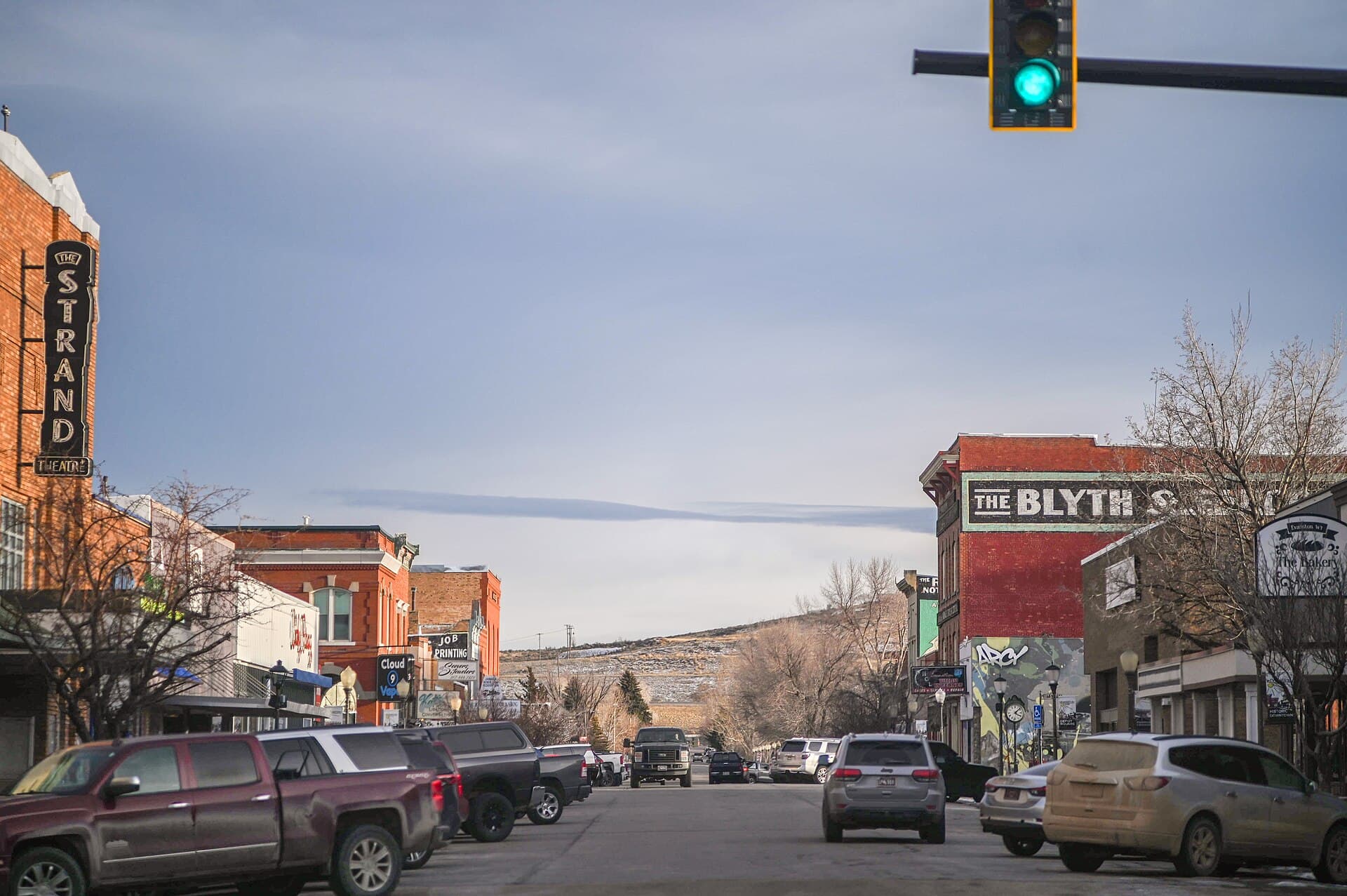 BigCheddah / CC BY-SA 4.0, via Wikimedia Commons
Tour audio autoguidato di Evanston — percorso GPS a piedi, riproduzione offline, narrazione coinvolgente in 32 lingue.
“Dove l'eredità accademica incontra il fascino lacustre e un passato vivace.”
Non le cartoline. Le storie che nemmeno i locali conoscono — sussurrate nel tuo orecchio, proprio dove sono accadute.
Evanston era un tempo una "dry town", un baluardo del movimento per la temperanza.
Oltre alle sue invitanti spiagge, il lungolago di Evanston nasconde un sorprendente segreto sotto le onde.
Un amato giocattolo d'infanzia con semplici parti in legno ha radici a Evanston.
Scopri ogni segreto di Evanston
Ogni indirizzo, ogni rivelazione completa — nel tuo orecchio, proprio dove è accaduta.
Scegli le tue tappe. Cammini. La voce rivela ciò che gli altri perdono.
Il tuo tour audio autoguidato di Evanston è pronto — scegli i tuoi punti di interesse, seleziona la tua lingua e inizia nel momento in cui arrivi.
AcquistaLume include una guida in realtà aumentata. Alza il telefono: la fotocamera mostra la strada davanti a te, con una freccia luminosa sovrapposta all'immagine reale che punta sempre verso la tua prossima tappa — nessuna mappa da decifrare, nessuna svolta sbagliata. Come tutto in Lume, funziona completamente offline.
Evanston, Illinois, una città sulla North Shore del Lago Michigan, offre una miscela distintiva di energia intellettuale e tranquillità lacustre. Situata a soli 19 km a nord del centro di Chicago, funge sia da comunità indipendente fiorente che da comodo punto di accesso alla Windy City. Conosciuta a livello mondiale come sede della Northwestern University, Evanston mantiene un'identità unica con le sue strade alberate, l'architettura storica e gli ampi spazi verdi.
Il carattere della città è plasmato dalla sua popolazione diversificata, dalla vivace scena artistica e da un forte senso di comunità. Dalle ampie spiagge sabbiose alle dimore storiche, Evanston offre uno scenario pittoresco sia per i residenti che per i visitatori. I suoi quartieri percorribili a piedi e le eccellenti opzioni di trasporto pubblico la rendono una destinazione accessibile e invitante per esplorare le sue istituzioni culturali, i negozi distintivi e la ristorazione di livello mondiale.
Prima dell'insediamento europeo negli anni '30 dell'Ottocento, l'area ora conosciuta come Evanston era principalmente una zona umida e foreste paludose disabitate, attraversata dai sentieri dei nativi americani Potawatomi. Gli esploratori francesi si riferivano alla regione più ampia come "Grosse Pointe". L'insediamento americano iniziò nel 1836 e nel 1850 la comunità era conosciuta come Ridgeville.
L'identità moderna della città iniziò a prendere forma nel 1851, quando i leader metodisti scelsero un terreno lungo il Lago Michigan per una nuova università. La Northwestern University aprì ufficialmente i battenti nel 1855, prima dell'incorporazione formale della città stessa. Nel 1854, i fondatori dell'università proposero di chiamare la nascente cittadina "Evanston" in onore di uno dei loro leader, il Dr. John Evans. La richiesta fu accolta e Evanston fu formalmente incorporata come città il 29 dicembre 1863.
Dopo la Guerra Civile, Evanston conobbe una significativa crescita economica e demografica, con la sua popolazione quasi quadruplicata tra il 1860 e il 1870. Questa espansione fu alimentata da nuovi collegamenti ferroviari e dalla reputazione di luogo desiderabile in cui vivere fuori Chicago. Il villaggio di North Evanston si fuse con Evanston nel 1874 e South Evanston si unì nel 1892, consolidando i confini attuali della città. Evanston divenne nota per la sua architettura distintiva, le strade alberate e le signorili case sul lungolago. Un notevole periodo di crescita si verificò anche negli anni '20, con un aumento della popolazione del 70%.
Evanston svolse un ruolo significativo nel movimento per la temperanza, diventando una comunità "dry" (senza vendita di alcolici) dal 1858 al 1972, con la vendita al dettaglio di liquori permessa solo nel 1984. La città fu anche un sito chiave nel movimento per il suffragio femminile, ospitando l'avvocata Catharine Waugh McCulloch, che redasse la legislazione che consentiva alle donne dell'Illinois di votare. Nel 1931, Edwin Bush Jourdain Jr. fece la storia diventando la prima persona di colore eletta come consigliere comunale a Evanston, sostenendo l'integrazione delle spiagge e dei teatri. In una mossa significativa nel marzo 2021, Evanston divenne la prima città negli Stati Uniti a pagare riparazioni ai residenti afroamericani (o ai loro discendenti) vittime di pratiche abitative sleali tra il 1919 e il 1969.
Inizia la tua esplorazione alla Northwestern University, un'istituzione di fama mondiale con un bellissimo campus che include il appartato Shakespeare Garden e il Lakefill, che offre viste eccezionali sullo skyline di Chicago. L'università ospita anche il Mary and Leigh Block Museum of Art gratuito, con diverse mostre.
Per un assaggio di storia locale, visita l'Evanston History Center, ospitato nella Charles Gates Dawes House, una villa in stile castello affacciata sul Lago Michigan. Il centro offre tour e conferenze, e il quartiere circostante fu un tempo dimora di Daniel Burnham. Da non perdere il Grosse Point Lighthouse, un punto di riferimento storico presente dal 1873, che un tempo guidava le imbarcazioni sul Lago Michigan ed è ora iscritto nel National Register of Historic Places.
Il lungolago di Evanston offre cinque miglia di costa e otto spiagge, perfette per godersi il Lago Michigan. Dawes Park, uno spazio di circa 11 ettari, offre campi da tennis, parchi giochi e una tranquilla laguna. Passeggia nel Merrick Rose Garden, un'oasi con centinaia di cespugli di rose e la storica Centennial Fountain.
Esplora gli esclusivi quartieri dello shopping di Evanston: Downtown Evanston, Central Street e Main-Dempster Mile, ognuno dei quali offre boutique uniche, caffè e attività commerciali locali. Per scoperte particolari, visita Dave's Rock Shop su Main Street per minerali e fossili. La città ha anche una vivace scena artistica, tra cui l'Evanston Art Center e il Northlight Theatre, che aprirà in una nuova sede nel centro città nel settembre 2026.
Il periodo migliore per visitare Evanston per attività all'aperto è da metà giugno a metà settembre. Durante questi mesi, la temperatura media giornaliera massima supera i 22°C, con luglio che è il mese più caldo, con una media di 28°C. Da maggio a settembre offre il clima più favorevole, con temperature comprese tra 20°C e 28°C, rendendolo ideale per l'esplorazione all'aperto. Sebbene ci siano piogge durante questo periodo, generalmente non sono abbastanza intense da ostacolare le attività. La città sperimenta un classico clima a quattro stagioni, con livelli di umidità confortevoli per gran parte dell'anno.
Evanston è ben servita dai trasporti pubblici. La linea viola 'L' della Chicago Transit Authority (CTA) ha sette fermate a Evanston, tra cui Davis Street nel centro, che è un importante punto di collegamento per gli autobus. Durante le ore di punta, la linea viola offre un servizio espresso per il Loop di Chicago. Metra, il sistema ferroviario suburbano, ha anche tre fermate a Evanston sulla sua Union Pacific North Line, che collega al centro di Chicago. Gli autobus Pace forniscono un servizio locale in tutta la comunità di Evanston.
Per chi guida, Evanston offre parcheggi su strada e in garage. I parcheggi su strada a pagamento sono generalmente in vigore dalle 8:00 alle 21:00, dal lunedì al sabato, al costo di $2,00 all'ora, con alcune aree che hanno limiti di 2, 4 o 12 ore. Il parcheggio è gratuito la domenica e nei giorni festivi principali, ad eccezione delle aree designate sul lungolago. Ci sono tre garage self-park nel centro di Evanston aperti 24 ore su 24, 7 giorni su 7, che offrono parcheggio a lungo termine a $6 per un massimo di 5 ore, e gratuiti la domenica e nei giorni festivi. L'app Park Evanston può essere utilizzata per i pagamenti mobili.
Evanston — coreano, cinese, ebraico e altre 29 lingue, ogni tappa narrata da una voce madrelingua. La più ampia scelta di lingue tra i tour audio autoguidati.
Disponibile in: