Cappella delle Ossa (Capela dos Ossos)
Un'iscrizione sopra l'ingresso della Cappella delle Ossa estende un saluto crudo e poetico.
La storia completa si sblocca nel tour
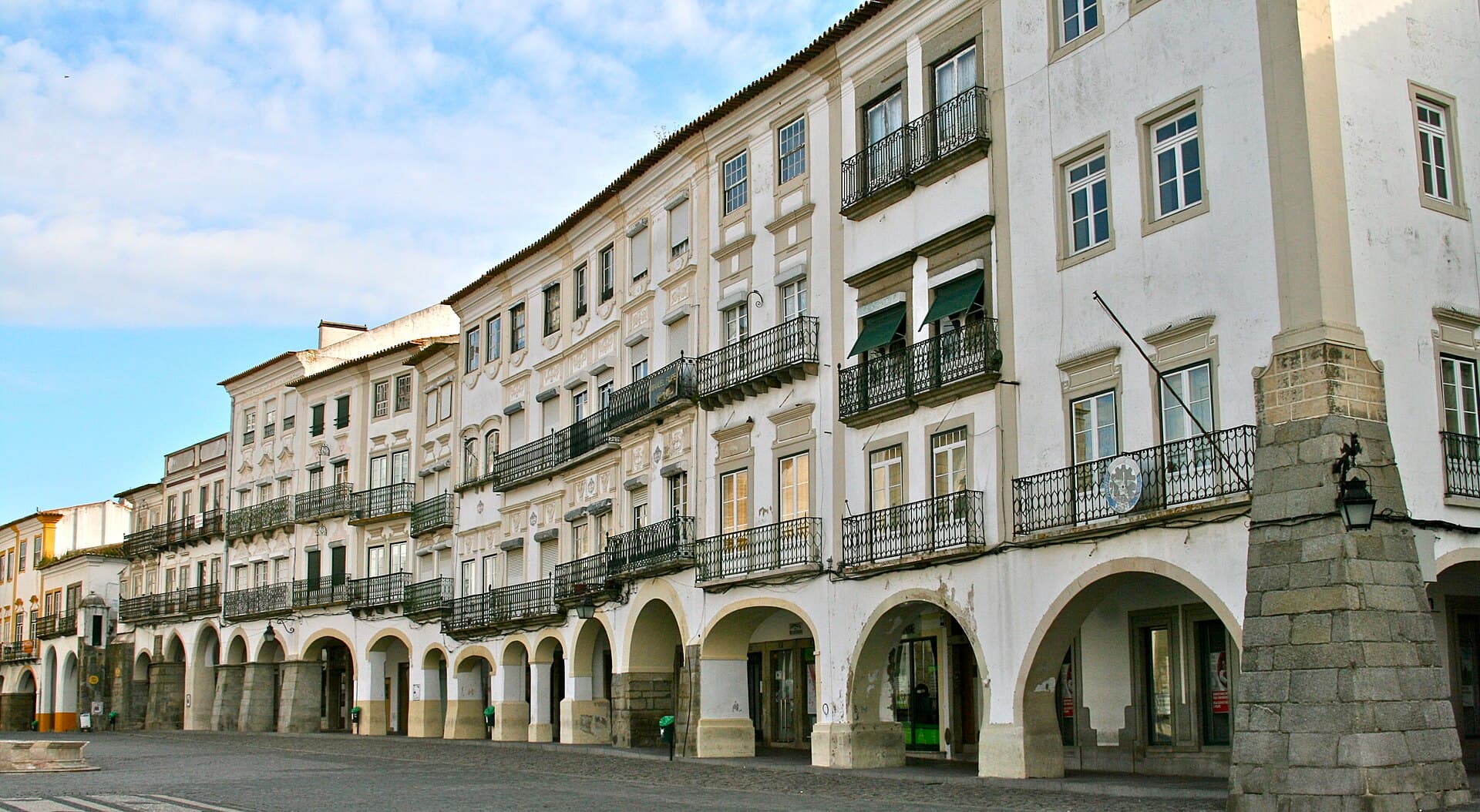 François Philipp from Darmstadt, Germany / CC BY 2.0, via Wikimedia Commons
Tour audio autoguidato di Évora — percorso GPS a piedi, riproduzione offline, narrazione coinvolgente in 32 lingue.
“Évora: Antiche pietre mormorano di imperi, e tranquilli cortili custodiscono secoli di comprensione.”
Non le cartoline. Le storie che nemmeno i locali conoscono — sussurrate nel tuo orecchio, proprio dove sono accadute.
Un'iscrizione sopra l'ingresso della Cappella delle Ossa estende un saluto crudo e poetico.
La rovina romana più importante della città viene spesso identificata erroneamente.
Osserva attentamente alcune delle residenze costruite nell'antico Acquedotto dell'Acqua d'Argento (Aqueduto da Água de Prata).
Scopri ogni segreto di Évora
Ogni indirizzo, ogni rivelazione completa — nel tuo orecchio, proprio dove è accaduta.
Scegli le tue tappe. Cammini. La voce rivela ciò che gli altri perdono.


Il tuo tour audio autoguidato di Évora è pronto — scegli i tuoi punti di interesse, seleziona la tua lingua e inizia nel momento in cui arrivi.
AcquistaLume include una guida in realtà aumentata. Alza il telefono: la fotocamera mostra la strada davanti a te, con una freccia luminosa sovrapposta all'immagine reale che punta sempre verso la tua prossima tappa — nessuna mappa da decifrare, nessuna svolta sbagliata. Come tutto in Lume, funziona completamente offline.
Évora, l'antica capitale della regione portoghese dell'Alentejo, è una città affascinante dove strati di patrimonio romano, moresco e medievale sono sorprendentemente evidenti. Dichiarato Patrimonio dell'Umanità dall'UNESCO nel 1986, il suo centro storico ben conservato è parzialmente circondato da mura medievali, invitando all'esplorazione delle sue antiche vie e monumenti.
A soli 90 minuti a est di Lisbona, Évora offre un'esperienza distinta con la sua singolare miscela di importanza storica e un'atmosfera rilassata e locale. Dal suo Tempio Romano alla macabra Cappella delle Ossa, la città offre un profondo viaggio nel tempo. Oltre ai monumenti, Évora prospera con una vivace università, caffè attivi e ristoranti che servono la sostanziosa cucina dell'Alentejo.
La storia di Évora risale a oltre cinque millenni, conosciuta inizialmente come Ebora dai Celtici, una confederazione tribale che la stabilì come loro capitale regionale. La sua posizione strategica e le terre fertili la resero un importante centro militare e commerciale romano dal II secolo a.C. al IV secolo d.C. Durante questo periodo, era anche conosciuta come Liberalitas Julia, un nome conferito a causa dei privilegi municipali concessi da Giulio Cesare. Il monumentale tempio corinzio, spesso identificato erroneamente come Tempio di Diana, risale al I secolo d.C. ed era probabilmente dedicato all'imperatore Augusto.
Intorno al 712 d.C., Évora fu conquistata dai Mori, che la chiamarono Jabura, e rimase sotto il dominio moresco fino al 1166 circa. La riconquista cristiana nel 1165, guidata da Giraldo il Senza Paura, integrò Évora nel Regno indipendente del Portogallo. Questo segnò l'inizio di un significativo periodo di sviluppo. La città fiorì durante il Medioevo e soprattutto nel XV secolo, diventando uno dei centri urbani più dinamici del Portogallo. I re portoghesi delle prime e seconde dinastie vi risiedevano spesso, commissionando palazzi, monumenti ed edifici religiosi. Quest'epoca vide Évora diventare un crocevia per la cultura e le arti, un simbolo dell'Età d'Oro del Portogallo.
Nel 1540, Évora divenne sede di un arcivescovado e nel 1559 fu fondata l'Università di Évora dai Gesuiti. Tuttavia, l'università fu chiusa nel 1759 dopo l'espulsione dei Gesuiti dal Portogallo, portando a un periodo di declino per la città. L'università fu infine riaperta nel 1973. Il ricco patrimonio architettonico di Évora, che comprende stili romanico, gotico, manuelino, rinascimentale e barocco, insieme alle sue intricate strade e piazze, portò alla sua designazione come Patrimonio dell'Umanità dall'UNESCO nel 1986.
Inizia la tua esplorazione dal Tempio Romano di Évora, un monumento ben conservato con 14 colonne corinzie. Nelle vicinanze, la Cattedrale di Évora, la più grande cattedrale medievale del Portogallo, offre la salita al tetto per ampie vedute della città e delle pianure circostanti.
Per un'esperienza davvero singolare, visita la Cappella delle Ossa (Capela dos Ossos) nella Chiesa di San Francesco. Le sue pareti e colonne sono meticolosamente rivestite con le ossa e i teschi di oltre 5.000 corpi riesumati, offrendo una cupa contemplazione della natura transitoria della vita. Passeggia per Praça do Giraldo, la piazza principale della città, centro di commercio e convivialità fin dal periodo moresco. Non trascurare l'Acquedotto dell'Acqua d'Argento (Aqueduto da Água de Prata) del XVI secolo, un imponente acquedotto che si estende per oltre 9 chilometri. Per coloro interessati alla preistoria, il Cromlech di Almendres, un complesso megalitico più antico di Stonehenge, si trova appena fuori città.
I periodi più piacevoli per visitare Évora sono la primavera (aprile-maggio) e l'autunno (settembre-ottobre). Durante questi mesi, il clima è piacevolmente caldo, con fiori selvatici in primavera e i ricchi colori della stagione del raccolto in autunno. Le estati (luglio-agosto) possono essere piuttosto calde, con temperature che spesso raggiungono i 30°C (86°F) o più, rendendo preferibili le visite turistiche al mattino e alla sera. Gli inverni (novembre-marzo) sono miti ma possono essere piovosi e freschi.
Évora è una città compatta e pedonale, in particolare il suo centro storico. Sebbene un'auto non sia essenziale per esplorare all'interno delle mura cittadine, noleggiarne una è altamente consigliato per visitare la circostante regione dell'Alentejo, comprese cantine e siti megalitici. Il parcheggio nel centro storico può essere difficile a causa delle strade strette, quindi considera di parcheggiare nei piazzali designati fuori dalle mura cittadine e di camminare.
Évora è ben collegata a Lisbona sia in treno che in autobus espresso, con viaggi che durano circa 1,5 ore. Il trasporto pubblico verso villaggi e città vicine da Évora è limitato, rafforzando il vantaggio di un'auto a noleggio per l'esplorazione regionale. La città offre una vasta gamma di opzioni di alloggio e, sebbene molte attrazioni possano essere viste in una gita di un giorno da Lisbona, si consiglia un soggiorno di 2-3 notti per vivere appieno Évora e i suoi dintorni.
Évora — coreano, cinese, ebraico e altre 29 lingue, ogni tappa narrata da una voce madrelingua. La più ampia scelta di lingue tra i tour audio autoguidati.
Disponibile in: