Река Туоцзян
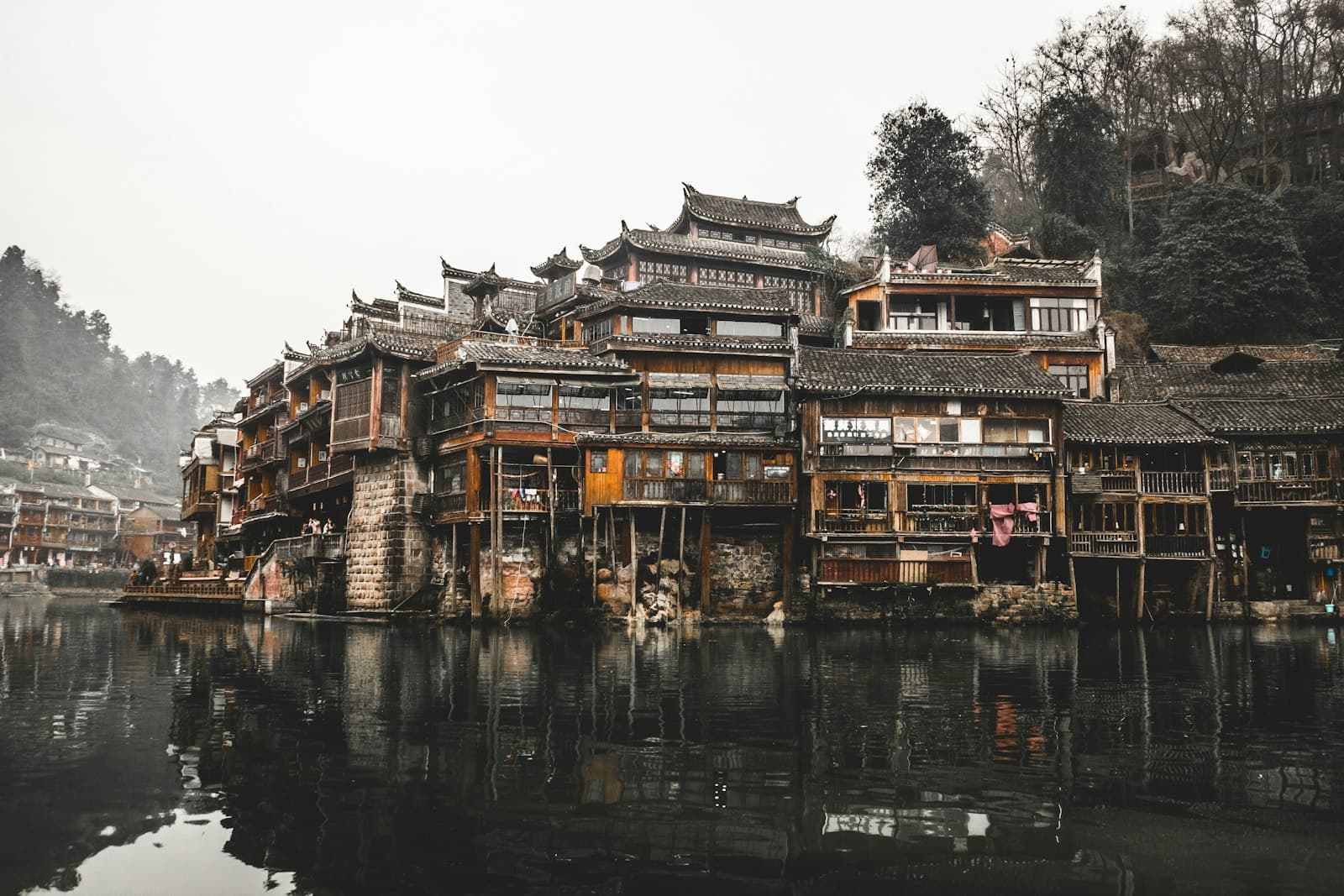
Дома на сваях Фэнхуана — это икона, но их дизайн хранит практический секрет, выходящий за рамки эстетики.
Полная история открывается в туре
 Photo: Theodor Lundqvist / Unsplash
Самостоятельная аудиопрогулка по Фэнхуан — GPS-маршрут, офлайн-воспроизведение, увлекательное повествование на 32 языках.
“Где древние традиции плывут по реке, и, как говорят, задерживаются фениксы.”
Не открытки. Истории, которые не знают даже местные жители — шепотом в вашем ухе, прямо там, где они произошли.
Дома на сваях Фэнхуана — это икона, но их дизайн хранит практический секрет, выходящий за рамки эстетики.
Этот крытый мост, центральный ориентир, имеет удивительного флорентийского «двойника».
За пределами главных улиц истинный характер города раскрывается в его более тихих уголках.
Откройте для себя каждый секрет Фэнхуан
Каждый адрес, каждое полное раскрытие — в вашем ухе, прямо там, где это произошло.
Вы выбираете остановки. Вы гуляете. Голос раскрывает то, что упускают другие.
В Lume встроен гид дополненной реальности. Поднимите телефон: камера показывает улицу перед вами, а поверх реального изображения светится стрелка, всегда указывающая на вашу следующую остановку — не нужно разбираться с картой и сворачивать не туда. Как и всё в Lume, это работает полностью офлайн.
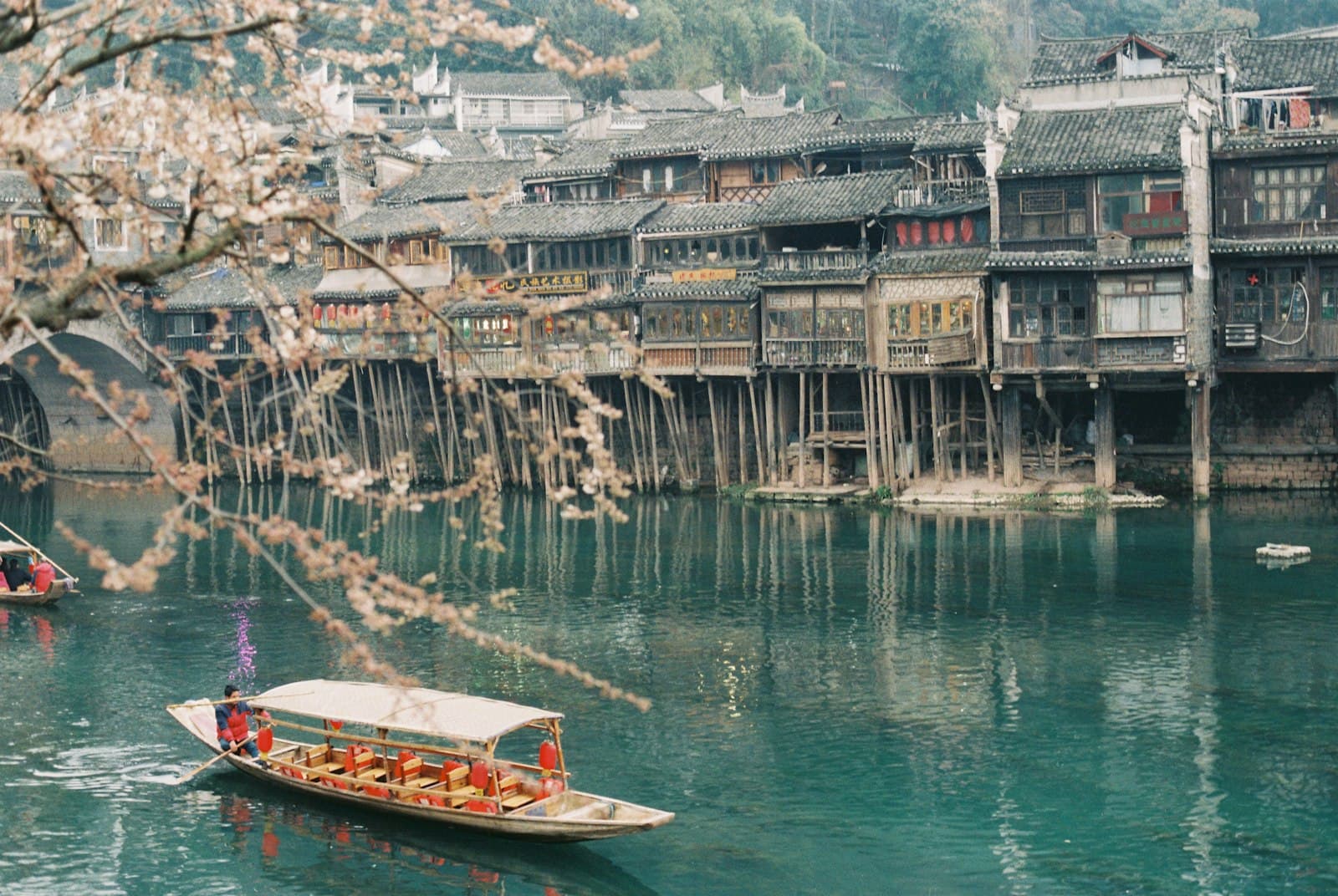
Древний город Фэнхуан, также известный как Город Феникса, — это удивительно хорошо сохранившееся поселение в западной части провинции Хунань, Китай. Этот очаровательный город славится своими живописными пейзажами, традиционными деревянными домами на сваях и безмятежной рекой Туоцзян, которая протекает через его сердце. Название города, Фэнхуан, переводится как «Феникс» — мифическая птица в китайской культуре, символизирующая удачу и долголетие. Легенда гласит, что два феникса, очарованные красотой города, решили сделать его своим постоянным домом.
Фэнхуан предлагает реальную возможность заглянуть в жизнь до модернизации: каменные мостовые, древние городские стены и богатое культурное наследие этнических меньшинств мяо и туцзя. Это место, где историю не просто наблюдают, а чувствуют, поскольку традиционные обычаи, искусство и самобытные архитектурные стили династий Мин и Цин до сих пор видны. В 2008 году город был включен в предварительный список объектов Всемирного наследия ЮНЕСКО, что свидетельствует о его значительном культурном наследии.
История Фэнхуана насчитывает более 1300 лет, начиная с периода Весны и Осени (770–476 гг. до н. э.). Однако город в том виде, в котором он в основном предстает сегодня, начал формироваться во времена династии Мин, когда в 1556 году он был основан как военный аванпост для защиты южной границы от этнических групп мяо и туцзя. Его стратегическое значение сохранялось, и к 43-му году правления императора Канси в династии Цин (около 1704 года) были завершены значительные каменные постройки и укрепления, что еще больше укрепило его роль.
Во времена династии Цин Фэнхуан превратился из военной крепости в процветающий торговый и культурный центр. Он стал важным торговым пунктом, где обменивались лесом, специями и солью, что способствовало формированию разнообразного населения из ханьцев, мяо и туцзя. Это смешение культур отражено в архитектуре города, которая демонстрирует хорошо сохранившиеся стили как династий Мин, так и Цин. Примечательна устойчивость города; несмотря на десятки войн, включая восстание мяо 1854–1873 годов, Фэнхуан на протяжении веков в значительной степени оставался нетронутым разрушениями благодаря своему уникальному географическому положению. После 1913 года название города было официально изменено с Чжэньгань на Фэнхуан, или «Феникс». Сегодня он является свидетельством своего непреходящего прошлого, местом, где древние традиции и архитектурные чудеса продолжают очаровывать посетителей.
Сердце Фэнхуана лучше всего исследовать пешком, бродя по мощеным улочкам и вдоль реки Туоцзян. Сама река является центральным элементом города, вдоль ее берегов расположены традиционные деревянные дома на сваях, известные как Дяоцзяолу. Эти многоэтажные постройки, часто возрастом более ста лет, являются главной достопримечательностью, отражаясь в воде. Лодочная прогулка по реке Туоцзян предлагает иной взгляд на эти дома и окружающие пейзажи, особенно очаровательный ранним утром или вечером.
Не пропустите знаменитый мост Хунцяо (Радужный мост) — крытый мост с магазинами, напоминающий флорентийский Понте Веккьо. Другие значимые мосты включают Снежный мост и Каменный мост — серию ступенчатых камней через реку, которые обеспечивают уникальный способ пересечения. Исследуйте древние городские стены, наиболее хорошо сохранившийся участок находится недалеко от Восточных ворот, где можно подняться на башню, чтобы полюбоваться видами с высоты. Посетите бывшую резиденцию Шэнь Цунвэня, известного современного китайского писателя, чей роман «Пограничный город» был вдохновлен этим регионом, что позволит глубже понять культурную самобытность города. Дворец Ваньшоу, первоначально купеческое братство, теперь является Музеем культуры мяо и туцзя, где выставлены изысканные серебряные изделия и изделия из батика. Для панорамного вида рассмотрите поездку на маглеве.
Идеальное время для посещения древнего города Фэнхуан — весна (март-май) и осень (сентябрь-ноябрь). В эти сезоны погода мягкая, дождей меньше, и набережная идеально подходит для прогулок. Весна приносит пышную зелень и цветущие цветы, а осень — комфортную температуру после летней жары и дождей. Хотя лето (июнь-август) может быть жарким и влажным с частыми дождями, город оживлен. Зима (декабрь-февраль) холодная, возможен снег, но она предлагает более спокойную атмосферу с меньшим количеством туристов. Избегайте крупных китайских государственных праздников, так как город может стать очень многолюдным.
Древний город Фэнхуан удобен для пеших прогулок, и ходьба — лучший способ ощутить его очарование. Хотя большинство достопримечательностей находятся в шаговой доступности, для удобства доступны такси и маршрутные автобусы. Ближайший аэропорт — аэропорт Тунжэнь-Фэнхуан (40 км), куда летают рейсы из крупных городов. Железнодорожный вокзал Фэнхуан Старый город находится примерно в 10 км от древнего города, до него можно добраться на автобусе или такси. Высокоскоростные поезда соединяют Фэнхуан с такими городами, как Чанша и Чжанцзяцзе.
Варианты размещения варьируются от хостелов до бутик-отелей, а проживание на берегу реки предлагает уникальные виды. Рекомендуется бронировать заранее, особенно во время праздников. Местная кухня включает блюда мяо и туцзя, такие как кислый рыбный суп, рисовый тофу и острые лапши с кровью утки. Имбирные конфеты Фэнхуан — местный деликатес. Еда за пределами самых туристических мест может быть более доступной. На некоторые достопримечательности требуются билеты, которые можно приобрести по отдельности или в виде комбинированного билета, включающего лодочную прогулку.
Фэнхуан: корейский, китайский, иврит и ещё 29 языков — каждую остановку озвучивает носитель языка. Самый широкий выбор языков среди аудиоэкскурсий без гида.
Доступные языки: