Teatro Romano, Fiesole
Bajo el antiguo Teatro Romano de Fiesole, yace un secreto que una vez alimentó el folclore local.
La historia completa se desbloquea en el tour
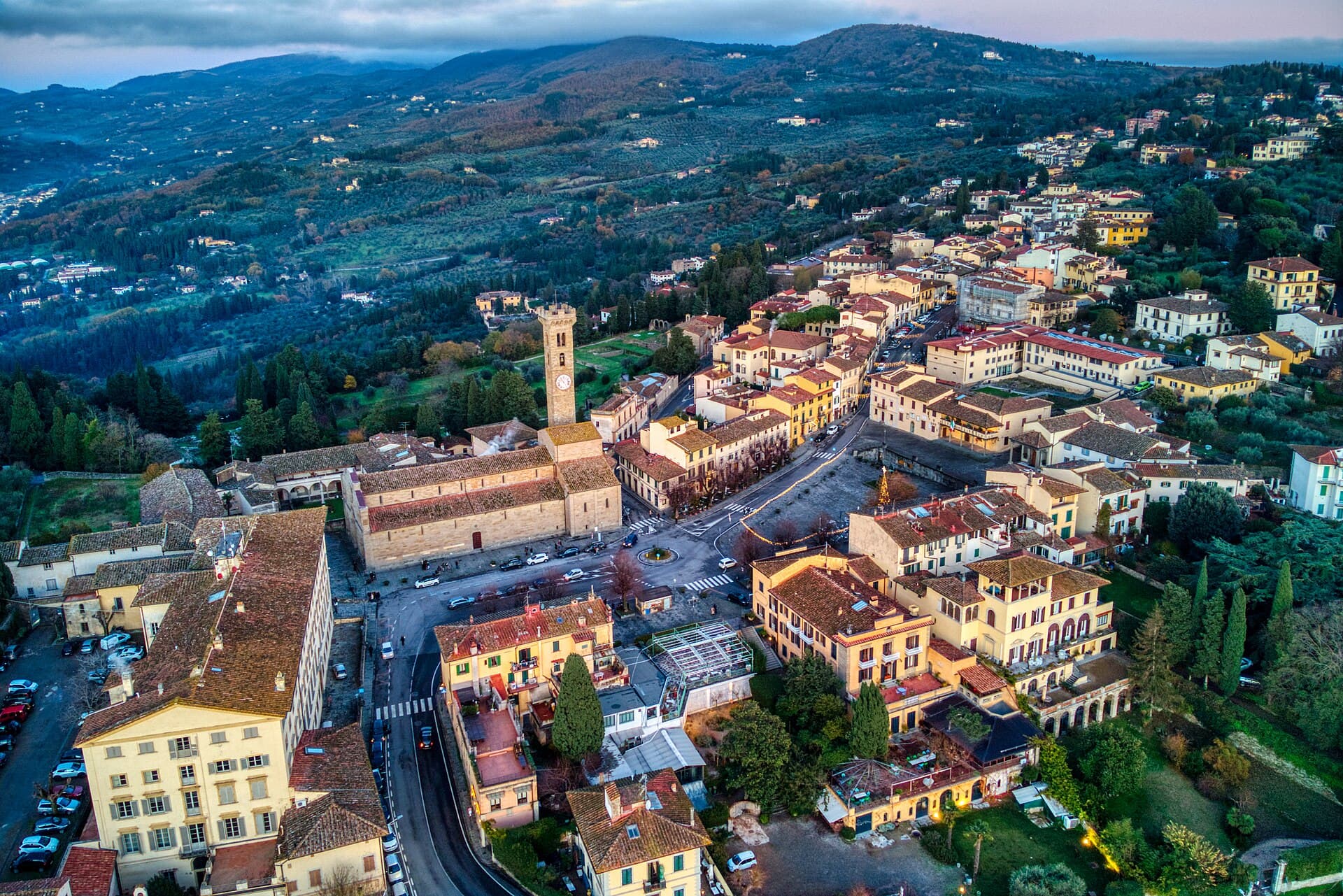 Hagai Agmon-Snir حچاي اچمون-سنير חגי אגמון-שניר / CC BY-SA 4.0, via Wikimedia Commons
Tour de audio autoguiado de Fiesole — ruta GPS a pie, reproducción offline, narración en 32 idiomas.
“Donde los ecos etruscos se encuentran con la serenidad renacentista, con vistas a Florencia.”
No las postales. Las historias que ni los locales conocen — al oído, justo donde ocurrieron.
Bajo el antiguo Teatro Romano de Fiesole, yace un secreto que una vez alimentó el folclore local.
Los serenos jardines de Villa Medici, Patrimonio de la Humanidad por la UNESCO, tienen un propósito más allá de su belleza.
La Catedral de Fiesole, dedicada a su santo patrón, guarda una reliquia que no es solo histórica, sino legendaria.
Descubre todos los secretos de Fiesole
Cada dirección, cada revelación al completo — a tu oído, justo donde ocurrió.
Eliges tus paradas. Caminas. La voz te revela lo que los demás ignoran.


Lume incluye una guía de realidad aumentada. Levanta el móvil y su cámara muestra la calle que tienes delante, con una flecha luminosa sobre la imagen real que siempre apunta a tu próxima parada — sin mapas que descifrar, sin giros equivocados. Como todo en Lume, funciona completamente sin conexión.
Situada en una colina justo al noreste de Florencia, Fiesole ofrece un escape tranquilo con amplias vistas de los valles del Arno y Mugnone. Esta atractiva ciudad, a solo un corto viaje en autobús desde el centro de Florencia, proporciona un sereno contraste con la activa ciudad de abajo, convirtiéndola en un destino favorito para aquellos que buscan paz y un ritmo más lento.
El encanto de Fiesole se extiende más allá de sus vistas, con las épocas etrusca, romana y renacentista tejidas en sus calles y estructuras. Es un lugar donde las ruinas antiguas se alzan junto a iglesias medievales y elegantes villas, invitando a los visitantes a retroceder en el tiempo. La ciudad mantiene una atmósfera distintiva de pueblo pequeño, a pesar de su proximidad a Florencia, y ha sido durante mucho tiempo un refugio para artistas, escritores y aquellos que aprecian su mezcla única de cultura y belleza natural.
## Orígenes Etruscos La historia de Fiesole se remonta al siglo IX-VIII a.C., cuando fue fundada por los etruscos como 'Vipsl' o 'Viesul'. Rápidamente creció hasta convertirse en un importante centro urbano y un miembro significativo de la confederación etrusca. Su ubicación estratégica en las rutas comerciales que conectaban la Etruria centro-sur con el Valle del Po contribuyó a su prosperidad entre los siglos V y II a.C. La evidencia de esta civilización temprana aún se puede ver en las murallas etruscas supervivientes, que una vez se extendieron por aproximadamente 2,4 kilómetros alrededor de la ciudad.
## Conquista Romana y Declive La era etrusca llegó a su fin con la conquista romana de Fiesole en el 283 a.C., aunque una conquista más destructiva ocurrió en el 90 a.C. Los romanos, que llamaron a la ciudad 'Faesulae', reconstruyeron y reorganizaron la ciudad, añadiendo sus propias maravillas arquitectónicas. Fiesole ganó prominencia durante la conspiración de Catilina, sirviendo como capital de los conspiradores, pero declinó después de la derrota de Catilina en el 63 a.C. Algunos historiadores sugieren que la fundación de Florencia poco después, en el 59 a.C., fue un movimiento romano para disminuir la importancia de Fiesole.
## Eras Medieval y Renacentista Después de la caída del Imperio Romano, Fiesole experimentó períodos de invasiones bárbaras, incluida la dominación lombarda en el 568 d.C., dejando evidencia arqueológica como necrópolis y tumbas. Durante varios siglos en la Alta Edad Media, Fiesole siguió siendo una ciudad independiente, a menudo rivalizando con Florencia. Esta rivalidad culminó en 1125 cuando Florencia conquistó Fiesole, obligando a sus principales familias a reubicarse en Florencia e incluso quemando partes de la ciudad. A pesar de esta subyugación, Fiesole experimentó un resurgimiento durante el Renacimiento, convirtiéndose en un lugar favorito para villas de lujo encargadas por prominentes familias florentinas, incluidos los Medici. Estas villas, como la Villa Medici, fueron diseñadas como retiros intelectuales, albergando a eruditos y artistas.
El área arqueológica de Fiesole es un punto de interés central, con ruinas romanas bien conservadas. Aquí, se puede explorar un teatro romano del siglo I a.C., que todavía alberga eventos culturales hoy en día. Adyacentes al teatro se encuentran los restos de baños romanos y un templo etrusco-romano. El Museo Arqueológico Cívico, ubicado dentro del parque, exhibe artefactos de los períodos etrusco, romano y lombardo, incluyendo cerámica, armas y herramientas.
Con vistas a la Piazza Mino principal se encuentra la Catedral Románica de Fiesole, o Duomo di Fiesole, que data del 1028. Su interior presenta frescos atribuidos a Piero Perugino y Nicodemo Ferrucci, y una cripta sostenida por pequeñas columnas. Una corta caminata cuesta arriba desde la plaza conduce al Convento de San Francesco, que ofrece amplias vistas de Florencia y la campiña toscana circundante. El Museo Bandini, junto al Duomo, alberga una colección de pinturas florentinas y toscanas de los siglos XII al XIV, así como terracotas vidriadas del taller de Della Robbia.
Fiesole es agradable durante todo el año, pero los meses de verano, desde finales de junio hasta finales de agosto, son ideales para actividades de clima cálido y eventos culturales. La anual Estate Fiesolana, una serie de actuaciones de música, ballet, cine y teatro, tiene lugar en el Teatro Romano durante este período. Julio es el mes más cálido, con una temperatura máxima promedio de 31°C (87°F) y cielos despejados. Para aquellos que prefieren temperaturas más frescas y menos multitudes, la primavera y el otoño ofrecen un clima agradable para explorar. Los inviernos son fríos, siendo enero el mes más frío, con una temperatura mínima promedio de 1°C (34°F).
Fiesole es fácilmente accesible desde Florencia. Tome el autobús ATAF #7 desde Piazza San Marco o Via La Pira en Florencia; el viaje dura unos 20-25 minutos y llega a la plaza principal de Fiesole, Piazza Mino. Los billetes son económicos y se pueden comprar en estancos o quioscos. La ciudad es transitable, aunque la subida al Monasterio de San Francesco es empinada. Un billete combinado para el Área Arqueológica, el Museo Etrusco y el Museo Bandini cuesta alrededor de 12 € para adultos. La oficina de turismo de Fiesole, ubicada en Via Portigiani 3, puede proporcionar más información sobre horarios de apertura y eventos. Aunque Fiesole a menudo se visita como una excursión de un día, pasar la noche en uno de sus hoteles boutique o casas de huéspedes permite una experiencia más tranquila y la oportunidad de disfrutar de las puestas de sol sobre Florencia.
Fiesole en coreano, en chino o en hebreo — y 29 idiomas más, cada parada narrada por una voz nativa. La mayor variedad de idiomas de cualquier audioguía autoguiada.
Disponible en: