Casino Figueira
Antes de se tornar um centro de jogos de azar, este grandioso estabelecimento apresentava um tipo diferente de espetáculo.
História completa desbloqueada no tour
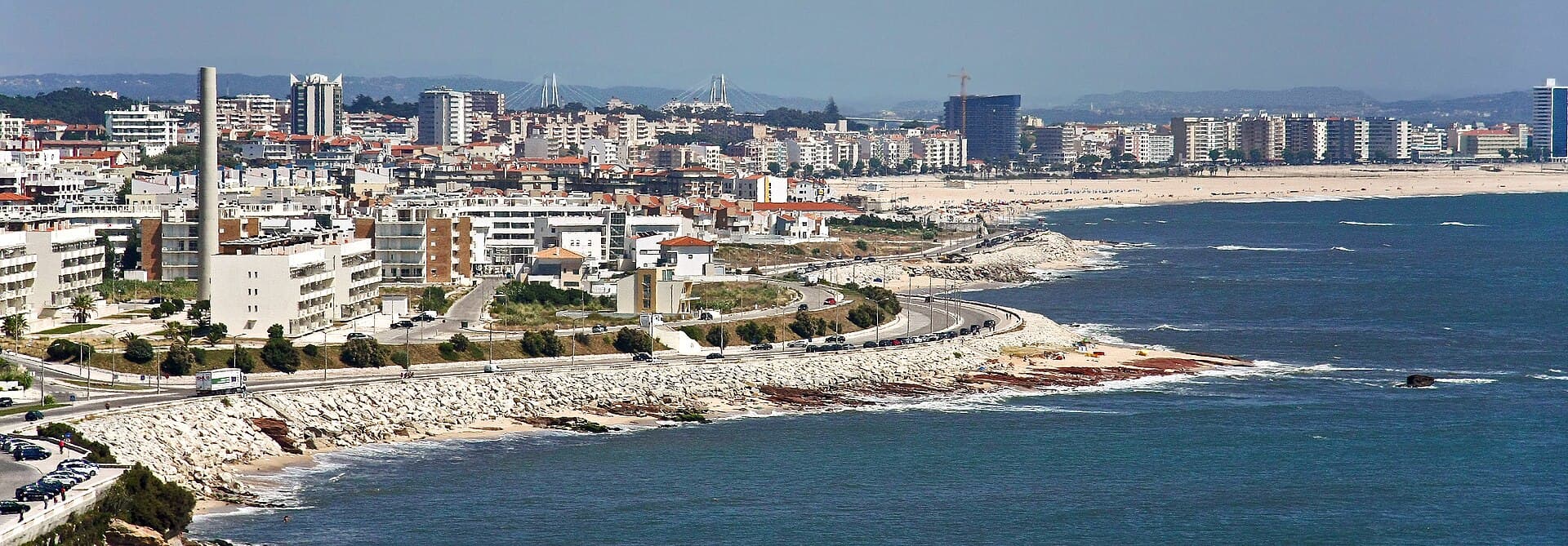 Vitor Oliveira from Torres Vedras, PORTUGAL / CC BY-SA 2.0, via Wikimedia Commons
Tour de áudio autoguiado por Figueira da Foz — rota GPS a pé, reprodução offline, narração envolvente em 32 idiomas.
“Onde o Mondego encontra o Atlântico, uma cidade de grandes praias e o encanto da Belle Époque.”
Não os postais. As histórias que nem os locais conhecem — sussurradas ao seu ouvido, exatamente onde aconteceram.
Antes de se tornar um centro de jogos de azar, este grandioso estabelecimento apresentava um tipo diferente de espetáculo.
Esta praia expansiva ganhou um apelido real, mas sua verdadeira fama reside em uma medida inesperada.
As muralhas defensivas de Buarcos sugerem uma estrutura há muito perdida, mas pouco resta de sua forma original.
Descubra cada segredo de Figueira da Foz
Cada endereço, cada revelação na íntegra — no seu ouvido, exatamente onde aconteceu.
Você escolhe as suas paragens. Você caminha. A voz revela o que os outros perdem.


O seu tour áudio autoguiado de Figueira da Foz está pronto — escolha os seus pontos de interesse, selecione o seu idioma e comece no momento em que chegar.
ComprarA Lume inclui um guia de realidade aumentada. Levante o telemóvel: a câmara mostra a rua à sua frente, com uma seta luminosa sobreposta à imagem real que aponta sempre para a sua próxima paragem — sem mapa para decifrar, sem voltas erradas. Como tudo na Lume, funciona totalmente offline.
Figueira da Foz, frequentemente chamada apenas de Figueira, é uma cativante cidade costeira no centro de Portugal, onde o rio Mondego encontra o Oceano Atlântico. Esta dinâmica comunidade litorânea, com uma população de aproximadamente 62.000 habitantes, combina o apelo de um resort de praia tradicional português com comodidades urbanas modernas. A cidade é celebrada por ter uma das praias urbanas mais largas da Europa, a Praia da Claridade, que se estende por impressionantes dois quilômetros de largura, o que lhe rendeu o apelido de 'Rainha das Praias'. Além de suas areias douradas, Figueira da Foz oferece uma mistura única de história, cultura e uma atmosfera vibrante.
Situada aproximadamente a meio caminho entre Lisboa e Porto, e a cerca de 40 quilômetros a oeste de Coimbra, Figueira da Foz é de fácil acesso. A localização estratégica da cidade na foz do rio Mondego, abrigada pelas montanhas da Serra da Boa Viagem, moldou sua identidade como um importante porto de pesca de alto mar e um destino popular para visitantes. Da elegância Belle Époque de seu cassino aos movimentados mercados locais, Figueira da Foz apresenta uma experiência diversificada para todos.
As origens do povoamento humano no território de Figueira da Foz remontam à pré-história, com evidências de presença romana, incluindo inscrições em dois denários da família Vibia e do Imperador Otávio Augusto. O primeiro uso documentado do Porto de Figueira da Foz data de 1166, conforme citado em um texto de doação de D. Afonso Henriques. Ao longo dos séculos XVI e XVII, a região enfrentou constantes ataques de piratas, levando à construção do Forte de Santa Catarina para defesa. Este forte foi saqueado por corsários britânicos em 1602 e posteriormente ocupado por tropas napoleônicas em 1808.
Os séculos XVIII e XIX viram um desenvolvimento significativo em Figueira da Foz, impulsionado pela imensa atividade portuária e pelo crescimento das indústrias de construção naval e de salga de bacalhau. Esse dinamismo econômico levou à elevação da cidade a 'vila' em 12 de março de 1771 e, depois, a 'cidade' em 20 de setembro de 1882. No final do século XIX, Figueira da Foz foi descoberta como um resort de praia, ganhando forte reputação nas décadas de 1920 e 1930. A aristocracia começou a frequentar suas praias de areia dourada, e a cidade ficou conhecida como a 'Biarritz Portuguesa' entre os visitantes espanhóis, atraídos por seu cassino. Essa era, frequentemente referida como Belle Époque, viu a construção do Bairro Novo na década de 1860, um distrito inspirado em resorts franceses e com arquitetura Art Nouveau e Art Déco. Hoje, Figueira da Foz continua a misturar seu patrimônio marítimo duradouro com seu legado como uma cidade resort acolhedora.
Comece sua exploração na Praia da Claridade, uma das praias urbanas mais largas da Europa, perfeita para tomar sol ou para uma longa caminhada pela orla de madeira (marginal). Para vistas panorâmicas do Atlântico e da foz do rio Mondego, vá ao Cabo Mondego, onde fica um farol histórico. As montanhas da Serra da Boa Viagem oferecem um refúgio natural com florestas de pinheiros, trilhas para caminhada e mirantes cênicos.
Aprofunde-se no passado da cidade no Museu Municipal Dr. Santos Rocha, que abriga uma coleção eclética que vai desde escultura medieval a artefatos da história colonial de Portugal. A Casa do Paço é notável por sua coleção de quase 7.000 azulejos de Delft, muitos retratando guerreiros. Visite a Fortaleza de Santa Catarina, que guarda a entrada do porto desde o século XVI. Experimente a atmosfera animada do Casino Figueira, o cassino mais antigo da Península Ibérica, que oferece shows, restaurantes e jogos. Para um gostinho da vida local, explore o mercado municipal em busca de produtos frescos e frutos do mar, ou navegue pela feira mensal de antiguidades e colecionáveis ao ar livre ao longo do porto.
Figueira da Foz goza de um clima atlântico moderado, com invernos amenos e chuvosos e verões secos e quentes. A melhor época para atividades ao ar livre é de meados de junho a meados de setembro, quando as temperaturas geralmente variam de 20 a 28°C e a precipitação é mínima. Julho é o mês mais claro, com uma média de 87% de céus limpos, parcialmente limpos ou com nuvens. As temperaturas do mar são mais agradáveis em agosto e setembro, atingindo 18-19°C. Embora o verão seja a alta temporada, a primavera (abril-maio) e o início do outono (setembro-outubro) também oferecem clima agradável para passeios, com menos multidões.
Figueira da Foz é bem conectada por transporte público. Os trens chegam ao Largo da Estação, com conexões regulares de Coimbra. Ônibus são uma opção conveniente, com serviços de Lisboa (aproximadamente 3 horas) e outras cidades importantes chegando ao Terminal Rodoviário. Se for de carro, a cidade fica a cerca de duas horas de carro ao norte de Lisboa ou 90 minutos do Porto pelas autoestradas A17 e A1/A8.
O centro da cidade e as áreas à beira-mar são em grande parte planos e fáceis de caminhar. Uma rede crescente de ciclovias, especialmente ao longo da praia, torna o ciclismo uma opção viável. Para explorar mais longe, serviços de ônibus locais conectam diferentes partes da cidade. Um micro-ônibus elétrico gratuito, o FozBus, opera durante a alta temporada, oferecendo acesso hop-on/hop-off às principais atrações entre a estação ferroviária e o Cabo Mondego. Táxis também estão disponíveis. Embora falantes de inglês possam ser encontrados em áreas turísticas, aprender o básico de português é benéfico para interações diárias em mercados e estabelecimentos locais.
Figueira da Foz — coreano, chinês, hebraico e mais 29 idiomas, cada parada narrada por uma voz nativa. A maior variedade de idiomas entre os passeios de áudio autoguiados.
Disponível em: