Lowell Observatory
La scoperta di Plutone qui è ampiamente conosciuta, ma un fatto meno noto collega l'osservatorio a una rivelazione cosmica molto più grandiosa.
La storia completa si sblocca nel tour
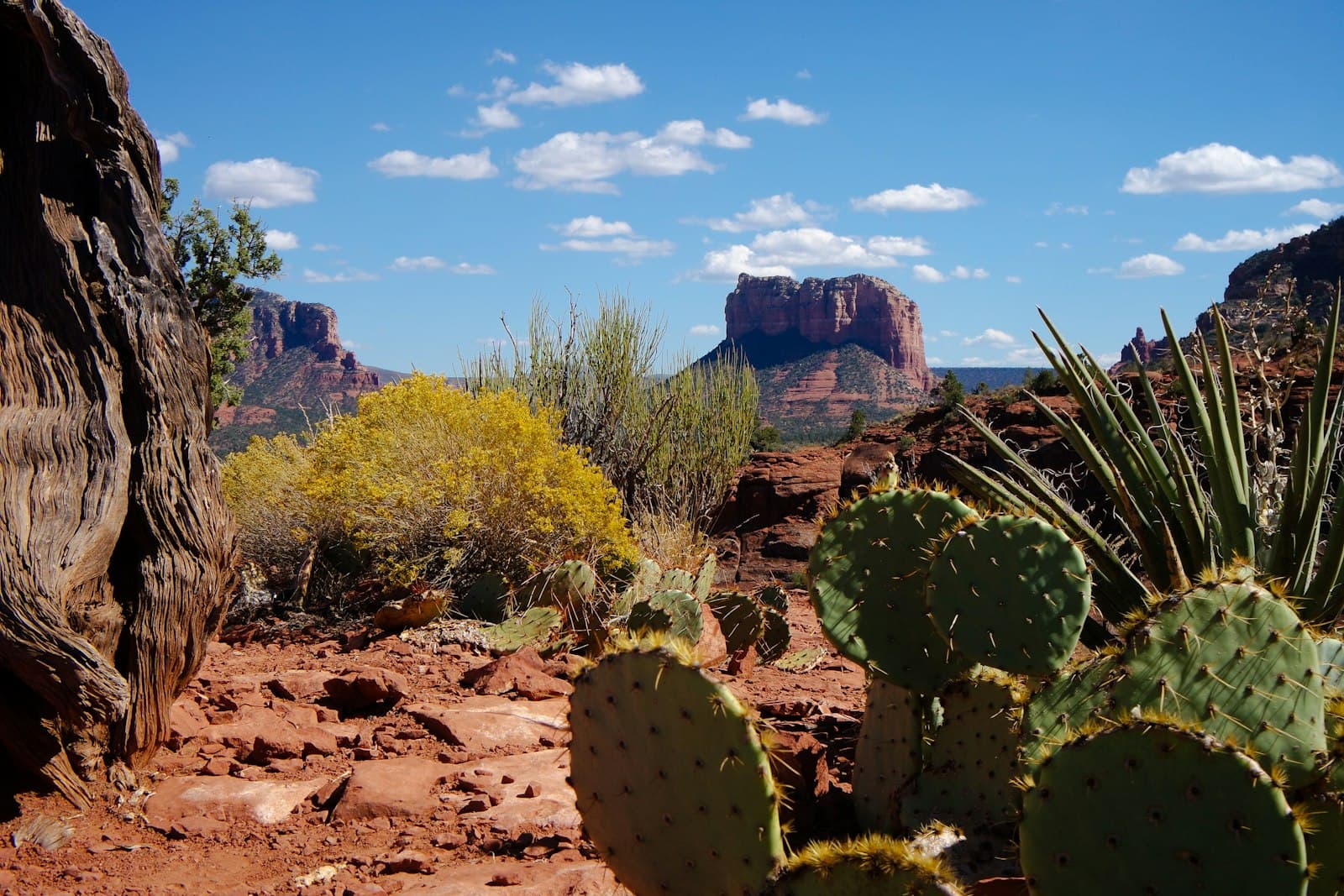 Photo: Michaela / Unsplash
Tour audio autoguidato di Flagstaff — percorso GPS a piedi, riproduzione offline, narrazione coinvolgente in 32 lingue.
“Dove l'aria alpina incontra la storia antica e le meraviglie cosmiche.”
Non le cartoline. Le storie che nemmeno i locali conoscono — sussurrate nel tuo orecchio, proprio dove sono accadute.
La scoperta di Plutone qui è ampiamente conosciuta, ma un fatto meno noto collega l'osservatorio a una rivelazione cosmica molto più grandiosa.
Questo immenso sito di impatto ha uno straordinario legame con il viaggio dell'umanità verso la luna.
Tra gli antichi pueblo, una struttura indica uno scambio culturale sorprendente ben oltre i confini dell'Arizona.
Scopri ogni segreto di Flagstaff
Ogni indirizzo, ogni rivelazione completa — nel tuo orecchio, proprio dove è accaduta.
Scegli le tue tappe. Cammini. La voce rivela ciò che gli altri perdono.



Il tuo tour audio autoguidato di Flagstaff è pronto — scegli i tuoi punti di interesse, seleziona la tua lingua e inizia nel momento in cui arrivi.
AcquistaLume include una guida in realtà aumentata. Alza il telefono: la fotocamera mostra la strada davanti a te, con una freccia luminosa sovrapposta all'immagine reale che punta sempre verso la tua prossima tappa — nessuna mappa da decifrare, nessuna svolta sbagliata. Come tutto in Lume, funziona completamente offline.
Flagstaff, Arizona, smentisce l'immagine tipica del deserto, offrendo una fuga rinfrescante a quasi 7.000 piedi sul livello del mare, nel cuore della più grande foresta contigua di pini ponderosa del mondo. Questa città di montagna, un vivace centro di avventura all'aria aperta e profondità culturale, funge da porta d'accesso ad alcune delle meraviglie naturali più iconiche del Sud-ovest americano, tra cui il Grand Canyon, a soli 80 miglia di distanza. Con il suo clima distintivo delle quattro stagioni, Flagstaff attira visitatori tutto l'anno, sia per le escursioni estive, sia per i brillanti colori autunnali, sia per gli sport invernali sulla neve.
La città fonde perfettamente il suo patrimonio storico della Route 66 con una designazione di cielo buio lungimirante, rendendola un santuario sia per gli appassionati di storia che per gli osservatori delle stelle. Dal suo centro vivace, ricco di ristoranti locali e birrifici artigianali, ai paesaggi sereni delle foreste nazionali e dei monumenti circostanti, Flagstaff offre una vasta gamma di esperienze. È un luogo dove storia antica, scoperte astronomiche e una vivace cultura contemporanea convergono sotto cieli sconfinati.
L'area di Flagstaff è stata abitata per oltre 13.000 anni, con prove di raccoglitori e cacciatori primitivi. Intorno al 1100-1250 d.C., il popolo Sinagua stabilì insediamenti permanenti, costruendo notevoli abitazioni rupestri in luoghi come Walnut Canyon. Questi primi abitanti svilupparono sofisticate tecniche agricole e commerciarono con altri gruppi della regione.
L'insediamento moderno di Flagstaff iniziò nel 1876 e fu incorporato come città nel 1928. Il suo sviluppo fu significativamente plasmato dall'arrivo della Santa Fe Railroad, che ancora attraversa il centro, accanto a un tratto preservato della storica Route 66. La ferrovia trasformò Flagstaff in un vitale snodo dei trasporti, collegandola al più ampio West americano e contribuendo alla sua crescita come città del legname e dei pionieri.
Nel 1894, Percival Lowell fondò il Lowell Observatory, che sarebbe diventato un National Historic Landmark e un centro di ricerca astronomica all'avanguardia, inclusa la scoperta di Plutone nel 1930 e le prime prove dell'universo in espansione. Il Museum of Northern Arizona, fondato nel 1928, consolidò ulteriormente il ruolo di Flagstaff come centro per la comprensione del patrimonio naturale e culturale del Colorado Plateau, ospitando milioni di manufatti nativi americani e reperti di storia naturale. Oggi, Flagstaff continua a onorare il suo passato diverso, dalle sue radici indigene alle sue eredità ferroviarie e scientifiche.
Inizia la tua esplorazione al Lowell Observatory, un National Historic Landmark dove fu scoperto Plutone nel 1930 e dove si svolsero ricerche significative sull'universo in espansione. Ammira la storia attraverso il suo storico Clark Refractor ed esplora il cielo notturno al Giovale Open Deck Observatory. Per un viaggio nelle civiltà antiche, visita il Walnut Canyon National Monument, dove puoi percorrere sentieri per ammirare abitazioni rupestri ben conservate costruite dal popolo Sinagua oltre 800 anni fa. Nelle vicinanze, il Wupatki National Monument espone diversi pueblo ancestrali, tra cui il Wupatki Pueblo a più piani con oltre 100 stanze e un campo da gioco unico.
Sperimenta una drammatica meraviglia geologica al Meteor Crater, un sito di impatto di quasi un miglio di diametro formatosi 50.000 anni fa, dove gli astronauti dell'Apollo si addestrarono. Approfondisci il patrimonio naturale e culturale della regione al Museum of Northern Arizona, che ospita vaste collezioni di manufatti nativi americani e mostre di storia naturale. Il centro di Flagstaff offre un mix di fascino storico della Route 66, negozi locali e diverse opzioni gastronomiche. Per gli appassionati di attività all'aria aperta, l'Arizona Snowbowl offre opportunità per gite panoramiche in gondola ed escursioni in estate, e sci in inverno.
Flagstaff offre un'esperienza distinta in ogni stagione grazie al suo clima temperato. Per attività all'aria aperta come escursioni e mountain bike, il periodo migliore per visitarla va da metà giugno a fine agosto, quando le temperature medie giornaliere si aggirano sui 24°C. Tra fine luglio e agosto sono frequenti i temporali pomeridiani, che rinfrescano rapidamente il paesaggio. L'autunno, da metà settembre a fine novembre, è ideale per ammirare i brillanti colori del fogliame degli aspens e l'aria fresca di montagna. L'inverno, da fine novembre a metà maggio, trasforma Flagstaff in una destinazione nevosa, perfetta per sciare e fare snowboard. La primavera, da metà marzo a fine maggio, porta temperature più miti e la fioritura di fiori selvatici, anche se brezze fresche possono ancora essere presenti.
Flagstaff si trova a un'altitudine di quasi 7.000 piedi, quindi i visitatori dovrebbero essere consapevoli dell'altitudine. Si consiglia di bere molta acqua, applicare frequentemente la protezione solare e riposare secondo necessità per prevenire affaticamento o affanno. La città si trova a circa 151 miglia a nord dell'aeroporto Phoenix Sky Harbor, un tragitto che dura circa 2 ore e 15 minuti. Sebbene esista un trasporto pubblico, è consigliabile avere un'auto per esplorare i 64 miglia quadrate di Flagstaff e le numerose attrazioni circostanti, inclusi parchi nazionali e monumenti. Le condizioni stradali, soprattutto in inverno, dovrebbero essere controllate tramite il sito web dell'Arizona Department of Transportation (ADOT). Flagstaff è conosciuta come la prima International Dark Sky City del mondo, quindi considera di pianificare attività serali all'insegna dell'osservazione delle stelle.
Flagstaff — coreano, cinese, ebraico e altre 29 lingue, ogni tappa narrata da una voce madrelingua. La più ampia scelta di lingue tra i tour audio autoguidati.
Disponibile in: