Calle Khayim Ben Atar
Un mural aquí inmortaliza a un trágico grupo de músicos, un sombrío tributo en un barrio animado.
La historia completa se desbloquea en el tour
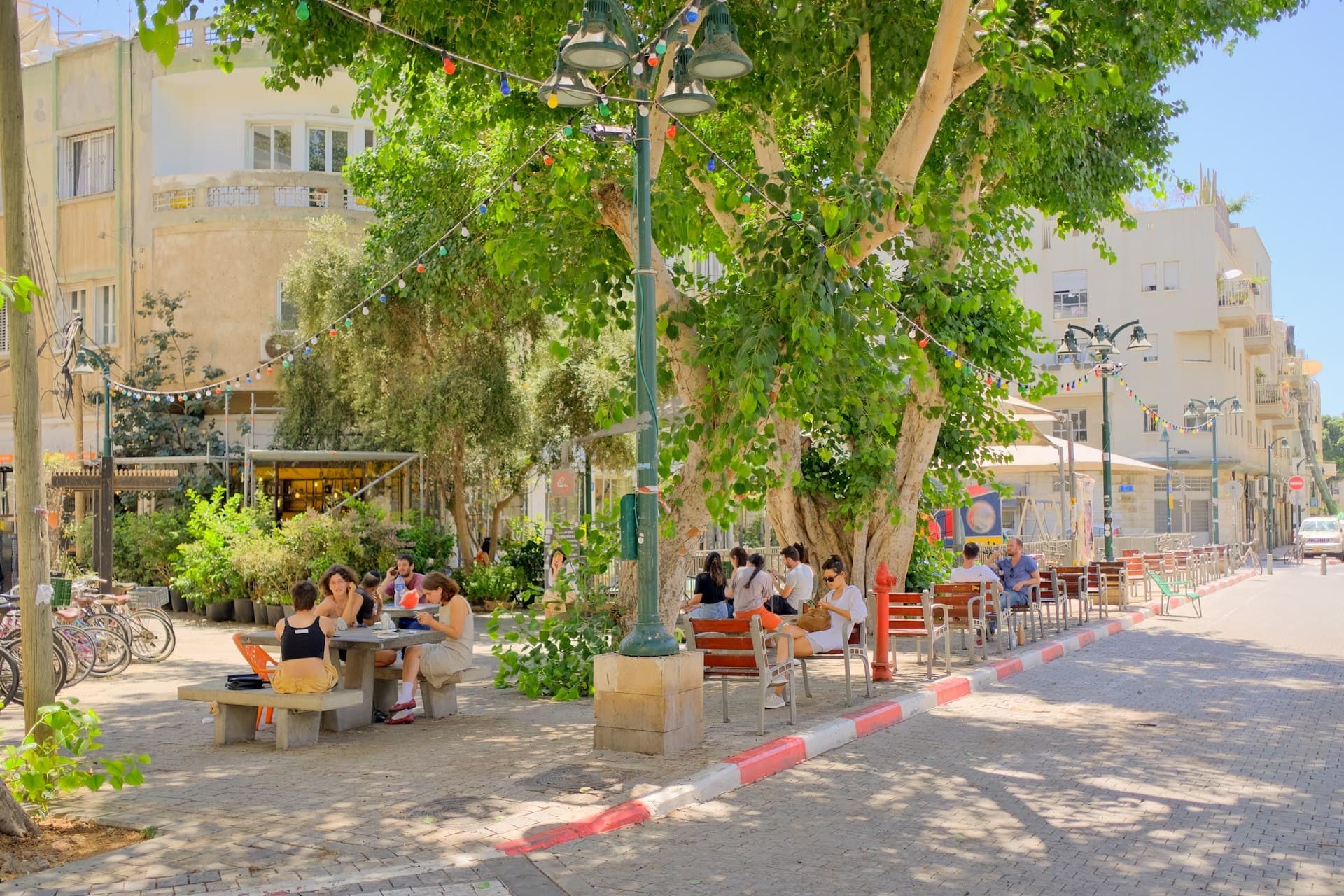 Photo: Ari Dinar / Unsplash
Tour de audio autoguiado de Florentin Street Art — ruta GPS a pie, reproducción offline, narración en 32 idiomas.
“Las paredes hablan más que las palabras en la galería al aire libre en constante cambio de Tel Aviv.”
No las postales. Las historias que ni los locales conocen — al oído, justo donde ocurrieron.
Un mural aquí inmortaliza a un trágico grupo de músicos, un sombrío tributo en un barrio animado.
La postura de la ciudad sobre el arte callejero aquí es una paradoja, a menudo haciendo la vista gorda mientras simultáneamente... saca provecho.
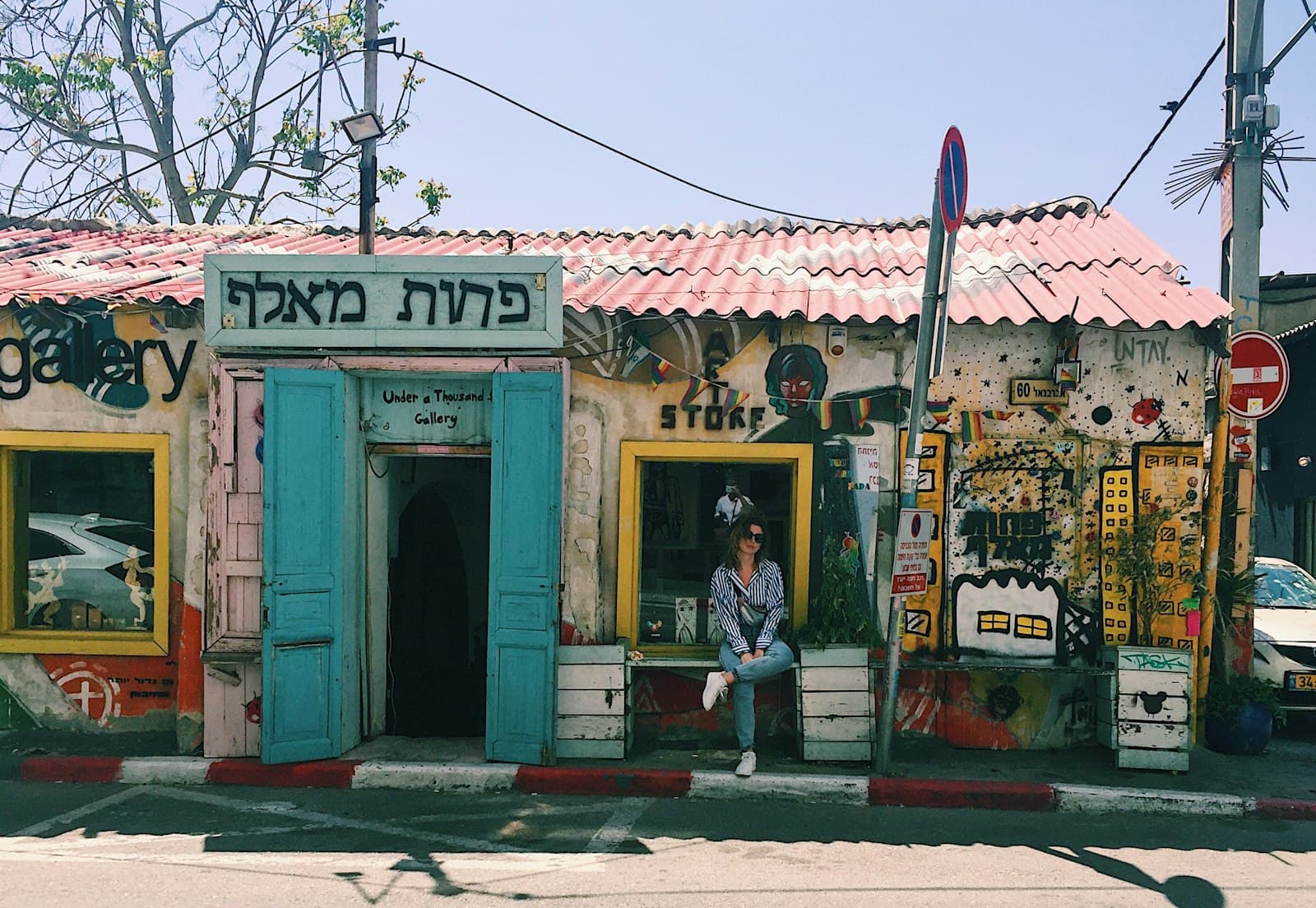
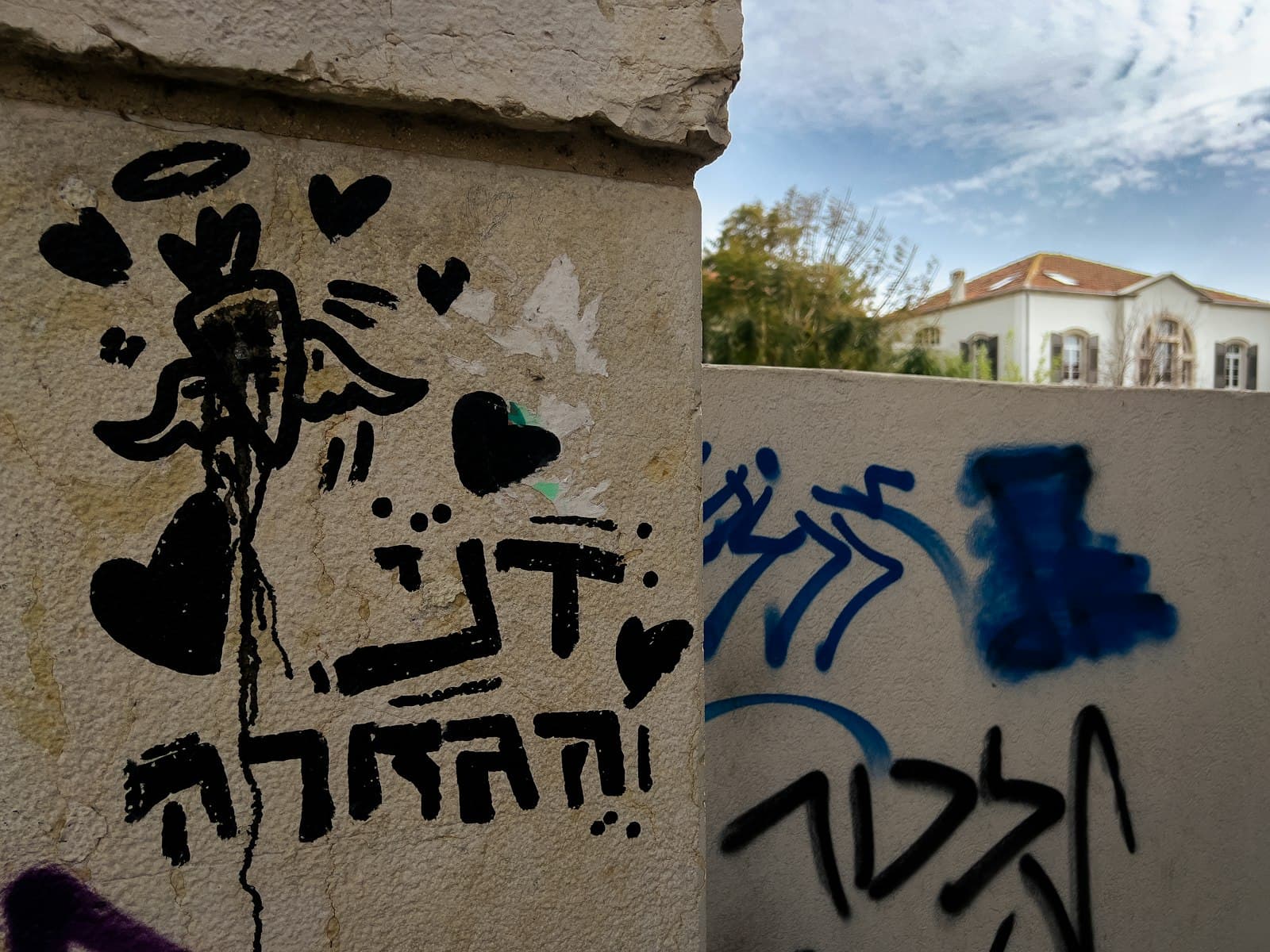
Observa de cerca las puertas de hierro corrugado y las paredes de yeso descascarado: no son solo lienzos, sino un registro de una batalla urbana en curso.
Descubre todos los secretos de Florentin Street Art
Cada dirección, cada revelación al completo — a tu oído, justo donde ocurrió.
Eliges tus paradas. Caminas. La voz te revela lo que los demás ignoran.
Tu tour de audioguía por Florentin Street Art te espera — elige tus lugares, tu idioma y empieza al llegar.
ComprarFlorentin, un barrio en el sur de Tel Aviv, se ha transformado en el principal museo de arte contemporáneo al aire libre de Israel. Antiguamente una zona de clase trabajadora caracterizada por la decadencia urbana, sus bajos alquileres y edificios industriales abandonados atrajeron a artistas, músicos y multitudes bohemias a finales de los años 90 y principios de los 2000. Hoy en día, las puertas de hierro corrugado y las paredes de yeso descascarado sirven como un lienzo en constante cambio para una diversa gama de arte callejero, desde murales masivos hasta intrincados esténciles y paste-ups.
Caminar por las estrechas calles de Florentin es como leer el diario de la ciudad, donde declaraciones políticas, versos poéticos y narrativas personales coexisten. El arte aquí es crudo, auténtico y en constante evolución, ofreciendo una visión única de la contracultura de Tel Aviv. Este tour autoguiado te invita a explorar las animadas galerías al aire libre de Florentin, descubriendo las historias, técnicas y mensajes sociales incrustados en su paisaje urbano.
La historia de Florentin comenzó en 1924 cuando Solomon Florentine, un judío de Salónica, adquirió la tierra. Su desarrollo fue impulsado inicialmente por su proximidad al ferrocarril Jaffa-Jerusalén. El barrio fue poblado principalmente por inmigrantes judíos sefardíes pobres del norte de África, Bulgaria, Turquía y Grecia, así como judíos mizrajíes de Bujará. Durante muchas décadas, como gran parte del sur de Tel Aviv, Florentin sufrió de decadencia urbana y pobreza, convirtiéndose en un barrio marginal en la década de 1960.
El punto de inflexión llegó a finales de los años 90 y principios de los 2000. Atraídos por los bajos alquileres y la abundancia de edificios industriales semi-abandonados, una ola de jóvenes artistas, músicos y bohemios comenzó a mudarse a la zona. Estos artistas encontraron libertad en las paredes descuidadas, transformando el barrio en un centro cultural alternativo. El ambiente crudo y sin pulir de Florentin, con su mezcla de garajes, talleres y edificios antiguos, resultó ser un telón de fondo ideal para todo tipo de arte callejero.
Esta transformación orgánica no fue un plan municipal, sino un movimiento de base que creó un fascinante diálogo visual en las calles. El arte del barrio a menudo lleva fuertes mensajes políticos, reflejando conflictos locales y problemas sociales. Hoy en día, Florentin sigue siendo una mezcla dinámica de su pasado industrial y su presente artístico, donde la carpintería tradicional y los talleres de arte aún operan junto a cafeterías y bares de moda. La gentrificación en curso, sin embargo, presenta una tensión constante, ya que los nuevos desarrollos amenazan con borrar los mismos lienzos que definen la identidad artística única de Florentin.
Tu viaje por el arte callejero de Florentin te llevará a través de un laberinto de expresión artística. Comienza explorando la propia calle Florentin, una arteria central donde los grandes murales a menudo hacen una declaración audaz. Aventúrate en el barrio de talleres circundante, particularmente alrededor de las calles Vital y Abarbanel, consideradas epicentros de la escena del arte callejero. Aquí, descubrirás una densa concentración de obras más pequeñas y espontáneas, incluyendo intrincados esténciles, paste-ups efímeros y etiquetas que invitan a la reflexión en puertas de hierro corrugado y paredes descascaradas.
No pases por alto los murales gigantes que adornan muchas fachadas de edificios. Busca obras de artistas callejeros israelíes de renombre como Dede, Know Hope, Klone, Zero Cents y UNTAY. El famoso mural del 'Club de los 27' en la calle Khayim Ben Atar es una parada crucial, que rinde homenaje a leyendas musicales. Explora las calles laterales y los callejones apartados como HaMasor, Tsrifin y Khatserim, donde el arte se vuelve aún más salvaje y aleatorio. Estas áreas, llenas de carpinterías y talleres, ofrecen una rica variedad de narrativas visuales. El arte aquí es un diario urbano, una conversación visual sobre política, cultura, identidad y el alma misma de la ciudad.
El mejor momento para explorar el arte callejero de Florentin es durante la tarde, especialmente un viernes por la tarde o un sábado (Shabat). Esto permite suficiente luz diurna para apreciar las obras de arte y asegura que muchos de los pequeños negocios y talleres estén cerrados, proporcionando una vista despejada de los murales en persianas y paredes sin coches estacionados que bloqueen la vista. El barrio es generalmente más tranquilo en Shabat, ofreciendo una experiencia más pacífica. Sin embargo, si deseas experimentar la animada atmósfera de Florentin, considera visitarlo a última hora de la tarde y quedarte hasta la noche para disfrutar de sus cafés y vida nocturna.
Esta caminata autoguiada suele durar de 1.5 a 3 horas, dependiendo de cuán a fondo examines el arte y si tomas descansos. Usa zapatos cómodos, ya que navegarás por calles y callejones estrechos. Aunque el arte callejero es técnicamente ilegal en Tel Aviv, la aplicación es inconsistente, y muchos propietarios de edificios toleran o incluso dan la bienvenida al arte. Sin embargo, la escena artística está en constante cambio debido a la gentrificación, por lo que lo que ves hoy puede ser diferente mañana. Considera llevar un cargador portátil para tu teléfono, ya que probablemente tomarás muchas fotos. Hay numerosos cafés y bares en Florentin si necesitas un descanso para refrescarte. El barrio está bien conectado por transporte público, estando la zona de Florentin a 5 minutos a pie de la cadena de hoteles y hostales Air TLV, cerca de las estaciones de autobús y tren de Ha'Hagana.
Florentin Street Art en coreano, en chino o en hebreo — y 29 idiomas más, cada parada narrada por una voz nativa. La mayor variedad de idiomas de cualquier audioguía autoguiada.
Disponible en: