Die engen Gassen der Altstadt
Es gibt eine lokale Legende über einen schwarzen Stein, schwer fassbar und in Foça gemunkelt.
Die ganze Geschichte wird in der Tour freigeschaltet
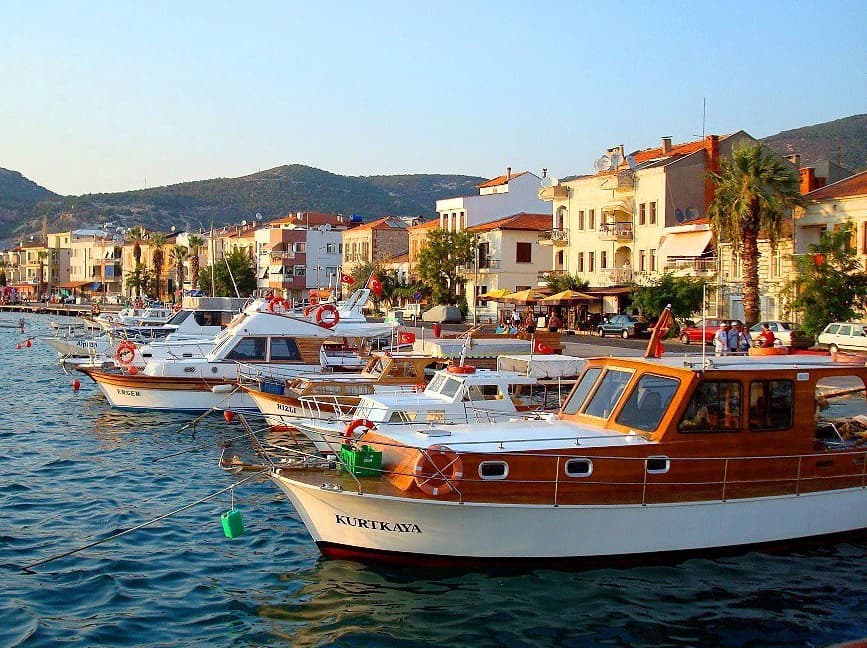 No machine-readable author provided. Foçalı assumed (based on copyright claims). / CC BY-SA 3.0, via Wikimedia Commons
Selbstgeführte Audio-Walking-Tour durch Foça — GPS-Route, Offline-Wiedergabe, erzählerische Narration in 32 Sprachen.
“Wo antike Echos auf die ägäische Brise treffen.”
Nicht die Postkarten. Die Geschichten, die selbst Einheimische nicht kennen – dir ins Ohr geflüstert, genau dort, wo sie geschahen.
Es gibt eine lokale Legende über einen schwarzen Stein, schwer fassbar und in Foça gemunkelt.
Die antiken Bewohner von Foça waren Meisterseefahrer, hinterließen aber eine überraschende Anzahl von Siedlungen weit weg von zu Hause.
Das epische Gedicht der Odyssee von Homer könnte von einem bestimmten, fesselnden Ort in der Nähe von Foça inspiriert worden sein.
Entdecke jedes Geheimnis von Foça
Jede Adresse, jede Enthüllung vollständig – in deinem Ohr, genau dort, wo es geschah.
Du wählst deine Stationen. Du gehst. Die Stimme enthüllt, was andere übersehen.


Deine selbstgeführte Audio-Tour durch Foça ist bereit – wähle deine Sehenswürdigkeiten, deine Sprache und starte, sobald du ankommst.
KaufenLume enthält einen integrierten Augmented-Reality-Guide. Halten Sie Ihr Handy hoch: Die Kamera zeigt die Straße vor Ihnen, mit einem leuchtenden Pfeil über dem echten Bild, der immer auf Ihren nächsten Stopp zeigt — keine Karte zum Rätseln, keine falschen Abzweigungen. Wie alles bei Lume funktioniert es komplett offline.
Foça, oft als Eski Foça (Alt-Foça) bezeichnet, um es von der neueren Siedlung Yeni Foça zu unterscheiden, ist eine bezaubernde Küstenstadt an der türkischen Ägäisküste, etwa 70 Kilometer nordwestlich von Izmir. Es ist ein Ort, an dem antike Geschichte auf eine entspannte Atmosphäre am Meer trifft und eine ruhige Flucht aus dem geschäftigen Stadtleben bietet. Die Stadt erstreckt sich über zwei Buchten, bekannt als Küçükdeniz (Kleines Meer) und Büyükdeniz (Großes Meer), und bildet eine Halbmondform.
Foças Reiz liegt in seinem gut erhaltenen architektonischen Erbe mit alten Steinhäusern im griechischen Stil und lebhaften Holzläden, die schmale Fußgängerwege säumen. Diese malerischen Pfade führen zu einem funktionierenden Hafen, wo Fischerboote sanft schaukeln und der Duft des Meeres die Luft erfüllt. Foça wurde auch als Cittaslow (langsame Stadt) anerkannt, was sein Engagement für die Bewahrung einer ruhigen und authentischen Lebensweise widerspiegelt. Es ist ein Reiseziel, das Besucher einlädt, langsamer zu werden, seine tiefe Vergangenheit zu erkunden und die einfachen Freuden der Ägäis zu genießen.
Die Stadt ist ein geschütztes Naturgebiet, mit Bemühungen, sowohl ihr architektonisches Erbe als auch ihre einzigartige natürliche Umgebung, einschließlich ihrer kristallklaren Buchten und Strände mit Blauer Flagge, zu bewahren. Foça ist auch berühmt mit den gefährdeten Mönchsrobben verbunden, die die felsigen Buchten rund um die Stadt zu ihrer Heimat gewählt haben und zu einem Symbol der Region geworden sind.
Foças Geschichte reicht bis in die Antike zurück, mit seinen Ursprüngen als antike griechische Stadt Phokäa, gegründet um das 9. Jahrhundert v. Chr. Sie stieg schnell zu einer bedeutenden Seemacht auf und gründete zahlreiche Kolonien im gesamten Mittelmeerraum, darunter die bedeutende Stadt Marseille in Frankreich. Der Name der Stadt selbst leitet sich vermutlich von den Mönchsrobben (phoca) ab, die ihre Küsten bewohnten.
### Ionischer Einfluss und frühe Siedlungen Vor den Ioniern deuten Hinweise darauf hin, dass hier bereits im zweiten Jahrtausend v. Chr. eine befestigte Stadt existierte. Phokäa wurde zu einer wichtigen Siedlung innerhalb des Ionischen Bundes, einer Konföderation von zwölf griechischen Stadtstaaten, und spielte eine entscheidende Rolle in der regionalen Politik und Kultur. Die Stadt war im 6. Jahrhundert v. Chr. ein Zentrum für philosophische, architektonische und skulpturale Fortschritte.
### Persische, Byzantinische und Genuesische Epochen Im Jahr 546 v. Chr. fiel Phokäa an persische Truppen. Ausgrabungen in Foça haben ein persisches Mausoleum freigelegt, ein seltenes Beispiel persischer Architektur in Anatolien, das als Denkmal für Kommandeure der achämenidisch-persischen Armee gilt. Die Stadt wurde später während des frühen christlichen Byzantinischen Reiches zu einem Bischofssitz. Im 13. Jahrhundert übernahmen die Genuesen die Kontrolle über Phokäa als Lehen vom byzantinischen Kaiser und nutzten die reichen Alaunvorkommen der Region und unterhielten einen dynamischen Hafen.
### Osmanische Eroberung und Neuzeit Foça wurde schließlich 1455 unter Sultan Mehmed II. Teil des Osmanischen Reiches. Die Stadtmauern, die während der byzantinischen und genuesischen Herrschaft repariert worden waren, wurden in der osmanischen Zeit weiter verstärkt. Im späten 19. und frühen 20. Jahrhundert erlebte die Stadt erhebliche Binnenmigration, insbesondere von den Ägäisinseln. Heute ist Foça weiterhin ein wichtiges archäologisches Zentrum mit laufenden Ausgrabungen seit 1953, die Theater aus der hellenistischen Zeit, den Tempel der Athene und das Hafenheiligtum freilegen.
Beginnen Sie Ihre Erkundung in Eski Foça (Alt-Foça), dem historischen Kern der Stadt. Schlendern Sie durch die Fußgängerzonen mit Steinstraßen und bewundern Sie die charakteristischen Steinhäuser mit ihren bunten Holzläden, die eine vergangene Ära heraufbeschwören. Die Küste und der Hafen von Alt-Foça bieten eine charmante Promenade, wo Sie Fischerboote beobachten, Meerblicke genießen und in Restaurants am Wasser speisen können.
Auf der Landzunge thront das Fünf-Tore-Schloss (Beşkapılar Kalesi), eine antike Festung mit Ruinen von Mauern und Türmen, die einen weiten Blick auf die Ägäis bieten. In der Nähe können Sie das kleine Maritime Museum (Foça Denizcilik Müzesi) besuchen, um Einblicke in die Seefahrergeschichte der Stadt zu erhalten. Für Archäologie-Enthusiasten haben die laufenden Ausgrabungen bedeutende Stätten freigelegt, darunter den Tempel der Athene, ein ionisches Heiligtum aus dem 6. Jahrhundert v. Chr., und das Hafenheiligtum.
Etwas außerhalb der Stadt, etwa 7 km östlich an der Straße von Foça nach Izmir, steht das Persische Mausoleum, auch bekannt als Steinturm (Taşkule). Dieses zweistöckige Denkmal aus der Zeit um 546 v. Chr. ist ein einzigartiges Beispiel lykisch-lydischer Bauweise mit persischem Einfluss in Ionien. Auf dem Windmühlenhügel finden Sie drei historische Windmühlen, eine davon restauriert, die ein rustikales Ambiente und weite Ausblicke bieten, sowie über hundert Nischen, die als Altäre für Kybele, die antike anatolische Erdmuttergöttin, gemeißelt sind.
Foça genießt ein mediterranes Klima mit heißen, trockenen Sommern und milden, feuchten Wintern. Die angenehmsten Besuchszeiten sind Frühling (April bis Juni) und Frühherbst (September bis Oktober), wenn die Temperaturen zwischen 15°C und 25°C liegen, ideal zum Erkunden ohne die intensive Sommerhitze. Im Sommer, besonders im Juli und August, steigen die Temperaturen oft über 30°C, was Aktivitäten am Mittag erschwert, aber perfekt für Strand- und Wasseraktivitäten ist. Die Winter sind mild, mit Temperaturen um 8°C, oft feucht und kühl, was es für Outdoor-Aktivitäten weniger ideal macht.
Die Anreise nach Foça ist unkompliziert. Wenn Sie international anreisen, fliegen Sie zum Flughafen Izmir Adnan Menderes (ADB), der etwa 55 km entfernt liegt. Von Izmir erreichen Sie Foça in etwa 90 Minuten mit dem Auto über die Autobahn D550 oder mit häufigen Busverbindungen vom Hauptbusbahnhof (Otogar), was 1,5 bis 2 Stunden dauert. Eine weitere Möglichkeit ist die S-Bahn Izban in Richtung Aliaga, aussteigen an der Station Hatundere und dann in einen lokalen Bus (Nummer 744) nach Foça umsteigen.
Innerhalb von Foça ist das Altstadtzentrum kompakt und am besten zu Fuß zu erkunden, wobei steingepflasterte Straßen und Meerblicke die Wanderer belohnen. Lokale Dolmuş (Sammeltaxis) verkehren häufig zwischen dem Zentrum und nahegelegenen Vierteln oder Stränden, von etwa 7:00 Uhr bis Sonnenuntergang, und kosten wenige türkische Lira. Obwohl Kreditkarten weitgehend akzeptiert werden, ist es ratsam, etwas Türkische Lira für kleinere Einkäufe und den lokalen Transport mitzuführen. Die Unterkunftsoptionen reichen von gemütlichen Familienpensionen über Apartmenthotels bis hin zu komfortableren Hotels im Resort-Stil, wobei viele Touristen Bereiche in der Nähe der Promenade und des historischen Zentrums bevorzugen.
Foça — Koreanisch, Chinesisch, Hebräisch und 29 weitere Sprachen, jede Station von einer muttersprachlichen Stimme erzählt. Die größte Sprachauswahl aller selbstgeführten Audiotouren.
Verfügbar auf: