Castillo de Fontainebleau
Una cama encargada para María Antonieta se encuentra en el Castillo, pero ella nunca durmió en ella.
La historia completa se desbloquea en el tour
 Nyyynon / CC BY-SA 4.0, via Wikimedia Commons
Tour de audio autoguiado de Fontainebleau — ruta GPS a pie, reproducción offline, narración en 32 idiomas.
“Donde siglos de poder francés e innovación artística se entrelazan.”
No las postales. Las historias que ni los locales conocen — al oído, justo donde ocurrieron.
Una cama encargada para María Antonieta se encuentra en el Castillo, pero ella nunca durmió en ella.
El sereno bosque esconde una parada de tren secreta y no oficial, accesible solo los fines de semana y días festivos.
Napoleón Bonaparte intentó una vez quitarse la vida dentro de los muros del Castillo.
Descubre todos los secretos de Fontainebleau
Cada dirección, cada revelación al completo — a tu oído, justo donde ocurrió.
Eliges tus paradas. Caminas. La voz te revela lo que los demás ignoran.
Tu tour de audioguía por Fontainebleau te espera — elige tus lugares, tu idioma y empieza al llegar.
ComprarLume incluye una guía de realidad aumentada. Levanta el móvil y su cámara muestra la calle que tienes delante, con una flecha luminosa sobre la imagen real que siempre apunta a tu próxima parada — sin mapas que descifrar, sin giros equivocados. Como todo en Lume, funciona completamente sin conexión.
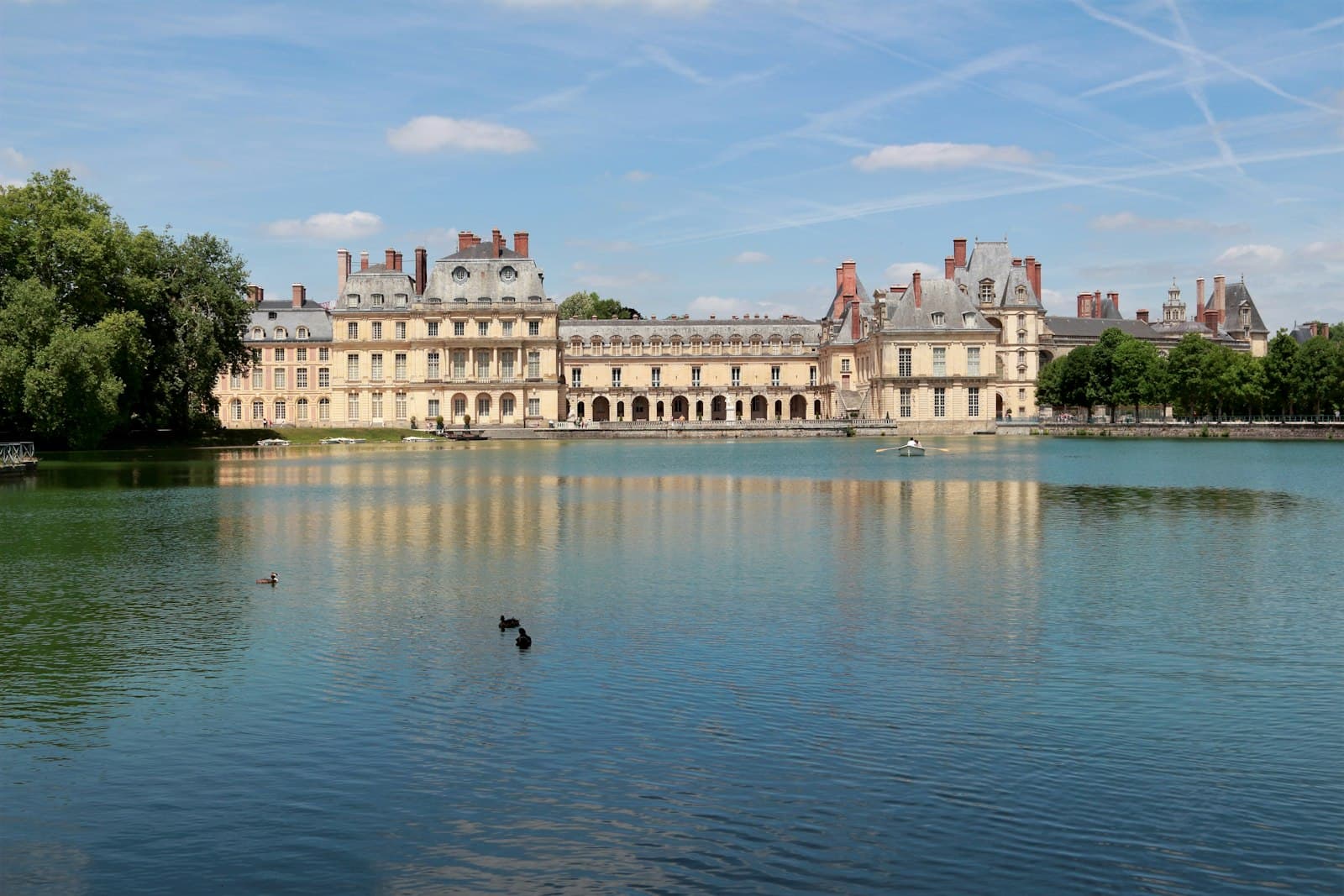
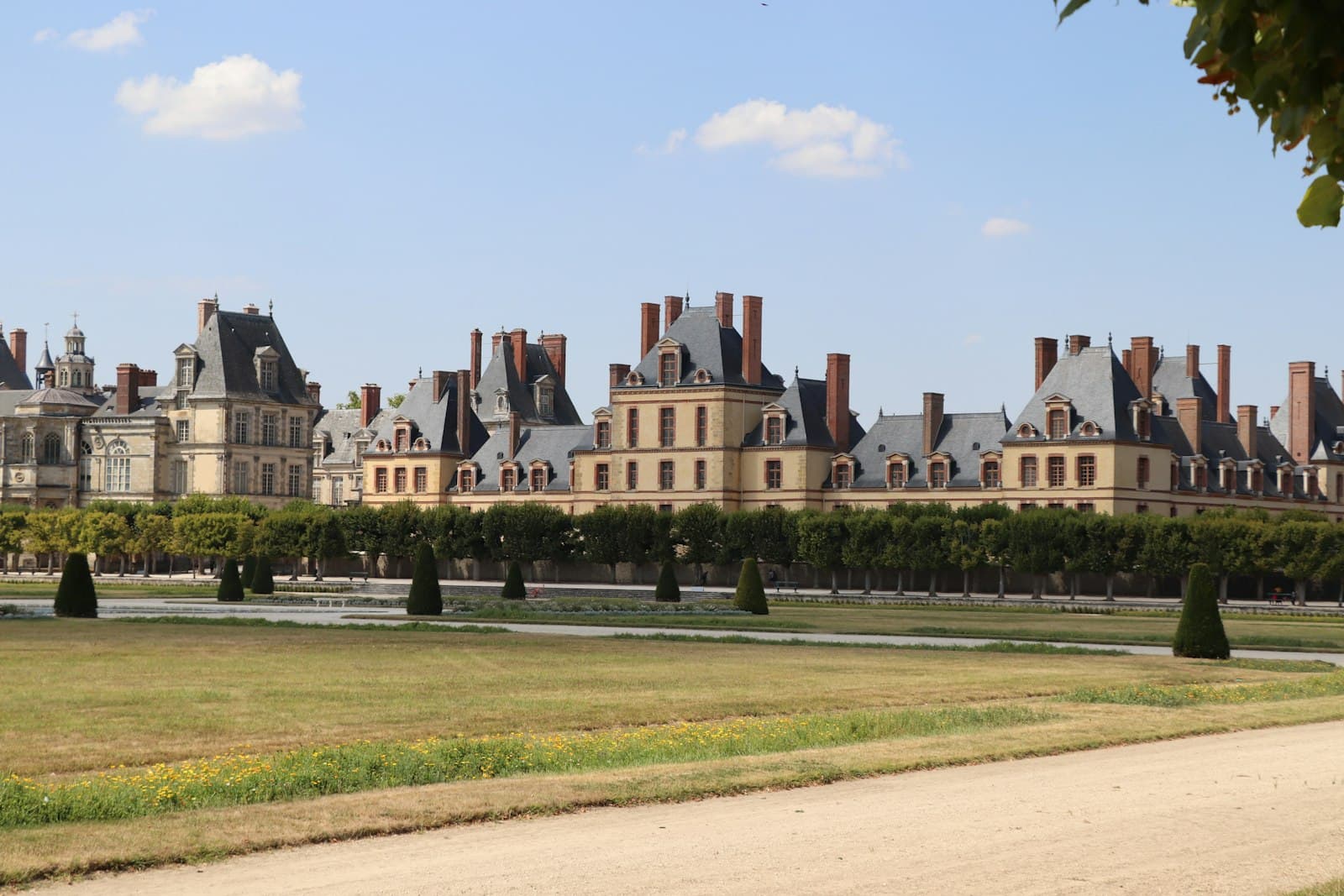
Fontainebleau, una ciudad a 65 kilómetros (40 millas) al sureste de París, ofrece una cautivadora mezcla de historia real y esplendor natural. En su corazón se alza el Castillo de Fontainebleau, un sitio declarado Patrimonio de la Humanidad por la UNESCO que sirvió como residencia favorita de monarcas y emperadores franceses durante más de ocho siglos. A diferencia de Versalles, que refleja en gran medida la visión de un solo rey, Fontainebleau lleva las huellas arquitectónicas y artísticas de 34 reyes y dos emperadores, invitando a los visitantes a un viaje único a través de la historia francesa desde el siglo XII hasta el XIX.
Más allá del gran palacio, Fontainebleau es reconocida por su extenso bosque, un vasto y antiguo bosque que cubre más de 25,000 hectáreas. Este bosque, que alguna vez fue un coto de caza real, ahora atrae a excursionistas, escaladores y entusiastas de la naturaleza con sus variados paisajes de afloramientos rocosos, zonas arenosas y árboles centenarios. La ciudad en sí, aunque más pequeña que su grandioso castillo, ofrece una atmósfera atractiva, con tradiciones gastronómicas y un legado artístico que inspiró a la Escuela de Barbizon de pintores.
Los orígenes de Fontainebleau se remontan al siglo XII como un pabellón de caza real, un modesto refugio para reyes como Luis VII para escapar de las presiones de París y cazar jabalíes y ciervos en el bosque circundante. Luis IX, conocido como San Luis, tenía a Fontainebleau en alta estima, refiriéndose a ella como "su desierto", y la amplió para incluir una casa de campo, una capilla consagrada por Thomas Becket en 1169, e incluso un hospital. Felipe IV, "el Hermoso", nació y murió dentro de sus muros medievales, marcando el palacio como un sitio de importantes eventos reales incluso en su forma temprana.
La verdadera transformación comenzó en 1528 bajo Francisco I, quien, inspirado por el Renacimiento italiano, encargó una reconstrucción completa del palacio medieval. Trajo a Fontainebleau a renombrados artistas italianos como Rosso Fiorentino y Francesco Primaticcio, estableciendo la Primera Escuela de Fontainebleau. Estos artistas introdujeron frescos manieristas, elaboradas decoraciones de estuco y una mezcla de tradiciones artísticas italianas y francesas que influyeron profundamente en el arte europeo. El palacio se convirtió en un reflejo del poder de Francisco I y su amor por el arte, incluso se dice que albergó la Mona Lisa sobre su bañera en algún momento.
Sucesivos monarcas continuaron dando forma a Fontainebleau. Enrique IV revivió su esplendor, y el nacimiento de Luis XIII allí solidificó su papel como la cuna de la dinastía Borbón. Luis XIV, aunque conocido por Versalles, también disfrutaba de Fontainebleau, alimentando las carpas gigantes en su estanque. Luis XVI y María Antonieta crearon espacios personales y encantadores dentro del palacio, buscando un respiro de las formalidades de la vida cortesana.
Después de la Revolución Francesa, Napoleón I encontró el palacio despojado de sus muebles pero estructuralmente intacto. Emprendió extensas renovaciones, reamueblándolo en solo 19 días para convertirlo en una residencia imperial y un símbolo de su poder. Fue en Fontainebleau donde el Papa Pío VII fue mantenido cautivo, y donde Napoleón abdicó dramáticamente en 1814 antes de su exilio a Elba. El palacio siguió siendo favorecido por Napoleón III, quien fue bautizado allí, y supervisó nuevas restauraciones y redecoraciones, incluida la transformación de la Galería de Diana en una biblioteca. Esta evolución continua a lo largo de los siglos hace de Fontainebleau una crónica única de la historia francesa y el gusto real.
Alrededor del castillo se encuentra el antiguo Bosque de Fontainebleau, una vasta extensión que ha desempeñado un papel significativo en la historia y la cultura francesas. Originalmente un coto de caza real desde el siglo XI, era donde los reyes perseguían animales como jabalíes y ciervos. Los paisajes únicos del bosque, caracterizados por rocas de arenisca, brezales abiertos y diversas especies de árboles como robles, hayas y pinos, han atraído a visitantes durante mucho tiempo.
En el siglo XIX, el bosque se convirtió en un sitio crucial para una revolución artística. Pintores de la Escuela de Barbizon, incluidos Jean-François Millet y Théodore Rousseau, abandonaron sus estudios para pintar directamente de la naturaleza, convirtiéndose en precursores del Impresionismo. Claude Monet también encontró inspiración aquí, pintando su famoso Déjeuner sur l'Herbe en Chailly-en-Bière, un pueblo al borde del bosque. Hoy en día, el Bosque de Fontainebleau es una Reserva de la Biosfera Mundial de la UNESCO, que ofrece más de 300 kilómetros de senderos marcados para practicar senderismo, así como sitios reconocidos para la escalada en roca y el búlder que atraen a entusiastas de todo el mundo.
El Castillo de Fontainebleau es la atracción principal, ofreciendo un viaje a través de siglos de vida real e imperial francesa. Comience en el Patio de Honor (Cour d'Honneur), famoso por su Escalera de Herradura, donde Napoleón I se despidió de su Vieja Guardia. En el interior, explore los apartamentos de Napoleón I, incluyendo su dormitorio y la única Sala del Trono conservada en Francia, adornada con emblemas imperiales. No se pierda la Galería de Francisco I, una obra maestra de la Primera Escuela de Fontainebleau, que exhibe elaborados frescos y trabajos de estuco de artistas manieristas italianos. El Salón de Baile, con sus lujosas pinturas de Nicolo dell'Abate, refleja la grandeza de Enrique II y Catalina de Médici. La Galería de Diana, transformada en biblioteca bajo Napoleón III, también ofrece un vistazo a diferentes épocas.
Más allá de los muros del palacio, el Bosque de Fontainebleau ofrece un escape natural. Explore su extensa red de rutas de senderismo o observe a los escaladores enfrentarse a las célebres rocas de arenisca. Considere una visita a Barbizon, el pueblo que nutrió a la Escuela de Barbizon de pintores preimpresionistas, ofreciendo una visión de su legado artístico.
Las épocas ideales para visitar Fontainebleau son durante la primavera (abril a junio) y el otoño (septiembre a octubre). Durante estas estaciones, el clima es templado y agradable, con temperaturas promedio que oscilan entre 10°C y 20°C (50-68°F) en primavera y 11°C a 22°C (52-72°F) en septiembre. Esto permite una exploración cómoda tanto del castillo como del bosque, con menos multitudes que en los meses pico de verano. El otoño también trae un follaje brillante al bosque. Si bien el verano (julio y agosto) ofrece un clima cálido y soleado perfecto para actividades al aire libre, también atrae a más multitudes. El invierno (diciembre a marzo) es más tranquilo y económico, con posibles nevadas que añaden una cualidad pintoresca, aunque las temperaturas son más frías, con un promedio de 0°C a 8°C (32-46°F).
Fontainebleau es fácilmente accesible desde París, ubicada a unos 55 a 65 kilómetros (34 a 40 millas) al sur-sureste de la ciudad. Los trenes directos desde París Gare de Lyon a Fontainebleau-Avon tardan aproximadamente 40 minutos. Desde la estación de Fontainebleau-Avon, el autobús local 3401 circula con frecuencia hasta el Castillo/Place Bonaparte, un trayecto de 15-20 minutos. Si conduce, siga las señales hacia Lyon y la A6 desde París.
El Castillo de Fontainebleau está abierto todos los días excepto los martes, 1 de enero, 1 de mayo y 25 de diciembre. El horario de apertura es generalmente de 9:30 AM a 6:00 PM de abril a septiembre, y de 9:30 AM a 5:00 PM de octubre a marzo. La entrada a los patios y jardines es gratuita y están abiertos todos los días, aunque algunos jardines cierran antes. Permita al menos dos horas para una visita autoguiada del castillo. Hay visitas guiadas disponibles, y los visitantes con entradas para visitas guiadas a menudo reciben una tarifa de admisión reducida. La entrada gratuita al castillo se ofrece el primer domingo de cada mes, excluyendo julio y agosto, y durante ciertos eventos nacionales. Se permite la fotografía en los patios, jardines y espacios interiores.
Fontainebleau en coreano, en chino o en hebreo — y 29 idiomas más, cada parada narrada por una voz nativa. La mayor variedad de idiomas de cualquier audioguía autoguiada.
Disponible en: