Fort Wayne, United StatesMomoneymoproblemz / CC0, via Wikimedia Commons
US

Fort Wayne

Self-guided audio walking tour of Fort Wayne — GPS route, offline playback, story-driven narration in 32 languages.

Where three rivers converge, stories flow.

The secrets of Fort Wayne

Fort Wayne, as no one tells it.

Not the postcards. The stories even locals don't know — whispered in your ear, right where they happened.

3 secrets below. Many more wait inside the tour.
Johnny Appleseed Park

The legendary Johnny Appleseed, known for scattering apple seeds across the American frontier, has a gravesite in Fort Wayne. Yet, the precise location of his final rest remains a subject of ongoing debate.

Full story unlocks in the tour
Lincoln Tower

Fort Wayne's Lincoln Tower, a prominent downtown skyscraper, is said to house more than just businesses.

Full story unlocks in the tour
The Lincoln Collection at the Allen County Public Library

Fort Wayne once held one of the world's most extensive privately owned collections of Abraham Lincoln artifacts. Though the museum itself has closed, a significant portion of its treasures remains within the city.

Full story unlocks in the tour
The full tour

Discover every secret of Fort Wayne

Every address, every reveal in full — in your ear, right where it happened.

Get the key to Fort Wayne

You pick your stops. You walk. The voice reveals what the others miss.

Fort Wayne — a body of water with trees around it
Photo: Greg Byman / Unsplash
Fort Wayne — A fighter jet flying through a cloudy blue sky
Photo: David Syphers / Unsplash
Fort Wayne — A fighter jet flying through a blue sky
Photo: David Syphers / Unsplash
Choose your time

How long do you have in Fort Wayne?

Your self-guided audio tour of Fort Wayne is ready — pick your landmarks, choose your language, and start the moment you arrive.

Buy
About Fort Wayne

The story of Fort Wayne

Fort Wayne, Indiana, is a city where three rivers—the St. Joseph, St. Marys, and Maumee—converge, shaping its geography and character. As Indiana's second-most populous city, it functions as a cultural and economic center for the northeastern part of the state. Known as 'Summit City' because it marked the highest point along the historic Wabash and Erie Canal, Fort Wayne offers a blend of historical depth and contemporary energy.

The city's welcoming atmosphere is often described as possessing a 'big city, small-town feel,' where Midwestern courtesy still flourishes. Fort Wayne is recognized for its affordability, with a cost of living that sits below the national average, particularly in housing. This makes it an appealing destination for both visitors and those considering a move, offering a community with a strong sense of local pride.

History

A Confluence of Cultures and Commerce

Fort Wayne's origins stretch back thousands of years to the indigenous peoples who inhabited the meeting point of the St. Joseph, St. Marys, and Maumee rivers. The Miami tribe established their capital, Kekionga, at this strategic location in the late 1690s. European presence began around 1706 with the French trading post, Fort Miami.

The modern city of Fort Wayne was established in 1794 by the United States Army under General Anthony Wayne, following the Battle of Fallen Timbers. The fort, named in his honor, was the last in a series of fortifications constructed in the area. The settlement was platted in 1823 and officially incorporated as the City of Fort Wayne in 1840.

The Canal Era and Industrial Growth

The 1830s marked a significant period with the construction of the Wabash and Erie Canal. This vital waterway earned Fort Wayne its enduring nickname, 'Summit City,' as it sat at the highest elevation along the canal's route. The canal fostered growth, but its prominence was brief with the arrival of the Pittsburgh, Fort Wayne and Chicago Railway in 1854, which quickly rendered the canal obsolete.

Fort Wayne swiftly transformed into a manufacturing center, attracting various industries, including breweries, magnet wire production, and major companies like International Harvester and General Electric. During the Civil War, Fort Wayne served as a principal camp of instruction for Michigan volunteer infantry and artillery troops. Notably, it was also where Franklin Thompson, actually Sarah Edmonds disguised as a man, served for over two years.

Modern Milestones and Revitalization

In the 1870s, the Chicago Times controversially labeled Fort Wayne as 'the most lawless town in Indiana.' The city's commitment to public safety and infrastructure was evident when the new city hall, constructed in 1893, housed the city's jail in its basement. Today, this historic building is home to The History Center.

Fort Wayne has also played a role in sports history, being credited as the birthplace of the NBA when Fort Wayne Pistons owner Fred Zollner brokered the merger of the BAA and NBL in 1949. The city continues to evolve, with ongoing revitalization efforts, particularly along its riverfront, exemplified by projects like Promenade Park.

What to see

Fort Wayne offers a diverse array of attractions for all interests. For families, the Fort Wayne Children's Zoo is an essential visit, consistently ranked among the nation's best, featuring over 1,000 animals across four distinct geographic regions. Science Central provides hands-on educational experiences with over 200 exhibits and a two-story slide. Outdoor enthusiasts can explore the extensive Rivergreenway Trail Network, offering over 25 miles of scenic paths for biking, jogging, and walking along the city's rivers.

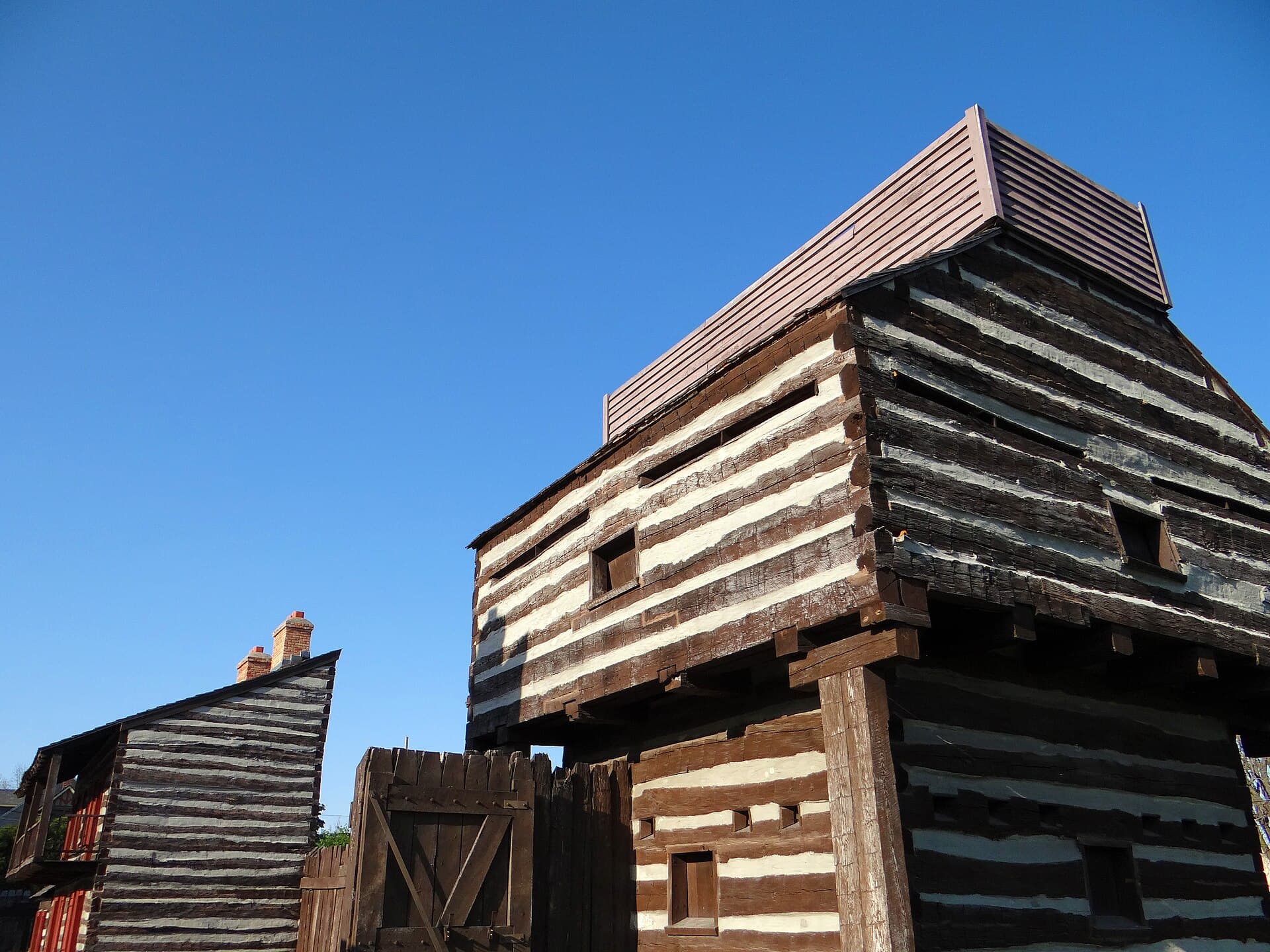
Downtown Fort Wayne has undergone significant revitalization, with Promenade Park serving as a lively center for recreation and connecting visitors to the rivers. The Foellinger-Freimann Botanical Conservatory offers an urban oasis with indoor and outdoor gardens, including a tropical garden with a waterfall. Those interested in history can step back in time at Historic Fort Wayne, a replica of the 19th-century frontier post. The Embassy Theatre, a historic venue, displays striking architecture and a variety of performances. For a distinctive shopping experience, explore the boutiques on The Landing or Wayne Street, or discover over 150,000 titles at Hyde Brothers Booksellers, an old-school bookstore with rolling ladders.

When to visit

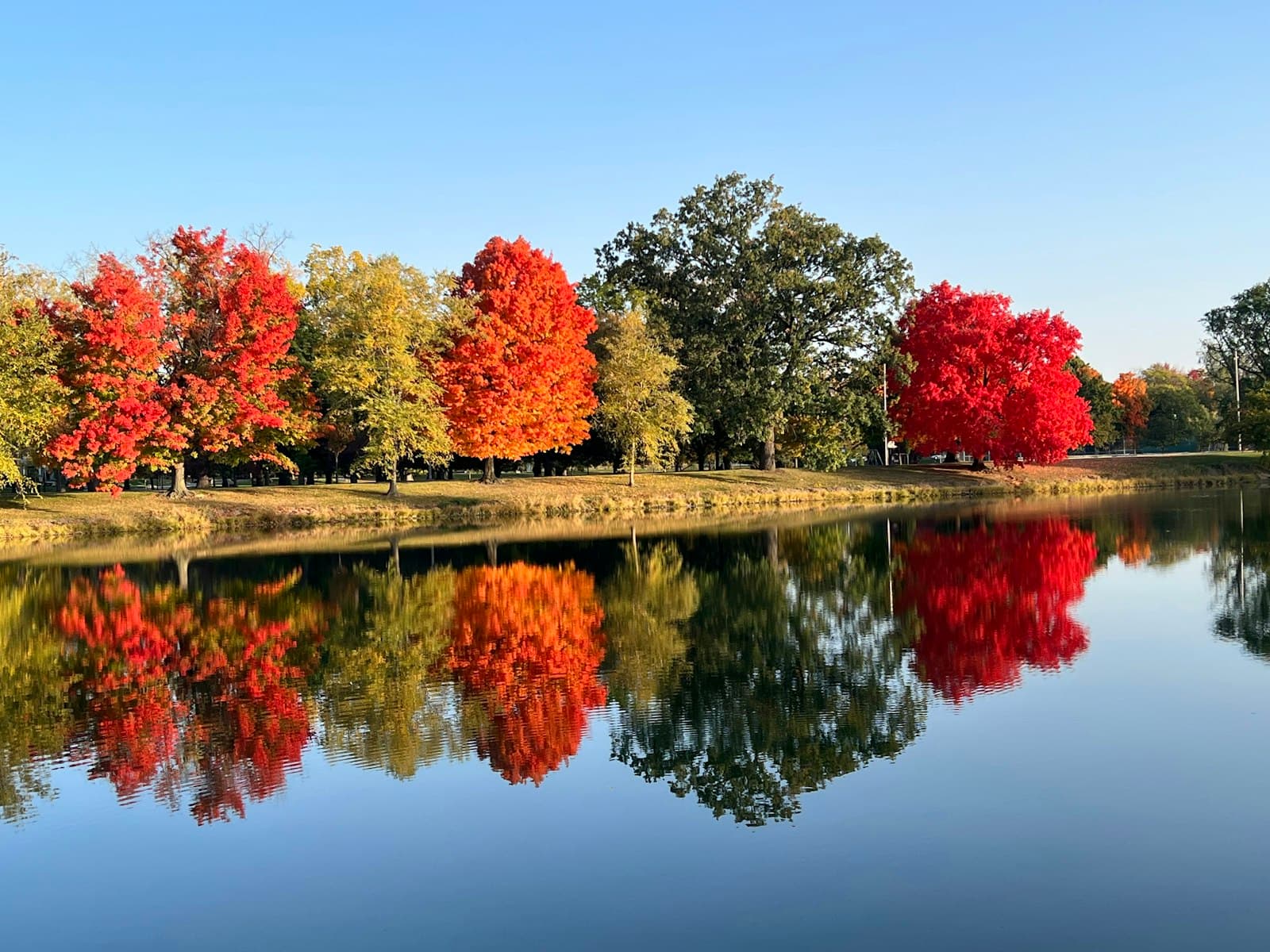
The most pleasant time to visit Fort Wayne for warm-weather activities is from mid-June to mid-September. During these months, temperatures are mild and comfortable, with average highs around 83°F (28°C) in July. Late spring and early fall also offer agreeable conditions, with spring bringing blooming flowers and fall showcasing colorful foliage. While rain is more frequent in spring and early summer, these seasons are ideal for outdoor festivals and exploring the city's parks.

Practical

Fort Wayne is readily accessible by car, situated just 18 miles west of the Ohio border and 50 miles south of the Michigan border. Parking downtown is available, and a downtown parking map can be found online. For general inquiries or to report non-emergency issues, the city's 311 service, 'One Call to City Hall,' is available. When parking on public streets, be aware of local regulations, such as not parking for more than 24 consecutive hours (excluding weekends/holidays) and maintaining a 15-foot distance from mailboxes or fire hydrants. On-street parking in residential areas is generally public property, and vehicles must be on a paved driveway or approved surface, not on grass. Visitors can request a complimentary Visitors Guide by mail or book a virtual appointment with a Visitor Services Specialist for personalized assistance.

Good to know
What is Fort Wayne recognized for?
Fort Wayne is recognized for its three rivers (St. Joseph, St. Marys, and Maumee), its expansive Rivergreenway Trail Network, the acclaimed Fort Wayne Children's Zoo, and its lively festival scene.
What is the most agreeable time of year to visit Fort Wayne?
The most agreeable time to visit Fort Wayne for warm-weather activities is from mid-June to mid-September, when temperatures are mild and pleasant.
Are there many outdoor activities in Fort Wayne?
Yes, Fort Wayne offers numerous outdoor activities, including over 90 miles of trails for biking and hiking, 86 public parks, and opportunities for kayaking and sailing at Hurshtown Reservoir.
Where can I find distinctive shopping in Fort Wayne?
For distinctive finds, explore the boutiques on The Landing or Wayne Street, visit Hyde Brothers Booksellers for a vast selection of books, or browse artisan goods at the Paradigm Gallery at the Fort Wayne Museum of Art.
What is the cost of living like in Fort Wayne?
Fort Wayne has a low cost of living, with prices for homes, healthcare, and other necessities being approximately 78.9% of the national average.
Is Fort Wayne a family-friendly city?
Yes, Fort Wayne is considered very family-friendly, with attractions like the Fort Wayne Children's Zoo, Science Central, and numerous parks and trails.
On the map
Fort Wayne
From€9.90
No booking · activate anytime · 12h to walk it
Get the key to Fort Wayne