The Carter House
Stellen Sie sich eine Familie vor, die sich in ihrem Keller versteckt, während draußen eine Schlacht tobt und ihr Zuhause zum Opfer des Krieges wird.
Die ganze Geschichte wird in der Tour freigeschaltet
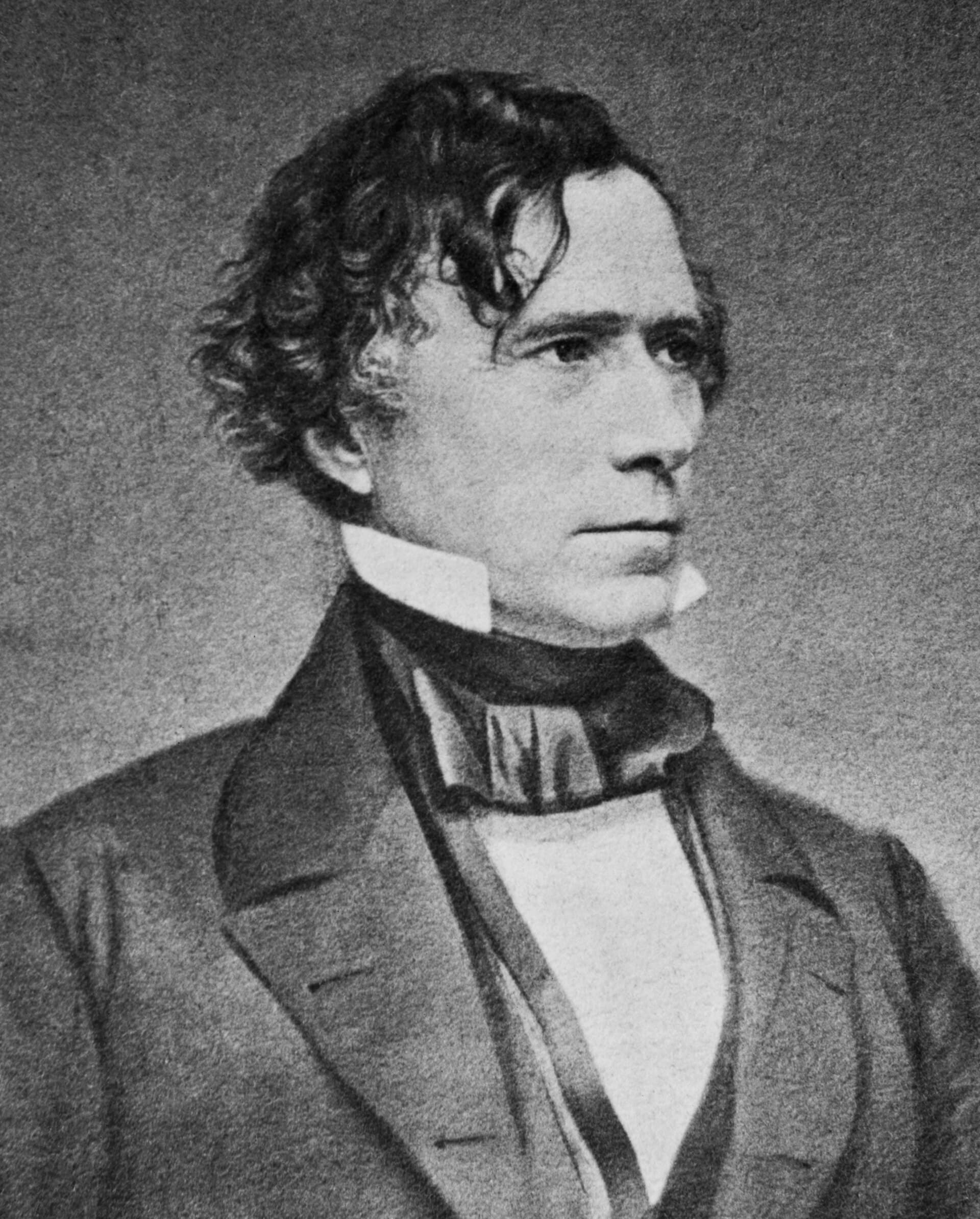 Mathew Benjamin Brady / Adam Cuerden / public domain, via Wikimedia Commons
Selbstgeführte Audio-Walking-Tour durch Franklin — GPS-Route, Offline-Wiedergabe, erzählerische Narration in 32 Sprachen.
“Wo die Echos der Geschichte auf den Charme des Südens treffen.”
Nicht die Postkarten. Die Geschichten, die selbst Einheimische nicht kennen – dir ins Ohr geflüstert, genau dort, wo sie geschahen.
Stellen Sie sich eine Familie vor, die sich in ihrem Keller versteckt, während draußen eine Schlacht tobt und ihr Zuhause zum Opfer des Krieges wird.
Bevor Klimaanlagen üblich waren, sorgte ein Franklin-Gebäude mit einer überraschenden modernen Annehmlichkeit für Schlagzeilen.
Schon der Name Franklin hätte fast eine ganz andere Person geehrt.
Entdecke jedes Geheimnis von Franklin
Jede Adresse, jede Enthüllung vollständig – in deinem Ohr, genau dort, wo es geschah.
Du wählst deine Stationen. Du gehst. Die Stimme enthüllt, was andere übersehen.

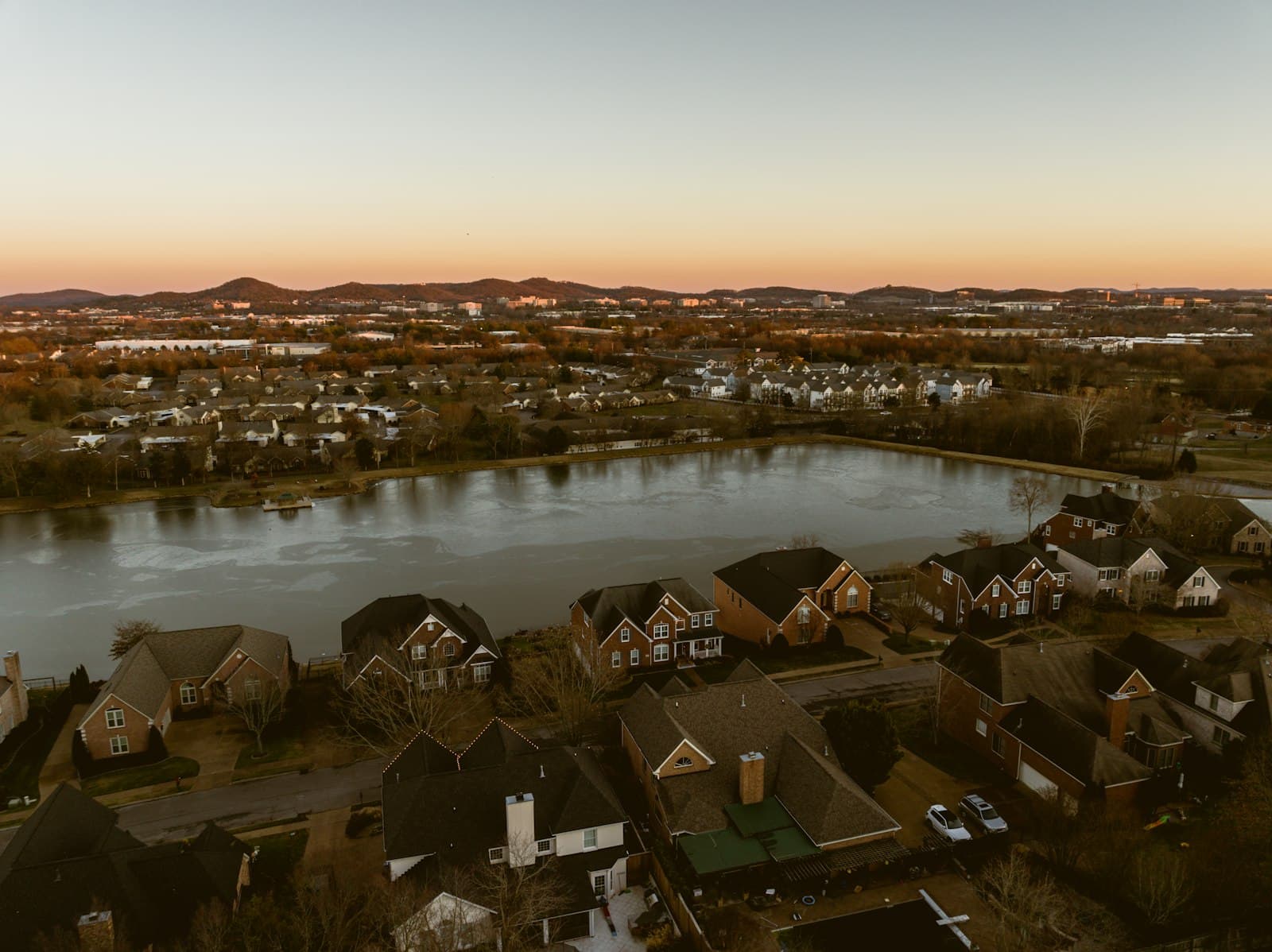

Deine selbstgeführte Audio-Tour durch Franklin ist bereit – wähle deine Sehenswürdigkeiten, deine Sprache und starte, sobald du ankommst.
KaufenLume enthält einen integrierten Augmented-Reality-Guide. Halten Sie Ihr Handy hoch: Die Kamera zeigt die Straße vor Ihnen, mit einem leuchtenden Pfeil über dem echten Bild, der immer auf Ihren nächsten Stopp zeigt — keine Karte zum Rätseln, keine falschen Abzweigungen. Wie alles bei Lume funktioniert es komplett offline.
Franklin, Tennessee, eine Stadt etwa 34 Kilometer südlich von Nashville, bietet eine unverwechselbare Mischung aus historischer Tiefe und zeitgenössischem südstaatlichem Charme. Gegründet 1799 und benannt nach Benjamin Franklin, hat sich die Stadt von einem ruhigen Agrarknotenpunkt zu einer blühenden Gemeinde entwickelt, die für ihren erhaltenen historischen Stadtkern mit 16 Blocks bekannt ist. Dieses Gebiet, das im National Register of Historic Places aufgeführt ist, zeichnet sich durch Ziegelsteinstraßen und eine Sammlung viktorianischer Gebäude aus, die zur Erkundung einladen.
Franklin ist ein Ort, an dem die Vergangenheit nicht nur erinnert, sondern aktiv geehrt wird, insbesondere seine entscheidende Rolle im Amerikanischen Bürgerkrieg. Über seine historische Bedeutung hinaus hat sich Franklin zu einem florierenden Wohn- und Geschäftszentrum entwickelt, das für seine einzigartigen Geschäfte, vielfältige Gastronomie und ein starkes Gemeinschaftsgefühl gefeiert wird. Es erhält durchweg Auszeichnungen, darunter die Ernennung zu einer "Great American Main Street" und einer der "America's Favorite Towns". Diese Stadt bietet eine Fülle von Erlebnissen, vom Eintauchen in die Geschichte des Bürgerkriegs bis hin zum Genuss moderner Annehmlichkeiten und lebhafter Festivals.
Franklins Geschichte begann am 26. Oktober 1799, als Abram Maury Jr. die Stadt gründete und sie nach Benjamin Franklin benannte. Die frühe Siedlung, die am Harpeth River lag, wurde schnell zu einem Zentrum für Landwirtschaft und Handel, wobei die Bauern von Nutzpflanzen wie Tabak und Hanf profitierten. Williamson County, mit Franklin als Sitz, war in den Jahren vor dem Bürgerkrieg eines der wohlhabendsten Countys von Tennessee, hauptsächlich aufgrund einer Plantagenwirtschaft, die auf versklavter Arbeit beruhte.
Mitte des 19. Jahrhunderts kam die Eisenbahn, die Franklin weiter mit größeren Märkten verband und seinen Wohlstand steigerte. Dieses Wachstum wurde jedoch durch den Amerikanischen Bürgerkrieg dramatisch unterbrochen.
Am 30. November 1864 fand die Zweite Schlacht von Franklin statt, ein verheerender Konflikt, der fast 10.000 Opfer forderte. In der Schlacht startete die Armee von Tennessee unter dem Kommando des konföderierten Generalleutnants John Bell Hood zahlreiche Frontalangriffe gegen die Unionstruppen, was zu immensen Verlusten für die Konföderation führte und ihre Kampfkraft effektiv lähmte. Die Folgen waren düster; 44 Gebäude in der Stadt wurden in Feldlazarette umgewandelt, und es dauerte 120 Jahre, bis sich die Wirtschaft des Countys auf das Vorkriegsniveau erholte.
Nach dem Bürgerkrieg stand Franklin vor einer langen Erholungsphase. Das späte 20. Jahrhundert markierte jedoch einen bedeutenden Wendepunkt. Seit 1980 hat Franklin eine rasante Entwicklung erfahren und sich zu einem bedeutenden Vorort von Nashville entwickelt. Seine Bevölkerung hat sich mehr als verfünffacht, was es zur siebtbevölkerungsreichsten Stadt in Tennessee und zu einer der am schnellsten wachsenden des Landes macht. Dieses Wachstum ging mit einem starken Engagement für die Erhaltung des historischen Erbes einher. Organisationen wie die Heritage Foundation of Williamson County spielten eine entscheidende Rolle bei der Wiederbelebung der historischen Innenstadt und ernteten damit nationale Anerkennung und Auszeichnungen.
In den letzten Jahren hat sich Franklin auch aktiv mit seiner komplexen Vergangenheit auseinandergesetzt, insbesondere in Bezug auf die Erfahrungen der Afroamerikaner. Das Projekt "Fuller Story" zielt beispielsweise darauf ab, das Leben und die Beiträge von Afroamerikanern anzuerkennen, einschließlich der Aufstellung einer Statue zu Ehren der United States Colored Troops vor dem alten Gerichtsgebäude von Williamson County, einem Ort, der einst einen Sklavenmarkt beherbergte.
Beginnen Sie Ihre Erkundung im historischen Stadtzentrum von Franklin, einem 16 Blocks umfassenden Viertel, das für seine viktorianische Architektur und seine von Ziegeln gesäumten Bürgersteige bekannt ist. Hier finden Sie eine Vielzahl von lokalen Boutiquen, Kunstgalerien und Restaurants. Das Franklin Theatre, ein wunderschön restauriertes Art-déco-Kino aus dem Jahr 1938, beherbergt heute Live-Musik und darstellende Künste in intimer Atmosphäre.
Für einen tiefen Einblick in die Geschichte des Bürgerkriegs besuchen Sie das Carter House und Carnton. Das Carter House, ein Beispiel für die Tennessee Federal-Architektur des frühen 19. Jahrhunderts, weist noch immer Einschusslöcher aus der Schlacht von Franklin auf. Carnton, eine ehemalige Plantage, diente während der Schlacht als Feldlazarett, mit sichtbaren Blutflecken auf den Böden. Beide Stätten bieten Führungen, die bewegende Einblicke in die Auswirkungen der Schlacht geben. Das Lotz House, eine weitere bedeutende historische Stätte, bietet ebenfalls Führungen, die die Erfahrungen der Familie während der Schlacht schildern.
Erkunden Sie neben den Stätten des Bürgerkriegs auch The Factory at Franklin, eine ehemalige Ofenfabrik aus dem Jahr 1929, die zu einem dynamischen Zentrum für Kunsthandwerkerläden, Restaurants und Veranstaltungsorte umfunktioniert wurde. Für Outdoor-Erlebnisse bietet der Pinkerton Park Wanderwege und Spielplätze, die durch die Fußgängerbrücke Sue Douglas Berry Memorial mit der Innenstadt verbunden sind. Der Winstead Hill Park bietet Ausblicke auf das Schlachtfeld von Franklin und diente als befehlsgebender Posten der Konföderierten.
Franklin bietet das ganze Jahr über ein angenehmes Erlebnis, wobei jede Jahreszeit ihren eigenen Reiz hat. Für Aktivitäten bei warmem Wetter und Erkundungen im Freien sind die Zeiträume von Mitte Mai bis Ende Juni und Anfang August bis Anfang Oktober ideal, gekennzeichnet durch angenehme Temperaturen und geringe Luftfeuchtigkeit. Der Frühling (April bis Mai) ist besonders reizvoll mit blühenden Blumen, milden Temperaturen und Veranstaltungen wie dem Main Street Festival. Der Herbst (September bis Oktober) bringt wunderschöne Herbstfarben und Gemeinschaftstraditionen wie das Pumpkinfest. Die Sommer (Juni bis August) sind lebhaft mit Live-Musik und Outdoor-Veranstaltungen, obwohl die Temperaturen heiß und feucht sein können. Die Winter (Dezember bis Februar) bieten eine gemütliche, festliche Atmosphäre mit Weihnachtsdekorationen und Veranstaltungen wie Dickens of a Christmas.
Franklin liegt etwa 34 Kilometer südlich von Nashville und ist somit für Tagesausflüge oder längere Aufenthalte gut erreichbar. Die Innenstadt ist sehr gut zu Fuß erkundbar, mit vielen Geschäften, Restaurants und historischen Stätten in unmittelbarer Nähe. Für die Fortbewegung außerhalb der unmittelbaren Innenstadt wird ein Auto empfohlen. Parkplätze sind vorhanden, und viele Attraktionen bieten eigene Parkplätze. Öffentliche Verkehrsmittel sind begrenzt, es gibt jedoch Shuttle-Services von Nashville.
Planen Sie bei Ihrem Besuch die Überprüfung der Fahrpläne für verschiedene historische Führungen, insbesondere für Stätten des Bürgerkriegs wie The Carter House und Carnton, da diese oft eine geführte Besichtigung erfordern. Viele lokale Geschäfte in der historischen Innenstadt sind inhabergeführt und bieten einzigartige Einkaufs- und Essenserlebnisse. Die Stadt ist bekannt für ihre Gemeinschaftsveranstaltungen und Festivals im Laufe des Jahres, sodass die Überprüfung eines lokalen Kalenders Ihren Besuch bereichern kann.
Franklin — Koreanisch, Chinesisch, Hebräisch und 29 weitere Sprachen, jede Station von einer muttersprachlichen Stimme erzählt. Die größte Sprachauswahl aller selbstgeführten Audiotouren.
Verfügbar auf: