Fortaleza de Kongsten
Esta fortaleza, outrora uma parte vital das defesas de Fredrikstad, tem uma conexão surpreendente com uma antiga forma de justiça.
História completa desbloqueada no tour
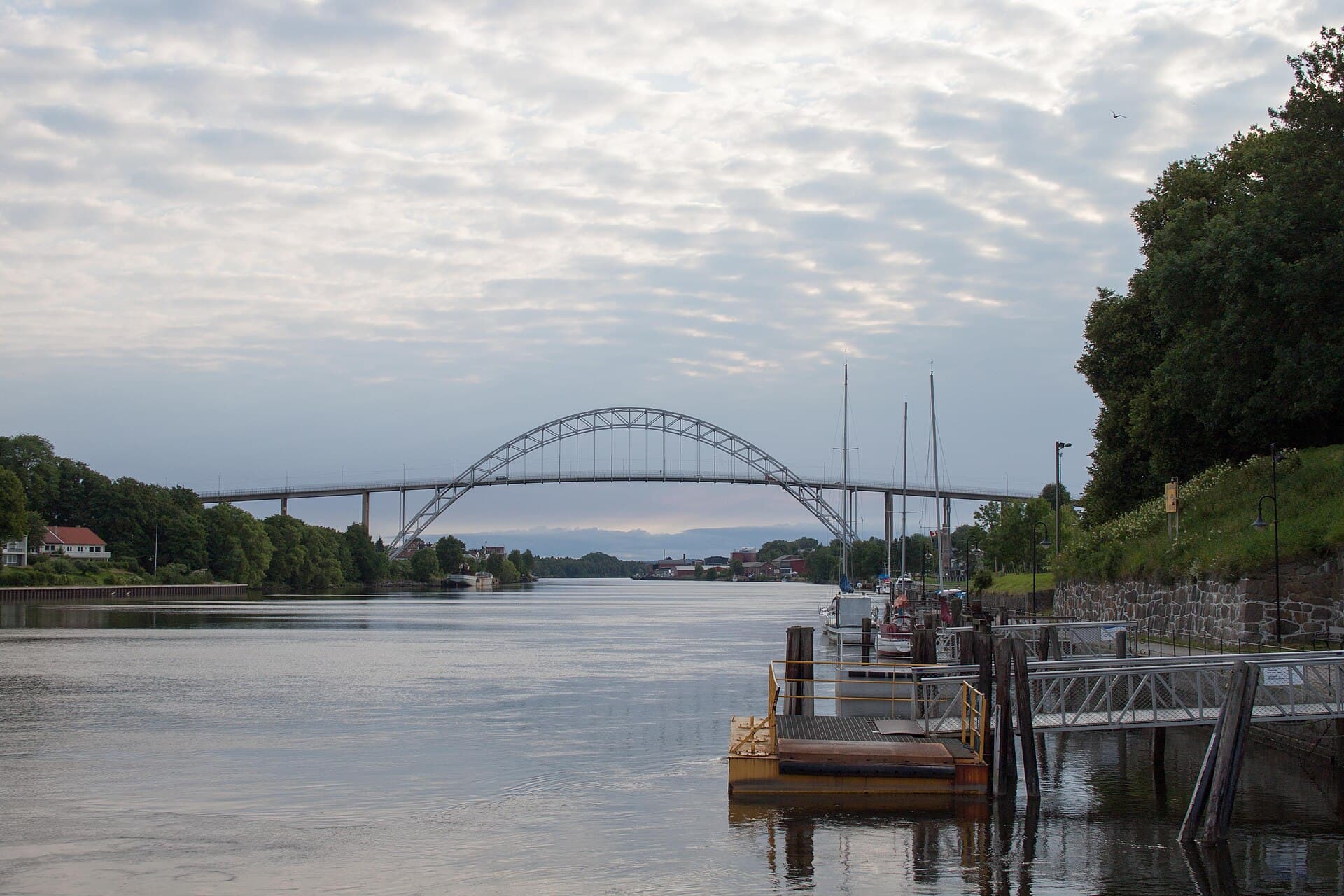 Szilas / Public domain, via Wikimedia Commons
Tour de áudio autoguiado por Fredrikstad — rota GPS a pé, reprodução offline, narração envolvente em 32 idiomas.
“Onde antigas muralhas encontram um presente vivo.”
Não os postais. As histórias que nem os locais conhecem — sussurradas ao seu ouvido, exatamente onde aconteceram.
Esta fortaleza, outrora uma parte vital das defesas de Fredrikstad, tem uma conexão surpreendente com uma antiga forma de justiça.
A igreja da Cidade Velha tem um passado surpreendentemente ardente, tendo sido reconstruída várias vezes.
O design em forma de estrela da Cidade Velha de Fredrikstad não foi apenas estético; foi um testemunho de engenharia militar de ponta.
Descubra cada segredo de Fredrikstad
Cada endereço, cada revelação na íntegra — no seu ouvido, exatamente onde aconteceu.
Você escolhe as suas paragens. Você caminha. A voz revela o que os outros perdem.


O seu tour áudio autoguiado de Fredrikstad está pronto — escolha os seus pontos de interesse, selecione o seu idioma e comece no momento em que chegar.
ComprarA Lume inclui um guia de realidade aumentada. Levante o telemóvel: a câmara mostra a rua à sua frente, com uma seta luminosa sobreposta à imagem real que aponta sempre para a sua próxima paragem — sem mapa para decifrar, sem voltas erradas. Como tudo na Lume, funciona totalmente offline.
Fredrikstad, uma cidade cativante no sudeste da Noruega, situa-se onde o grandioso Rio Glomma, o curso d'água mais longo da Noruega, converge com o Fiorde de Oslo. Com uma população de aproximadamente 84.000 habitantes, mantém um equilíbrio gracioso entre infraestrutura desenvolvida e um ritmo de vida sereno. A cidade é celebrada por Gamlebyen, sua Cidade Velha, considerada uma das cidades fortificadas mais bem preservadas do Norte da Europa.
Entrar em Gamlebyen é viajar no tempo, em meio aos seus caminhos de paralelepípedos desgastados, muralhas de terra e edifícios veneráveis que agora abrigam oficinas de artesãos, galerias e cafés convidativos. Ao contrário de muitos sítios históricos, Gamlebyen é uma comunidade vibrante, com cerca de 350 indivíduos ainda vivendo dentro de suas muralhas protetoras. Além da Cidade Velha, Fredrikstad apresenta uma mistura de encontros culturais, esplendor natural e uma corrente criativa dinâmica, tornando-a um destino recompensador para aqueles que buscam um vislumbre singular da herança escandinava.
A profunda conexão da cidade com o mar e o Rio Glomma moldou indelevelmente seu caráter, desde seu papel histórico como centro de comércio e construção naval até suas atividades marítimas contemporâneas. Fredrikstad também serve como um portal para o arquipélago de Hvaler, uma coleção de mais de 800 ilhas, ilhotas e rochedos, estabelecendo-se como um excelente ponto de partida para os amantes da natureza e da exploração de ilhas.
A gênese de Fredrikstad está profundamente entrelaçada com a destruição de sua vizinha a montante, Sarpsborg. Em 1567, durante a Guerra dos Sete Anos Nórdica, Sarpsborg foi devastada pelo exército sueco. O Rei Frederik II da Dinamarca-Noruega concedeu aos residentes deslocados permissão para estabelecer uma nova cidade mais perto da foz do Rio Glomma, um local que oferecia melhores perspectivas para comércio, navegação, pesca e defesa. Este novo assentamento, nomeado Fredrikstad em homenagem ao rei, foi fundado em 12 de setembro de 1567, marcando-a como a primeira cidade renascentista da Noruega.
Reconhecendo sua importância estratégica, Fredrikstad foi designada cidade fortaleza em 1663. Sob a direção do arquiteto e quartel-mestre holandês Willem Coucheron, extensas fortificações foram construídas, apresentando um distinto design em forma de estrela com fossos em zigue-zague e muralhas de terra. Essas defesas provaram ser notavelmente eficazes, pois Fredrikstad nunca foi capturada com sucesso em um cerco. O papel militar da cidade foi ainda mais consolidado durante a Grande Guerra do Norte (1700-1721), quando sua frota do arquipélago foi baseada lá sob o comando do Almirante Peter Wessel Tordenskiold.
Apesar de sua importância estratégica, a população de Fredrikstad permaneceu relativamente modesta por muitos anos. Um incêndio destrutivo em 1764 consumiu muitos dos edifícios de madeira, levando a um redesenho e renovação do traçado da cidade. A abolição dos privilégios de serraria em 1860 impulsionou um período de expansão significativa, transformando Fredrikstad em um grande centro industrial, impulsionado principalmente por serrarias e olaria. A chegada da ferrovia em 1879 impulsionou ainda mais seu desenvolvimento.
À medida que a cidade contemporânea se expandia na margem oeste do Rio Glomma, a Cidade Velha na margem leste manteve em grande parte seu caráter histórico, preservando seu design do século XVII. Embora indústrias tradicionais como a construção naval tenham experimentado um declínio com o advento da era do petróleo da Noruega nos anos 1970, Fredrikstad se transformou em uma cidade com indústrias diversas, incluindo plantas químicas e manufatura leve. Hoje, Fredrikstad é celebrada por sua Cidade Velha lindamente preservada, sua vibrante cena cultural e seu compromisso em mesclar o patrimônio histórico com a vida contemporânea. Em 2017, a cidade foi reconhecida com o prêmio nacional de cidade mais atraente, uma honra baseada em fatores sociais, econômicos e ambientais.
O coração de Fredrikstad é, sem dúvida, Gamlebyen (a Cidade Velha), a cidade fortificada mais meticulosamente preservada do Norte da Europa. Passeie por seus caminhos de paralelepípedos, admire as casas de madeira coloridas e explore as muralhas em forma de estrela que oferecem vistas sobre os fossos e o rio. Dentro das muralhas, você descobrirá lojas de artesãos, galerias e cafés, criando uma atmosfera vibrante onde a história continua a se desenrolar.
A uma curta caminhada de Gamlebyen fica a Fortaleza de Kongsten, construída na década de 1680 para reforçar as defesas da cidade. Embora nunca tenha entrado em batalha, seus terrenos estão abertos ao público, oferecendo vistas expansivas e um local tranquilo para um piquenique. Para uma exploração mais profunda da história local, o Museu de Fredrikstad, instalado em uma mansão do século XVII, narra o desenvolvimento da cidade, desde suas origens até sua expansão industrial.
Não deixe de visitar a Catedral de Fredrikstad, uma impressionante igreja neogótica de tijolos vermelhos da década de 1880, cuja torre alta é um marco proeminente. Seu interior apresenta notáveis vitrais de Emanuel Vigeland. Para uma experiência distinta, visite o Centro de Ferromodelismo de Gamlebyen, a maior exposição de ferrovias em miniatura da Escandinávia, com paisagens em miniatura intrincadas e uma réplica detalhada da Velha Fredrikstad. A ilha de Isegran, acessível por balsa, abriga ruínas de uma fortaleza do século XIII e um museu dedicado à construção naval local.
Fredrikstad oferece encantos distintos ao longo do ano. O verão (junho a agosto) é a alta temporada, com temperaturas amenas variando de 17 a 22°C e longas horas de luz do dia, ideais para exploração ao ar livre e festivais animados. A primavera traz um ar mais ameno e jardins floridos na fortaleza, enquanto o outono oferece temperaturas amenas que se estendem até setembro e menos multidões, perfeito para fotografia e cultura de cafés. O inverno, embora tranquilo com dias mais curtos, proporciona uma atmosfera memorável em Gamlebyen, com geada nas muralhas e caminhos de paralelepípedos brilhantes.
Fredrikstad é facilmente acessível. Trens partem a cada hora da Estação Central de Oslo, levando pouco mais de uma hora. Ônibus de longa distância de Oslo e Gotemburgo também estão disponíveis. Se for de carro, a rodovia E6 leva diretamente a Fredrikstad, com a viagem de Oslo durando aproximadamente 90 minutos. O estacionamento perto de Gamlebyen pode ser limitado, especialmente nos fins de semana de verão, portanto, estacionamentos pagos nos arredores são uma opção.
Navegar por Fredrikstad é simples. O centro da cidade é compacto e agradável para caminhar. Uma rede de pequenas balsas gratuitas para passageiros conecta o centro da cidade moderna a Gamlebyen e outras áreas, oferecendo transporte prático e vistas panorâmicas. Bicicletas podem ser alugadas, e ônibus urbanos locais conectam aos subúrbios e às ilhas Hvaler. Para acomodação, as opções variam de hotéis no centro moderno a campings e cabanas mais perto do arquipélago, com reserva antecipada altamente recomendada durante a alta temporada de verão.
Fredrikstad — coreano, chinês, hebraico e mais 29 idiomas, cada parada narrada por uma voz nativa. A maior variedade de idiomas entre os passeios de áudio autoguiados.
Disponível em: