Mezquita de Al Badiyah
Esta modesta estructura de barro y piedra guarda un secreto sobre su construcción que los arqueólogos aún están desentrañando.
La historia completa se desbloquea en el tour
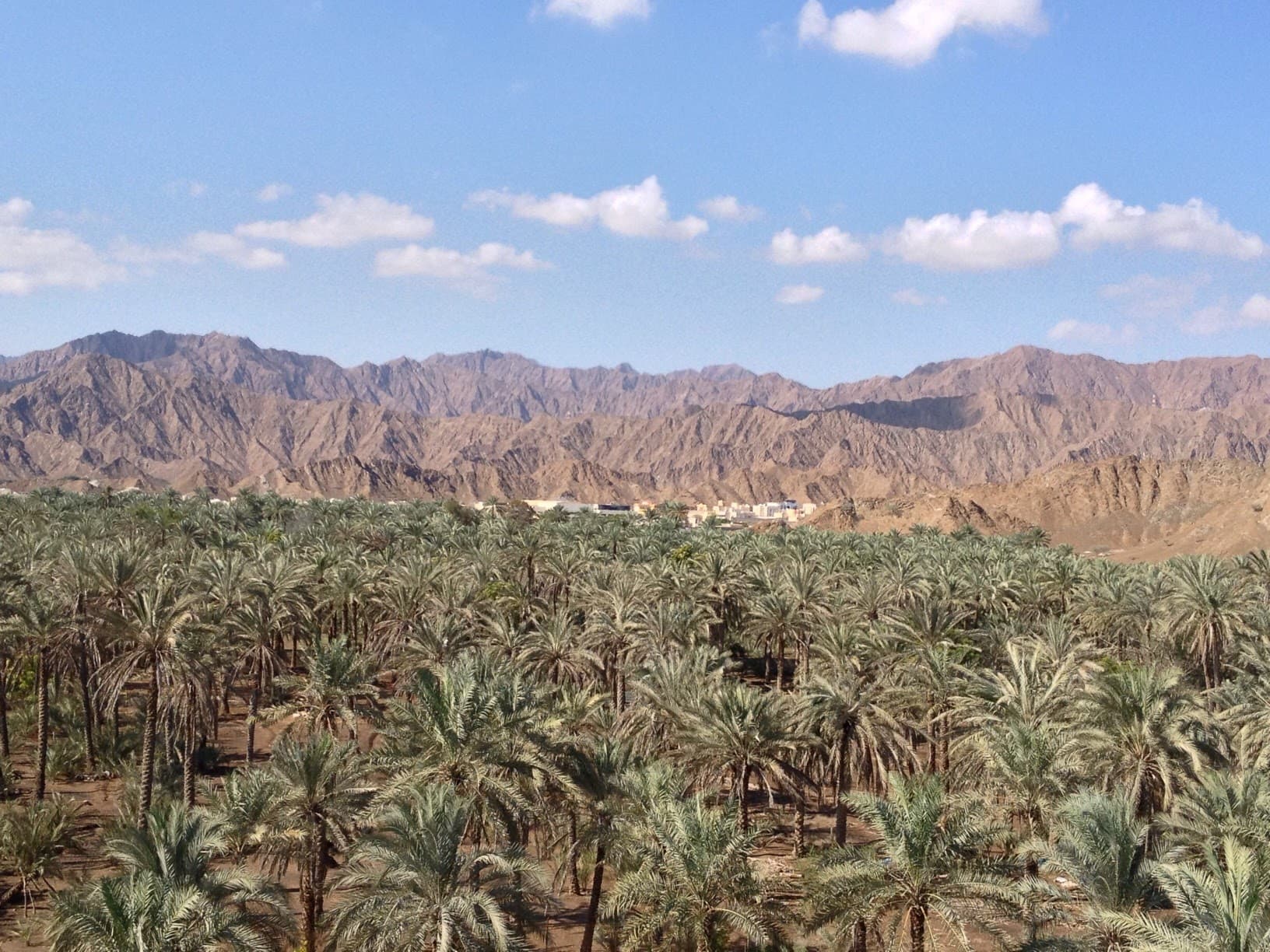 Aumars / CC BY-SA 4.0, via Wikimedia Commons
Tour de audio autoguiado de Fuyaira — ruta GPS a pie, reproducción offline, narración en 32 idiomas.
“Donde las montañas Hajar se encuentran con el Golfo de Omán, historias ancestrales susurran con la brisa marina.”
No las postales. Las historias que ni los locales conocen — al oído, justo donde ocurrieron.
Esta modesta estructura de barro y piedra guarda un secreto sobre su construcción que los arqueólogos aún están desentrañando.
El fuerte más antiguo de los Emiratos Árabes Unidos, el Fuerte de Fujairah, sufrió graves daños en el pasado, pero su restauración trajo de vuelta más que solo sus muros.
A diferencia de sus vecinos más famosos, Fujairah ocupa una posición única entre los emiratos de los Emiratos Árabes Unidos, influyendo en su historia y economía de una manera sorprendente.
Descubre todos los secretos de Fuyaira
Cada dirección, cada revelación al completo — a tu oído, justo donde ocurrió.
Eliges tus paradas. Caminas. La voz te revela lo que los demás ignoran.
Tu tour de audioguía por Fuyaira te espera — elige tus lugares, tu idioma y empieza al llegar.
ComprarLume incluye una guía de realidad aumentada. Levanta el móvil y su cámara muestra la calle que tienes delante, con una flecha luminosa sobre la imagen real que siempre apunta a tu próxima parada — sin mapas que descifrar, sin giros equivocados. Como todo en Lume, funciona completamente sin conexión.
Fujairah, el quinto emirato más grande de los Emiratos Árabes Unidos, ofrece una experiencia distinta a la de sus contrapartes más metropolitanas. Situado en el Golfo de Omán y enmarcado por las dramáticas montañas Hajar, presenta un paisaje de picos escarpados, aguas costeras claras y un ritmo de vida más lento y tradicional. Este emirato oriental es un santuario para aquellos que buscan belleza natural, profundidad histórica y una conexión con la auténtica herencia emiratí.
La geografía única de Fujairah ha fomentado una cultura profundamente ligada al mar y las montañas. Desde antiguos fuertes y mezquitas hasta animados mercados locales y diversa vida marina, Fujairah invita a la exploración más allá del típico horizonte de los Emiratos Árabes Unidos.
La historia de Fujairah se remonta a milenios, con evidencia arqueológica que indica presencia humana y vínculos comerciales que datan de hace más de 4.000 años, tan temprano como el 3000 a.C. Inicialmente conocida como la 'Tierra de los Titanes' o 'Ard Al Jababerah', la región fue habitada por pastores y pescadores. A diferencia de muchas ciudades modernas de los Emiratos Árabes Unidos que surgieron del desierto, Fujairah se desarrolló como un centro en evolución de la civilización antigua en tierras fértiles.
La ubicación estratégica del emirato en el Golfo de Omán, fuera del Estrecho de Ormuz, lo convirtió en un puerto vital para el comercio marítimo, conectando civilizaciones a través del Océano Índico. Esta posición también contribuyó a su desarrollo cultural distintivo, ya que las montañas Hajar proporcionaron un grado de aislamiento de otros emiratos.
La historia de la Fujairah moderna comenzó en 1808 con el Jeque Mohammed bin Mattar, líder de la tribu Al Sharqi, quien construyó un castillo y la ciudad circundante. La familia Al Sharqi ha desempeñado un papel crucial en el desarrollo del emirato, uniendo tribus locales y abogando por la autonomía. Fujairah declaró su independencia de Sharjah en 1901, aunque el reconocimiento británico como emirato autónomo solo llegó en 1952. Este reconocimiento fue impulsado en parte por la necesidad de las compañías de exploración petrolera de firmar concesiones con un gobernante reconocido. El 2 de diciembre de 1971, Fujairah se convirtió en el último emirato en unirse a los Estados de la Tregua y, posteriormente, a los recién formados Emiratos Árabes Unidos.
Comience su exploración en el Fuerte de Fujairah, el fuerte más antiguo de los Emiratos Árabes Unidos, que data del siglo XVI. Esta estructura de ladrillo de barro sirvió una vez como fortaleza defensiva y residencia de la familia gobernante, ofreciendo vistas imponentes del paisaje circundante. Cerca, el Pueblo del Patrimonio de Fujairah ofrece una visión de la vida emiratí tradicional con casas reconstruidas, un antiguo zoco y demostraciones de artesanías antiguas y sistemas de riego.
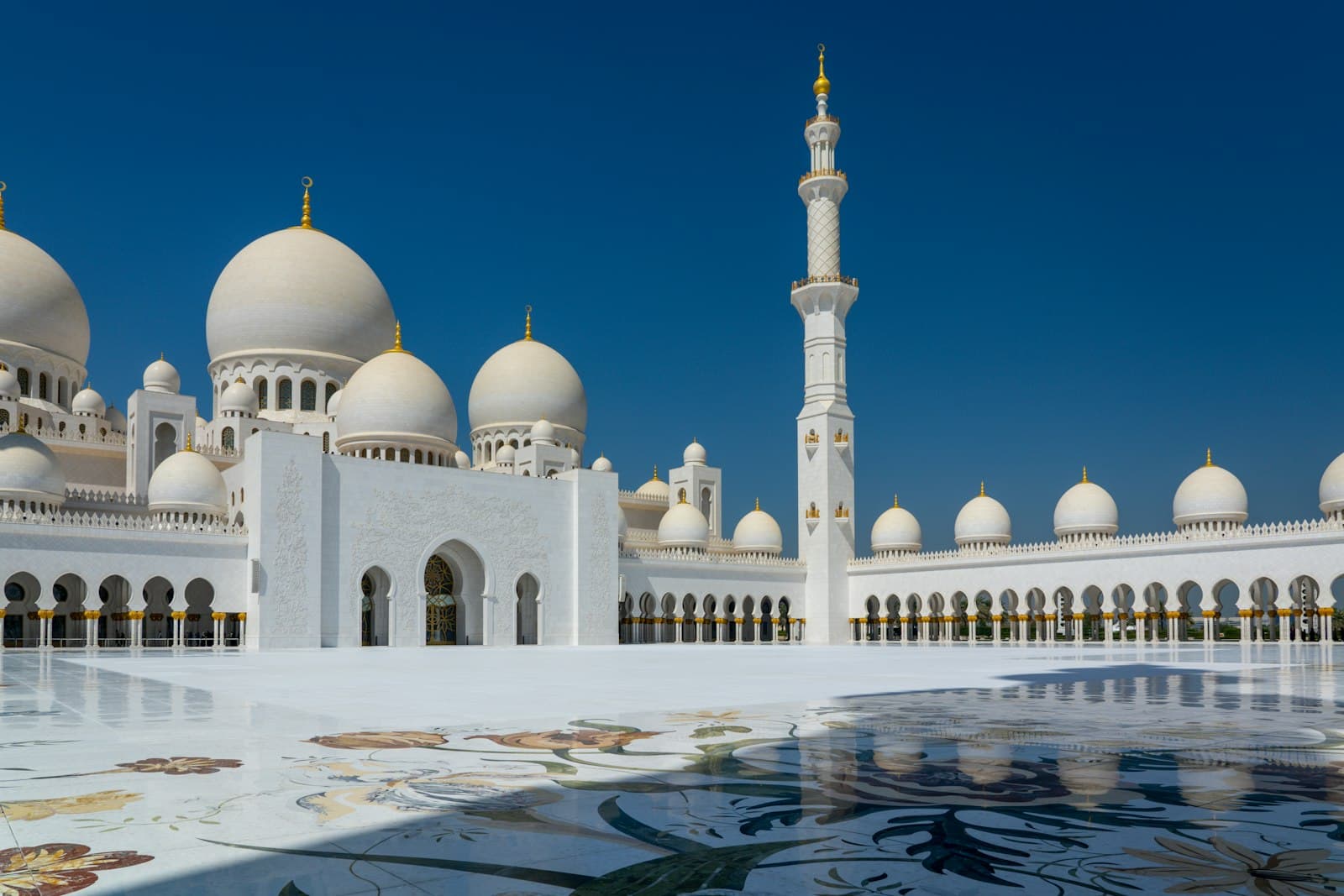
Viaje al norte hasta el pueblo de Al Bidya para descubrir la Mezquita de Al Badiyah, la mezquita más antigua de los Emiratos Árabes Unidos, estimada en haber sido construida en el año 1446 d.C. Su singular techo de cuatro cúpulas y su sencilla construcción de barro y piedra son un testimonio de la arquitectura islámica temprana. Para una escala más grandiosa de arquitectura islámica, visite la Gran Mezquita Sheikh Zayed en la ciudad de Fujairah, la segunda mezquita más grande de los Emiratos Árabes Unidos. Su resplandeciente granito y mármol blanco, junto con 65 cúpulas y seis imponentes minaretes, crean un hito llamativo.
Más allá de los sitios históricos, la belleza natural de Fujairah atrae. Las montañas Hajar ofrecen paisajes dramáticos y oportunidades para practicar senderismo y explorar wadis (valles) como el Parque Nacional Wadi Wurayah. La costa del emirato a lo largo del Golfo de Omán es famosa por sus aguas claras, lo que convierte a la Playa de Al Aqah y la Isla Snoopy en lugares populares para nadar, hacer snorkel y bucear para observar la vida marina y los arrecifes de coral.
El momento ideal para visitar Fujairah es durante los meses más frescos, de octubre a abril. Durante este período, las temperaturas son agradables, oscilando entre los 18 y 28 grados Celsius, lo que lo hace cómodo para actividades al aire libre como explorar sitios históricos, hacer senderismo en las montañas y disfrutar de las playas. Los meses de verano, de mayo a septiembre, traen consigo un calor y una humedad elevados, con temperaturas que a menudo superan los 40 grados Celsius, lo que puede dificultar las actividades prolongadas al aire libre.
Fujairah es fácilmente accesible en coche, aproximadamente a dos horas de Dubái por carreteras asfaltadas. Los servicios de autobús público también operan regularmente entre Dubái y Fujairah. Una vez en Fujairah, los taxis son abundantes y con taxímetro, aunque la ciudad no está diseñada para peatones. Al visitar sitios religiosos como mezquitas y áreas patrimoniales, es aconsejable vestirse con modestia. Es posible que se requiera que las mujeres se cubran la cabeza al entrar en las mezquitas, y a menudo se proporciona ropa adecuada sin costo. Se recomienda planificar actividades al aire libre para las mañanas o las últimas horas de la tarde, especialmente fuera de la temporada más fresca, para evitar el pico de calor. También se aconseja reservar actividades marinas con operadores autorizados.
Fuyaira en coreano, en chino o en hebreo — y 29 idiomas más, cada parada narrada por una voz nativa. La mayor variedad de idiomas de cualquier audioguía autoguiada.
Disponible en: