Aéroport de Fukuoka (FUK)
Vous pourriez trouver quelque chose d'amusant à propos du code d'aéroport de Fukuoka.
L'histoire complète se débloque dans le tour
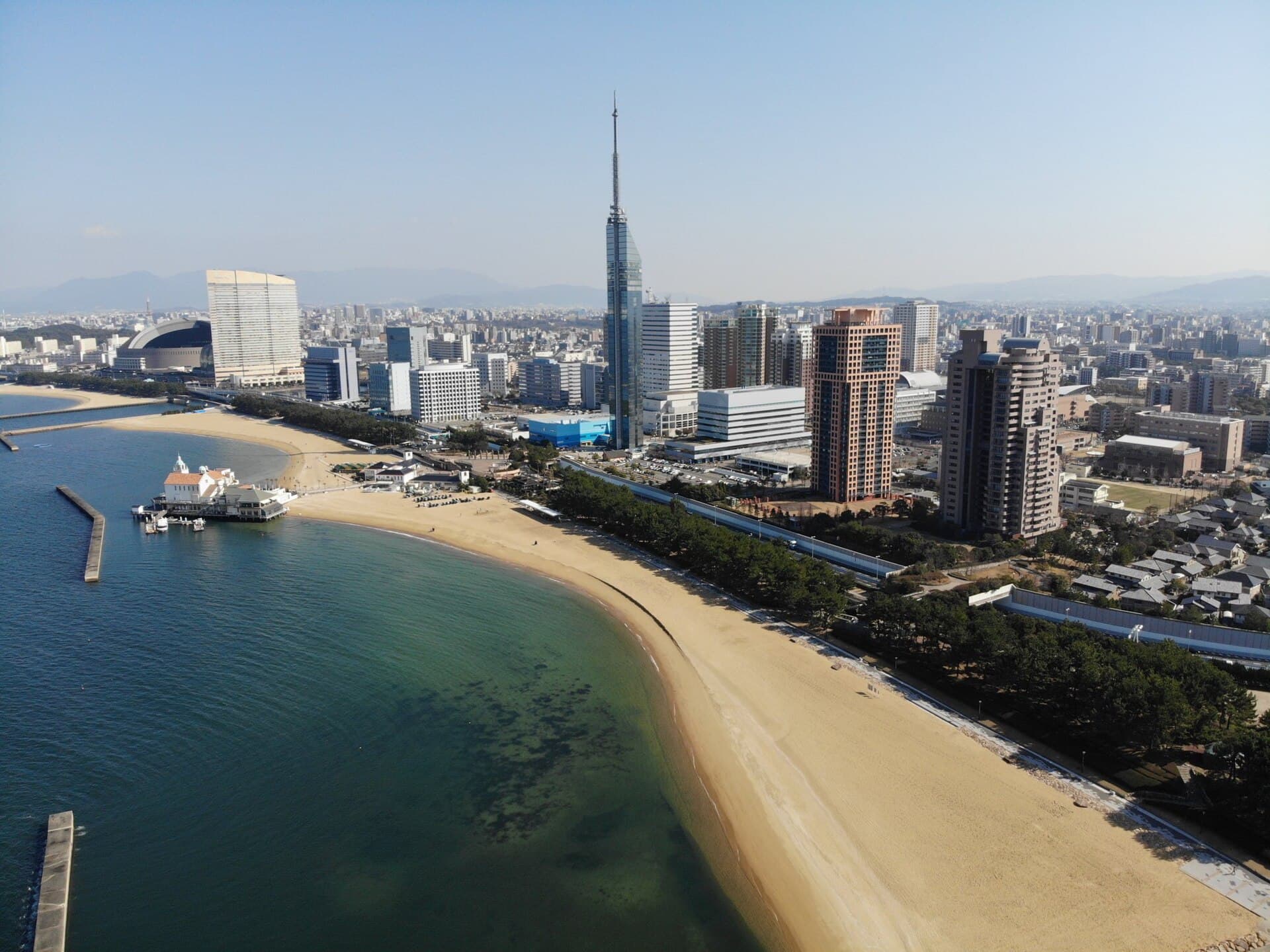 Nryate / CC BY-SA 4.0, via Wikimedia Commons
Visite audio autoguidée de Fukuoka — parcours GPS à pied, lecture hors ligne, narration en 32 langues.
“Là où les traditions ancestrales rencontrent un esprit résolument moderne.”
Pas les cartes postales. Les histoires que même les habitants ignorent — soufflées à l'oreille, là où elles se sont passées.
Vous pourriez trouver quelque chose d'amusant à propos du code d'aéroport de Fukuoka.
Le bouillon crémeux et savoureux du Ramen Hakata, aujourd'hui célébré mondialement, est né d'un événement inattendu en cuisine.
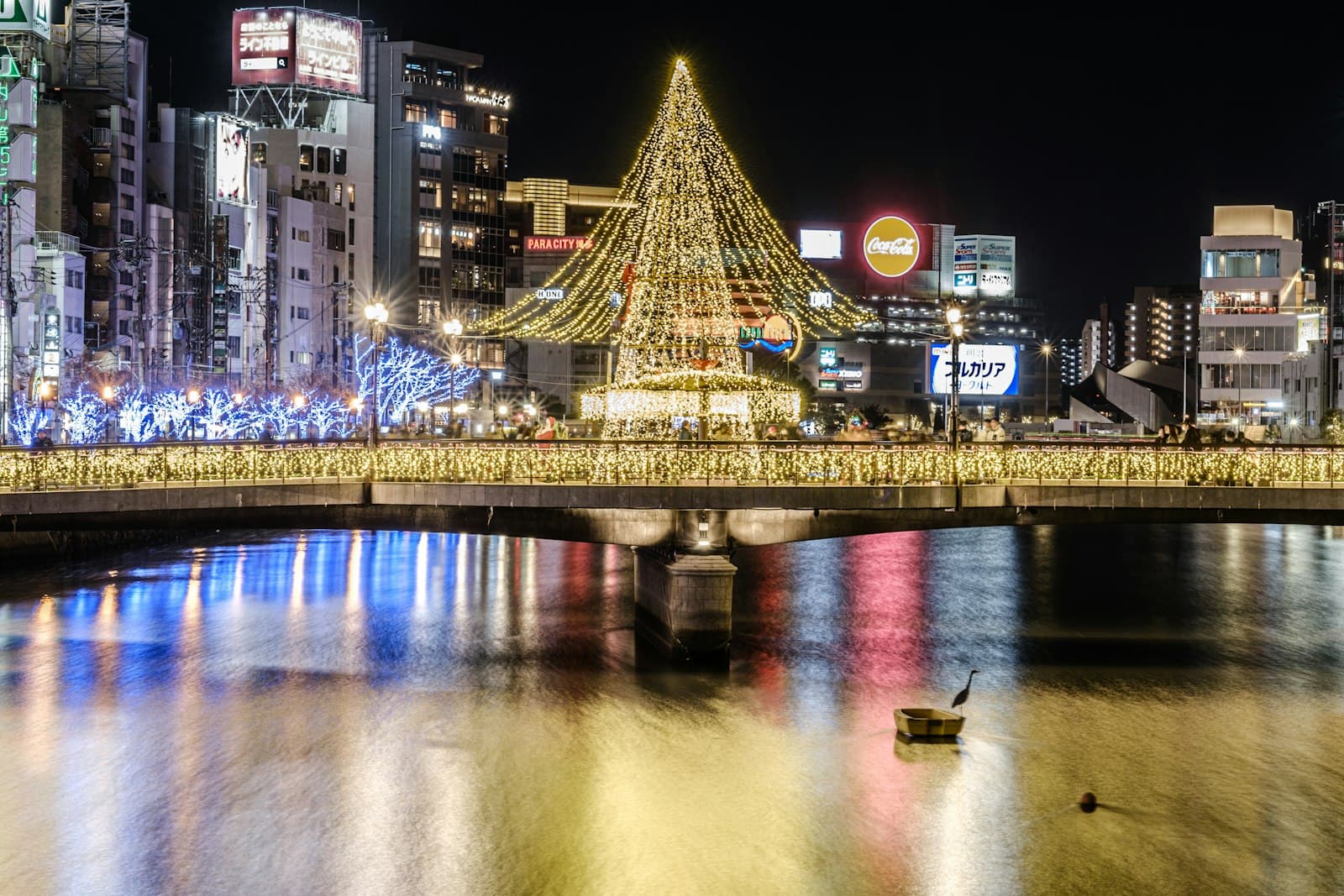
Fukuoka conserve une tradition culinaire distinctive qui s'anime chaque soir le long de ses cours d'eau, offrant plus qu'un simple repas.
Découvrez tous les secrets de Fukuoka
Chaque adresse, chaque révélation en entier — dans ton oreille, là où elle s'est passée.
Tu choisis tes lieux. Tu marches. La voix te révèle ce que les autres ignorent.
Votre visite audioguidée de Fukuoka vous attend — choisissez vos lieux, votre langue, et lancez-vous dès votre arrivée.
AcheterLume intègre un guide en réalité augmentée. Levez votre téléphone : sa caméra montre la rue devant vous, avec une flèche lumineuse posée sur l'image réelle qui pointe toujours vers votre prochain arrêt — aucune carte à déchiffrer, aucun mauvais virage. Comme tout dans Lume, ça fonctionne entièrement hors-ligne.
Fukuoka, la plus grande ville de l'île de Kyushu au Japon, est une métropole dynamique qui entrelace gracieusement un passé historique profond avec un présent moderne et énergique. En tant que ville portuaire importante, elle a longtemps servi de porte d'entrée du Japon vers l'Asie continentale, cultivant des siècles d'échanges culturels et commerciaux. Aujourd'hui, Fukuoka est réputée pour sa culture culinaire exceptionnelle, en particulier son emblématique ramen tonkotsu, et son atmosphère animée, souvent décrite comme possédant une vigueur juvénile.
Avec une population de plus de 1,6 million d'habitants, Fukuoka est l'un des centres urbains du Japon qui se développe rapidement. Son aménagement urbain bien pensé, complété par un système de transport public efficace, en fait une destination accessible et agréable pour les visiteurs. Des sanctuaires vénérables et des vestiges de châteaux aux quartiers commerçants animés et aux parcs tranquilles, Fukuoka présente une collection variée d'expériences qui capturent l'essence du Japon contemporain tout en honorant ses traditions profondément enracinées.
Le climat tempéré de la ville et ses nombreux festivals tout au long de l'année renforcent encore son attrait, offrant des occasions d'assister à des célébrations animées et de participer à des activités de plein air. Que vous recherchiez des explorations culinaires, des aperçus historiques ou simplement un avant-goût de la vie urbaine japonaise moderne, Fukuoka offre une destination captivante qui évolue continuellement tout en restant fidèle à son patrimoine unique.
L'histoire de Fukuoka remonte à des milliers d'années, avec des preuves d'habitation humaine datant du Paléolithique, il y a environ 30 000 ans. Son récit en tant que ville a véritablement commencé il y a environ 2 000 ans, pendant la période Yayoi, lorsque des villages et des rizières, parmi les premiers du Japon, ont été établis. Ce développement précoce a positionné Fukuoka comme un centre pivot pour le commerce et la diplomatie avec le continent asiatique, un rôle qu'elle maintiendra pendant des siècles.
À la fin du VIIe siècle, le gouvernement de Dazaifu a été établi à Fukuoka en tant que centre administratif et diplomatique central pour Kyushu. Le Korokan, une maison d'hôtes diplomatique sur la baie de Hakata, a facilité les échanges, avec des fouilles archéologiques révélant des artefacts de Chine, de Corée et même de régions islamiques. Cette époque a solidifié la réputation de Fukuoka en tant que point d'entrée vital pour les influences étrangères, y compris l'introduction du système d'écriture chinois et du bouddhisme au IVe siècle.
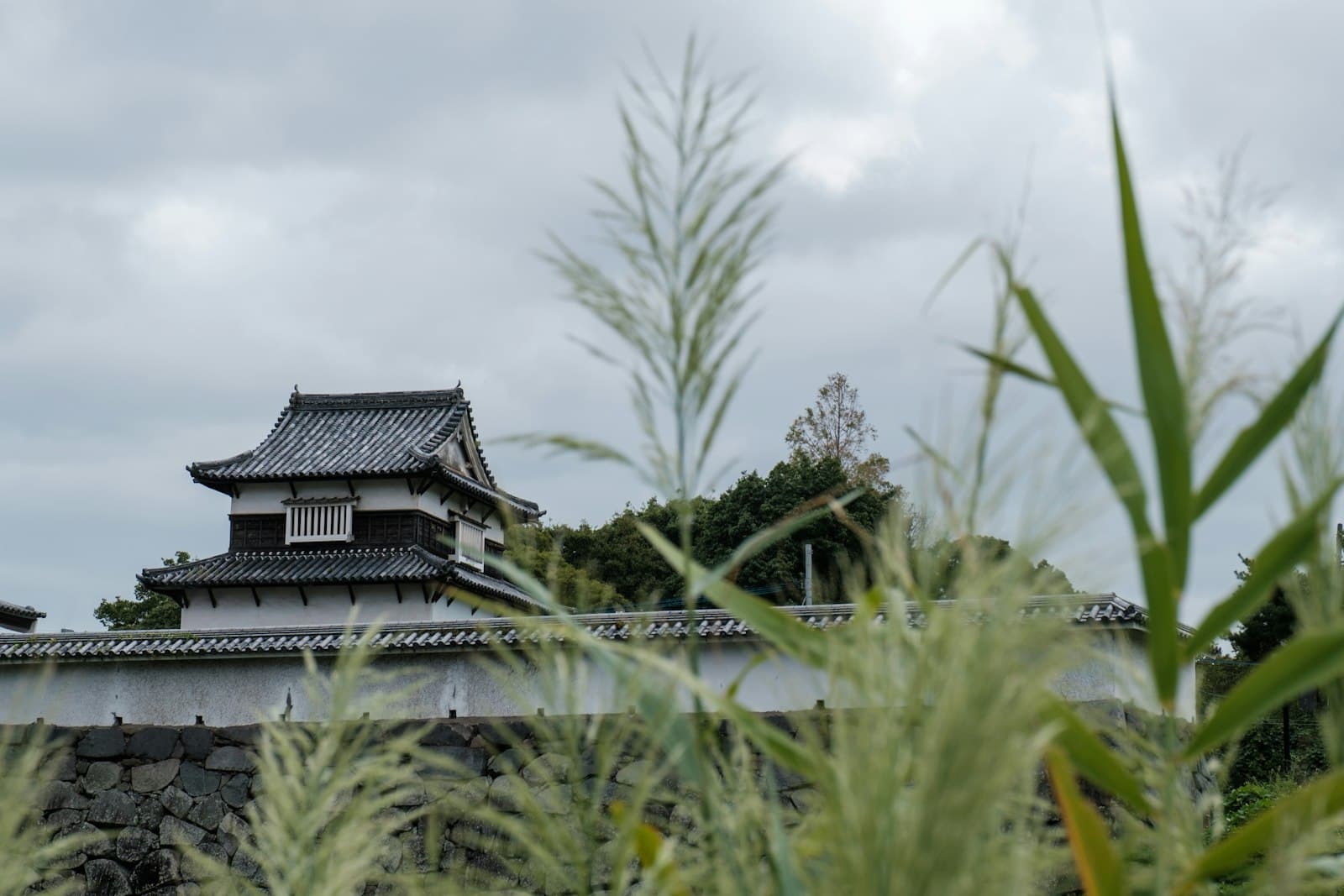
Le XIIIe siècle a vu Fukuoka résister aux tentatives d'invasions de l'empire mongol, des événements qui, bien que repoussés, ont conduit à des défenses renforcées et ont laissé une impression durable sur l'histoire de la ville. En 1600, Kuroda Nagamasa est devenu le premier seigneur du domaine de Fukuoka et a jeté les bases du château de Fukuoka, établissant une ville-château qui deviendrait le cœur administratif et militaire. Cela a donné lieu à une structure distinctive de « ville jumelle », avec la ville samouraï de Fukuoka coexistant avec le port marchand actif de Hakata.
La restauration Meiji à la fin du XIXe siècle a apporté une modernisation et une expansion rapides. En 1889, les deux zones distinctes de Fukuoka et Hakata ont officiellement fusionné pour former la ville de Fukuoka dans le cadre d'une réorganisation municipale. Cette unification, combinée à la création de l'Université impériale de Kyushu, à l'expansion du port de Hakata et au développement de la gare de Hakata, a consolidé le statut de Fukuoka en tant que ville centrale de Kyushu. Après la Seconde Guerre mondiale, la ville a connu une croissance substantielle, dépassant un million d'habitants en 1975 et continuant à se développer en tant que centre économique et culturel majeur de l'ouest du Japon et de l'Asie.
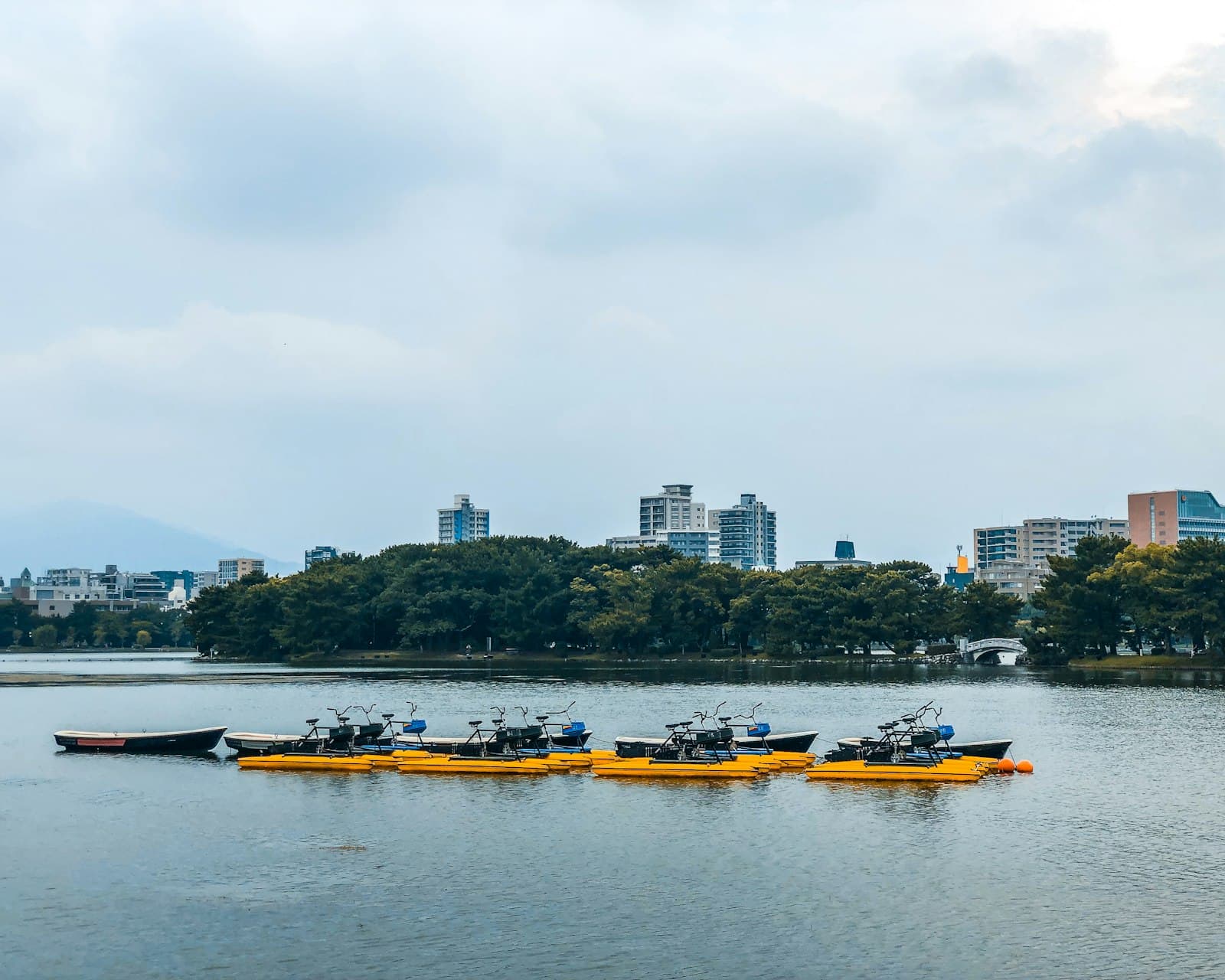
Fukuoka présente un large éventail de sites, des parcs tranquilles aux centres commerciaux animés. Commencez par une promenade dans le parc Ohori, un grand espace public doté d'un étang central avec trois îles reliées par des ponts, offrant un répit paisible. À côté se trouvent les ruines du château de Fukuoka dans le parc Maizuru, où vous pourrez explorer les vestiges de l'ancien grand château et profiter des floraisons saisonnières.
Pour un aperçu du patrimoine spirituel de la ville, visitez le sanctuaire Kushida, l'un des plus anciens sanctuaires de Fukuoka, connu pour ses chars de festival élaborés et sa signification historique. À proximité, le temple Tochoji abrite une impressionnante pagode à cinq étages et la plus grande statue de Bouddha assis en bois du Japon. Un court trajet en train depuis le centre-ville vous mènera au temple Nanzoin, qui abrite le plus grand Bouddha couché en bronze du monde, un spectacle vraiment impressionnant.
Découvrez le caractère contemporain de Fukuoka à Canal City Hakata, un grand complexe commercial et de divertissement traversé par un canal, proposant des spectacles aquatiques réguliers. Pour des vues imprenables sur la ville et la baie de Hakata, montez à la tour de Fukuoka, la plus haute tour balnéaire du Japon. Enfin, explorez les yatai (stands de nourriture) animés, en particulier le long de l'île de Nakasu et dans le quartier de Tenjin, où vous pourrez savourer des délices locaux dans un cadre en plein air.
Les périodes les plus agréables pour visiter Fukuoka sont le printemps (mars à mai) et l'automne (septembre à novembre). Ces saisons offrent des températures douces et un ciel clair, idéales pour l'exploration et les activités de plein air. Le printemps apporte les cerisiers en fleurs, apparaissant généralement fin mars ou début avril, créant des scènes pittoresques dans des parcs comme le parc Maizuru. L'automne est marqué par des températures confortables et un feuillage coloré, en particulier en octobre et novembre. Bien que l'été (juin à août) soit chaud et humide avec une saison des pluies, il accueille des festivals importants comme le Hakata Gion Yamakasa. Les hivers (décembre à février) sont relativement doux, avec des températures descendant rarement en dessous de zéro, offrant une expérience plus calme et potentiellement des coûts de voyage plus bas.
L'aéroport de Fukuoka (FUK) est remarquablement pratique, situé à quelques minutes en métro de la gare de Hakata, le principal centre de transport de la ville. Depuis la gare de Hakata, vous pouvez facilement accéder à d'autres parties de Kyushu et aux grandes villes japonaises via le Shinkansen. Le système de métro de la ville est efficace pour naviguer vers les attractions centrales. Envisagez d'acheter un Fukuoka City Subway Pass si vous prévoyez de visiter plusieurs sites en une journée.
La monnaie locale est le yen japonais (JPY). Bien que les cartes de crédit soient largement acceptées dans les grands établissements, il est judicieux d'avoir de l'argent liquide pour les petits magasins, les stands de rue (yatai) et certains temples ou sanctuaires. L'anglais n'est pas universellement parlé, donc avoir une application de traduction ou un guide de conversation peut être utile. Fukuoka connaît un climat subtropical humide, alors emballez en conséquence : des vêtements légers et respirants pour les étés chauds et humides, et des couches pour les printemps et automnes plus frais. Les hivers sont doux mais peuvent être frais, donc un manteau chaud est recommandé.
Fukuoka en coréen, en chinois ou en hébreu — et dans 29 autres langues, chaque étape narrée par une voix native. La plus large gamme de langues de tous les audioguides autoguidés.
Disponible en :