Oase von Gabès
Diese Küsten-Oase enthüllt ein Wunder antiker Ingenieurskunst und üppigen Wachstums.
Die ganze Geschichte wird in der Tour freigeschaltet
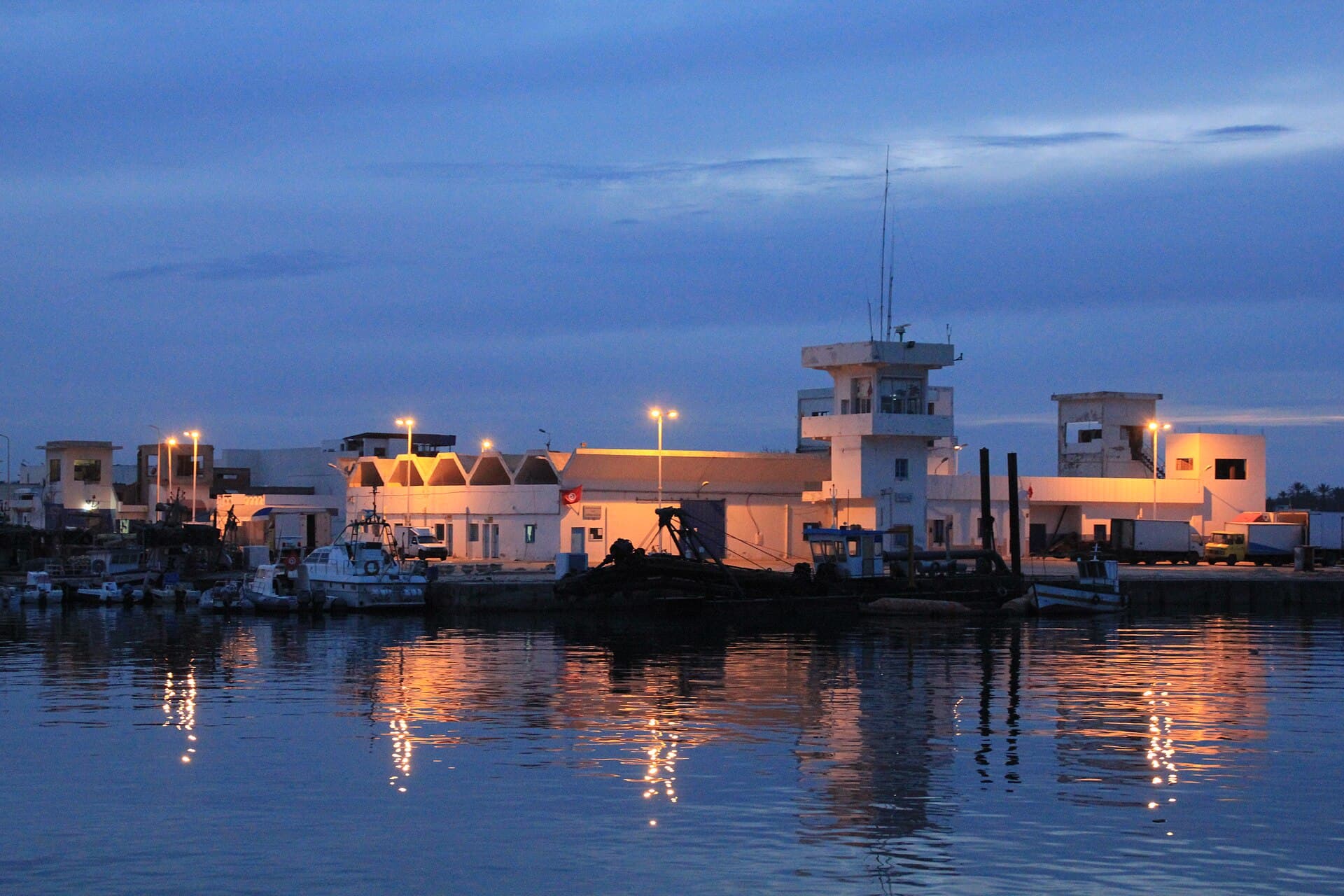 Ala Hachaichi / CC BY-SA 3.0, via Wikimedia Commons
Selbstgeführte Audio-Walking-Tour durch Gabès — GPS-Route, Offline-Wiedergabe, erzählerische Narration in 32 Sprachen.
“Wo der Rand der Wüste auf die Umarmung des Mittelmeers trifft.”
Nicht die Postkarten. Die Geschichten, die selbst Einheimische nicht kennen – dir ins Ohr geflüstert, genau dort, wo sie geschahen.
Diese Küsten-Oase enthüllt ein Wunder antiker Ingenieurskunst und üppigen Wachstums.
Unter Matmatas trockener Weite verbirgt sich eine Welt von Häusern, die ihresgleichen sucht und in die Erde gegraben ist.
Der Jara-Markt bietet mehr als nur Waren; er ist eine Reise durch lokale Bräuche und sensorische Freuden.
Entdecke jedes Geheimnis von Gabès
Jede Adresse, jede Enthüllung vollständig – in deinem Ohr, genau dort, wo es geschah.
Du wählst deine Stationen. Du gehst. Die Stimme enthüllt, was andere übersehen.
Deine selbstgeführte Audio-Tour durch Gabès ist bereit – wähle deine Sehenswürdigkeiten, deine Sprache und starte, sobald du ankommst.
KaufenLume enthält einen integrierten Augmented-Reality-Guide. Halten Sie Ihr Handy hoch: Die Kamera zeigt die Straße vor Ihnen, mit einem leuchtenden Pfeil über dem echten Bild, der immer auf Ihren nächsten Stopp zeigt — keine Karte zum Rätseln, keine falschen Abzweigungen. Wie alles bei Lume funktioniert es komplett offline.
Gabès, eine Stadt an der südöstlichen Küste Tunesiens, bietet eine einzigartige Verschmelzung von natürlicher Pracht und historischer Tiefe. Sie existiert als eine bemerkenswerte Küsten-Oase, ein seltenes Phänomen, wo üppige Palmenhaine auf das Mittelmeer treffen. Diese besondere Umgebung formt eine beeindruckende Landschaft, in der üppiges Grün mit goldenem Wüstensand und dem klaren blauen Wasser kontrastiert.
Oft zugunsten prominenterer tunesischer Reiseziele übersehen, bietet Gabès einen authentischen Einblick in das lokale Leben, abseits der üblichen Touristenströme. Es dient als Tor zur südlichen Wüste und verbindet traditionelle Berberkultur mit seinem Küstenreiz und etabliert sich als wichtiges Zentrum im Süden Tunesiens.
## Antike Wurzeln und römischer Einfluss Gabès, ursprünglich als Tacapae identifiziert, hat eine Geschichte, die bis zur karthagischen Besiedlung zurückreicht. Unter römischer Herrschaft entwickelte es sich zu einem bedeutenden Handelsposten in der Provinz Tripolitania. Antike Schriftsteller wie Plinius der Ältere beobachteten die ausgeklügelte Methode der Stadt zur Wasserverteilung aus einer großzügigen Quelle unter ihren Kultivatoren, ein Zeugnis früher Ressourcennutzung.
## Islamische Ära und mittelalterlicher Wohlstand Im 7. Jahrhundert eroberte das Umayyaden-Kalifat die Region und brachte den Islam nach Gabès. Ein Gefährte des Propheten Muhammad, Abu Lubaba Al'Ansari, ließ sich in der Stadt nieder und trug zu ihrer Entwicklung als islamisches Zentrum bei. Im 12. Jahrhundert lobte der Geograph al-Idrisi Gabès für seine blühende Wirtschaft, dichten Obstgärten und lebhaften Märkte und unterstrich seine Produktion von Datteln, Oliven und Lederwaren.
## Kolonialzeit und Zweiter Weltkrieg Gabès geriet 1881 unter französische Kontrolle und wurde Teil des französischen Protektorats. Diese Periode brachte moderne Infrastruktur, einschließlich einer Eisenbahn, eines Straßennetzes und eines Hafens. Das 20. Jahrhundert brachte jedoch Umwälzungen. Während des Zweiten Weltkriegs diente Gabès nach dem Fall Frankreichs im Jahr 1940 als Hauptquartier für das deutsche Afrikakorps. 1943 nahmen britische und französische Streitkräfte die Stadt im Rahmen der Operationen der Mareth-Linie zurück, was jedoch zu schweren Schäden an ihrer Infrastruktur führte. Wiederaufbauarbeiten begannen 1945.
## Nach der Unabhängigkeit und das moderne Gabès Nachdem Tunesien 1956 die Unabhängigkeit erlangt hatte, entwickelte sich Gabès weiter und bemühte sich, sein historisches und kulturelles Erbe zu bewahren. Heute fungiert Gabès als Handelszentrum und Industriestadt mit Industrien, die von Fischerei und Landwirtschaft bis hin zu Textilien und Petrochemie reichen. Trotz der Industrialisierung ist die Stadt nach wie vor für ihre einzigartige Kombination aus Geschichte, Kultur und der beständigen natürlichen Schönheit ihrer Küsten-Oase bekannt.
Beginnen Sie Ihre Erkundung im Herzen von Gabès in den Oasen Jara und Chenini, wo Sie das traditionelle dreistufige Anbausystem von Dattelpalmen, Granatbäumen und Gemüsegärten beobachten können. Eine Kutschfahrt durch die ausgedehnten Palmenhaine bietet ein ruhiges Erlebnis. Der Jara-Markt ist ein lebendiges Zentrum für lokale Gewürze, traditionelles Handwerk und die berühmte Henna aus Gabès.
Für ein tieferes Verständnis des lokalen Erbes besuchen Sie das Musée des Arts et Traditions Populaires de Gabès, das sich in einer Madrasa aus dem 17. Jahrhundert befindet und die traditionelle Kultur der Region, einschließlich Weberei, Trachten und landwirtschaftlicher Praktiken, zeigt. Das Mausoleum von Sidi Boulbaba, ein verehrter Gefährte des Propheten Muhammad, ist ein weiteres bedeutendes historisches und religiöses Wahrzeichen.
Außerhalb der Stadt ist ein Tagesausflug nach Matmata unerlässlich, um seine einzigartigen Troglodyten-Höhlenwohnungen zu entdecken. Sie können sogar das Hotel Sidi Driss besuchen, das als Drehort für Star Wars bekannt ist. Die nahe gelegenen Berber-Dörfer Toujane und Tamezret auf den Hügeln enthüllen Steinhäuser und weite Wüstenblicke.
Für an militärischer Geschichte Interessierte bietet das Militärmuseum der Mareth-Linie Einblicke in die Befestigungsanlagen und Feldzüge des Zweiten Weltkriegs in Tunesien.
Die angenehmsten Zeiten für einen Besuch in Gabès sind die Übergangsjahreszeiten Frühling (März bis Mai) und Herbst (September bis November). In diesen Monaten sind die Temperaturen angenehm und liegen zwischen 15°C und 28°C, ideal für die Erkundung der Stadt und ihrer Umgebung. Die Sommer (Juni bis August) sind heiß, oft über 35°C, mit hoher Luftfeuchtigkeit, während die Winter (Dezember bis Februar) mild sind mit Temperaturen zwischen 8°C und 16°C.
Gabès liegt etwa 327 km südöstlich von Tunis und 113 km von Sfax entfernt. Der nächstgelegene internationale Flughafen ist der Flughafen Djerba–Zarzis (DJE), etwa 110 km südöstlich, mit Taxi- und Busverbindungen nach Gabès. Die tunesische nationale Eisenbahngesellschaft SNCFT bietet regelmäßige Zugverbindungen von Tunis nach Gabès an, eine Fahrt von etwa 5-6 Stunden. Überlandbusse und Sammeltaxis (Louages) sind ebenfalls von größeren Städten aus verfügbar.
Bei Ihrem Besuch wird bescheidene Kleidung empfohlen, insbesondere an religiösen Stätten und in lokalen Vierteln; Frauen sollten Schultern und Knie bedecken. Obwohl Gabès im Allgemeinen sicher ist, ist es ratsam, in belebten Gegenden auf Ihre Sachen zu achten. Apotheken sind leicht verfügbar, und das Regionalkrankenhaus von Gabès bietet Notfalldienste. Eine Reiseversicherung, die medizinische Notfälle abdeckt, wird empfohlen.
Gabès — Koreanisch, Chinesisch, Hebräisch und 29 weitere Sprachen, jede Station von einer muttersprachlichen Stimme erzählt. Die größte Sprachauswahl aller selbstgeführten Audiotouren.
Verfügbar auf: