Монтанья Спэкката (Расколотая гора)
Отпечаток руки, высеченный на скале Монтанья Спэкката, рассказывает любопытную историю.
Полная история открывается в туре
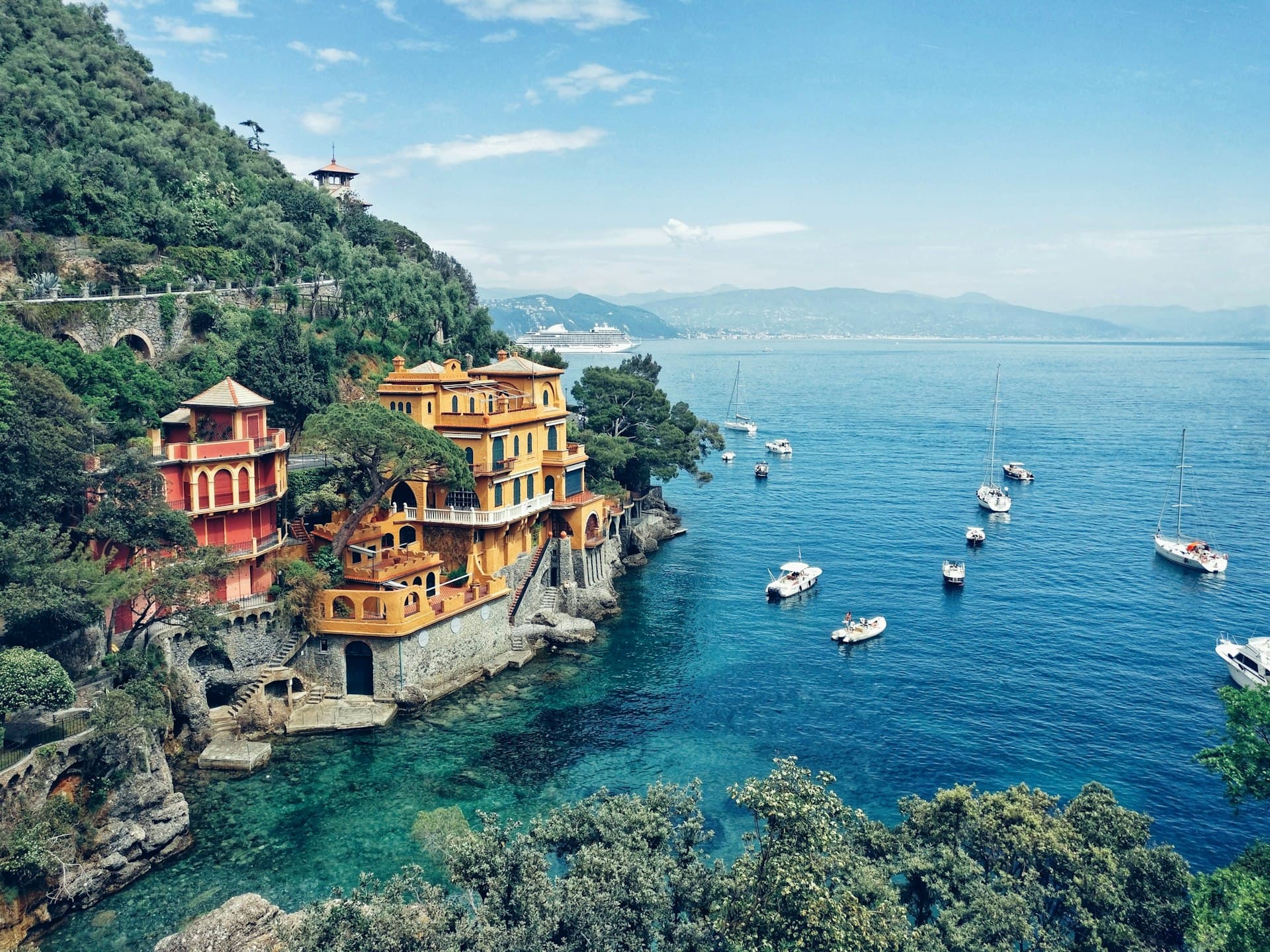 Photo: Kristīne Zāle (Macro Viewpoint) / Unsplash
Самостоятельная аудиопрогулка по Гаэта — GPS-маршрут, офлайн-воспроизведение, увлекательное повествование на 32 языках.
“Где древние легенды встречаются с залитыми солнцем берегами.”
Не открытки. Истории, которые не знают даже местные жители — шепотом в вашем ухе, прямо там, где они произошли.
Отпечаток руки, высеченный на скале Монтанья Спэкката, рассказывает любопытную историю.
Высокая колокольня Кафедрального собора Гаэты в романском стиле хранит секрет, который делает ее великолепные виды редким удовольствием.
Эта драматическая морская пещера, когда-то служившая убежищем пиратов, как говорят, обладает неожиданным, почти музыкальным качеством.
Откройте для себя каждый секрет Гаэта
Каждый адрес, каждое полное раскрытие — в вашем ухе, прямо там, где это произошло.
Вы выбираете остановки. Вы гуляете. Голос раскрывает то, что упускают другие.


Ваш самостоятельный аудиотур по Гаэта готов — выберите свои достопримечательности, выберите свой язык и начните в момент прибытия.
КупитьВ Lume встроен гид дополненной реальности. Поднимите телефон: камера показывает улицу перед вами, а поверх реального изображения светится стрелка, всегда указывающая на вашу следующую остановку — не нужно разбираться с картой и сворачивать не туда. Как и всё в Lume, это работает полностью офлайн.
Гаэта, очаровательный прибрежный город в итальянском регионе Лацио, — это место, где история и природная красота переплетаются. Расположенный на мысе, вдающемся в Тирренское море, он предлагает поразительное сочетание древних укреплений, очаровательного средневекового центра и манящих песчаных пляжей. Гаэта, часто упускаемая из виду путешественниками, спешащими между Римом и Неаполем, предлагает аутентичный итальянский приморский отдых без подавляющего скопления туристов, особенно в непиковые летние месяцы. Его стратегическое расположение обеспечивало ему значимость на протяжении веков, оставив богатое наследие историй и сооружений для изучения посетителями.
Известная как «город ста церквей», Гаэта отличается историческими религиозными зданиями и величественным Кастелло Анджоино-Арагонезе. Помимо архитектурных чудес, город предлагает побережье, усеянное мелкими золотистыми песчаными пляжами и драматическими морскими пещерами, что делает его местом как для культурного погружения, так и для отдыха. Гаэта также славится своей самобытной местной кухней, включая пикантную тиэллу и знаменитые оливки.
## От Древнего Порта до Морской Республики История Гаэты начинается в древние времена, когда она была заселена племенем аврунов, говорившим на оскском языке, еще в 10-9 веках до нашей эры. В 345 году до нашей эры она попала под римское влияние, быстро став излюбленным местом отдыха императоров, консулов и богатых патрициев, которые строили роскошные прибрежные виллы вдоль ее умеренного побережья. Стратегическое положение города как естественного порта было очевидно уже тогда, и его стены датируются римскими временами.
## Средневековое Герцогство и Смена Властей После падения Римской империи Гаэта пережила многочисленные вторжения варваров и сарацин. Примерно в 830 году нашей эры она стала автономным владением, управляемым наследственными гипатами или консулами. Столетием позже она стала Герцогством Гаэта, чеканя собственную валюту и сохраняя определенную степень независимости в течение двух веков. Эта автономия закончилась в 1140 году, когда Роджер II окончательно присоединил Гаэту к Сицилийскому королевству.
## Осады, Папы и Объединение На протяжении Средневековья и вплоть до современной эпохи стратегическое значение Гаэты делало ее частым полем битвы в войнах за контроль над Неаполитанским королевством. Фридрих II Гогенштауфен распорядился о строительстве укреплений, включая части Кастелло Анджоино-Арагонезе, в 13 веке. В 1378 году Гаэта даже служила временной резиденцией антипапы Климента VII. Важное историческое событие произошло в 1848 году, когда Папа Пий IX на девять месяцев нашел убежище в Гаэте после бегства из Римской республики. Город сыграл заметную роль в военной истории, его стены были расширены и укреплены в 15 веке. Последняя осада Гаэты в 1860-1861 годах ознаменовала последний оплот Бурбонской монархии против сил объединенной Италии, что в конечном итоге привело к концу Королевства Обеих Сицилий.
Начните свое исследование в Гаэта Веккья, средневековом историческом центре, где узкие переулки и маленькие улочки создают ощущение вневременности. Кастелло Анджоино-Арагонезе, выдающийся памятник, предлагает заглянуть в укрепленное прошлое города, причем некоторые части датируются 6 и 12 веками.
Гаэта известна как «город ста церквей». Не пропустите Кафедральный собор Гаэты, посвященный Успению Пресвятой Девы Марии и Святым Эразму и Марциану, с его впечатляющей колокольней в романском стиле. Святилище Сантиссима Аннунциата примечательно своей изысканной Капеллой д'Оро (Золотой часовней), украшенной деревом и чистым золотом. Также стоит посетить Церковь Сан Джованни а Маре с ее византийским стилем и куполом с арабским влиянием.
Природные чудеса ждут вас на Монте Орландо, мысе с Монтанья Спэкката (Расколотая гора) и Гротта дель Турко (Пещера турка). Монтанья Спэкката — это трещина в скале, которая, согласно легенде, образовалась в момент смерти Христа. Спуститесь в Гротта дель Турко, морскую пещеру с драматическими скальными образованиями.
Побережье Гаэты предлагает несколько живописных пляжей. Пляж Серапо — главный участок, известный своим мелким золотистым песком и чистой водой. Другие пляжи включают Фонтания Бич, Ариана Бич и Аренаута Бич (также известный как Пляж 300 ступеней).
Гаэта имеет жаркий климат с теплыми летними месяцами и мягкими зимами. Лучшее время для посещения — с апреля по октябрь, когда погода приятна для прогулок и отдыха на пляже. Лето теплое, среднесуточные температуры составляют около 28°C (82°F), а в июле и августе достигают 32°C (90°F). Для менее многолюдного отдыха рассмотрите возможность посещения весной или осенью, особенно по выходным, так как в межсезонье некоторые достопримечательности могут иметь ограниченные часы работы.
Гаэта расположена между Римом и Неаполем, добраться до нее можно на поезде и автобусе. С Римского Термини поезд до станции Формия-Гаэта идет примерно 1-1,5 часа. Из Неаполя поездка на поезде занимает менее часа. От станции Формия-Гаэта регулярные маршрутные автобусы соединяют порт Формия, откуда другой автобус доставит вас до различных остановок в Гаэте и Серапо. В высокий сезон могут быть доступны прямые автобусы от станции до Гаэты. Билеты на автобус можно приобрести в газетных киосках на станции Формия.
Гаэта — город, по которому удобно передвигаться пешком, особенно по его средневековому центру. Хотя 90% пляжа Серапо управляются пляжными клубами, предлагающими шезлонги и удобства за плату, есть и бесплатные общественные участки. В городе говорят по-английски, отчасти из-за небольшого военно-морского присутствия. Гаэта предлагает широкий выбор магазинов, ресторанов и баров.
Гаэта: корейский, китайский, иврит и ещё 29 языков — каждую остановку озвучивает носитель языка. Самый широкий выбор языков среди аудиоэкскурсий без гида.
Доступные языки: