Маяк Галле
Знаменитый белый маяк на бастионе Утрехт — не первоначальный страж Форта Галле.
Полная история открывается в туре
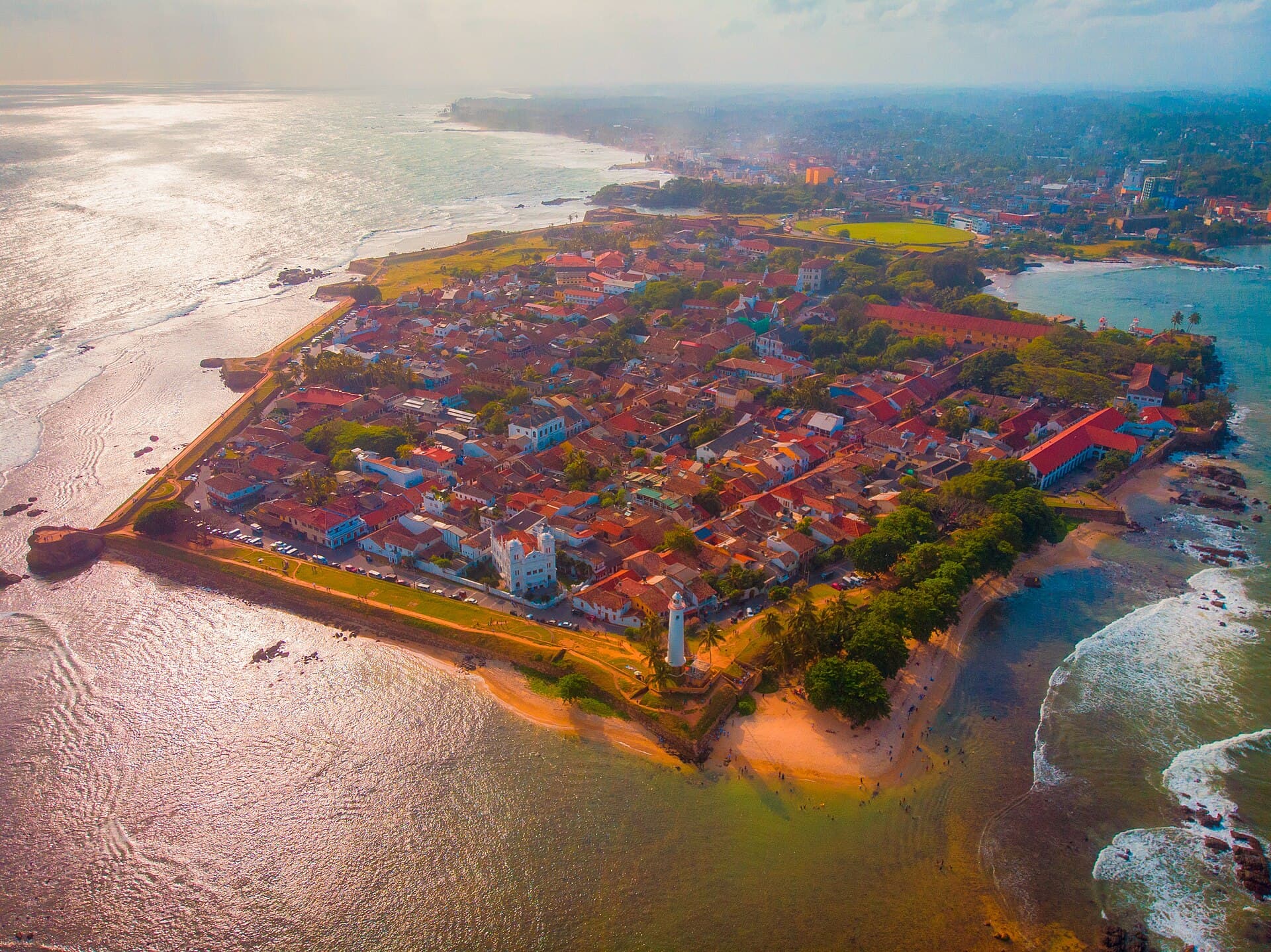 Rovin Shanila / CC BY-SA 4.0, via Wikimedia Commons
Самостоятельная аудиопрогулка по Галле — GPS-маршрут, офлайн-воспроизведение, увлекательное повествование на 32 языках.
“Где древние валы встречаются с ритмом островной жизни.”
Не открытки. Истории, которые не знают даже местные жители — шепотом в вашем ухе, прямо там, где они произошли.
Знаменитый белый маяк на бастионе Утрехт — не первоначальный страж Форта Галле.
Присмотритесь к Старым воротам Форта Галле, и вы обнаружите любопытный символ над входом.
Внушительные каменные стены Форта Галле, объекта Всемирного наследия ЮНЕСКО, скрывают мрачную тайну своего строительства.
Откройте для себя каждый секрет Галле
Каждый адрес, каждое полное раскрытие — в вашем ухе, прямо там, где это произошло.
Вы выбираете остановки. Вы гуляете. Голос раскрывает то, что упускают другие.


Ваш самостоятельный аудиотур по Галле готов — выберите свои достопримечательности, выберите свой язык и начните в момент прибытия.
КупитьВ Lume встроен гид дополненной реальности. Поднимите телефон: камера показывает улицу перед вами, а поверх реального изображения светится стрелка, всегда указывающая на вашу следующую остановку — не нужно разбираться с картой и сворачивать не туда. Как и всё в Lume, это работает полностью офлайн.
Галле, значимый город на юго-западном побережье Шри-Ланки, — это очаровательное место, где многовековая история сливается с пульсом островной жизни. В его центре находится Форт Галле, объект Всемирного наследия ЮНЕСКО, свидетельствующий о европейском колониальном влиянии и южноазиатских традициях. Окруженные массивными каменными бастионами, его изношенные улицы ведут к смеси колониальных вилл, исторических церквей, мечетей и оживленных бутиков.
До прибытия европейцев Галле был известен как Гимхатитта, древний порт, датируемый как минимум II веком н.э., который посещали арабские, персидские, греческие и римские торговцы благодаря его ценным специям, особенно корице. Стратегическое расположение города сделало его важнейшим торговым центром на древнем Морском Шелковом пути. Сегодня Форт Галле — это не просто исторический памятник, а живое, дышащее сообщество, где живут семьи, работают школы и действуют места поклонения. Он предлагает уникальную возможность побродить по сохранившемуся городскому ансамблю, ощущая ощутимую связь с его многослойным прошлым.
Город простирается за пределы крепостных стен, предлагая взглянуть на местную шри-ланкийскую культуру с ее оживленными рынками и близостью к прекрасным пляжам. Галле предлагает более медленный ритм жизни, чем шумная столица Коломбо, приглашая посетителей исследовать его архитектурные чудеса, насладиться кухней мирового класса и полюбоваться красивыми закатами с древних крепостных стен.
История Галле уходит корнями в глубокую древность, первые упоминания о нем появляются на карте мира Птолемея между 125–150 гг. н.э., где он обозначен как оживленный порт, ведущий торговлю с Грецией, арабскими странами и Китаем. Марокканский путешественник Ибн Баттута посетил порт в 1342 году, назвав его Кали. Цейлонская корица, экспортировавшаяся с 1400 г. до н.э., вероятно, сделала Галле значимым торговым центром специй.
Европейская глава истории Галле началась в 1505 году, когда португальский флот, отклонившийся от курса из-за шторма, высадился на его берегах. Они основали небольшой форт под названием Санта-Крус, первоначально построенный из пальмовых деревьев и грязи, а позже расширили его сторожевой башней и тремя бастионами. Португальцы использовали форт как тюремный лагерь для сингальских туземцев, выступавших против их правления. Однако их укрепления считались примитивными.
В 1640 году голландцы в союзе с королем Раджасинхой II захватили Галле у португальцев. Осознав его стратегическое значение, Голландская Ост-Индская компания (VOC) с 1649 года значительно укрепила город, превратив его в впечатляющее сооружение, которое мы видим сегодня. Они построили массивные каменные крепостные стены и 14 бастионов, демонстрируя передовую военную инженерию. Под голландским правлением Галле достиг вершины своего развития в XVIII веке, став столицей острова, пока в 1656 году его не сменил Коломбо.
Британцы взяли под контроль Форт Галле в 1796 году, через неделю после захвата Коломбо. Хотя он оставался их южной штаб-квартирой, значение Галле как порта снизилось в середине XIX века, когда британцы развивали Коломбо. Британцы внесли несколько изменений, включая закрытие рва, строительство дополнительных домов и возведение маяка на бастионе Утрехт в 1848 году, а также часовой башни в 1883 году в честь юбилея королевы Виктории. Форт выдержал разрушительное цунами 2004 года, которое сильно повредило другие части города Галле, хотя некоторая вода пробилась через крепостные стены.
Сегодня Форт Галле признан объектом Всемирного наследия ЮНЕСКО за уникальное сочетание европейской архитектуры и южноазиатских традиций, представляя собой укрепленный город, иллюстрирующий взаимодействие культур с XVI по XIX века.
Ядро очарования Галле находится в пределах крепостных стен Форта Галле, который лучше всего исследовать пешком. Начните свое путешествие с исторической Часовой башни, построенной в 1833 году, откуда открывается вид на Международный стадион для крикета Галле. Оттуда пройдитесь по внешним стенам и бастионам — примерно 2-километровому маршруту, который предлагает обширные виды на океан, особенно захватывающие на закате. Маяк Галле, видная белая постройка на бастионе Утрехт, является популярным местом для фотографий и любования закатом.
Внутри форта побродите по узким, извилистым улочкам, открывая для себя смесь зданий колониальной эпохи, стильных бутиков и местных предприятий. Ключевые архитектурные достопримечательности включают Голландскую реформатскую церковь (Groote Kerk), построенную в 1755 году, одну из старейших протестантских церквей Шри-Ланки, действующую до сих пор. Неподалеку Англиканская церковь Всех Святых, построенная в конце 1800-х годов, является образцом архитектуры в стиле неоготики. Мечеть Миран, буддийский храм и различные колониальные виллы еще больше подчеркивают многоэтническое и многоконфессиональное население форта.
Старый голландский госпиталь, здание XVIII века с колоннадой, был переоборудован в оживленный торговый и ресторанный комплекс с видом на океан. Для более глубокого погружения в прошлое региона посетите Национальный морской музей, расположенный в бывшем складском помещении Голландской Ост-Индской компании. Не пропустите улицу Педлар, известную своими магазинами.
Идеальное время для посещения Галле — с декабря по апрель, когда количество осадков минимально, что создает идеальные условия для изучения форта и его достопримечательностей. Февраль-апрель обычно характеризуются минимальными осадками и спокойным морем, что отлично подходит для активного отдыха. Хотя Галле можно посещать круглый год, юго-западный муссон приносит больше дождей с мая по сентябрь. Температура в Галле обычно колеблется от 23℃ (74℉) до 31℃ (87.8℉).
До Галле легко добраться из Коломбо на поезде, автобусе или частном такси, причем поездка на поезде предлагает живописное прибрежное путешествие. Внутри Форта самым приятным способом исследования его узких улиц и крепостных стен является пешая прогулка. Тук-туки легко доступны прямо за пределами форта для коротких поездок.
Местная валюта — шри-ланкийские рупии (LKR); доллары США, фунты стерлингов и евро можно обменять. Банкоматы и банки легко доступны в Галле. Хотя в целом здесь безопасно, стоит быть внимательным к своим вещам, чтобы предотвратить мелкие кражи. Одиноким женщинам-путешественницам следует проявлять осторожность, находясь в одиночестве ночью. Одевайтесь скромно, особенно при посещении религиозных объектов, прикрывая плечи и колени, и снимайте обувь перед входом в храмы. Wi-Fi широко доступен в отелях, гостевых домах, кафе и ресторанах.
Галле: корейский, китайский, иврит и ещё 29 языков — каждую остановку озвучивает носитель языка. Самый широкий выбор языков среди аудиоэкскурсий без гида.
Доступные языки: