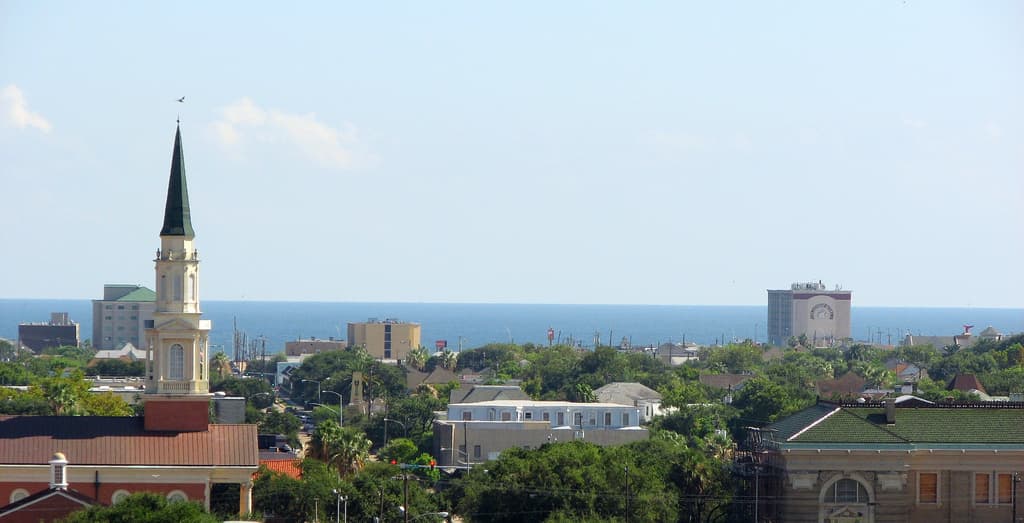
The Strand Historic District
La 'Wall Street del Sud-Ovest' di Galveston nasconde un segreto sul suo stesso nome.
La storia completa si sblocca nel tour
 Nsaum75 / CC BY-SA 3.0, via Wikimedia Commons
Tour audio autoguidato di Galveston — percorso GPS a piedi, riproduzione offline, narrazione coinvolgente in 32 lingue.
“Dove la grandezza vittoriana incontra la resilienza della Costa del Golfo.”
Non le cartoline. Le storie che nemmeno i locali conoscono — sussurrate nel tuo orecchio, proprio dove sono accadute.
La 'Wall Street del Sud-Ovest' di Galveston nasconde un segreto sul suo stesso nome.
Questa opulenta dimora fu acquistata per una frazione del suo valore a causa di un evento devastante.
Molti degli alberi di quercia dell'isola raccontano una storia di resilienza artistica dopo una grande tempesta.
Scopri ogni segreto di Galveston
Ogni indirizzo, ogni rivelazione completa — nel tuo orecchio, proprio dove è accaduta.
Scegli le tue tappe. Cammini. La voce rivela ciò che gli altri perdono.
Il tuo tour audio autoguidato di Galveston è pronto — scegli i tuoi punti di interesse, seleziona la tua lingua e inizia nel momento in cui arrivi.
AcquistaLume include una guida in realtà aumentata. Alza il telefono: la fotocamera mostra la strada davanti a te, con una freccia luminosa sovrapposta all'immagine reale che punta sempre verso la tua prossima tappa — nessuna mappa da decifrare, nessuna svolta sbagliata. Come tutto in Lume, funziona completamente offline.
Galveston, una città su un'isola barriera al largo della costa del Golfo del Texas, offre un mix avvincente di carattere storico e fascino costiero. Un tempo la città più grande e ricca del Texas, servì come porto cruciale e porta d'accesso al Sud-Ovest per tutto il XIX secolo, accogliendo oltre duecentocinquantamila immigrati europei tra il 1840 e il 1870. Il suo paesaggio architettonico testimonia questo passato prospero, con una delle più grandi collezioni di edifici commerciali dell'era vittoriana negli Stati Uniti.
Nonostante abbia affrontato numerose sfide, inclusi devastanti uragani, Galveston ha ripetutamente dimostrato una notevole resilienza. La determinazione della città è forse meglio incarnata dalla costruzione della sua iconica Seawall e dall'ambizioso progetto di innalzamento del terreno che seguì la catastrofica tempesta del 1900. Oggi, Galveston continua ad attrarre visitatori con la sua profonda storia, i diversi eventi culturali e chilometri di spiagge sulla costa del Golfo.
## Primi inizi e tana di pirati L'isola di Galveston fu inizialmente abitata dagli indiani Karankawa. L'esploratore spagnolo Álvar Núñez Cabeza de Vaca potrebbe essere naufragato qui nel 1528, vivendo tra i Karankawa. L'isola prese il nome da Bernardo de Gálvez, un governatore coloniale spagnolo, dal geometra José de Evia nel 1786, sebbene Gálvez stesso non abbia mai messo piede sull'isola.
All'inizio del XIX secolo, Galveston divenne un rifugio per il famigerato pirata e corsaro francese Jean Lafitte. Dal 1817 al 1820, Lafitte stabilì un avamposto di contrabbando chiamato Campeche sull'isola, gestendo una rete attraverso il Golfo del Messico. Il suo complesso, Maison Rouge, ospitava circa 1.000 persone. La redditizia attività di Lafitte includeva pirateria, contrabbando e commercio illegale di schiavi. Fu infine costretto a evacuare dalla Marina degli Stati Uniti nel 1820, bruciando il suo insediamento prima di partire.
## L'ascesa di una città portuale Galveston fu costituita nel 1839 e il suo porto naturale in acque profonde la rese rapidamente un vitale centro economico. Servì come porto principale per la Marina del Texas durante la Rivoluzione del Texas e persino brevemente come capitale della Repubblica del Texas nel 1836. Dalla metà degli anni '70 alla metà degli anni '90 del XIX secolo, Galveston raggiunse l'apice della sua prosperità, diventando nota come il "Wall Street del Sud-Ovest". Fortuni furono fatti nel cotone, nelle case mercantili, nel settore bancario e nella spedizione. La città fu leader nei progressi tecnologici per il Texas, essendo la prima ad avere luci a gas nel 1856, luci elettriche nel 1883 e un telefono nel 1878.
## La Grande Tempesta e una resilienza senza precedenti Il periodo di boom della città terminò bruscamente con la Grande Tempesta del 1900, il disastro naturale più mortale nella storia degli Stati Uniti. L'uragano, con venti superiori a 190 km/h, uccise almeno 6.000 dei 44.000 abitanti dell'isola e distrusse due terzi degli edifici della città. In risposta, Galveston intraprese un'straordinaria impresa ingegneristica: la costruzione di un muro marino in cemento alto 17 piedi (circa 5 metri), largo 17 piedi (circa 5 metri), lungo oltre 10 miglia (circa 16 km), e l'innalzamento del livello della città di una media di cinque piedi (circa 1,5 metri). Questo monumentale progetto, completato in fasi tra il 1902 e il 1911, protesse la città dalle future mareggiate e testimonia l'incrollabile spirito di Galveston.
## Galveston moderna Sebbene l'approfondimento del Canale di Houston nel 1914 abbia spostato gran parte del commercio di Galveston, la città continuò ad evolversi. Dal 1924 al 1957, guadagnò la reputazione di "città portuale aperta" nota per il gioco d'azzardo e vari divertimenti. Nella seconda metà del XX secolo, Galveston abbracciò la conservazione storica e il turismo, con la Galveston Historical Foundation, fondata nel 1871, che svolse un ruolo significativo. Oggi, la preservata architettura vittoriana della città, i musei e le attrazioni costiere continuano ad attrarre visitatori, celebrando il suo passato unico e resiliente.
La profonda storia di Galveston e l'ambiente costiero offrono numerosi punti di interesse. Lo Strand National Historic Landmark District invita all'esplorazione, con una collezione di edifici commerciali dell'era vittoriana che ora ospitano negozi, ristoranti e gallerie d'arte. Qui, puoi esplorare il Texas Seaport Museum e il 1877 Tall Ship Elissa, un National Historic Landmark.
Per gli appassionati di architettura, una passeggiata attraverso l'East End Historic District rivela una vasta gamma di stili, tra cui Greek Revival, vittoriano, Queen Anne e Colonial Revival. Da non perdere il Bishop's Palace, un esempio prominente di architettura Queen Anne e Richardsonian Romanesque. Il Moody Mansion, una casa in stile Romanesque Revival di 31 stanze completata nel 1895, offre tour che descrivono la vita di una potente famiglia texana.
La Galveston Seawall, un monumentale risultato ingegneristico costruito dopo l'uragano del 1900, si estende per oltre 10 miglia lungo il lungomare e offre sia protezione che una popolare area ricreativa. Dopo l'uragano Ike nel 2008, molti degli alberi di quercia danneggiati dell'isola furono trasformati in intricate sculture arboree da artisti locali, concentrate in particolare nell'East End Historical District, offrendo un tour artistico autoguidato unico.
Altre attrazioni degne di nota includono l'Ocean Star Offshore Drilling Rig & Museum e il Grand 1894 Opera House.
Galveston offre un clima temperato tutto l'anno. Per il clima più piacevole con meno folla e prezzi migliori per l'alloggio, considera una visita in primavera (marzo-aprile) o in autunno (ottobre-novembre). La primavera porta temperature gradevoli e uccelli migratori, con eventi come il Mardi Gras all'inizio della stagione. L'autunno offre temperature più miti, acque limpide e una vivace stagione di festival, tra cui l'Island Oktoberfest e Dickens on The Strand. L'estate (maggio-settembre) è l'alta stagione, con temperature più elevate e folle più numerose, ideale per attività balneari e sport acquatici. L'inverno (dicembre-febbraio) offre temperature miti, con eventi natalizi e la Galveston Restaurant Week a gennaio.
L'isola di Galveston è un'isola barriera situata a circa 80 km a sud di Houston, Texas. L'isola è lunga circa 45 km e larga fino a 5 km. L'accesso all'isola avviene solitamente tramite una strada rialzata dalla terraferma.
Una volta sull'isola, sono disponibili diverse opzioni di trasporto. L'area storica del centro, incluso The Strand, è in gran parte percorribile a piedi. Per esplorare più lontano, considera un'auto, una bicicletta o il servizio di tram locale. Il parcheggio a pagamento in strada è disponibile in centro, insieme a diversi parcheggi e garage. Molte delle case storiche e dei musei di Galveston offrono tour, quindi è consigliabile controllare in anticipo gli orari di apertura individuali e le informazioni sui biglietti. Gli alloggi vanno dagli hotel storici nel quartiere di The Strand agli affitti per vacanze sulla spiaggia. Si consiglia di prenotare in anticipo, soprattutto durante l'alta stagione (maggio-settembre) o i principali festival.
Galveston — coreano, cinese, ebraico e altre 29 lingue, ogni tappa narrata da una voce madrelingua. La più ampia scelta di lingue tra i tour audio autoguidati.
Disponibile in: