Герцогский дворец Гандии
Герцогский дворец Гандии, некогда дом могущественной семьи Борха, хранит в своих стенах тайну, выходящую за пределы роскошных залов эпохи Возрождения.
Полная история открывается в туре
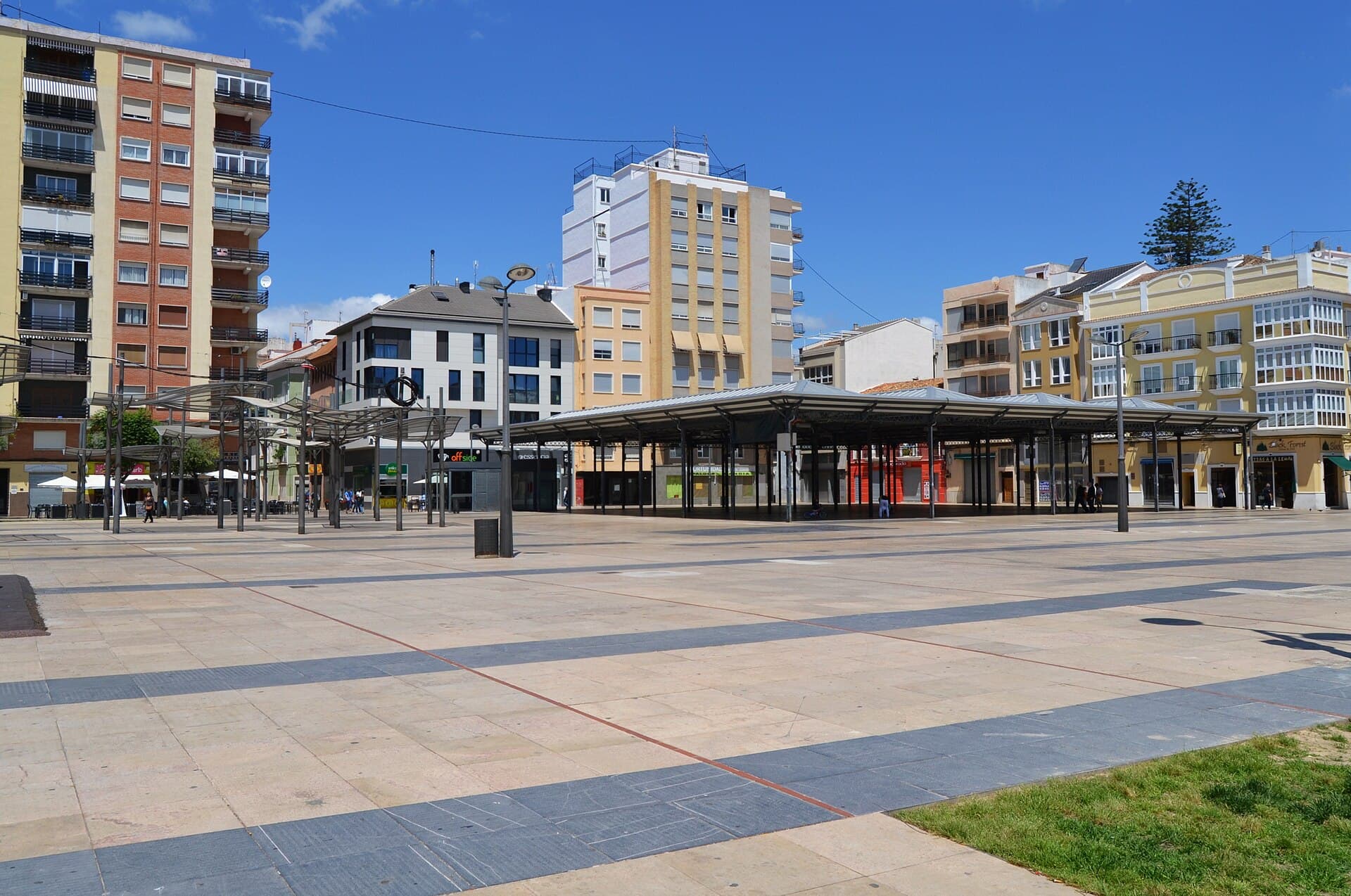 Joanbanjo / CC BY-SA 3.0, via Wikimedia Commons
Самостоятельная аудиопрогулка по Гандия — GPS-маршрут, офлайн-воспроизведение, увлекательное повествование на 32 языках.
“Где наследие Борджиа встречается со средиземноморским солнцем.”
Не открытки. Истории, которые не знают даже местные жители — шепотом в вашем ухе, прямо там, где они произошли.
Герцогский дворец Гандии, некогда дом могущественной семьи Борха, хранит в своих стенах тайну, выходящую за пределы роскошных залов эпохи Возрождения.
Знаменитая фидеуа из Гандии, блюдо из морепродуктов с лапшой, имеет удивительно практичную историю происхождения, начавшуюся в открытом море.
Во время ежегодной Фиры и Фестас в Гандии по городу шествует причудливая фигура, не только объявляющая о празднике, но и выполняющая уникальную гражданскую обязанность.
Откройте для себя каждый секрет Гандия
Каждый адрес, каждое полное раскрытие — в вашем ухе, прямо там, где это произошло.
Вы выбираете остановки. Вы гуляете. Голос раскрывает то, что упускают другие.


Ваш самостоятельный аудиотур по Гандия готов — выберите свои достопримечательности, выберите свой язык и начните в момент прибытия.
КупитьВ Lume встроен гид дополненной реальности. Поднимите телефон: камера показывает улицу перед вами, а поверх реального изображения светится стрелка, всегда указывающая на вашу следующую остановку — не нужно разбираться с картой и сворачивать не туда. Как и всё в Lume, это работает полностью офлайн.
Гандия, прибрежный город в провинции Валенсия, предлагает сочетание исторической глубины и оживленного средиземноморского очарования. Это место, где наследие влиятельной знатной семьи переплетается с обширными золотыми пляжами и оживленной местной культурой. Гандия разделена на две основные зоны: исторический город Гандия и более современная Гандия Плая (пляж Гандии), каждая из которых предлагает свой уникальный опыт. Город расположен на широкой равнине, защищенной горами, что способствует его мягкому микроклимату, идеальному для окружающих апельсиновых рощ и плодородных рисовых полей.
Помимо репутации популярного туристического направления, особенно летом, Гандия сохраняет аутентичный испанский характер, проявляющийся в ее кухне, фестивалях и исторической архитектуре. Посетители могут проводить утро, исследуя многовековые памятники, а вторую половину дня — отдыхая на берегу Средиземного моря. Приверженность Гандии устойчивому туризму также очевидна благодаря таким инициативам, как услуги проката электросамокатов, доступные по всему городу.
Ищете ли вы культурного погружения, пляжного отдыха или гастрономических приключений, Гандия предлагает многогранный опыт. От своих древних стен до оживленной набережной город приглашает к исследованиям, предлагая заглянуть в валенсийскую жизнь, где традиции и современный досуг сосуществуют.
## От римских времен до герцогского величия История Гандии восходит к римским временам, хотя ее самый выдающийся период начался в средневековье. Стратегическое расположение города недалеко от побережья сделало его важным городом в Королевстве Валенсия, основанном после христианского завоевания в 1239–1240 годах. К концу XIV века в Гандии началось строительство Герцогского дворца, первоначально представлявшего собой укрепленный городской замок.
## Семья Борха и эпоха Возрождения Самая значительная глава в истории Гандии, несомненно, связана с семьей Борха (Борджиа). Они приобрели поместье в 1485 году, и дворец стал резиденцией герцогов Гандии, начиная с кардинала Родриго Борджиа, который позже стал папой Александром VI. Борджиа были одной из самых влиятельных и противоречивых династий эпохи Возрождения, известной своим влиянием как в Испании, так и в Италии. Под их владением, особенно во времена Марии Энрикес, дворец пережил период значительного культурного расцвета, привлекая в регион престижных итальянских художников эпохи Возрождения.
## Центр обучения и веры Четвертый герцог, Святой Франциск Борджиа, родившийся во дворце в 1510 году, сыграл ключевую роль в развитии Гандии. Он основал первый Университет Гандии, еще больше укрепив важность города как культурного центра. После правления семьи Борха Герцогский дворец был отреставрирован и преобразован в святилище Обществом Иисуса, отражая его непреходящее религиозное значение.
## Современная Гандия: сохранение прошлого Сегодня Герцогский дворец Гандии является монументальным свидетельством обширной истории и культурного наследия города, демонстрируя увлекательное сочетание готического, ренессансного и барочного стилей. Он остается активным культурным центром, ежегодно привлекая десятки тысяч посетителей и играя решающую роль в сохранении валенсийской истории. Другие исторические места включают Коллегиальную церковь Санта-Мария, готическое место поклонения, и древние городские стены, предлагающие дальнейшее представление о прошлом Гандии.
Гандия предлагает разнообразные достопримечательности, сочетающие исторические места с современным досугом. Герцогский дворец Гандии — главное место назначения, бывшая резиденция семьи Борха, демонстрирующая многовековую архитектурную эволюцию от готики до барокко. Экскурсии с гидом позволяют познакомиться с его роскошными интерьерами, включая Золотую галерею и Королевский зал.
Для любителей пляжного отдыха Плайя Норд — главный городской пляж Гандии, протяженностью почти 3 километра с мелким золотым песком и чистой водой. Он предлагает широкий спектр услуг, включая водные виды спорта и оживленную набережную с ресторанами и барами. Для более нетронутого отдыха Плайя де л'Ауир — это 2-километровый участок песка, имеющий экологическое значение, с дюнами и меньшим количеством зданий. Другие пляжи, такие как Венеция и Рафалькаид, предлагают более тихие, полугородские условия.
В историческом центре города исследуйте Коллегиальную церковь Санта-Мария, готическую церковь архитектурного значения, и Археологический музей Гандии (MAGA). Пассейдж де лес Жерманес — это бульвар, обсаженный деревьями с фонтанами, идеально подходящий для прогулок. Для интересующихся местной культурой Музей Фальеров предлагает познакомиться со знаменитым фестивалем Фальяс в городе. Не упустите возможность попробовать местную гастрономию, особенно культовую фидеуа, в одном из многочисленных ресторанов вдоль пляжа или в районе Грао.
Лучшее время для посещения Гандии с приятной погодой и меньшим количеством туристов — весна (с апреля по июнь) и осень (сентябрь-октябрь). В эти переходные сезоны температура комфортная, колеблется от 19 до 27°C (66-81°F) в июне. Летние месяцы, июль и август, популярны для пляжного отдыха, но город может быть довольно многолюдным, а температура может достигать 31°C (88°F). Морская вода наиболее приятна в августе, в среднем 26°C (78°F). Октябрь — самый дождливый месяц, а июль — самый сухой.
До Гандии легко добраться на поезде из Валенсии, поездка занимает около часа. Ближайший аэропорт — Валенсия (VLC), откуда можно добраться до Гандии на поезде или автобусе. Передвигаться по Гандии удобно. Город удобен для велосипедистов с выделенными велосипедными дорожками, а также доступны услуги проката электросамокатов. Общественные автобусы, такие как L'Urbà и La Marina Gandiense, соединяют центр города с пляжем и часто курсируют в течение дня. Такси также легко доступны.
Местные языки — испанский и валенсийский, диалект каталанского. Английский язык обычно понимают в туристических районах, но знание нескольких основных фраз на испанском или валенсийском может быть полезным. Гандия считается в целом безопасным городом для путешественников, хотя всегда рекомендуется соблюдать стандартные меры предосторожности, такие как избегание плохо освещенных мест ночью и не демонстрирование ценностей. Валюта — евро (€).
Гандия: корейский, китайский, иврит и ещё 29 языков — каждую остановку озвучивает носитель языка. Самый широкий выбор языков среди аудиоэкскурсий без гида.
Доступные языки: