De naam van de stad, Gatlinburg
De stad is vernoemd naar een man die, volgens velen, niet goed werd aangeschreven door zijn buren.
Volledig verhaal ontgrendeld in de tour
 Don McCulley / CC0, via Wikimedia Commons
Zelfgeleide audiowandeling door Gatlinburg — GPS-route, offline afspelen, meeslepende vertelling in 32 talen.
“Waar bergkarakter onverwachte geschiedenissen ontmoet.”
Niet de ansichtkaarten. De verhalen die zelfs locals niet kennen — gefluisterd in je oor, precies waar ze gebeurden.
De stad is vernoemd naar een man die, volgens velen, niet goed werd aangeschreven door zijn buren.
Dit populaire aquarium herbergt meer permanente bewoners dan de gehele menselijke bevolking van Gatlinburg.
Diners in dit eerbiedwaardige restaurant kunnen een spookachtige gast tegenkomen die nog steeds zoekt naar een verloren liefde.
Ontdek elk geheim van Gatlinburg
Elk adres, elke onthulling volledig — in je oor, precies waar het gebeurde.
Jij kiest je stops. Jij wandelt. De stem onthult wat de anderen missen.
Je zelfgeleide audiotour van Gatlinburg is klaar — kies je bezienswaardigheden, kies je taal en start zodra je aankomt.
KopenLume heeft een ingebouwde augmented-reality-gids. Houd je telefoon omhoog: de camera toont de straat voor je, met een oplichtende pijl over het echte beeld die altijd naar je volgende stop wijst — geen kaart om uit te puzzelen, geen verkeerde afslagen. Zoals alles in Lume werkt het volledig offline.
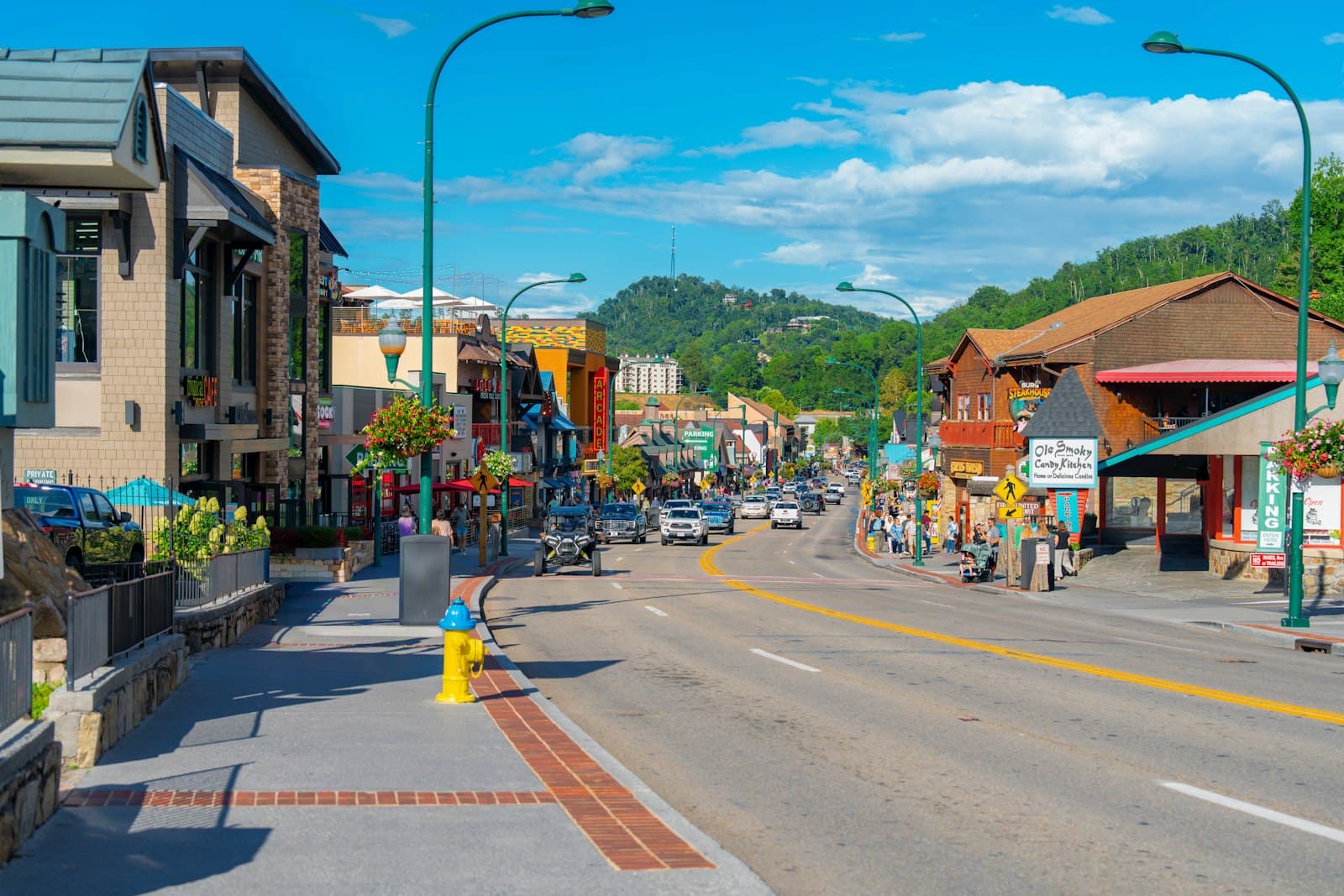
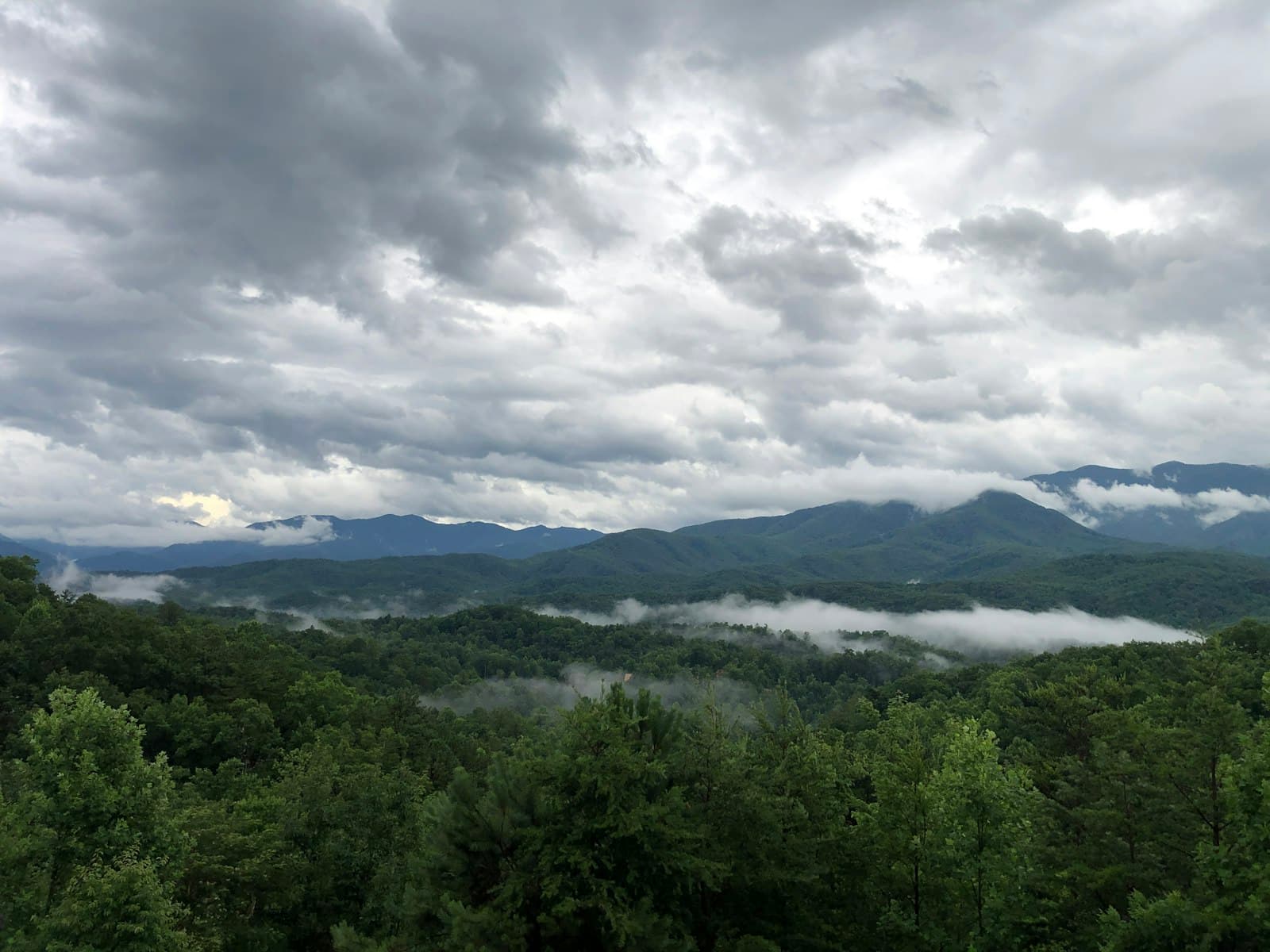
Gatlinburg, Tennessee, dient als dynamische toegangspoort tot de uitgestrekte wildernis van het Great Smoky Mountains National Park. Dit bergdorp, met zijn unieke mix van Appalachian traditie en hedendaagse attracties, trekt jaarlijks miljoenen bezoekers. Van de levendige Parkway, bezaaid met winkels en eetgelegenheden, tot de rustige paden van het omliggende nationale park, Gatlinburg biedt een diversiteit aan ervaringen. Het is een plek waar de grootsheid van oude bergen samenkomt met de warmte van zuidelijke gastvrijheid, en nodigt uit tot zowel verkenning als rust.
De reis van het dorp van een bescheiden pioniersnederzetting tot een bloeiende resortbestemming spreekt tot zijn blijvende aantrekkingskracht. Of u nu op zoek bent naar buitenavontuur, een glimp van lokale kunst, of simpelweg een vredige bergresort, Gatlinburg biedt een gedenkwaardige omgeving. De nabijheid van een van de meest bezochte nationale parken in de Verenigde Staten verstevigt zijn status als een premier bergresort verder.
Het land dat nu bekend staat als Gatlinburg werd oorspronkelijk bewoond door de inheemse Cherokee-bevolking. Europese kolonisatie begon in de vroege jaren 1800, waarbij Martha Jane Huskey Ogle en haar familie waarschijnlijk de eerste permanente niet-inheemse kolonisten waren, die arriveerden in 1807. Ze bouwden een hut, die vandaag de dag nog steeds te bezichtigen is nabij het stadscentrum. De nederzetting stond aanvankelijk bekend als White Oak Flats, genoemd naar de overvloedige witte eikenbomen die het landschap bezaaiden.
De naam van de stad veranderde rond 1857 in Gatlinburg, na de aankomst van Radford C. Gatlin in 1854. Gatlin vestigde de tweede algemene winkel van de stad, en toen de eerste postkantoor daar werd opgericht, nam de gemeenschap zijn naam aan. Ondanks dat de stad zijn naam droeg, was Gatlin een controversieel figuur, bekend om geschillen met zijn buren en het aanhangen van pro-secessie standpunten in een grotendeels pro-Unie gebied. Hij werd uiteindelijk in 1859 uit de gemeenschap verbannen.
De Burgeroorlog bracht aanzienlijke uitdagingen met zich mee voor Gatlinburg. Hoewel Tennessee zich bij de Confederatie aansloot, steunde de Smoky Mountain regio grotendeels de Unie. De stad probeerde neutraliteit te handhaven, maar werd in 1863 bezet door Confederale troepen vanwege de nabijheid van Alum Cave, een bron van salpeter voor buskruit. Unie-troepen verdreven uiteindelijk de Confederaten tijdens de Slag bij Burg Hill.
In de late 19e en vroege 20e eeuw werden houtkap en hout de dominante industrieën, die profiteerden van de dichte bossen. Deze periode bracht economische groei, maar ook milieuproblemen door de uitputting van bossen.
Gatlinburg's transformatie tot een toeristische bestemming kreeg aanzienlijke momentum met de oprichting van het Great Smoky Mountains National Park in 1934. De inhuldiging van het park trok bezoekers aan die graag de natuurlijke schoonheid wilden ervaren, wat leidde tot een toename van het toerisme. Motels, hutten en attracties begonnen te verschijnen, gericht op het groeiende aantal reizigers. De stad werd officieel opgenomen in 1945.
Gelijktijdig vond er een culturele opleving plaats, waarbij kunstenaars en ambachtslieden naar het gebied verhuisden om hun vaardigheden te demonstreren. De Great Smoky Arts and Crafts Community, opgericht in 1937, werd een van de grootste gemeenschappen van onafhankelijke kunstenaars in het land, wat de unieke aantrekkingskracht van Gatlinburg verder versterkte en bijdroeg aan een beweging van "cottage craft industry".
Gatlinburg biedt een breed scala aan attracties, van de natuurlijke pracht van de Great Smoky Mountains tot unieke culturele ervaringen. Het Great Smoky Mountains National Park is de belangrijkste trekpleister, met mogelijkheden voor wandelen, wildobservatie en schilderachtige ritten. Clingmans Dome, het hoogste punt van de Smokies, biedt een weids uitzicht waar men op een heldere dag delen van Tennessee, North Carolina en Georgia kan onderscheiden.
Voor een verhoogd perspectief op de stad en de omliggende bergen is de Gatlinburg SkyBridge de langste hangbrug voor voetgangers in Noord-Amerika, die 680 voet over een diepe vallei overspant. Een andere verhoogde ervaring is de Anakeesta schilderachtige chondola stoeltjeslift, die bezoekers 600 voet naar de top van de berg transporteert. Voor wie op zoek is naar winterrecreatie, is Ober Mountain het enige skiresort van Tennessee.
De Great Smoky Arts & Crafts Community is een lus van 8 mijl die het werk van lokale kunstenaars toont, en biedt de kans om houtsnijders, wevers, pottenbakkers en meer aan het werk te zien. Voor iets echt onderscheidends, het Salt and Pepper Shaker Museum herbergt meer dan 20.000 sets. Gezinnen genieten vaak van Ripley's Aquarium of the Smokies, erkend voor zijn diverse onderwaterleven en interactieve tentoonstellingen. De Historic Ogle Cabin, de eerste hut gebouwd in Gatlinburg, is ook te bezichtigen bij het Gatlinburg Welcome Center.
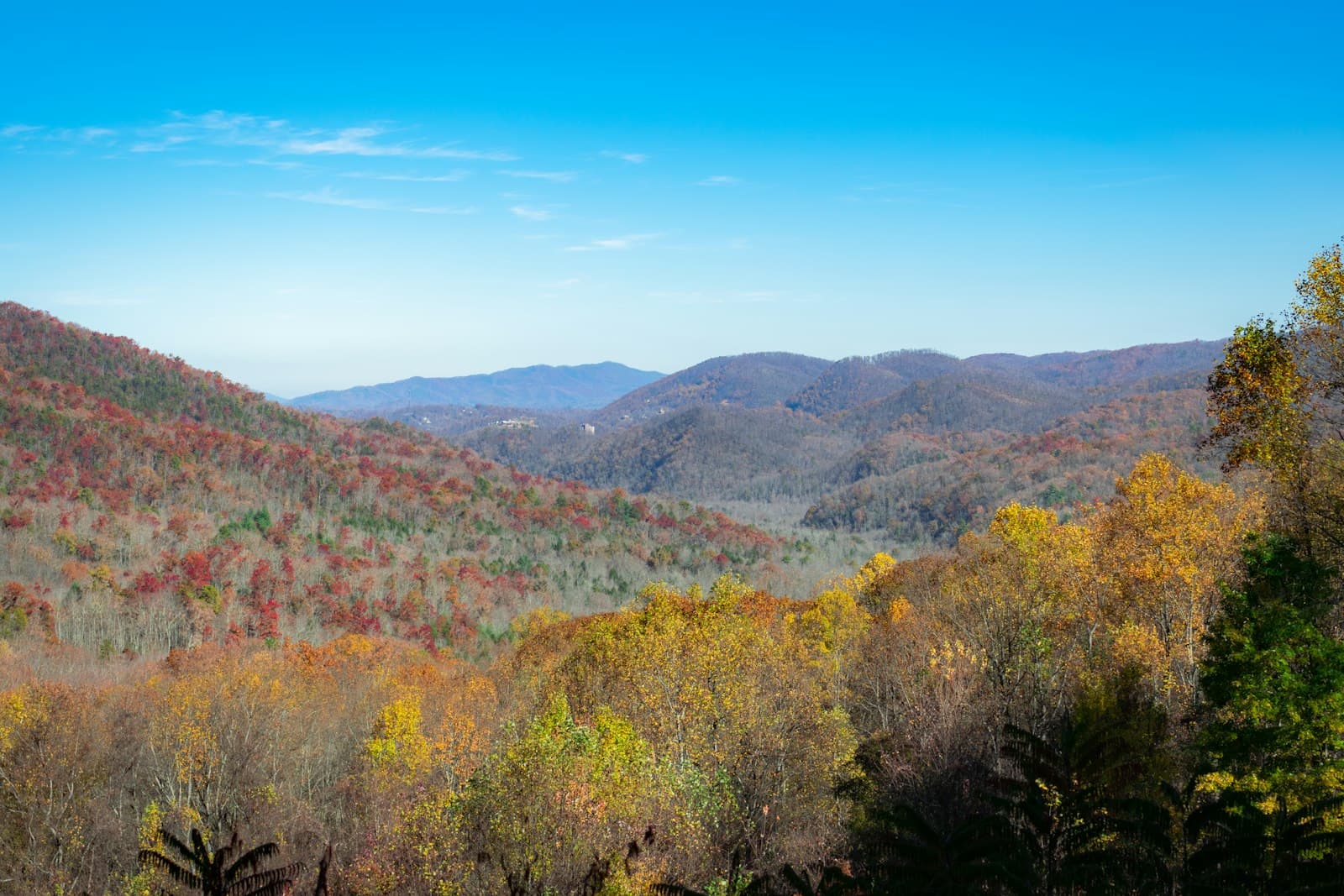
Gatlinburg is een bestemming het hele jaar door, waarbij elk seizoen unieke ervaringen biedt. Zomer (juni-augustus) is het hoogseizoen, met warm weer, koele bergwinden en alle attracties geopend. Verwacht grotere drukte en mogelijke verkeersopstoppingen gedurende deze periode. Herfst (september-oktober) wordt algemeen beschouwd als de meest gunstige tijd om te bezoeken, met milde temperaturen (hoogtepunten tussen 18-27°C) en spectaculaire herfstkleuren. Lente (maart-mei) brengt bloeiende wilde bloemen en aangename temperaturen (halverwege de 10-20°C), ideaal voor wandelpaden. Winter (december-februari) transformeert Gatlinburg in een besneeuwd landschap, met mogelijkheden om te skiën en andere winteractiviteiten bij Ober Mountain.
Gatlinburg is een stad die gemakkelijk te voet te verkennen is, vooral langs de Parkway, en een gratis trolleybus verbindt vele populaire locaties, waaronder Ripley's Aquarium, Anakeesta en Ober Mountain. Houd er bij het reizen binnen het Great Smoky Mountains National Park rekening mee dat populaire wandelpaden vroeg vol kunnen raken, vooral tijdens het hoogseizoen. Het wordt aangeraden om parkactiviteiten bij zonsopgang te beginnen om drukte te vermijden. Hoewel Gatlinburg en het nabijgelegen Pigeon Forge slechts zes mijl van elkaar verwijderd zijn, bieden ze verschillende sferen; Gatlinburg is over het algemeen rustiger met boetiekjes en ambachtelijke winkels, terwijl Pigeon Forge energieker is met outlets en grotere attracties zoals Dollywood. Houd bij het plannen van uw reis rekening met het vooraf reserveren van accommodaties en attracties, met name tijdens de zomer en herfst, om beschikbaarheid te garanderen en mogelijk langere wachttijden te vermijden.
Gatlinburg — Koreaans, Chinees, Hebreeuws en nog 29 talen, elke stop verteld door een moedertaalspreker. Het grootste taalaanbod van alle zelfgeleide audiotours.
Beschikbaar in: