Slottstorget
Elke december verschijnt er een geliefd maar gedoemd figuur in Gävle, wat een stadsbreed kat-en-muisspel ontketent.
Volledig verhaal ontgrendeld in de tour
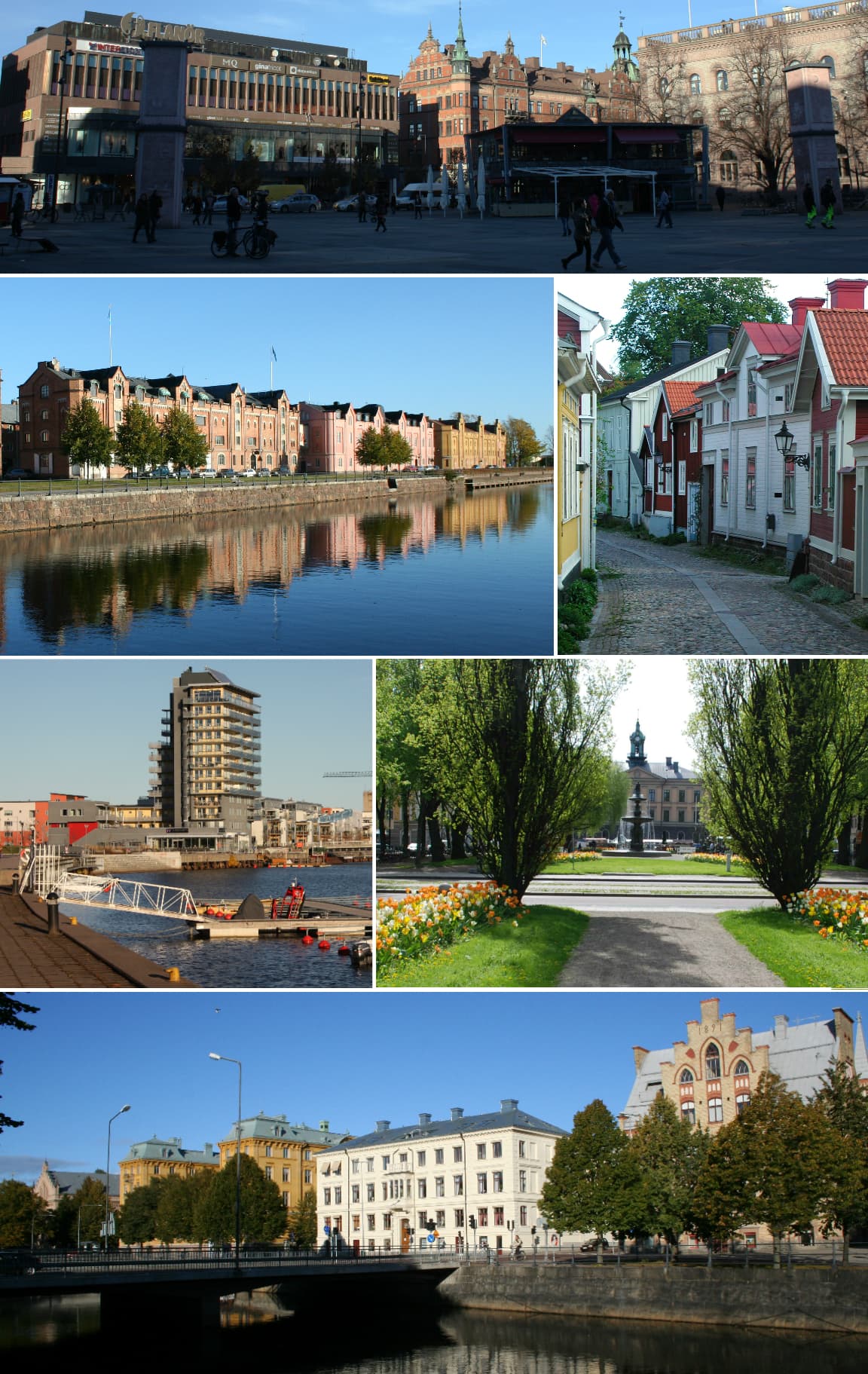 Inte en katt / CC BY-SA 3.0, via Wikimedia Commons
Zelfgeleide audiowandeling door Gävle — GPS-route, offline afspelen, meeslepende vertelling in 32 talen.
“Waar de Oostzee een stad van verrassende tradities en rustige hoekjes ontmoet.”
Niet de ansichtkaarten. De verhalen die zelfs locals niet kennen — gefluisterd in je oor, precies waar ze gebeurden.
Elke december verschijnt er een geliefd maar gedoemd figuur in Gävle, wat een stadsbreed kat-en-muisspel ontketent.
Naast zijn serene parklandschap herbergt deze groene ruimte een bizar geheim over een zeer grote, zeer openbare maaltijd.
De charmante, goed bewaarde houten huizen van de oude stad van Gävle verbergen een verleden dat veel volatieler is dan hun huidige rust doet vermoeden.
Ontdek elk geheim van Gävle
Elk adres, elke onthulling volledig — in je oor, precies waar het gebeurde.
Jij kiest je stops. Jij wandelt. De stem onthult wat de anderen missen.
Je zelfgeleide audiotour van Gävle is klaar — kies je bezienswaardigheden, kies je taal en start zodra je aankomt.
KopenLume heeft een ingebouwde augmented-reality-gids. Houd je telefoon omhoog: de camera toont de straat voor je, met een oplichtende pijl over het echte beeld die altijd naar je volgende stop wijst — geen kaart om uit te puzzelen, geen verkeerde afslagen. Zoals alles in Lume werkt het volledig offline.
Gävle, een havenstad aan de Zweedse Oostzeekust, biedt een mix van maritiem erfgoed, stedelijke parken en een onderscheidend lokaal karakter. Gelegen aan de monding van de Gavle-rivier, dient de stad als regionale hoofdstad van de provincie Gävleborg en is historisch gezien een belangrijk industrieel en handelsknopenpunt geweest. De locatie biedt gemakkelijke toegang tot zowel de archipel als de omliggende bossen, en biedt een verscheidenheid aan natuurlijke ontsnappingen.
Het stadscentrum wordt gekenmerkt door een mix van historische architectuur en moderne ontwikkelingen, met voetgangersvriendelijke straten en openbare pleinen. Naast zijn functionele rol als regionaal centrum, behoudt Gävle een gastvrije sfeer, die uitnodigt tot het verkennen van zijn unieke tradities en groene ruimtes. Van zijn beroemde, vaak betwiste strooien geit tot zijn verrassend veerkrachtige oude stad, Gävle onthult zichzelf als een plek met verhalen te vertellen.
## Vroege Begin en Handel De geschiedenis van Gävle gaat terug tot de 11e eeuw, met de vroegst bekende nederzetting. De strategische ligging aan de monding van de Gavle-rivier, met toegang tot de Oostzee, maakte het tot een belangrijk handelspost. De stad ontving officieel haar marktrechten in 1446 van koning Christoffel van Beieren, waardoor het een van de oudste steden van Zweden is. De vroege handel richtte zich op producten uit de omliggende bossen en mijnen, waaronder ijzer, hout en bont.
## Branden en Wederopbouw Een terugkerend thema in de geschiedenis van Gävle is de kwetsbaarheid voor verwoestende branden. De stad is meerdere keren grotendeels verwoest en herbouwd. Grote branden in 1776 en 1843 vormden het stadsbeeld opnieuw. De meest destructieve gebeurtenis vond echter plaats in 1869, toen een enorme brand, die naar verluidt in een brouwerij begon, tweederde van de stad verwoestte. Deze catastrofe leidde tot een uitgebreide wederopbouw, resulterend in het rasterpatroon van straten dat vandaag de dag in een groot deel van het stadscentrum zichtbaar is. De gebieden ten zuiden van de Gavle-rivier, waaronder het charmante Gamla Gefle (Oud Gävle), bleven grotendeels gespaard van deze brand, waardoor een deel van de oudere houten architectuur van de stad behouden bleef.
## Industriële Groei en Moderniteit In de late 19e en 20e eeuw kende Gävle een aanzienlijke industriële groei, met name in de scheepvaart, hout en pulp en papier. De haven van de stad bleef cruciaal voor de handel, wat de export van Zweedse goederen vergemakkelijkte. Het spoorwegnetwerk breidde zich ook uit, waardoor de rol van Gävle als logistiek knooppunt verder werd versterkt. In deze periode werden veel van de grotere stenen gebouwen in het stadscentrum gebouwd, wat de welvaart van die tijd weerspiegelt. Vandaag de dag blijft Gävle een belangrijk regionaal centrum, dat zijn industriële erfgoed balanceert met een focus op onderwijs, cultuur en openbare diensten.
Begin uw verkenning op Slottstorget, de thuisbasis van Kasteel Gävle, een 16e-eeuwse vesting die nu administratieve kantoren herbergt. In december wordt hier de Gävle Bok geplaatst. Wandel door Gamla Gefle, de oude stad, met zijn smalle straatjes en goed bewaarde houten huizen die de grote brand van 1869 hebben overleefd. Dit gebied biedt een kijkje in het pre-industriële verleden van Gävle.
Voor een dosis groen kunt u Boulognerskogen bezoeken, een groot stadspark met wandelpaden, speeltuinen en een populair openlucht zwembad in de zomer. Het Spoorwegmuseum (Järnvägsmuseet) toont de Zweedse spoorweggeschiedenis met een uitgebreide collectie locomotieven en rijtuigen. Kunstliefhebbers kunnen het Gävle Konstcentrum verkennen, dat hedendaagse kunsttentoonstellingen organiseert. Mis het Zweedse Gevangenismuseum (Fängelsemuseet) niet, gevestigd in een voormalige gevangenis, dat inzicht biedt in de geschiedenis van misdaad en straf in Zweden.
De beste tijd om Gävle te bezoeken is tijdens de zomermaanden, van juni tot augustus, wanneer het weer mild en aangenaam is, ideaal om te genieten van buitenactiviteiten en de archipel. De parken van de stad staan in volle bloei en de daglichturen zijn lang. Voor degenen die geïnteresseerd zijn in de Gävle Bok-traditie, biedt een bezoek in december een unieke, zij het koudere, ervaring.
Gävle is goed bereikbaar per trein vanuit Stockholm, met frequente diensten naar Gävle Centraal Station, op loopafstand van het stadscentrum. De dichtstbijzijnde luchthaven is Gävle-Sandviken Airport (GVX), hoewel Stockholm Arlanda Airport (ARN) een grotere internationale hub is met goede treinverbindingen. Binnen de stad bieden openbare bussen een uitgebreide dekking. Taxi's zijn ook beschikbaar. Accommodatiemogelijkheden variëren van hotels in het stadscentrum tot pensions. De Zweedse Kroon (SEK) is de lokale valuta. De meeste etablissementen accepteren creditcards.
Gävle — Koreaans, Chinees, Hebreeuws en nog 29 talen, elke stop verteld door een moedertaalspreker. Het grootste taalaanbod van alle zelfgeleide audiotours.
Beschikbaar in: