Der Phalgu-Fluss
Der Phalgu-Fluss fließt durch Gaya, doch eine besondere Eigenschaft seines Wassers prägt seit jeher die lokalen Praktiken.
Die ganze Geschichte wird in der Tour freigeschaltet
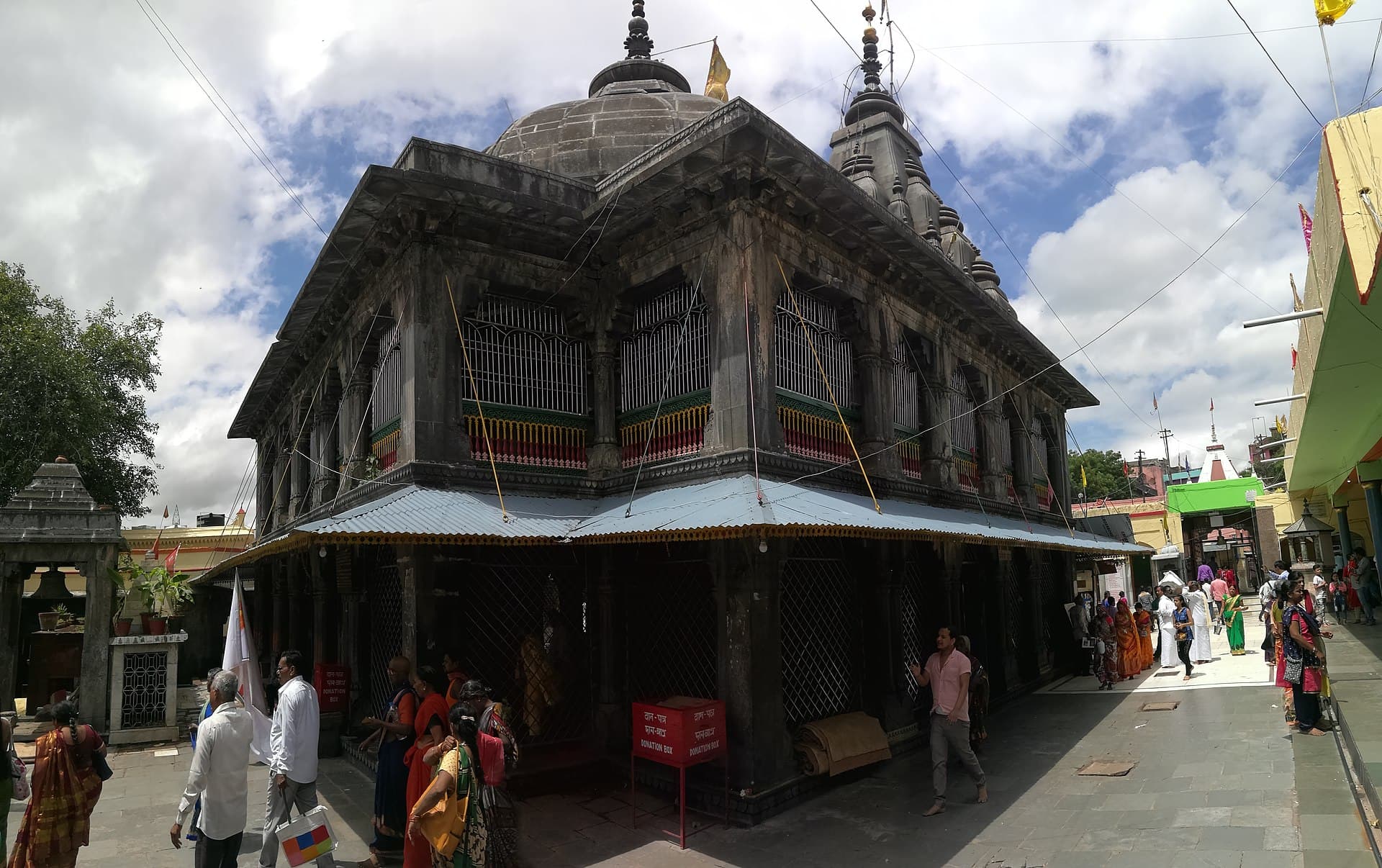 Surajkumar12111 / CC BY-SA 4.0, via Wikimedia Commons
Selbstgeführte Audio-Walking-Tour durch Gaya — GPS-Route, Offline-Wiedergabe, erzählerische Narration in 32 Sprachen.
“Wo alte Rituale den Weg zur Erleuchtung kreuzen.”
Nicht die Postkarten. Die Geschichten, die selbst Einheimische nicht kennen – dir ins Ohr geflüstert, genau dort, wo sie geschahen.
Der Phalgu-Fluss fließt durch Gaya, doch eine besondere Eigenschaft seines Wassers prägt seit jeher die lokalen Praktiken.
Unter den vielen verehrten Stätten von Gaya bietet ein Tempel, der die Göttin Parvati ehrt, neben seinen spirituellen Angeboten einen überraschenden, praktischen Dienst.
Diese antiken Felsenhöhlen aus der Maurya-Zeit bergen in ihren polierten Wänden ein Geheimnis, das ihr architektonisches Wunder übersteigt.
Entdecke jedes Geheimnis von Gaya
Jede Adresse, jede Enthüllung vollständig – in deinem Ohr, genau dort, wo es geschah.
Du wählst deine Stationen. Du gehst. Die Stimme enthüllt, was andere übersehen.


Deine selbstgeführte Audio-Tour durch Gaya ist bereit – wähle deine Sehenswürdigkeiten, deine Sprache und starte, sobald du ankommst.
KaufenLume enthält einen integrierten Augmented-Reality-Guide. Halten Sie Ihr Handy hoch: Die Kamera zeigt die Straße vor Ihnen, mit einem leuchtenden Pfeil über dem echten Bild, der immer auf Ihren nächsten Stopp zeigt — keine Karte zum Rätseln, keine falschen Abzweigungen. Wie alles bei Lume funktioniert es komplett offline.
Gaya, eine Stadt im indischen Bundesstaat Bihar, ist ein tiefgreifendes spirituelles Zentrum, in dem Hinduismus und Buddhismus miteinander verflochten sind. Gelegen am heiligen Fluss Phalgu und umgeben von felsigen Hügeln, ist es ein Ziel für Pilger und Reisende, die spirituellen Trost und einen Einblick in beständige Traditionen suchen. Für Hindus ist Gaya ein verehrter Ort für die Durchführung von 'Pind Daan'-Ritualen, bei denen Gebete für die Ahnen gesprochen werden, um deren Frieden und Erlösung zu sichern. Das spirituelle Gewicht der Stadt ist tief in epischen Erzählungen wie dem Ramayana und Mahabharata verwoben, die ihre Bedeutung als Zentrum für Ahnenriten unterstreichen.
Nur 16 Kilometer entfernt liegt Bodh Gaya, der Ort, an dem Siddhartha Gautama unter dem Bodhi-Baum Erleuchtung erlangte und zum Buddha wurde. Diese Nähe macht Gaya zu einem wichtigen Anlaufpunkt für Buddhisten auf der ganzen Welt, die den Mahabodhi-Tempel, ein UNESCO-Weltkulturerbe, und zahlreiche Klöster besuchen. Die Stadt bietet eine unverwechselbare Mischung aus alten Tempeln, historischen Stätten und lebhaften Märkten und ermöglicht eine tiefgreifende kulturelle Reise, die Jahrtausende umspannt.
## Antike Ursprünge und mythologische Wurzeln Gayas Geschichte reicht über 2.500 Jahre zurück, was sie zu einer der ältesten kontinuierlich bewohnten Städte Indiens macht. Ihre Anfänge sind in Mythologie gehüllt, wobei der Name der Stadt angeblich vom Dämon Gayasura stammt, der von Lord Vishnu bezwungen wurde. Laut dem hinduistischen Epos Ramayana reiste Lord Rama zusammen mit Sita und Lakshmana nach Gaya, um 'Pind Daan' für seinen Vater Dasharatha durchzuführen, was ihre Position als primärer Ort für Ahnenriten festigte. Das Mahabharata erwähnt Gaya auch als Gayapuri und unterstreicht damit seine alte Bedeutung.
## Aufstieg von Imperien und buddhistischer Einfluss Um das 6. Jahrhundert v. Chr. entwickelte sich Gaya zu einem wichtigen kulturellen und religiösen Zentrum in der Region Magadha. In dieser Zeit erlangte Siddhartha Gautama in Bodh Gaya, unweit der Stadt, die Erleuchtung, was die Entstehung des Buddhismus markierte. Gaya gedieh unter dem mächtigen Maurya-Reich (321–187 v. Chr.), das seine Herrschaft über den indischen Subkontinent hinaus ausdehnte. Kaiser Ashoka, eine Schlüsselfigur bei der Verbreitung des Buddhismus, errichtete im 3. Jahrhundert v. Chr. den ersten Tempel in Bodh Gaya zum Gedenken an Buddhas Erleuchtung. Die Barabar-Höhlen, Indiens älteste Felsenhöhlen, stammen ebenfalls aus der Maurya-Zeit und zeugen von der fortschrittlichen architektonischen Meisterschaft der Ära.
## Goldenes Zeitalter und mittelalterliche Transformationen Die Stadt blühte unter der Gupta-Dynastie (4.-6. Jahrhundert n. Chr.) weiter auf, einer Zeit, die oft als 'Goldenes Zeitalter Indiens' bezeichnet wird und den Bau und die Erweiterung vieler hinduistischer und buddhistischer Tempel erlebte. Nach dem Niedergang dieser alten Reiche erlebte Gaya verschiedene Herrscher, darunter muslimische Herrscher im 12. Jahrhundert und Sher Shah im späten 16. Jahrhundert, bevor sie unter die Mogulherrschaft geriet. Die heutige Struktur des Vishnupad-Tempels, einer bedeutenden hinduistischen Pilgerstätte, wurde 1787 von Königin Ahilyabai Holkar von Indore wieder aufgebaut. Nach der Schlacht von Buxar im Jahr 1764 fiel Gaya an die Briten und verblieb bis zur Unabhängigkeit Indiens im Jahr 1947 unter ihrer Herrschaft.
Beginnen Sie Ihre Erkundung im Mahabodhi-Tempelkomplex in Bodh Gaya, einem UNESCO-Weltkulturerbe, wo der Bodhi-Baum den Ort von Buddhas Erleuchtung markiert. Dieses architektonische Wunderwerk mit seinem 170 Fuß hohen pyramidenförmigen Design bietet ein Refugium für Meditation und Kontemplation. In der Nähe bietet die Große Buddha-Statue, ein 80 Fuß hohes Monument, eine beeindruckende moderne Hommage.
Für hinduistische Pilger ist der Vishnupad-Tempel am Ufer des Phalgu-Flusses von größter Bedeutung. Er beherbergt einen 40 cm großen Fußabdruck, der als der von Lord Vishnu gilt, und dient als zentraler Ort für 'Pind Daan'-Rituale. Eine weitere bedeutende hinduistische Stätte ist der Mangla Gauri Tempel, einer der 51 Shakti Peethas, der einer Form der Göttin Sati gewidmet ist.
Reisen Sie zu den Barabar-Höhlen, etwa eine Autostunde nördlich von Gaya, um Indiens älteste Felsenarchitektur aus dem 3. Jahrhundert v. Chr. zu bestaunen. Diese Höhlen sind bekannt für ihre polierten Innenräume und ihre besondere Akustik. Die Dungeshwari-Höhlentempel, auch bekannt als Mahakala-Höhlen, sind der Ort, an dem Buddha angeblich sechs Jahre lang meditierte, bevor er die Erleuchtung erlangte. Erkunden Sie zusätzlich die verschiedenen internationalen Klöster, wie das Royal Bhutan Monastery und den Thai Temple and Monastery, die jeweils unterschiedliche architektonische Stile und ruhige Umgebungen präsentieren.
Die ideale Zeit für einen Besuch in Gaya sind die kühleren Monate von Oktober bis März. In dieser Zeit ist das Wetter angenehm und trocken, mit Temperaturen zwischen 5°C und 20°C, was es perfekt für Besichtigungen und Outdoor-Aktivitäten macht. Diese Jahreszeit fällt auch mit mehreren buddhistischen Festen zusammen, was die kulturelle Reise bereichert. Die Pilgersaison für Bodh Gaya dauert von September bis Januar und zieht viele Besucher an. Es ist ratsam, die intensiven Sommermonate (April-Juni), wenn die Temperaturen 40°C überschreiten können, und die Monsunzeit (Juni-September) zu meiden, die erhebliche Regenfälle und erhöhte Luftfeuchtigkeit mit sich bringt.
Gaya ist hervorragend an Luft-, Schienen- und Straßenverkehr angebunden. Der Gaya International Airport (GAY) bietet Flüge zu wichtigen indischen Städten wie Delhi und Kolkata sowie zu internationalen Zielen wie Bangkok und Yangon. Gaya Junction ist ein wichtiger Bahnhof an der Route Delhi-Kolkata mit häufigen Zügen aus ganz Indien. Regelmäßige Busverbindungen verbinden Gaya mit nahegelegenen Städten wie Patna und Varanasi. Innerhalb der Stadt sind Auto-Rikschas und Taxis für die Fortbewegung leicht verfügbar.
Wenn Sie zu Besuch sind, kleiden Sie sich bescheiden, besonders an religiösen Stätten, und denken Sie daran, Ihre Schuhe auszuziehen, bevor Sie Tempel betreten. Obwohl im Allgemeinen sicher, ist es ratsam, sich Ihrer Umgebung bewusst zu sein und Vorsichtsmaßnahmen gegen Kleinkriminalität zu treffen. Auf lokalen Märkten ist Feilschen üblich. Eine Reise von 2-3 Tagen reicht in der Regel aus, um die Hauptattraktionen von Gaya und Bodh Gaya zu erkunden.
Gaya — Koreanisch, Chinesisch, Hebräisch und 29 weitere Sprachen, jede Station von einer muttersprachlichen Stimme erzählt. Die größte Sprachauswahl aller selbstgeführten Audiotouren.
Verfügbar auf: