Castello di Gaziantep
Le pietre del castello nascondono un segreto sulla sua vera età, molto più antica di quanto sembri.
La storia completa si sblocca nel tour
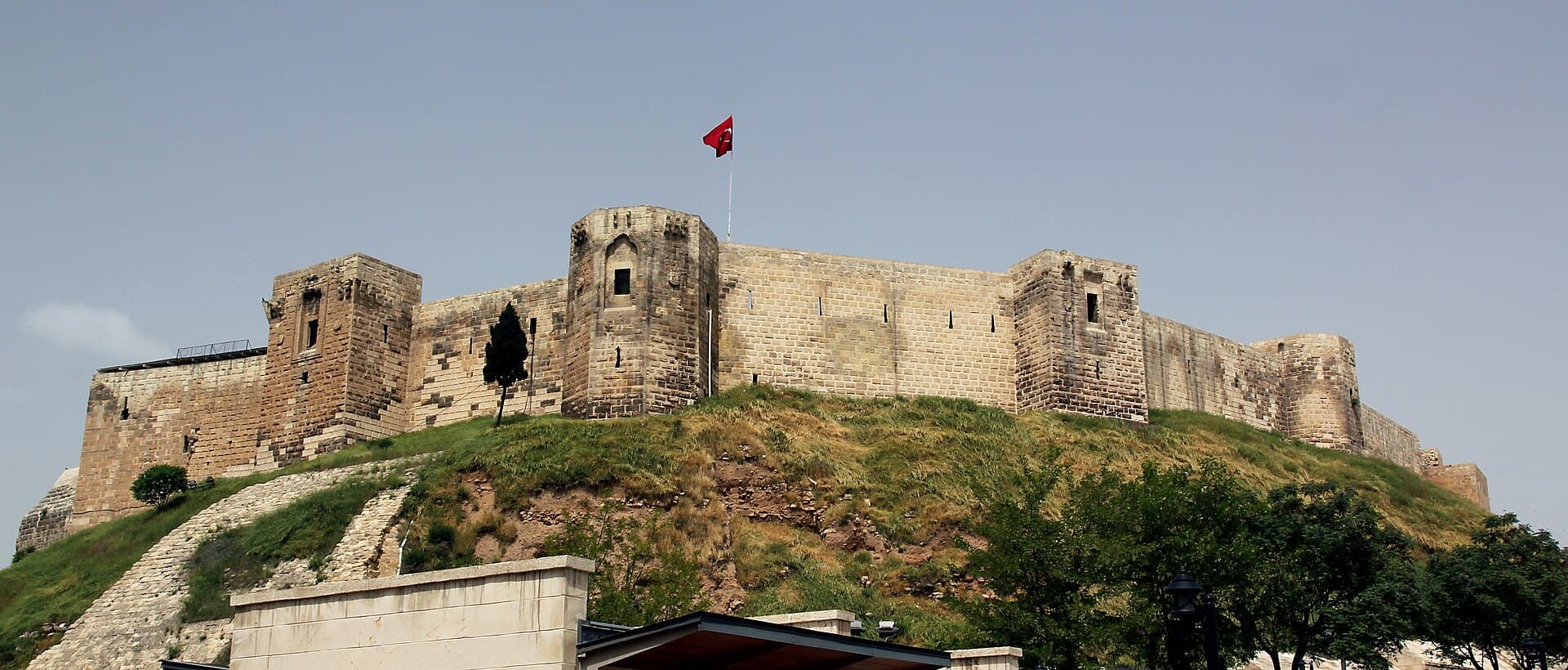 Klaus-Peter Simon / CC BY-SA 3.0, via Wikimedia Commons
Tour audio autoguidato di Gaziantep — percorso GPS a piedi, riproduzione offline, narrazione coinvolgente in 32 lingue.
“Dove antichi sapori sussurrano storie moderne.”
Non le cartoline. Le storie che nemmeno i locali conoscono — sussurrate nel tuo orecchio, proprio dove sono accadute.
Le pietre del castello nascondono un segreto sulla sua vera età, molto più antica di quanto sembri.
Tra il ritmo dei martelli, un suono particolare annunciava un dolce unico e speciale.
Il mosaico della 'Ragazza Gitana', il volto più famoso di Gaziantep, è stato quasi perso nelle acque di una diga in aumento.
Scopri ogni segreto di Gaziantep
Ogni indirizzo, ogni rivelazione completa — nel tuo orecchio, proprio dove è accaduta.
Scegli le tue tappe. Cammini. La voce rivela ciò che gli altri perdono.


Il tuo tour audio autoguidato di Gaziantep è pronto — scegli i tuoi punti di interesse, seleziona la tua lingua e inizia nel momento in cui arrivi.
AcquistaLume include una guida in realtà aumentata. Alza il telefono: la fotocamera mostra la strada davanti a te, con una freccia luminosa sovrapposta all'immagine reale che punta sempre verso la tua prossima tappa — nessuna mappa da decifrare, nessuna svolta sbagliata. Come tutto in Lume, funziona completamente offline.
Gaziantep, una città nel sud-est della Turchia, presenta una fusione avvincente di esistenza secolare e arte culinaria. Riconosciuta frequentemente come il cuore gastronomico della Turchia, la sua fama per il cibo straordinario la precede, attirando i visitatori in un regno di sapori profondi e intricati. Oltre ai celebrati pistacchi e baklava, Gaziantep offre un passaggio attraverso millenni di sforzi umani, dalle prime civiltà all'Impero Ottomano.
Il carattere della città è scolpito dalla sua posizione vantaggiosa sulle storiche rotte commerciali, un nesso che ha unito diverse culture e influenze. Questa eredità risuona nei suoi vivaci mercati, nella sua architettura resiliente e nell'accoglienza genuina dei suoi abitanti. Un soggiorno qui non è semplicemente un viaggio; è un'immersione in un ricco tessuto culturale, un luogo dove ogni angolo di strada sembra narrare una storia e ogni pasto è una commemorazione di un costume duraturo.
La narrazione di Gaziantep si estende nella profonda antichità, con prove archeologiche che indicano un'abitazione continua per migliaia di anni. L'area servì come importante centro durante il periodo Ittita, sperimentando successivamente il dominio assiro, persiano e macedone. Prosperò veramente sotto l'Impero Romano, quando era conosciuta come Doliche, una città di notevole statura.
Dopo il declino dell'influenza romana, Gaziantep conobbe varie durate di controllo bizantino e arabo. I Turchi Selgiuchidi arrivarono nell'XI secolo, segnando una transizione significativa nel paesaggio culturale e spirituale della regione. La città divenne poi parte dell'Impero Ottomano all'inizio del XVI secolo, un periodo che vide un'espansione e un perfezionamento sostanziali. Sotto il dominio ottomano, Gaziantep fiorì come centro di commercio e artigianato specializzato, particolarmente noto per i suoi tessuti, oggetti in rame e articoli in pelle.
All'inizio del XX secolo, sorsero nuove difficoltà. Durante la Guerra d'Indipendenza Turca, Gaziantep svolse un ruolo coraggioso, resistendo vigorosamente alle forze occupanti. La sua coraggiosa difesa le valse l'onorificenza di 'Gazi', che significa 'veterano' o 'vittorioso', che fu ufficialmente aggiunta al suo nome nel 1921, trasformando 'Antep' in 'Gaziantep'. Oggi, la città è una testimonianza della sua duratura determinazione, un luogo che mantiene con rispetto il suo passato abbracciando il suo futuro come centro urbano contemporaneo e dinamico.
Inizia il tuo viaggio al Castello di Gaziantep, un imponente edificio che offre ampie viste sulla città e uno sguardo sul suo vasto passato. Nelle vicinanze, il Museo dei Mosaici di Zeugma ospita una delle collezioni di mosaici romani più significative al mondo, inclusa l'accattivante 'Ragazza Gitana'.
Immergiti nell'eredità artigianale della città al Bazar dei Ramai (Bakırcılar Çarşısı), dove il ritmo dei martelli degli artigiani del rame crea un paesaggio sonoro distintivo. Passeggia tra i mercati delle spezie aromatiche e assaggia le prelibatezze locali. Non trascurare il Centro di Arti Culinarie di Gaziantep (Emine Göğüş Mutfak Müzesi), che offre una comprensione della rinomata cultura gastronomica della regione. Per un momento di tranquillità, visita le Sorgenti Termali di Naib, note per le loro acque ristoratrici.
I periodi più favorevoli per visitare Gaziantep sono la primavera (da aprile a giugno) e l'autunno (da settembre a novembre). In questi mesi, il clima è piacevolmente mite, perfetto per esplorare le attrazioni all'aperto della città e assaporare le sue selezioni culinarie senza l'intenso caldo estivo o il freddo invernale.
L'aeroporto internazionale di Gaziantep Oğuzeli (GZT) serve la città con voli nazionali e alcuni internazionali. I taxi sono facilmente disponibili dall'aeroporto. All'interno della città, autobus pubblici e dolmuş (taxi condivisi) offrono un trasporto efficiente. Molte attrazioni centrali sono raggiungibili anche a piedi. La valuta locale è la Lira Turca (TRY). Sebbene alcuni esercizi più grandi accettino carte di credito, è consigliabile portare contanti per negozi e mercati più piccoli.
Gaziantep — coreano, cinese, ebraico e altre 29 lingue, ogni tappa narrata da una voce madrelingua. La più ampia scelta di lingue tra i tour audio autoguidati.
Disponibile in: