Fonte de Netuno
A icônica Fonte de Netuno em Gdańsk já guardou um segredo bastante divertido, brevemente retirado de vista pública.
História completa desbloqueada no tour
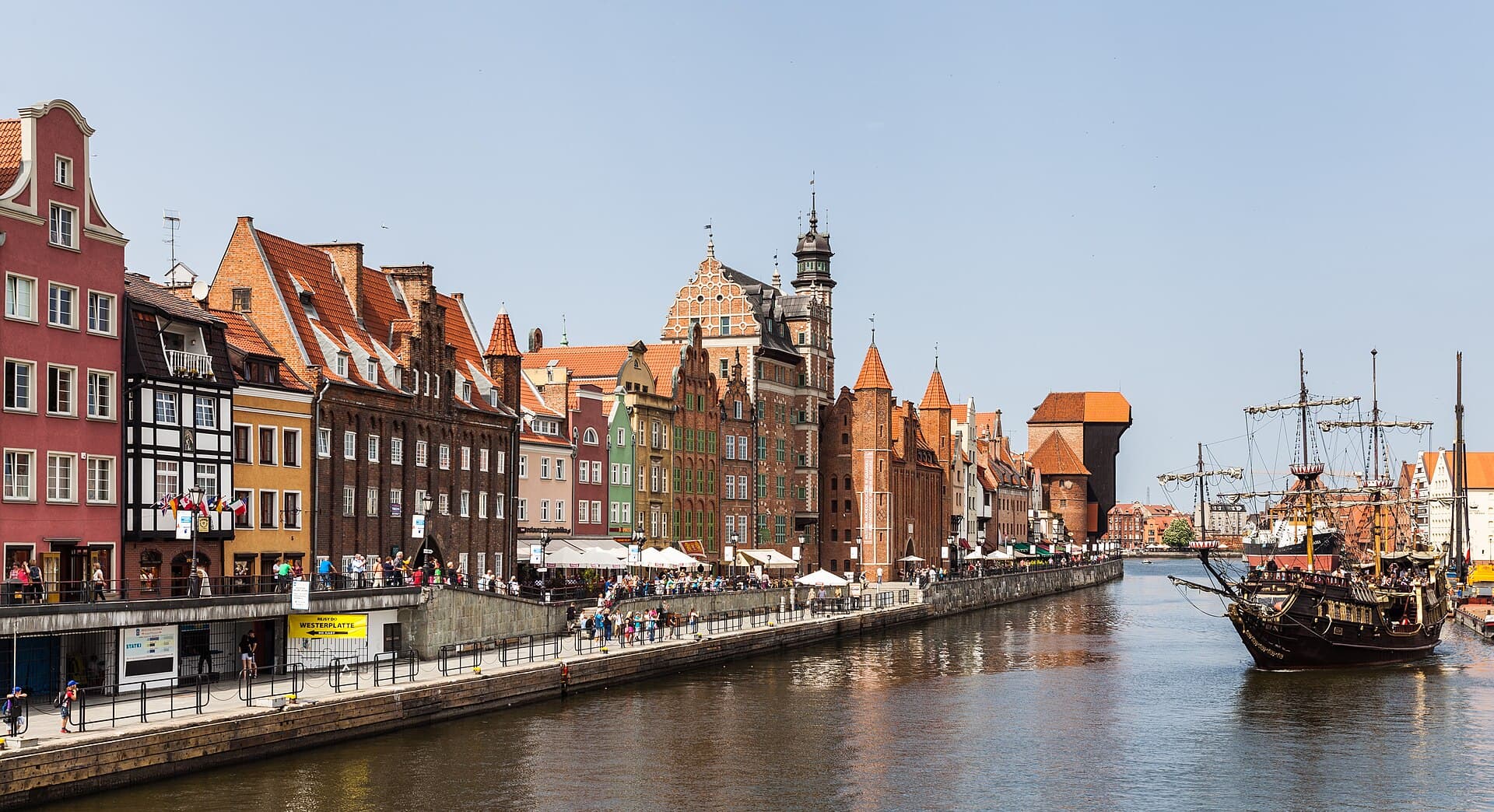 Diego Delso / CC BY-SA 3.0, via Wikimedia Commons
Tour de áudio autoguiado por Gdańsk — rota GPS a pé, reprodução offline, narração envolvente em 32 idiomas.
“Onde as brisas bálticas carregam ecos de mil anos.”
Não os postais. As histórias que nem os locais conhecem — sussurradas ao seu ouvido, exatamente onde aconteceram.
A icônica Fonte de Netuno em Gdańsk já guardou um segredo bastante divertido, brevemente retirado de vista pública.
Esta bela rua, conhecida por suas lojas de âmbar e arquitetura distinta, já serviu a uma função social muito particular para os residentes abastados de Gdańsk.
Esta façanha de engenharia medieval, um símbolo proeminente de Gdańsk, já dependeu de uma fonte de energia surpreendente para levantar cargas pesadas.
Descubra cada segredo de Gdańsk
Cada endereço, cada revelação na íntegra — no seu ouvido, exatamente onde aconteceu.
Você escolhe as suas paragens. Você caminha. A voz revela o que os outros perdem.


A Lume inclui um guia de realidade aumentada. Levante o telemóvel: a câmara mostra a rua à sua frente, com uma seta luminosa sobreposta à imagem real que aponta sempre para a sua próxima paragem — sem mapa para decifrar, sem voltas erradas. Como tudo na Lume, funciona totalmente offline.
Gdańsk, uma cidade na costa polonesa do Báltico, oferece uma mistura cativante de narrativas duradouras, profundidade cultural e encanto marítimo. Com fundações que remontam a mais de mil anos, ela se reinventou continuamente, ressurgindo das cinzas de conflitos para se tornar um centro dinâmico. Sua colorida Cidade Velha, caracterizada pela arquitetura renascentista holandesa e gótica, convida à exploração ao longo de seus caminhos e do cênico Rio Motława.
Conhecida como a 'capital mundial do âmbar', a conexão de Gdańsk com essa resina fossilizada abrange milênios, com evidências de oficinas de mais de 6.000 anos atrás. Além de seu apelo estético, Gdańsk tem um imenso peso histórico como ponto de partida da Segunda Guerra Mundial em Westerplatte e berço do movimento Solidariedade, que desempenhou um papel fundamental na queda do comunismo na Europa.
A história de Gdańsk começa no século X, fundada pelo governante polonês Mieszko I, e rapidamente se estabeleceu como uma cidade portuária vital. Sua localização estratégica na foz do Rio Vístula, no Mar Báltico, a tornou um centro crucial para o comércio entre os estados bálticos e o resto da Europa. Na Idade Média, Gdańsk tornou-se um membro chave da Liga Hanseática, uma aliança de cidades mercantis que dominou o comércio do norte da Europa dos séculos XIII ao XV. Este período de prosperidade viu o desenvolvimento de sua arquitetura gótica distintiva, com tijolos holandeses chegando por navio para construir edifícios icônicos como a Basílica de Santa Maria e a Prefeitura Principal.
A cidade experimentou um período de grande florescimento nos séculos XVI e início do XVII, tornando-se uma das cidades mais prósperas da Comunidade Polaco-Lituana. No entanto, suas fortunas mudaram com conflitos e partições, e Gdańsk foi absorvida pela Prússia em 1793. Gozou brevemente de autogoverno como Cidade Livre sob Napoleão de 1807 a 1814, um conceito que ressurgiria mais tarde.
O século XX trouxe desafios profundos. Em 1º de setembro de 1939, o navio de guerra alemão Schleswig-Holstein disparou contra o depósito militar polonês em Westerplatte, em Gdańsk, marcando o início da Segunda Guerra Mundial. A cidade sofreu imensa destruição, com 90% de seu centro histórico arruinado. Após a guerra, Gdańsk foi devolvida à Polônia, e um meticuloso esforço de reconstrução começou, restaurando grande parte de sua aparência pré-1793. Na década de 1980, Gdańsk mais uma vez se tornou um ponto focal de eventos mundiais como berço do movimento sindical Solidariedade em seus estaleiros, liderado por Lech Wałęsa. Este movimento foi fundamental para precipitar o colapso do comunismo na Polônia e em toda a Europa.
A identidade de Gdańsk está profundamente entrelaçada com o âmbar, frequentemente chamado de 'ouro báltico'. A cidade tem sido um centro de artesanato de âmbar por milênios, com oficinas datando de mais de 6.000 anos. Durante os séculos XVI e XVII, os produtos de âmbar de Gdańsk eram muito cobiçados e serviam como valiosos presentes diplomáticos nas cortes reais de toda a Europa. Hoje, Gdańsk é reconhecida como a capital mundial do âmbar, sediando feiras internacionais como a Amberif e exibindo designs modernos.
A cidade continua a evoluir, abraçando seu papel como um centro cultural e econômico. Faz parte da área metropolitana 'Tri-City', que também inclui Gdynia e Sopot. Gdańsk recebeu reconhecimento como 'Cidade Inteligente' por sua qualidade de vida e serviços urbanos, e em 2025, tornou-se uma Cidade da Literatura da UNESCO. Sua mistura de patrimônio antigo, espírito resiliente e dinamismo contemporâneo a torna um destino cativante.
Passeie pela Long Market (Długi Targ), uma rua de pedestres ladeada por edifícios coloridos, lojas e restaurantes. Aqui, você encontrará a icônica Fonte de Netuno, uma obra-prima maneirista-rococó e um símbolo do passado marítimo de Gdańsk. Nas proximidades, explore a Prefeitura Principal, com seus interiores impressionantes e uma torre que oferece vistas panorâmicas. Visite a Igreja de Santa Maria, a maior igreja de tijolos da Europa, capaz de abrigar mais de 25.000 pessoas.
Passeie pela orla do Rio Motława (Długie Pobrzeże) para ver o histórico Guindaste de Gdańsk (Żuraw), um guindaste portuário do século XV que agora abriga parte do Museu Marítimo Nacional. Descubra a Ulica Mariacka (Rua Mariacka), conhecida por sua arquitetura charmosa e muitas lojas de âmbar. Para um mergulho mais profundo na história, visite Westerplatte, onde começou a Segunda Guerra Mundial, e o Centro Europeu de Solidariedade, que narra o movimento Solidariedade. Considere um passeio na roda-gigante AmberSky na Ilha Ołowianka para uma perspectiva diferente da cidade.
A melhor época para visitar Gdańsk é geralmente entre maio e setembro, quando as temperaturas são mais amenas e a cidade está animada. Julho e agosto oferecem o clima mais quente para praias e festivais, embora também sejam os meses mais movimentados e caros. Para menos multidões e temperaturas agradáveis, considere maio, junho ou setembro. A primavera (abril-junho) traz flores desabrochando e eventos culturais. O outono (setembro-novembro) oferece belas cores e uma experiência mais tranquila, ideal para museus. O inverno é frio, mas charmoso, com mercados festivos em dezembro.
Gdańsk faz parte da área metropolitana Tri-City, que inclui Gdynia e Sopot, e é bem conectada por transporte público. A cidade tem um aeroporto principal e é acessível por trem, inclusive de Berlim, e por balsa da Suécia. Caminhar é a melhor maneira de explorar o centro histórico. As opções de transporte público incluem bondes e ônibus, com paradas convenientemente localizadas perto das principais atrações como Długi Targ. Se for dirigir, esteja ciente de que o estacionamento no centro da cidade é pago. Para viagens de um dia, o Castelo de Malbork, um castelo medieval listado pela UNESCO, fica a apenas 40 minutos de trem.
Gdańsk — coreano, chinês, hebraico e mais 29 idiomas, cada parada narrada por uma voz nativa. A maior variedade de idiomas entre os passeios de áudio autoguiados.
Disponível em: