The John T. Weikert Farm Lane
Percorri un sentiero dove il passato di un monumento è letteralmente scolpito nel paesaggio.
La storia completa si sblocca nel tour
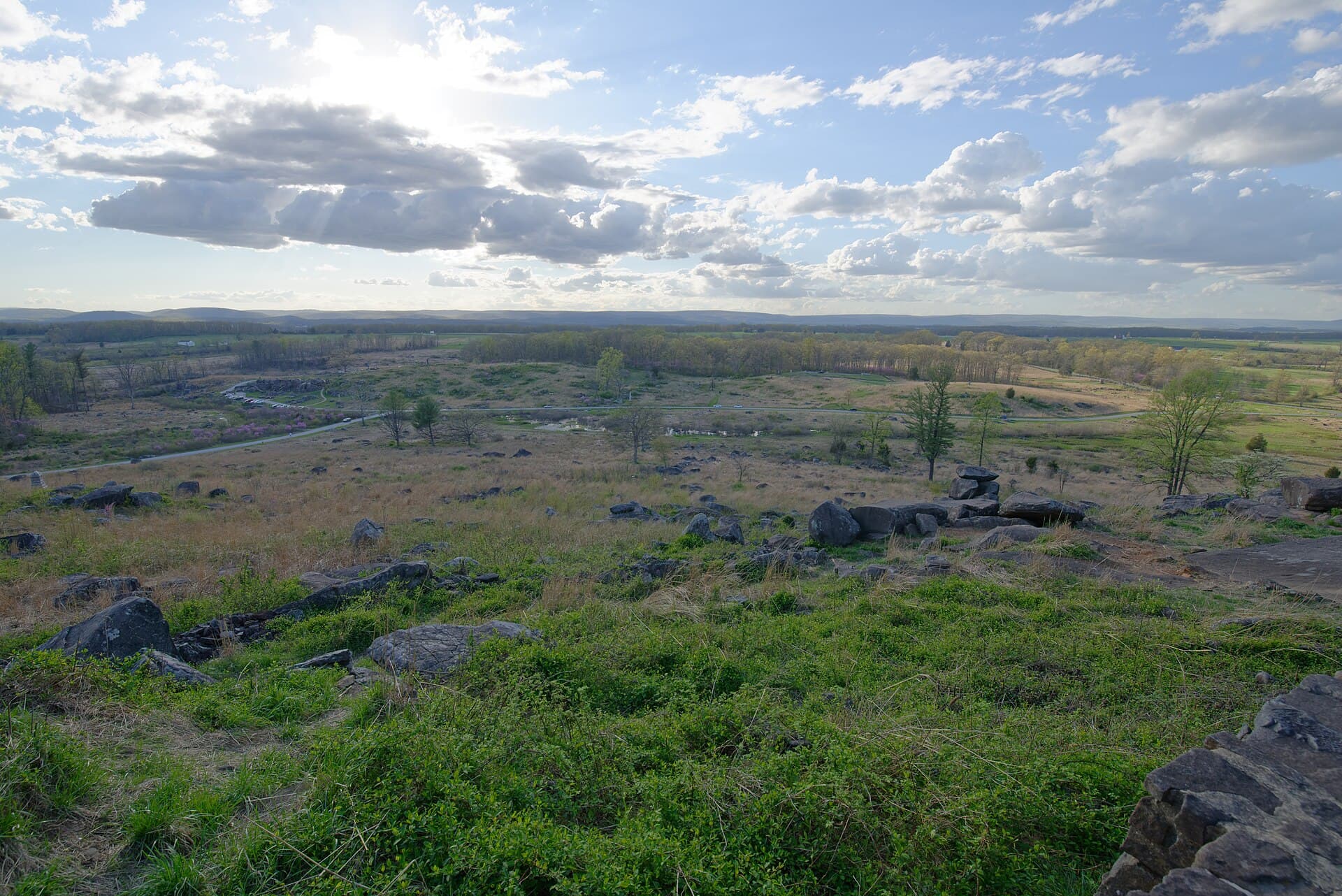 Bubba73 / CC BY-SA 3.0, via Wikimedia Commons
Tour audio autoguidato di Gettysburg — percorso GPS a piedi, riproduzione offline, narrazione coinvolgente in 32 lingue.
“Oltre il campo di battaglia, gli echi di un passato cruciale risuonano attraverso un presente vivente.”
Non le cartoline. Le storie che nemmeno i locali conoscono — sussurrate nel tuo orecchio, proprio dove sono accadute.
Percorri un sentiero dove il passato di un monumento è letteralmente scolpito nel paesaggio.
Un ufficiale dell'Unione affrontò la Carica di Pickett con un'arma non convenzionale.
I cannoni sul campo di battaglia portano iscrizioni sorprendenti e intime.
Scopri ogni segreto di Gettysburg
Ogni indirizzo, ogni rivelazione completa — nel tuo orecchio, proprio dove è accaduta.
Scegli le tue tappe. Cammini. La voce rivela ciò che gli altri perdono.
Il tuo tour audio autoguidato di Gettysburg è pronto — scegli i tuoi punti di interesse, seleziona la tua lingua e inizia nel momento in cui arrivi.
AcquistaLume include una guida in realtà aumentata. Alza il telefono: la fotocamera mostra la strada davanti a te, con una freccia luminosa sovrapposta all'immagine reale che punta sempre verso la tua prossima tappa — nessuna mappa da decifrare, nessuna svolta sbagliata. Come tutto in Lume, funziona completamente offline.
Gettysburg, Pennsylvania, è un nome per sempre legato a un punto di svolta nella storia americana. Dall'1 al 3 luglio 1863, questa tranquilla cittadina divenne il palcoscenico del più sanguinoso scontro della Guerra Civile, uno scontro che alla fine portò a una vittoria dell'Unione e alla preservazione della nazione. Oltre 50.000 soldati da entrambe le parti furono vittime in quei tre giorni, lasciando un segno indelebile sul paesaggio e sulla coscienza nazionale.
Oltre alla solennità dei campi di battaglia, Gettysburg è una città che abbraccia il suo passato offrendo un presente dinamico. È un luogo dove la storia non viene solo raccontata ma profondamente sentita, dove le storie di soldati e civili si intrecciano per creare una narrazione potente. Oggi, il Gettysburg National Military Park si estende per oltre 6.000 acri, con quasi 1.300 monumenti, 400 cannoni e 150 edifici storici che invitano alla contemplazione e alla scoperta.
La Battaglia di Gettysburg fu il culmine della seconda invasione del Nord da parte del generale confederato Robert E. Lee, una campagna volta a spostare lo slancio della guerra e potenzialmente fare pressione sull'Unione per un accordo di pace. La campagna iniziò quasi un mese prima della battaglia stessa, a oltre 160 km di distanza in Virginia, con la Battaglia di Brandy Station. L'esercito della Virginia settentrionale di Lee, forte di circa 75.000 uomini, si mosse in Pennsylvania, mentre l'esercito dell'Unione del Potomac, sotto il maggiore generale George G. Meade, con circa 85.000 uomini, manovrò per intercettarli.
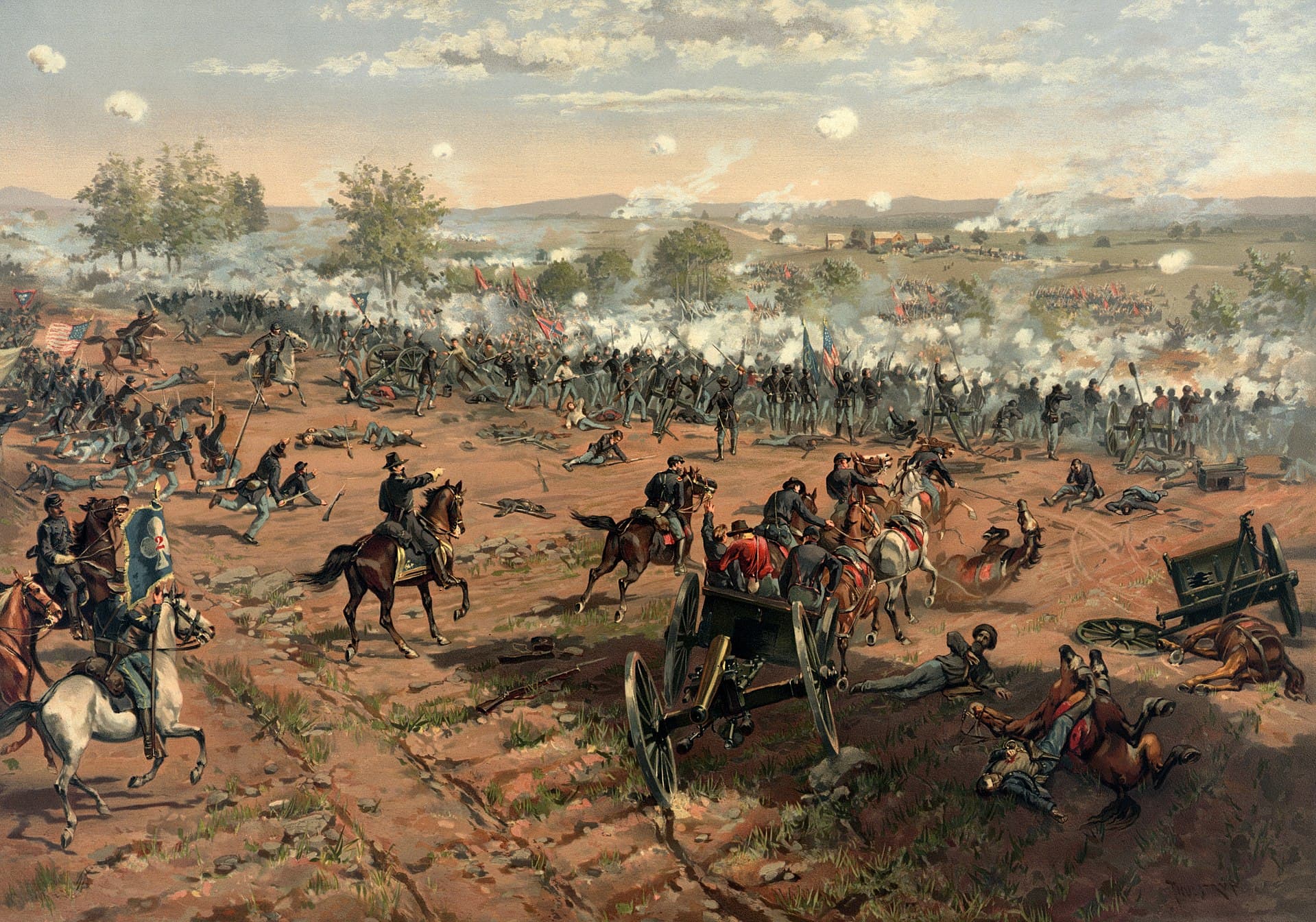
Gli eserciti confluirono su Gettysburg, una città di circa 2.400 residenti, in gran parte a causa della sua posizione strategica come snodo dove si incontravano da 10 a 12 strade principali. I combattimenti iniziarono il 1° luglio 1863, con le forze confederate che inizialmente guadagnarono terreno e presero la città. Il secondo giorno vide intensi combattimenti sia sul fianco destro che su quello sinistro dell'Unione. Tuttavia, fu il 3 luglio che si verificò l'azione più famosa e infine decisiva: la Carica di Pickett. Dopo uno dei più grandi bombardamenti d'artiglieria della guerra, circa 15.000 soldati confederati, principalmente della divisione del maggiore generale George Pickett, marciarono attraverso un campo aperto verso il centro delle linee dell'Unione su Cemetery Ridge. La carica fallì sotto il pesante fuoco d'artiglieria e di fucileria dell'Unione, causando perdite devastanti per i confederati e costringendo Lee a ritirarsi.
La Battaglia di Gettysburg provocò circa 51.000 vittime, tra morti, feriti o dispersi, rendendola la battaglia più sanguinosa della Guerra Civile. L'Unione subì 23.049 vittime, mentre i confederati ne contarono 28.063, pari a più di un terzo dell'esercito di Lee. La sconfitta di Lee pose fine a ulteriori incursioni confederate nel Nord ed è ampiamente considerata il punto di svolta della Guerra Civile.
Quattro mesi e mezzo dopo, il 19 novembre 1863, il presidente Abraham Lincoln si recò a Gettysburg per dedicare il Cimitero Nazionale dei Soldati, ora noto come Cimitero Nazionale di Gettysburg. Il suo Discorso di Gettysburg di 271 parole, pronunciato in meno di due minuti, ridefinì lo scopo della Guerra Civile e rimane uno dei discorsi più famosi e storicamente significativi della storia americana. La città stessa fu travolta dalle conseguenze, con 36.000 soldati feriti che inondarono le sue limitate strutture mediche. Le storie della resilienza civile e dell'immensa sofferenza sopportata all'indomani della battaglia sono anch'esse una parte cruciale della storia di Gettysburg.
Inizia la tua visita al Gettysburg National Military Park Museum & Visitor Center per acquisire un contesto essenziale della battaglia. Qui potrai assistere al film di orientamento, A New Birth of Freedom, e ammirare il dipinto del Ciclorama che raffigura la Carica di Pickett. Da lì, esplora il vasto campo di battaglia, che presenta oltre 1.300 monumenti e cippi commemorativi. Considera una guida autorizzata del campo di battaglia per un tour approfondito e personalizzato in auto, pullman o bicicletta.
Oltre al campo di battaglia, Gettysburg offre altri siti significativi. Visita il Cimitero Nazionale di Gettysburg, il luogo solenne dedicato dal discorso di Lincoln. L'Eisenhower National Historic Site offre uno sguardo sulla casa e sulla fattoria del presidente Dwight D. Eisenhower. La David Wills House, dove Lincoln finalizzò il Discorso di Gettysburg, offre una visione dell'esperienza civile durante e dopo la battaglia. Per una prospettiva diversa, il Gettysburg Beyond the Battle Museum racconta le storie dei civili e le loro esperienze prima, durante e dopo la Guerra Civile. Puoi anche esplorare la storica stazione ferroviaria della città, che servì come ospedale da campo e accolse Lincoln nel 1863.
I periodi più piacevoli per visitare Gettysburg sono la tarda primavera (aprile-giugno) e l'inizio dell'autunno (settembre-novembre). Le temperature sono confortevoli, oscillando tra i 10°C e i 24°C, ideali per esplorare il campo di battaglia all'aperto. L'autunno porta anche un fogliame brillante e meno folla rispetto ai mesi estivi di punta. Mentre l'estate (luglio e agosto) offre molti eventi e programmi speciali, può essere affollata e umida, con temperature che raggiungono i 32°C. L'inverno offre un'esperienza più tranquilla e riflessiva, con opportunità per attività al chiuso e una prospettiva diversa del paesaggio senza fogliame.
Il Gettysburg National Military Park è aperto tutto l'anno, con i terreni e le strade del parco, e il Cimitero Nazionale di Gettysburg, accessibili da trenta minuti prima dell'alba a trenta minuti dopo il tramonto. Non c'è alcun costo di ingresso al parco, al Cimitero Nazionale o agli edifici del parco. Tuttavia, c'è un costo per il film, il Ciclorama e l'esperienza museale presso il Visitor Center. Si consiglia di prenotare i biglietti online per risparmiare tempo. Sedie a rotelle e un numero limitato di scooter sono disponibili a noleggio presso il banco informazioni del National Park Service all'interno del Museum & Visitor Center. Gli animali di servizio sono i benvenuti nel Museum & Visitor Center e nel parco. Il parcheggio è disponibile presso il Museum & Visitor Center, e durante l'estate viene offerto un servizio navetta stagionale dal Parcheggio 3.
Gettysburg — coreano, cinese, ebraico e altre 29 lingue, ogni tappa narrata da una voce madrelingua. La più ampia scelta di lingue tra i tour audio autoguidati.
Disponibile in: