Колокольня Гента
Позолоченный дракон на вершине Колокольни — не просто украшение; это символ яростной независимости Гента.
Полная история открывается в туре
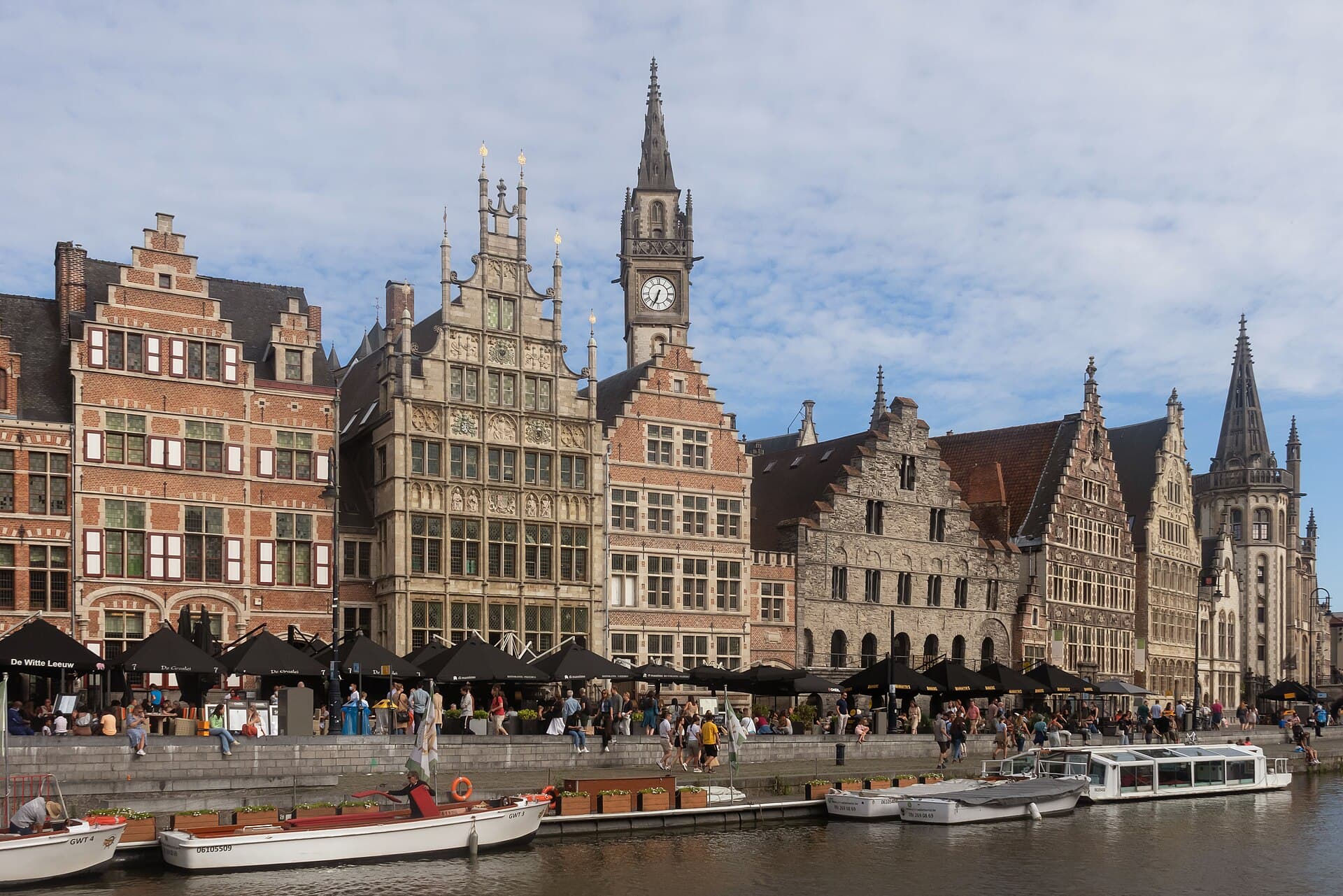 Michielverbeek / CC BY-SA 4.0, via Wikimedia Commons
Самостоятельная аудиопрогулка по Гент — GPS-маршрут, офлайн-воспроизведение, увлекательное повествование на 32 языках.
“Гент: где средневековое величие встречается с мятежным духом.”
Не открытки. Истории, которые не знают даже местные жители — шепотом в вашем ухе, прямо там, где они произошли.
Позолоченный дракон на вершине Колокольни — не просто украшение; это символ яростной независимости Гента.
Этот внушительный средневековый замок с рвом когда-то служил довольно мрачной цели, помимо обороны.
На кажущейся невинной рыночной площади в Генте когда-то разворачивалось удивительно ожесточенное соперничество из-за местного лакомства.
Откройте для себя каждый секрет Гент
Каждый адрес, каждое полное раскрытие — в вашем ухе, прямо там, где это произошло.
Вы выбираете остановки. Вы гуляете. Голос раскрывает то, что упускают другие.


Ваш самостоятельный аудиотур по Гент готов — выберите свои достопримечательности, выберите свой язык и начните в момент прибытия.
КупитьВ Lume встроен гид дополненной реальности. Поднимите телефон: камера показывает улицу перед вами, а поверх реального изображения светится стрелка, всегда указывающая на вашу следующую остановку — не нужно разбираться с картой и сворачивать не туда. Как и всё в Lume, это работает полностью офлайн.
Гент, или Gent по-голландски, — город в провинции Восточная Фландрия в Бельгии, расположенный в месте слияния рек Лейе и Шельды. Он является свидетельством средневековой мощи и живого современного духа, часто описываемый как обладающий красотой Брюгге, но с более энергичным и аутентичным местным колоритом. Пешеходный центр города приглашает к исследованию его цеховых домов, оживленных площадей и кафе на берегу реки.
Когда-то один из крупнейших и богатейших городов Северной Европы в эпоху позднего Средневековья, процветание Гента было построено на его процветающей текстильной промышленности. Сегодня он остается крупным портовым и университетским городом со значительным студенческим населением, способствующим его оживленной атмосфере и динамичной культурной жизни. Это сочетание исторического величия и юношеской энергии делает Гент привлекательным местом для тех, кто ищет более глубокого бельгийского опыта.
Истоки Гента восходят к поселению в месте слияния рек Шельды и Лейе. Археологические находки свидетельствуют о присутствии человека в регионе еще со времен каменного века. Официальное основание города часто связывают со Святым Амандом, который основал аббатство Святого Баво около 630 года н.э. Это стратегическое расположение было идеальным для торговли, но также делало его уязвимым для набегов викингов между VIII и XI веками.
Под защитой графства Фландрия Гент восстанавливался и процветал с XI века, превратившись в значительный город-государство. К XIII веку он был одним из крупнейших городов Европы к северу от Альп, уступая только Парижу, с населением до 65 000 человек в пределах его стен. Это поразительное процветание было в значительной степени обусловлено его текстильной промышленностью, а роскошные ткани из английской шерсти получили известность по всей Европе до XV века. Богатство и влияние его купеческого класса привели к значительному политическому влиянию Гента и его яростно независимому духу, что часто приводило к столкновениям с его правителями.
XVI век ознаменовал период упадка для Гента, частично из-за серьезной экономической рецессии и его мятежной позиции против власти. В 1539 году горожане восстали против императора Священной Римской империи Карла V, который родился в Генте, отказавшись платить повышенные налоги для финансирования его войн. В ответ Карл V вошел в город со своей армией и публично унизил его лидеров, проведя их в нижнем белье с петлями на шеях. Это событие привело к тому, что жителей Гента стали называть «Stroppendragers» или «носителями петель», прозвище, которое они с гордостью отмечают ежегодно во время Гентского фестиваля.
Судьба города изменилась во время Промышленной революции в XIX веке, когда он стал первым местом в континентальной Европе, где зародилась индустриализация, в значительной степени благодаря его текстильной промышленности. Ливен Баувенс, местный промышленный шпион, сыграл ключевую роль в этой трансформации, контрабандой вывозя компоненты хлопчатобумажных фабрик из Великобритании. Этот промышленный бум, однако, принес и значительные социальные проблемы, что привело к созданию первого современного профсоюза Бельгии в Генте.
После конца XVI века уменьшение значения Гента, по иронии судьбы, способствовало превосходному сохранению его исторического центра, что сделало его популярным туристическим направлением сегодня. Мятежное наследие города продолжает проявляться в его оживленной сцене уличного искусства, музыкальных фестивалях и инновационных кулинарных предложениях. Гент был назван Европейской молодежной столицей 2024 года, что отражает его динамичный и дальновидный характер.
Городской пейзаж Гента определяется его тремя средневековыми башнями: церковью Святого Николая, Колокольней и Собором Святого Баво. Колокольня Гента, объект Всемирного наследия ЮНЕСКО, предлагает панорамные виды на город с высоты 91 метр, доступные как по лестнице, так и на лифте. Внутри Собора Святого Баво вы найдете знаменитый Гентский алтарь, «Поклонение Агнцу», шедевр XV века работы Хуберта и Яна ван Эйков. Церковь Святого Николая, построенная в XIII веке из сине-серого камня Турне, демонстрирует раннюю схельскую готическую архитектуру.
Графенстеен, или Замок графов, — это удивительно хорошо сохранившаяся средневековая крепость XII века с рвом в центре города, предлагающая представление о средневековой жизни и виды с ее крепостных стен. Граслей и Коренлей — это культовые средневековые набережные города, украшенные историческими цеховыми домами и полные жизни, идеально подходящие для прогулки или лодочной экскурсии по каналам. Для другого ракурса исследуйте Патерсхол, бывший рабочий район, ныне известный своими извилистыми переулками, каменными улицами и разнообразной кулинарной сценой. Не пропустите оживленную Аллею граффити с ее образцами уличного искусства.
Гент — круглогодичное направление, но в переходные сезоны — весной (с апреля по начало июня) и осенью (с сентября по начало ноября) — погода мягкая, туристов меньше, а проживание часто более доступное. Май особенно рекомендуется для хорошего баланса погоды и количества туристов. Лето (июль и август) приносит приятные температуры и оживленную атмосферу на открытом воздухе, с такими мероприятиями, как Gentse Feesten (Гентские фестивали) в июле. Зима (с декабря по февраль) предлагает мистическое очарование с рождественскими ярмарками, хотя дни короче и часто пасмурные.
Центр Гента в основном свободен от автомобилей, что делает его идеальным для пеших прогулок. Общественный транспорт, включая трамваи и автобусы, эффективен для дальних поездок, а велосипед также является популярным способом передвижения. Главный железнодорожный вокзал, Gent-Sint-Pieters, хорошо связан с другими бельгийскими городами; оттуда трамваи могут доставить вас в центр города.
Официальный язык — нидерландский, но английский широко распространен, особенно в туристических районах. Местная валюта — евро. Рассмотрите возможность приобретения CityCard Gent для доступа к музеям, круизу по каналам и аренды велосипеда, если вы планируете обширный осмотр достопримечательностей. Обычно достаточно двух-трех дней, чтобы осмотреть основные достопримечательности Гента и насладиться его кулинарной сценой. Помните, что большинство магазинов закрыты по воскресеньям, за некоторыми исключениями в первое воскресенье каждого месяца.
Гент: корейский, китайский, иврит и ещё 29 языков — каждую остановку озвучивает носитель языка. Самый широкий выбор языков среди аудиоэкскурсий без гида.
Доступные языки: