Nagara-rivier
De meesters in de aalscholvervisserij langs de Nagara-rivier bekleden een unieke, erfelijke titel.
Volledig verhaal ontgrendeld in de tour
 Alpsdake / CC BY-SA 4.0, via Wikimedia Commons
Zelfgeleide audiowandeling door Gifu — GPS-route, offline afspelen, meeslepende vertelling in 32 talen.
“Waar oude tradities de ambitie van krijgsheren ontmoeten, roept Gifu vanuit het hart van Japan.”
Niet de ansichtkaarten. De verhalen die zelfs locals niet kennen — gefluisterd in je oor, precies waar ze gebeurden.
De meesters in de aalscholvervisserij langs de Nagara-rivier bekleden een unieke, erfelijke titel.
In tegenstelling tot andere beroemde Japanse Boeddha's, heeft de Grote Boeddha van Gifu een verrassende interne structuur.
Het uitgestrekte Gifu Park, aan de voet van Mount Kinka, was ooit de luxueuze residentie van een krijgsheer.
Ontdek elk geheim van Gifu
Elk adres, elke onthulling volledig — in je oor, precies waar het gebeurde.
Jij kiest je stops. Jij wandelt. De stem onthult wat de anderen missen.


Je zelfgeleide audiotour van Gifu is klaar — kies je bezienswaardigheden, kies je taal en start zodra je aankomt.
KopenLume heeft een ingebouwde augmented-reality-gids. Houd je telefoon omhoog: de camera toont de straat voor je, met een oplichtende pijl over het echte beeld die altijd naar je volgende stop wijst — geen kaart om uit te puzzelen, geen verkeerde afslagen. Zoals alles in Lume werkt het volledig offline.
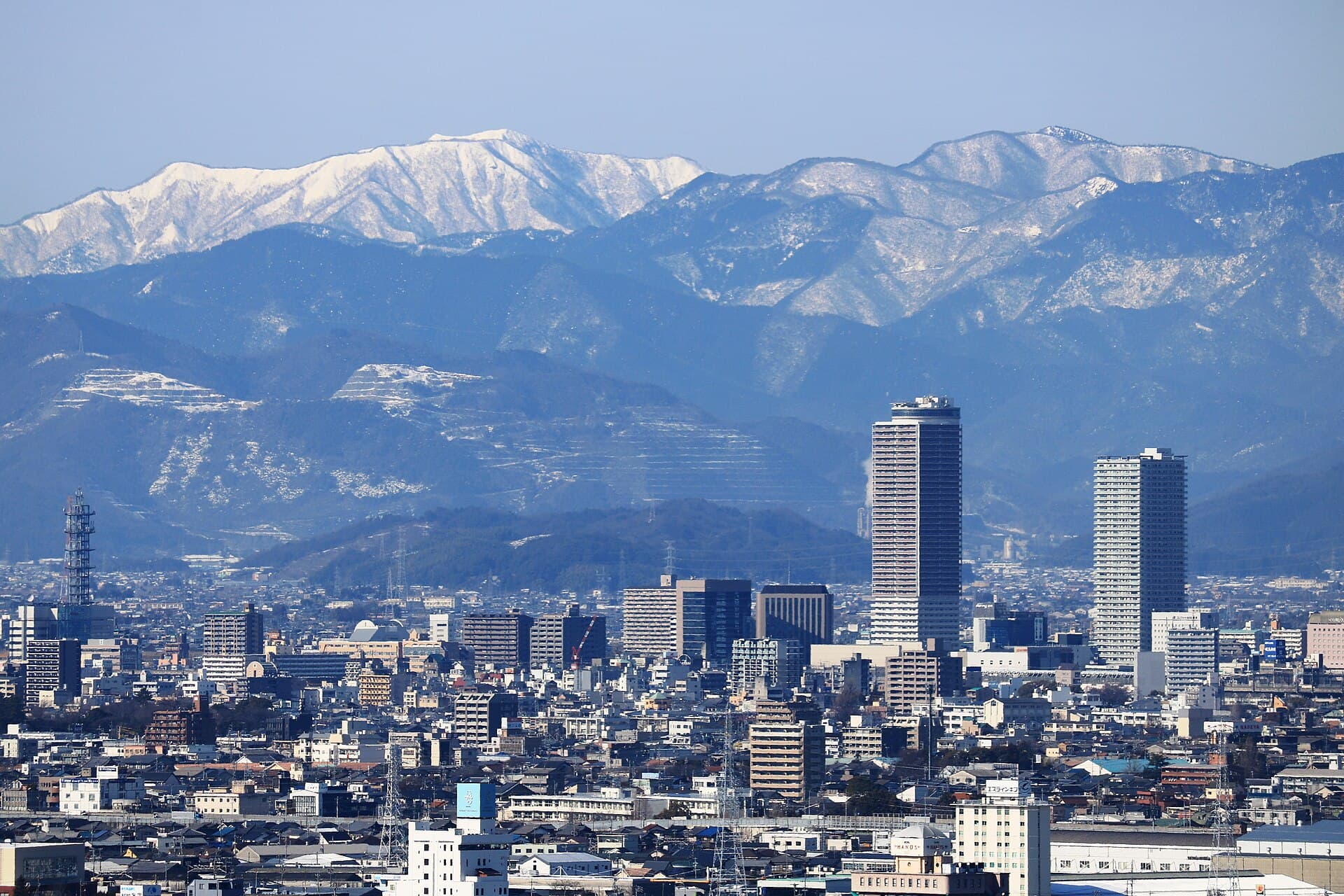
Gifu City, de hoofdstad van de prefectuur Gifu, neemt een strategisch belangrijke positie in in het zuid-centrale deel van het Japanse eiland Honshu. De locatie heeft het historisch gezien tot een cruciaal punt gemaakt voor degenen die het land wilden verenigen. Tegenwoordig biedt Gifu een mix van diepe natuurlijke schoonheid, traditionele cultuur en historische intriges, waardoor het een aantrekkelijke bestemming is voor reizigers die buiten de drukkere Japanse steden willen verkennen.
Omringd door bergen en doorsneden door de Nagara-rivier, is Gifu een plek waar oude gebruiken, zoals de 1.300 jaar oude traditie van aalscholvervisserij, blijven gedijen. De stad is ook een toegangspoort tot andere regionale hoogtepunten, waaronder de UNESCO Werelderfgoedsite Shirakawa-go en de historische stad Takayama.
Gifu's historische betekenis komt voort uit zijn centrale ligging in Japan, waardoor het een cruciaal kruispunt en een gewild gebied voor eenwording was. Het gebied, ooit onderdeel van de provincie Mino, werd meer dan 200 jaar lang geregeerd door de Toki-clan. Echter, tijdens de turbulente Sengoku-periode (15e tot 17e eeuw), rebelleerde Saitō Dōsan, een vazal van de Toki, en greep in 1542 de macht, waarbij hij Inabayama Castle bovenop Mount Inaba (nu Mount Kinka) vestigde.
In 1567 veroverde de beroemde krijgsheer Oda Nobunaga Inabayama Castle, hernoemde het Gifu Castle en het omliggende gebied tot Gifu. Hij nam het rode zegel van "Tenka Fubu" aan, wat zijn ambitie aangaf om Japan met militaire kracht te verenigen, en maakte Gifu zijn primaire basis. Nobunaga transformeerde het kasteel tot een indrukwekkende vesting en gebruikte het om vooraanstaande gasten te ontvangen. Na Nobunaga werd het kasteel bezet door verschillende heren voordat het werd verlaten en later werd herbouwd als Kano Castle tijdens de Edo-periode.
Halverwege de Meiji-periode werd Gifu officieel opgericht als stad op 1 juli 1889, met een initiële bevolking van 25.750 mensen. Slechts twee jaar later, in oktober 1891, trof de verwoestende Mino-Owari aardbeving, geschat op een magnitude van 8,0, de regio. De aardbeving en de daaropvolgende branden vernietigden een aanzienlijk deel van de stad, met 1.505 slachtoffers. Ondanks deze tegenslag bleef Gifu zich ontwikkelen en werd het in de jaren 1930 een industrieel centrum en een knooppunt voor traditionele industrieën zoals Mino washi-papier, Gifu-lantaarns en Seki-snijwerk.
Gifu biedt een reeks ervaringen, van historische bezienswaardigheden tot unieke culturele praktijken. Gifu Castle, bovenop Mount Kinka, is een gereconstrueerd fort met een weids uitzicht over de stad en de Nagara-rivier. Het herbergt een museum met samoerai-pantser en historische artefacten. Bezoekers kunnen het kasteel bereiken via een kabelbaan vanuit Gifu Park of door een van de verschillende paden te bewandelen. Gifu Park, aan de voet van Mount Kinka, is een belangrijke historische plek, vermoedelijk de voormalige residentie van Oda Nobunaga. Het beschikt over traditionele Japanse tuinen en het Gifu City Museum of History.
Een van Gifu's meest onderscheidende attracties is de traditionele aalscholvervisserij (Ukai) op de Nagara-rivier. Deze oude praktijk, met een geschiedenis van meer dan 1.300 jaar, omvat bekwame vissers die getrainde aalscholvers gebruiken om 's nachts onder fakkelverlichting ayu (zoetwatervis) te vangen. Kijkboten bieden een intieme ervaring van dit unieke schouwspel, dat loopt van 11 mei tot 15 oktober. Het Nagaragawa Ukai Museum biedt meer inzicht in de geschiedenis en technieken van de aalscholvervisserij.
Voor een moment van rust en contemplatie, bezoek de Shōhō-ji tempel om de Grote Boeddha van Gifu te zien. Dit indrukwekkende, 13,7 meter hoge standbeeld, voltooid in 1832, is een van de drie grote Boeddhabeelden van Japan en valt op door zijn unieke constructie met een ginkgo houten pilaar, bamboe lattenwerk, klei, boeddhistische geschriften, lak en bladgoud.
De ideale bezoektijden voor Gifu zijn eind april tot mei en oktober tot begin november. Tijdens deze schouderseizoenen zijn de temperaturen mild en zijn de drukte over het algemeen kleiner. Eind april tot mei biedt comfortabele sightseeingomstandigheden en markeert het begin van het aalscholvervisserijseizoen aan de Nagara-rivier. Oktober tot begin november is perfect om levendige herfstkleuren rond Gifu Castle en Mount Kinka te ervaren. Hoewel de zomer (juni tot september) de piek van de aalscholvervisserij biedt, kan de Gifu-stadsbekken hoge temperaturen en vochtigheid ervaren.
Gifu is gemakkelijk bereikbaar met de trein. Vanuit Nagoya, een belangrijk knooppunt, is Gifu City een treinrit van 20 minuten op de JR Tokaido Line. De internationale luchthaven Chubu Centrair biedt ook gemakkelijke toegang tot het zuiden van Gifu, met een Meitetsu Limited Express trein die Gifu City in ongeveer een uur bereikt. Openbaar vervoer binnen Gifu omvat een busnetwerk dat belangrijke attracties verbindt vanaf JR Gifu Station. Voor het verkennen van de bredere prefectuur Gifu, met name meer landelijke gebieden, wordt het huren van een auto sterk aanbevolen voor meer flexibiliteit.
Veel kleinere restaurants en winkels in Gifu accepteren mogelijk alleen contant geld, dus het is raadzaam om Japanse Yen bij u te hebben. Geldautomaten die buitenlandse kaarten accepteren zijn gemakkelijk verkrijgbaar bij 7-Eleven gemakswinkels. Bij het bezoeken van tempels of traditionele locaties is het gebruikelijk om schoenen uit te doen voordat u bepaalde ruimtes betreedt. Openbare toiletten zijn over het algemeen schoon en overvloedig, maar het meenemen van uw eigen zeep en een kleine handdoek is een goede gewoonte, aangezien deze mogelijk niet altijd in landelijke gebieden aanwezig zijn.
Gifu — Koreaans, Chinees, Hebreeuws en nog 29 talen, elke stop verteld door een moedertaalspreker. Het grootste taalaanbod van alle zelfgeleide audiotours.
Beschikbaar in: