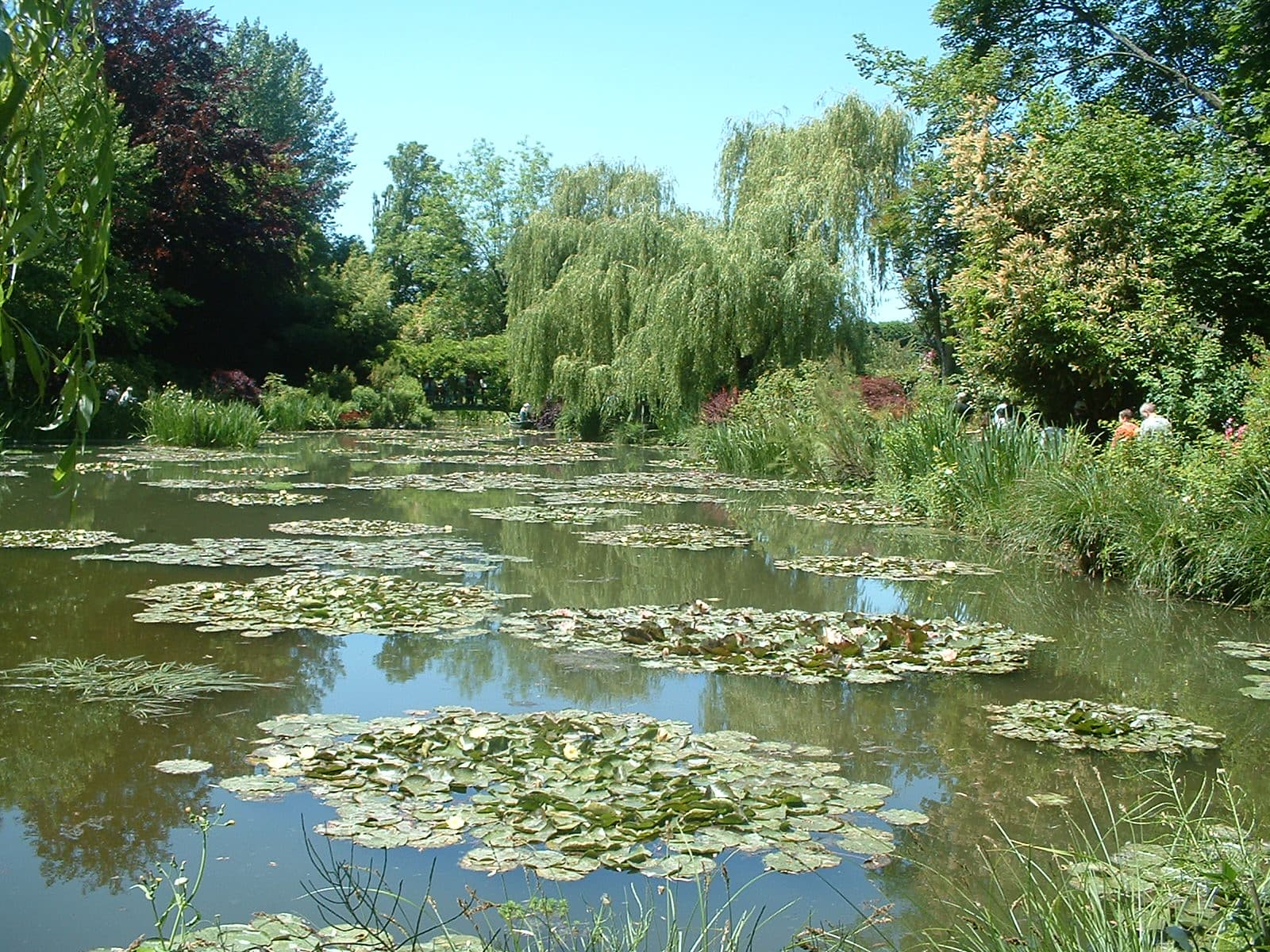
Giardino d'Acqua di Monet
Le iconiche ninfee che hanno ispirato la serie più famosa di Monet quasi non sono mai esistite.
La storia completa si sblocca nel tour
 Pierre-Étienne Nataf / CC BY-SA 3.0, via Wikimedia Commons
Tour audio autoguidato di Giverny — percorso GPS a piedi, riproduzione offline, narrazione coinvolgente in 32 lingue.
“Dove l'arte fiorisce e la luce danza: Giverny, una tela che prende vita.”
Non le cartoline. Le storie che nemmeno i locali conoscono — sussurrate nel tuo orecchio, proprio dove sono accadute.
Le iconiche ninfee che hanno ispirato la serie più famosa di Monet quasi non sono mai esistite.
Oltre ai vivaci giardini, la casa di Monet rivela una sorprendente dedizione al colore che si estendeva persino alle sue abitudini alimentari.
Questo hotel apparentemente pittoresco era un tempo un vivace centro per una colonia di artisti, anche se non sempre con il benestare di Monet.
Scopri ogni segreto di Giverny
Ogni indirizzo, ogni rivelazione completa — nel tuo orecchio, proprio dove è accaduta.
Scegli le tue tappe. Cammini. La voce rivela ciò che gli altri perdono.


Il tuo tour audio autoguidato di Giverny è pronto — scegli i tuoi punti di interesse, seleziona la tua lingua e inizia nel momento in cui arrivi.
AcquistaLume include una guida in realtà aumentata. Alza il telefono: la fotocamera mostra la strada davanti a te, con una freccia luminosa sovrapposta all'immagine reale che punta sempre verso la tua prossima tappa — nessuna mappa da decifrare, nessuna svolta sbagliata. Come tutto in Lume, funziona completamente offline.
Giverny, un piccolo villaggio nella regione della Normandia in Francia, è riconosciuto a livello internazionale come l'ex casa e santuario artistico di Claude Monet, il pioniere dell'Impressionismo francese. Situato a circa 80 chilometri (50 miglia) a ovest-nord-ovest di Parigi, questo pittoresco villaggio offre un'opportunità unica per immergersi direttamente nei paesaggi che hanno ispirato alcuni dei dipinti più amati al mondo.
Monet scoprì Giverny guardando fuori dal finestrino di un treno nel 1883 e fu immediatamente affascinato dal suo fascino. Affittò una casa, che in seguito acquistò nel 1890, e trasformò meticolosamente il terreno circostante nei magnifici giardini che divennero il soggetto della sua iconica serie 'Ninfee' e di molte altre opere. Oggi, Giverny rimane una testimonianza duratura della sua visione artistica, attirando amanti dell'arte, giardinieri e viaggiatori da tutto il mondo per sperimentare la sua calma bellezza e le sue colorate fioriture.
La storia di Giverny si estende ben oltre l'arrivo di Monet, con prove archeologiche che suggeriscono insediamenti fin dal Neolitico. Tombe gallo-romane furono scoperte nel 1838 e sarcofagi in gesso risalenti ai primi secoli d.C. furono trovati durante i restauri del cimitero nel 1860. Un monumento megalitico in rovina vicino alla chiesa, noto come "tomba di Santa Radegonda", indica ulteriormente il suo passato antico. Il villaggio, un tempo noto come "Warnacum", vide la coltivazione dell'uva già in epoca merovingia, con vigneti di proprietà dell'Abbazia di Saint-Wandrille.
Per secoli, Giverny rimase un tranquillo borgo rurale. Nel 1883, quando Claude Monet si trasferì per la prima volta nel villaggio, la sua popolazione contava circa 300 abitanti, principalmente agricoltori. Tuttavia, la presenza di Monet avrebbe cambiato irrevocabilmente il suo destino. Si stabilì in una fattoria, che chiamò "la Casa della Stampa", con la sua compagna Alice Hoschedé e i rispettivi figli. La passione di Monet per il giardinaggio mise rapidamente radici e si dedicò alla creazione degli elaborati giardini che sarebbero diventati i suoi capolavori viventi.
La sua fama crebbe e nel 1887 Giverny iniziò ad attrarre una colonia di pittori stranieri, in gran parte impressionisti americani, attratti dai paesaggi e dall'atmosfera generale. Questi artisti, tra cui Willard Metcalf, Louis Ritman e John Leslie Breck, furono profondamente influenzati dalle tecniche impressioniste, anche se Monet stesso ebbe contatti limitati con loro. Il villaggio si trasformò in un sito di pellegrinaggio artistico, una reputazione che si consolidò dopo la morte di Monet nel 1926.
Dopo un periodo di declino dopo la scomparsa di Monet, la sua proprietà fu lasciata in eredità all'Académie des Beaux-Arts nel 1966. Un significativo sforzo di restauro, in gran parte finanziato da donatori americani attraverso la Versailles Foundation, iniziò nel 1977. La casa e i giardini furono meticolosamente restaurati al loro aspetto originale, riaprendo al pubblico nel 1980. Oggi, Giverny prospera come importante destinazione turistica, preservando l'eredità di Monet e lo spirito artistico da lui promosso.
L'attrazione principale di Giverny è senza dubbio la casa e i giardini di Claude Monet, gestiti dalla Fondation Monet. La casa, con il suo vivace esterno rosa e le persiane verdi, è stata meticolosamente restaurata alle condizioni del XIX secolo, mostrando i tocchi personali di Monet, inclusa la sua cucina blu, la sala da pranzo gialla e una notevole collezione di stampe giapponesi.
All'esterno, i giardini sono divisi in due sezioni principali: il Clos Normand e il Giardino d'Acqua. Il Clos Normand, proprio di fronte alla casa, è una profusione di fiori colorati, con archi di piante rampicanti e diverse specie che fioriscono durante la stagione. Dall'altra parte della strada, il Giardino d'Acqua, ispirato all'arte giapponese, presenta l'iconico ponte giapponese drappeggiato di glicine, salici piangenti e lo stagno delle ninfee che ha ispirato oltre 250 dipinti di Monet.
Oltre alla proprietà di Monet, il Musée des Impressionnismes Giverny è dedicato alla promozione della natura internazionale del movimento impressionista, con un focus sulla colonia artistica di Giverny e sugli artisti della Valle della Senna. Passeggia lungo Rue Claude Monet, la via principale del villaggio, per scoprire gallerie d'arte, boutique accattivanti e ristoranti tradizionali. Lo storico Hôtel Baudy, un tempo una pensione per artisti in visita, ora funziona come caffè e ristorante con decorazioni d'epoca. Puoi anche visitare la Chiesa di Sainte-Radegonde, un edificio romanico dove Monet e la sua famiglia sono sepolti nel cimitero locale.
Le principali attrazioni di Giverny, la Casa e i Giardini di Monet, sono aperte dal 1° aprile al 1° novembre, chiudendo per la stagione invernale. Il momento migliore per visitare per fioriture vivaci è solitamente da maggio a giugno, quando molti fiori, tra cui tulipani, iris e peonie, sono in piena esposizione. L'estate (giugno-agosto) offre un verde lussureggiante e le iconiche ninfee in fiore, ma vede anche la maggiore affluenza di turisti. Per un'esperienza più tranquilla con bellissimi colori autunnali dorati, considera una visita a settembre o ottobre.
Giverny si trova a circa 80 km (50 miglia) a ovest-nord-ovest di Parigi. La stazione ferroviaria più vicina è Vernon-Giverny, a circa 6,5 km dal villaggio. Da Vernon, puoi prendere un bus navetta, un taxi o persino noleggiare una bicicletta per il tragitto di 20 minuti fino a Giverny. Si consiglia vivamente di prenotare i biglietti per la Casa e i Giardini di Monet online in anticipo, poiché può aiutare a evitare lunghe code, specialmente durante l'alta stagione. Il sito web della Fondation Monet o altre piattaforme di biglietteria come Fnac, Seetickets o Ticketmaster sono buone opzioni. Nota che i biglietti elettronici sono generalmente non rimborsabili e non modificabili dopo una certa data. Gli animali domestici non sono ammessi all'interno della Casa e dei Giardini di Monet, ad eccezione dei cani da assistenza riconosciuti. Sono inoltre vietate borse e valigie di grandi dimensioni, e le borse sono soggette a controlli di sicurezza all'ingresso. Sono disponibili parcheggi gratuiti a Giverny, accessibili tramite Chemin du Roy. Sebbene non ci siano tavoli da picnic direttamente a Giverny, puoi trovare un'area picnic vicino al ponte sulla Senna a Vernon.
Giverny — coreano, cinese, ebraico e altre 29 lingue, ogni tappa narrata da una voce madrelingua. La più ampia scelta di lingue tra i tour audio autoguidati.
Disponibile in: