Glastonbury Tor
As encostas em terraços do Glastonbury Tor não são apenas formações naturais.
História completa desbloqueada no tour
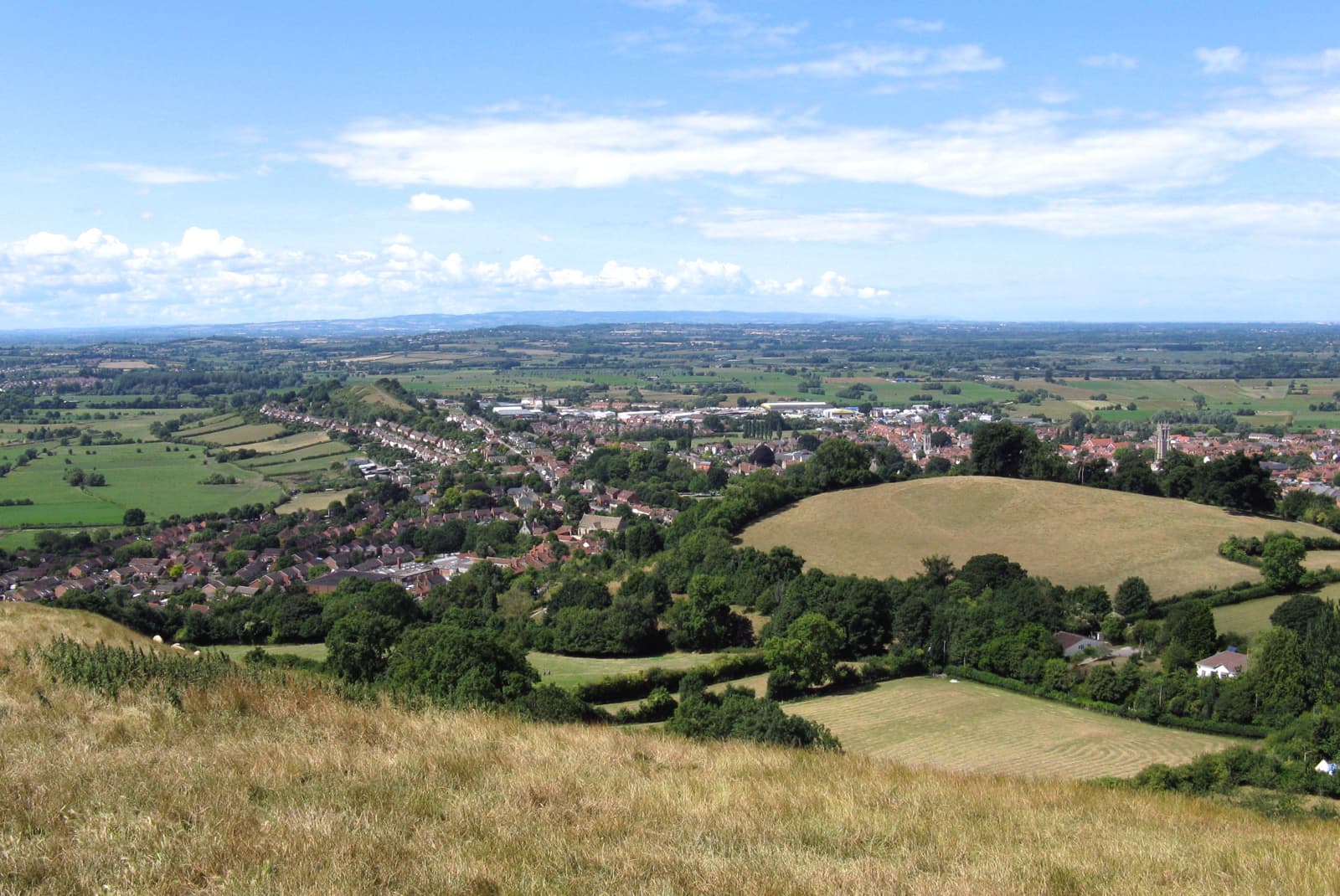 Photographed by myself (Adrian Pingstone) / Public domain, via Wikimedia Commons
Tour de áudio autoguiado por Glastonbury — rota GPS a pé, reprodução offline, narração envolvente em 32 idiomas.
“Onde mitos antigos se entrelaçam com um profundo presente espiritual.”
Não os postais. As histórias que nem os locais conhecem — sussurradas ao seu ouvido, exatamente onde aconteceram.
As encostas em terraços do Glastonbury Tor não são apenas formações naturais.
O fluxo constante da água rica em ferro do Chalice Well guarda um segredo surpreendente, mesmo em tempos de seca.
A história do sepultamento do Rei Arthur na Abadia de Glastonbury foi uma 'descoberta' conveniente após um incêndio devastador.
Descubra cada segredo de Glastonbury
Cada endereço, cada revelação na íntegra — no seu ouvido, exatamente onde aconteceu.
Você escolhe as suas paragens. Você caminha. A voz revela o que os outros perdem.


O seu tour áudio autoguiado de Glastonbury está pronto — escolha os seus pontos de interesse, selecione o seu idioma e comece no momento em que chegar.
ComprarA Lume inclui um guia de realidade aumentada. Levante o telemóvel: a câmara mostra a rua à sua frente, com uma seta luminosa sobreposta à imagem real que aponta sempre para a sua próxima paragem — sem mapa para decifrar, sem voltas erradas. Como tudo na Lume, funciona totalmente offline.
Glastonbury, uma pequena cidade em Somerset, Inglaterra, é um lugar onde história, mito e cultura alternativa convergem. A paisagem é dominada pelo Glastonbury Tor, uma colina cônica coroada pelas ruínas da St. Michael's Tower, oferecendo vistas expansivas dos Somerset Levels. Este sítio antigo, acreditado ter sido habitado desde tempos Neolíticos, detém um profundo significado tanto para pagãos quanto para cristãos, sendo frequentemente identificado com a mítica Ilha de Avalon.
A própria cidade é uma cativante mistura de peregrinação espiritual e charme boêmio. Desde os serenos jardins do Chalice Well, uma antiga fonte sagrada, até às majestosas ruínas da Abadia de Glastonbury, que se diz ser o local de sepultamento do Rei Arthur, Glastonbury convida à exploração e contemplação. As suas lojas independentes e atmosfera vibrante refletem uma comunidade atraída pelo seu místico encanto e profundidade histórica.
Para além dos seus sítios antigos, Glastonbury é também reconhecida mundialmente pelo Glastonbury Festival, um renomado evento de música e artes performativas realizado nas proximidades. Seja à procura de iluminação espiritual, perspicácia histórica ou uma experiência cultural única, Glastonbury oferece uma jornada a um mundo onde a lenda parece tangível.
A história de Glastonbury começa muito antes da história registrada, com evidências arqueológicas sugerindo presença humana desde o Mesolítico. Há dois mil anos, a área ao redor do Tor era um vasto lago, o que lhe rendeu o nome "Ynys-witrin", ou a Ilha de Vidro, um nome que ecoa na sua associação com a lendária Avalon. As encostas em terraços do próprio Glastonbury Tor são consideradas por alguns estudiosos como um labirinto Neolítico, datando de quatro a cinco mil anos atrás, com idade semelhante a Stonehenge.
A herança cristã da cidade é igualmente antiga e entrelaçada com o mito. A lenda afirma que José de Arimateia chegou a Glastonbury após a crucificação, trazendo o Santo Graal e estabelecendo a primeira igreja cristã na Grã-Bretanha – uma estrutura de taipa num local que viria a ser a Abadia de Glastonbury. Diz-se também que ele cravou o seu cajado no chão em Wearyall Hill, que milagrosamente floresceu na Glastonbury Thorn, um espinheiro único que floresce duas vezes por ano.
A Abadia de Glastonbury, fundada no século VII ou VIII, cresceu para se tornar um dos mosteiros mais ricos e poderosos da Inglaterra. Serviu como local de sepultamento para figuras importantes, incluindo os reis saxões Edmund I e Edmund Ironside. No entanto, um incêndio devastador em 1184 exigiu um grande esforço de reconstrução. Foi na sequência deste incêndio, em 1191, que monges alegaram ter descoberto os túmulos do Rei Arthur e da Rainha Guinevere, uma descoberta que impulsionou significativamente o estatuto de peregrinação e a receita da abadia.
A proeminência da abadia continuou até ao século XVI, quando a Dissolução dos Mosteiros pelo Rei Henrique VIII levou à sua supressão. O Abade Richard Whiting, o último abade de Glastonbury, foi executado no Glastonbury Tor em 1539 por se opor a Henrique VIII, marcando o fim da era monástica.
Nos séculos XIX e XX, Glastonbury ressurgiu como um destino turístico, em grande parte devido à sua ligação duradoura às lendas arturianas e à sua crescente reputação como centro de espiritualidade e estilos de vida alternativos. Hoje, continua a ser uma cidade única onde mitos antigos e uma vibrante comunidade espiritual contemporânea coexistem.
Comece a sua exploração no Glastonbury Tor, a icônica colina coroada pelos restos da St. Michael's Tower. Uma subida ao cume oferece vistas expansivas dos Somerset Levels. Considere visitar ao nascer ou pôr do sol para uma experiência particularmente atmosférica.
Na base do Tor fica o Chalice Well, uma antiga fonte sagrada situada em jardins serenos. A água rica em ferro, fluindo a uma temperatura constante, acredita-se por muitos possuir propriedades curativas. A tampa do poço, desenhada por Frederick Bligh Bond, incorpora o símbolo da Vesica Piscis. Do outro lado da estrada, encontrará o White Spring, um templo de água menos conhecido, atmosférico e iluminado por velas, alojado num modesto edifício de tijolos.
Explore as majestosas ruínas da Abadia de Glastonbury, um local repleto de história e lendas. Passeie pelos terrenos tranquilos, que se dizem ser o local de sepultamento do Rei Arthur e da Rainha Guinevere. A Abadia também possui um museu no local que detalha o seu passado fascinante.
No centro da cidade, visite a Igreja de São João Batista, uma bela igreja do século XV. Procure também o Glastonbury Tribunal, uma casa de mercador livre medieval agora gerida pela English Heritage. Para uma visão da vida rural local, o Somerset Rural Life Museum, alojado num celeiro abacial do século XIV, vale a visita.
Não perca as lojas e cafés independentes ao longo da High Street e Magdalene Street, oferecendo uma variedade de produtos únicos e iguarias locais.
Glastonbury é um destino para todo o ano, cada estação oferece uma atmosfera diferente. Para o melhor clima para atividades ao ar livre, planeie a sua visita de final de junho a início de setembro. A primavera e o verão trazem flores desabrochando e um sol glorioso. A cidade é particularmente animada durante o Glastonbury Festival em junho (realizado na vizinha Pilton) e em torno do equinócio de outono em setembro. O inverno oferece uma experiência mais tranquila e reflexiva, com eventos como o solstício de inverno atraindo visitantes.
Glastonbury é facilmente acessível por estrada e transportes públicos. Se for de carro, fica a aproximadamente 2,5 horas de Londres e a menos de uma hora de Bristol via A39 e A361. A estação de comboios mais próxima é Castle Cary, a cerca de 19 km de distância, com ligações subsequentes por autocarro ou táxi. Os serviços de autocarro National Express e locais também ligam Glastonbury a grandes cidades como Bristol e Bath.
Estacionamento está disponível para visitantes que chegam de carro. Uma vez na cidade, Glastonbury é pequena e fácil de percorrer a pé, com muitas atrações concentradas ao longo da High Street e Magdalene Street. Para chegar ao Tor, um Tor Bus sazonal opera de abril a setembro, levando os visitantes à sua base. Sapatos confortáveis para caminhar são uma necessidade, especialmente se planeia subir o Tor. É também aconselhável levar um casaco impermeável devido ao clima britânico imprevisível.
O Centro de Informação de Glastonbury, localizado na 1 Magdalene Street, pode ajudar no planeamento da sua visita, fornecendo guias, folhetos e venda de bilhetes para atrações locais como o Chalice Well.
Glastonbury — coreano, chinês, hebraico e mais 29 idiomas, cada parada narrada por uma voz nativa. A maior variedade de idiomas entre os passeios de áudio autoguiados.
Disponível em: