Библиотека и художественный центр Бренда
Говорят, что в большом особняке, где находится Библиотека Бренда в Глендейле, есть постоянный житель, который никогда не выписывался.
Полная история открывается в туре
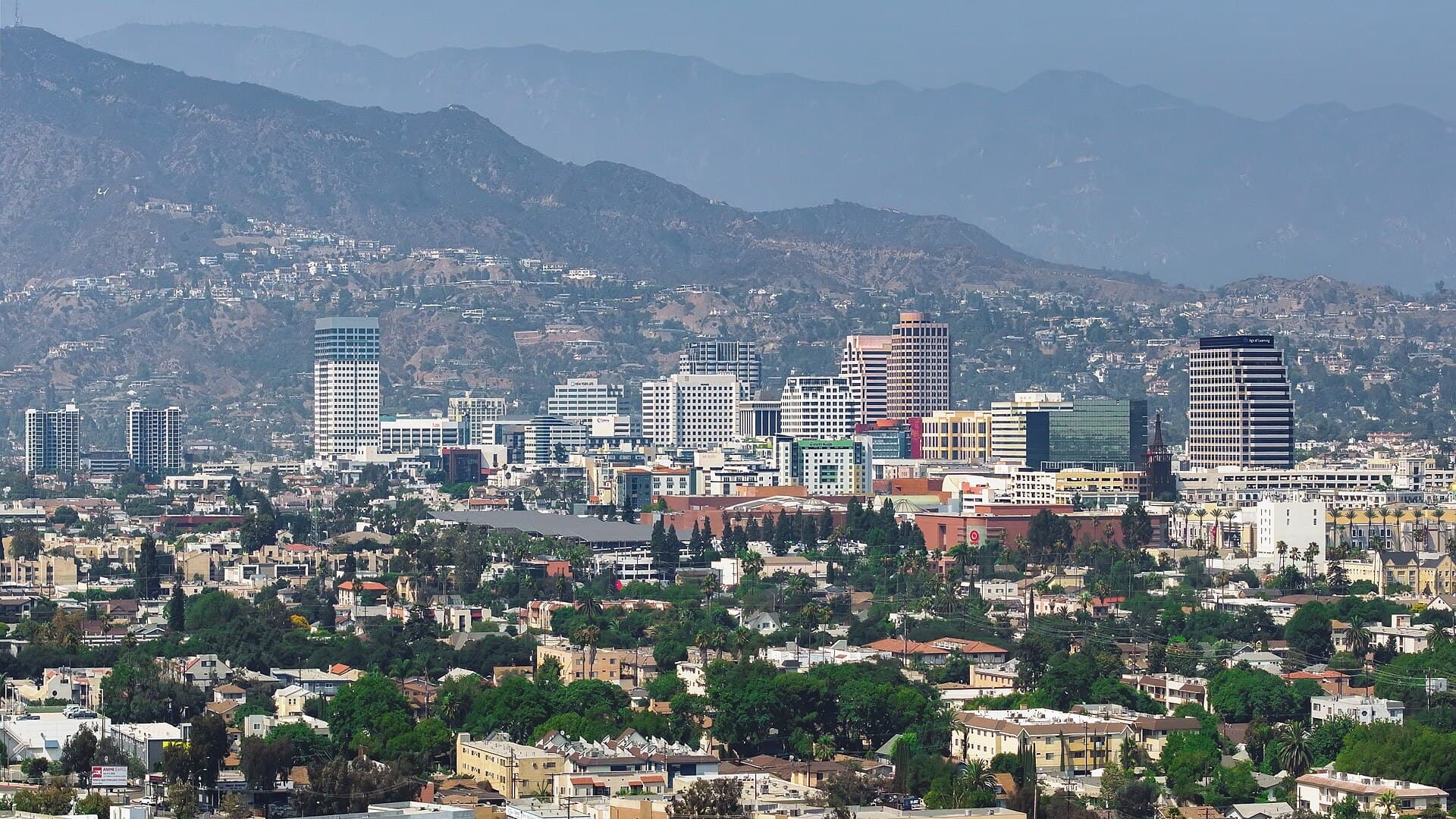 Quintin Soloviev / CC BY 4.0, via Wikimedia Commons
Самостоятельная аудиопрогулка по Глендейл — GPS-маршрут, офлайн-воспроизведение, увлекательное повествование на 32 языках.
“Где горные тропы встречаются с неоновыми мечтами и глобальными вкусами.”
Не открытки. Истории, которые не знают даже местные жители — шепотом в вашем ухе, прямо там, где они произошли.
Говорят, что в большом особняке, где находится Библиотека Бренда в Глендейле, есть постоянный житель, который никогда не выписывался.
Прежде чем стать кинолегендой, будущая икона Голливуда училась в старшей школе Глендейл Юнион.
Когда-то в Глендейле располагался первый аэропорт, который принимал авиационную элиту, но его дизайн давал владельцу небольшое преимущество.
Откройте для себя каждый секрет Глендейл
Каждый адрес, каждое полное раскрытие — в вашем ухе, прямо там, где это произошло.
Вы выбираете остановки. Вы гуляете. Голос раскрывает то, что упускают другие.
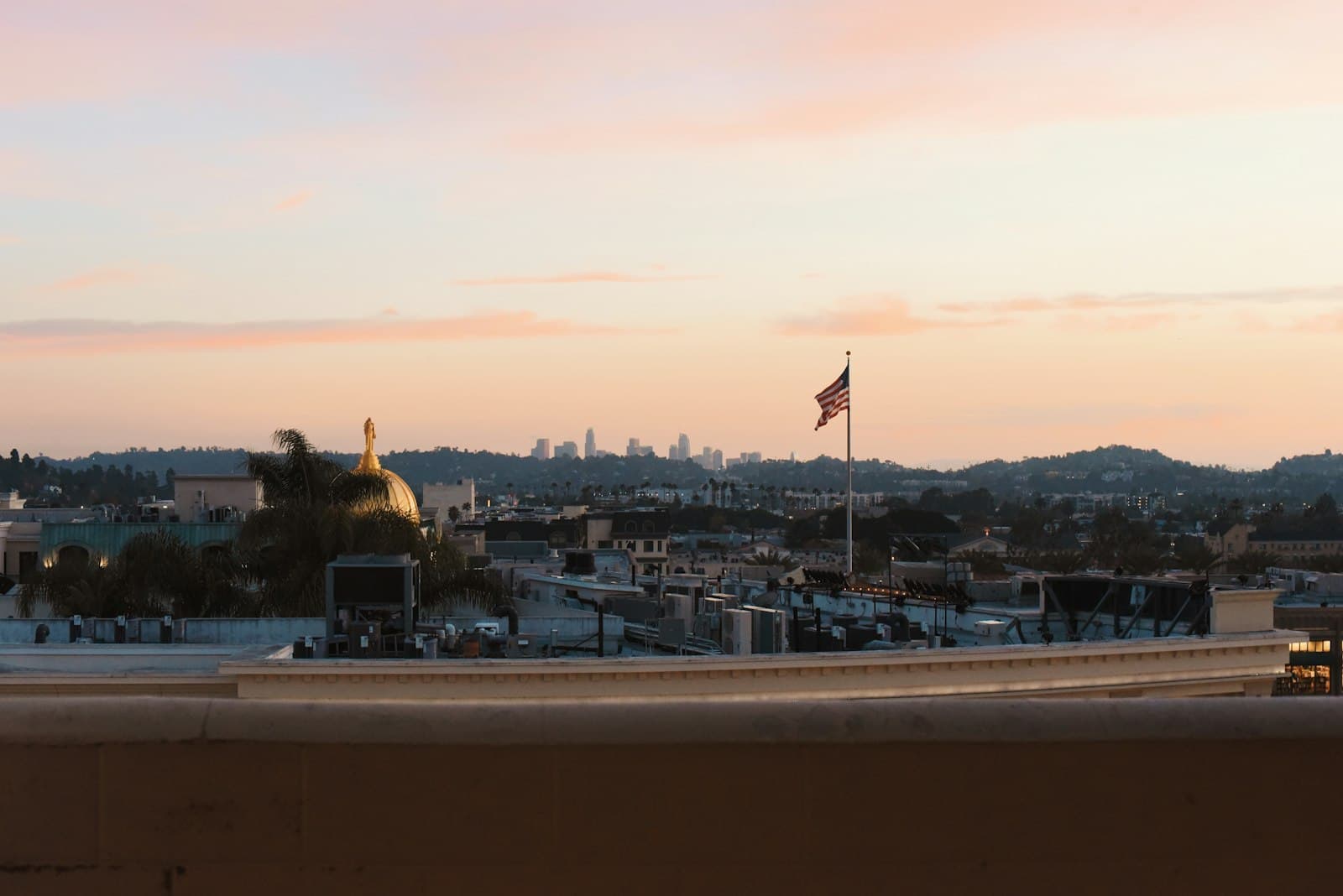


Ваш самостоятельный аудиотур по Глендейл готов — выберите свои достопримечательности, выберите свой язык и начните в момент прибытия.
КупитьВ Lume встроен гид дополненной реальности. Поднимите телефон: камера показывает улицу перед вами, а поверх реального изображения светится стрелка, всегда указывающая на вашу следующую остановку — не нужно разбираться с картой и сворачивать не туда. Как и всё в Lume, это работает полностью офлайн.
Глендейл, Калифорния, город, который часто процветает в тени своего раскинувшегося соседа, Лос-Анджелеса, тем не менее, обладает своим собственным отличительным характером и привлекательностью. Расположенный примерно в 10 милях к северу от центра Лос-Анджелеса, Глендейл функционирует как динамичный городской центр с атмосферой тесного сообщества. По состоянию на 2024 год это четвертый по численности населения город в округе Лос-Анджелес, насчитывающий около 187 823 жителей. Город занимает площадь 30,6 квадратных миль, включая части гор Вердуго и долины Сан-Фернандо.
Глендейл известен своим разнообразным сообществом, в частности, значительным армяно-американским населением, которое составляет одно из крупнейших армянских сообществ в Соединенных Штатах. Это культурное богатство пронизывает его кулинарный ландшафт и местные предприятия. Город также служит центром развлечений, являясь домом для крупных компаний, таких как DreamWorks Animation и Disney Consumer Products. Благодаря сочетанию возможностей для отдыха на природе, торговых центров, художественных площадок и гостеприимной атмосферы, Глендейл предлагает уникальный опыт Южной Калифорнии, который вознаграждает за исследование за пределами проторенных туристических маршрутов.
Земля, которая сейчас составляет Глендейл, изначально была заселена народом Тонгва на протяжении тысячелетий, который знал реку Лос-Анджелес как Паайме Паксаайт ('Западная река'). Их поселения, включая Ашваангн, Хахамонгн и Туюнга, были разбросаны по району Глендейл-Ла Кресента-Монтроуз. Прочное испанское присутствие было установлено в 1769 году экспедицией Портолы.
В 1798 году капрал Хосе Мария Вердуго получил концессию на ранчо Сан-Рафаэль, обширную территорию, которая включала большую часть нынешнего Глендейла, Бербанка, Игл-Рока и Хайленд-Парка. После смерти Вердуго в 1831 году ранчо перешло к его детям, Хулио и Каталине. Земля в конечном итоге была разделена посредством ряда мелких разделов, кульминацией которых стало 'Великое разделение' 1871 года. Город Глендейл был официально обследован и зарегистрирован в 1887 году, хотя почта все еще адресовалась на 'Вердуго, Калифорния' в течение нескольких лет, пока Почтовое отделение США официально не признало Глендейл.
Глендейл был инкорпорирован как город 15 февраля 1906 года. Начало 20-го века ознаменовалось значительным ростом, частично благодаря усилиям Лесли Кумбса Бренда, который помог провести 'Красные вагоны' Тихоокеанской электрической железной дороги в Глендейл в 1904 году. Город расширялся за счет многочисленных присоединений, вырос с 150 акров при основании до более чем 7000 акров к 1920 году и сегодня занимает 30,5 квадратных миль. 1920-е годы ознаменовали период культурного расцвета с открытием театров, таких как Алекс-театр (построен в 1925 году), и строительством аэропорта Гранд-Сентрал в 1923 году, который стал значительным центром ранней авиации. Население Глендейла стремительно росло, что привело к развитию новых районов и инфраструктуры, превратив его в более плотный и космополитичный городской район. Сегодня Глендейл признан за свою разнообразную экономику, развитую деловую среду и высокое качество жизни.
Глендейл предлагает разнообразные достопримечательности, которые привлекают различные интересы. Для шопинга и развлечений The Americana at Brand является выдающимся центром образа жизни под открытым небом с более чем 74 розничными магазинами, более чем 20 ресторанами, танцующим фонтаном и трамваем. Непосредственно рядом находится Glendale Galleria, большой крытый торговый центр, в котором когда-то располагался первый в мире Apple Store.
Любители искусства и культуры могут посетить Музей неонного искусства (MONA), уникальный музей, посвященный сохранению и демонстрации неоновых вывесок, предлагающий светящееся путешествие по истории дизайна. Алекс-театр, построенный в 1925 году в египетском стиле, является историческим центром исполнительских искусств, где проходят концерты и другие представления. Для знакомства с историей и спокойствия в парке Бренда находится Библиотека и художественный центр Бренда, расположенные в особняке в индийском стиле 1904 года, и безмятежный чайный домик Сиосян в японском стиле. Музей Докторс Хаус, викторианский дом в стиле королевы Анны 1888 года, дает представление о прошлом Глендейла. Кроме того, Мемориальный парк Форест-Лоун служит последним пристанищем многих голливудских деятелей и включает в себя музей с выдающимися произведениями искусства и артефактами.
Глендейл имеет средиземноморский климат с примерно 280 солнечными днями в году. Наиболее приятное время для посещения с целью занятий на свежем воздухе приходится на период с конца мая по середину октября. Весна (с марта по май) идеально подходит для пеших прогулок, с комфортной температурой и цветами, украшающими горы Вердуго. Осень приносит культурные мероприятия, такие как Армянский кинофестиваль в сентябре. Праздничный сезон, с конца ноября по январь, преображает центр города с помощью 'Glendale Glitters', впечатляющей световой инсталляции, состоящей из более чем 1,5 миллиона огней. Хотя лето может быть жарким, с температурой регулярно выше 90 градусов по Фаренгейту, рекомендуется планировать мероприятия на свежем воздухе на утро.
Глендейл легко доступен, расположен в нескольких минутах от центра Лос-Анджелеса, Пасадены и Бербанка. Он хорошо связан несколькими крупными автомагистралями, включая I-5, SR-2, SR-134 и I-210, обеспечивая удобный доступ для жителей и гостей. Город также управляет собственным автобусным сообщением Beeline с 13 маршрутами, соединяющими различные пункты, включая Бербанк и станции Metrolink. Для авиаперелетов поблизости находится аэропорт Голливуд Бербанк (BUR), который предлагает прямое железнодорожное сообщение с центром Лос-Анджелеса, а международный аэропорт Лос-Анджелеса (LAX) находится примерно в 30 минутах езды.
Глендейл известен своей репутацией безопасного города и благоприятной деловой средой. Стоимость жизни выше, чем в среднем по стране, в основном из-за расходов на жилье, со средней стоимостью недвижимости около 1,1 миллиона долларов в 2024 году. Однако он считается более доступным, чем многие другие крупные города США. Город предоставляет ряд программ и ресурсов для бизнеса и жителей.
Глендейл: корейский, китайский, иврит и ещё 29 языков — каждую остановку озвучивает носитель языка. Самый широкий выбор языков среди аудиоэкскурсий без гида.
Доступные языки: