Гнезненский собор
Знаменитые Гнезненские двери, изображающие жизнь Святого Адальберта, не совсем такие, какими кажутся.
Полная история открывается в туре
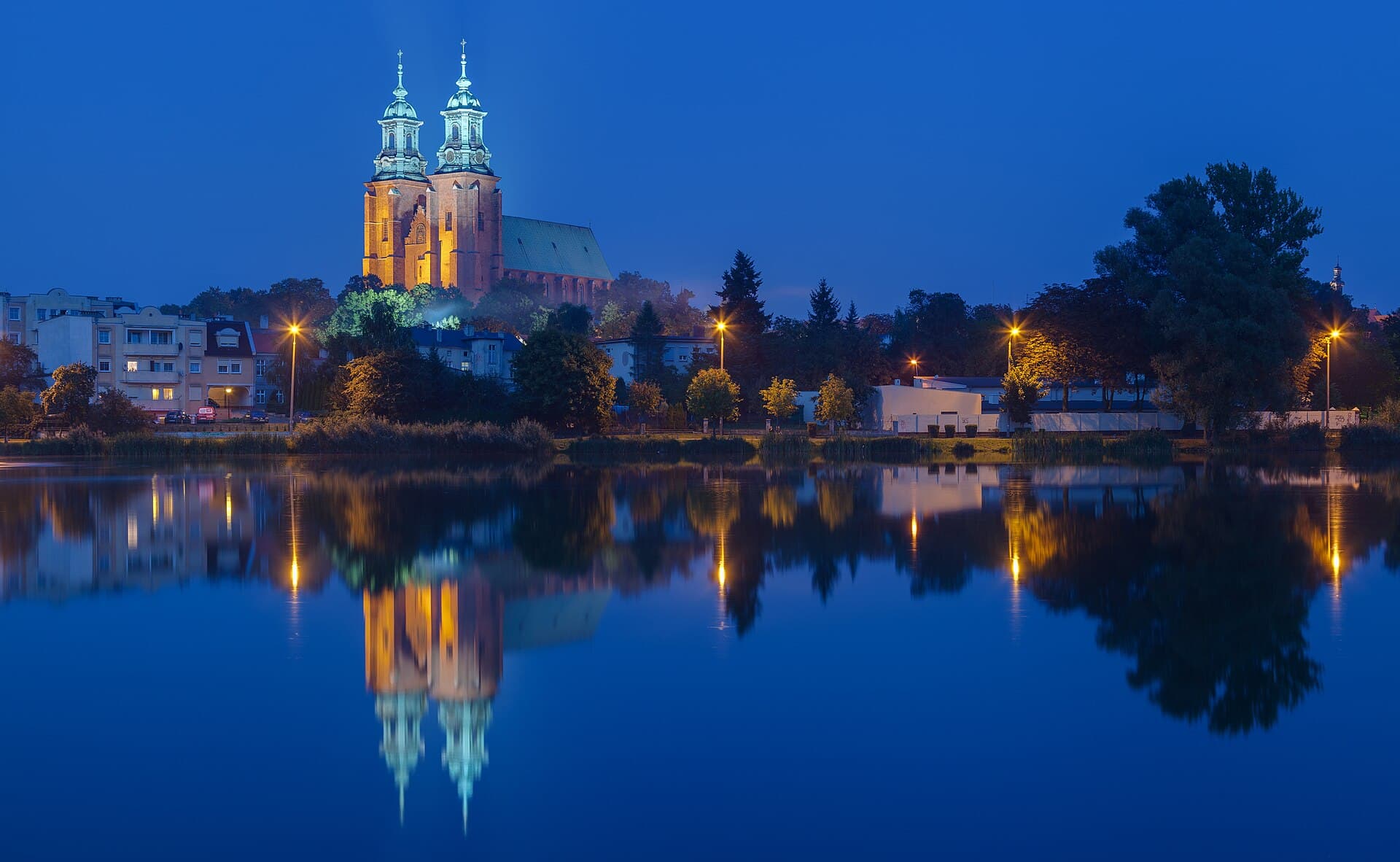 Diego Delso / CC BY-SA 4.0, via Wikimedia Commons
Самостоятельная аудиопрогулка по Гнезно — GPS-маршрут, офлайн-воспроизведение, увлекательное повествование на 32 языках.
“Где началась история Польши, высеченная в бронзе и шепчущаяся в древних камнях.”
Не открытки. Истории, которые не знают даже местные жители — шепотом в вашем ухе, прямо там, где они произошли.
Знаменитые Гнезненские двери, изображающие жизнь Святого Адальберта, не совсем такие, какими кажутся.
Под величественными готическими сводами Гнезненского собора скрывается тайна, которая переписывает хронологию Польши.
Улицы Гнезно скрывают причудливую деталь, которая проведет вас через его королевское прошлое.
Откройте для себя каждый секрет Гнезно
Каждый адрес, каждое полное раскрытие — в вашем ухе, прямо там, где это произошло.
Вы выбираете остановки. Вы гуляете. Голос раскрывает то, что упускают другие.

Ваш самостоятельный аудиотур по Гнезно готов — выберите свои достопримечательности, выберите свой язык и начните в момент прибытия.
КупитьВ Lume встроен гид дополненной реальности. Поднимите телефон: камера показывает улицу перед вами, а поверх реального изображения светится стрелка, всегда указывающая на вашу следующую остановку — не нужно разбираться с картой и сворачивать не туда. Как и всё в Lume, это работает полностью офлайн.
Гнезно, часто называемое «Колыбелью Польши», — это город, где были заложены основы польского государства и его христианской идентичности. Расположенный в западно-центральной части Польши, примерно в 50 километрах к северо-востоку от Познани, этот исторический город предлагает глубокое погружение в истоки нации. Это место, где легенда и записанная история переплетаются, приглашая посетителей исследовать корни тысячелетнего наследия.
Само название города, Гнезно, как говорят, происходит от польского слова «гнездо» (gniazdo), вдохновленного легендой о Лехе, мифологическом основателе Польши, который якобы поселился здесь после того, как увидел гнездо белого орла. Этот белый орел остается национальным символом Польши, мощным отголоском основополагающей роли Гнезно. Сегодня Гнезно, с населением почти 70 000 человек, является важной точкой на Пути Пястов — маршруте, соединяющем места, имеющие решающее значение для раннего польского государства.
Хотя Гнезно, возможно, не так широко известно, как другие польские города, его значение неоспоримо. Это была первая столица, место ранних королевских коронаций и ключевой центр становления христианства в Польше. От своего культового собора до привлекательного Старого города, Гнезно предлагает убедительное сочетание исторической глубины и современного характера, что делает его достойным местом назначения для тех, кто стремится понять непреходящую историю Польши.
История Гнезно восходит к VIII веку н.э., а археологические данные указывают на крепость племени поляне на Лехином холме. Это стратегическое место, расположенное среди моренных холмов и озер, стало центром власти. К концу VIII-IX веков возникло открытое поселение, а затем укрепленное поселение около 940 года н.э. Истинная известность города началась с династии Пястов.
Князь Мешко I, первый исторически подтвержденный правитель Польши, основал государство со столицей в Гнезно. Поворотным моментом стало Крещение Польши в 966 году н.э. — акт христианизации, который укрепил политическую и религиозную идентичность молодого государства. Гнезно быстро стало сильным центром торговли и ремесел.
1000 год н.э. ознаменовался еще одним важным событием: Гнезненским съездом. Император Священной Римской империи Оттон III совершил паломничество к гробнице Святого Адальберта в Гнезно, что привело к крупной политической встрече с польским князем Болеславом I Храбрым. Этот съезд инициировал создание Гнезненской архиепархии, основав первую митрополичью церковь в Польше, подчиненную только Папе Римскому. Болеслав I Храбрый был коронован как первый польский король в Гнезненском соборе в 1025 году, за ним вскоре последовал его сын Мешко II. Несколько других польских монархов были коронованы в Гнезно, включая Болеслава II Смелого в 1076 году и Пшемысла II в 1295 году. Последняя королевская коронация в Гнезно состоялась в 1300 году, когда был коронован Вацлав II Богемский.
Несмотря на свою раннюю важность, Гнезно столкнулось с многочисленными трудностями. Оно было разграблено князем Брецеславом I Богемским в 1038 году, а собор был поврежден Тевтонскими рыцарями в 1331 году. Столица в конечном итоге была перенесена в Краков в 1039 году, хотя Гнезно оставалось местом коронации до XIV века. Город был перестроен в середине XIV века, и нынешний готический собор был в значительной степени построен в этот период. Гнезно процветало за счет торговли в XVI и XVII веках, торгуя такими товарами, как шкуры и меха, даже из Сибири. Оно также сыграло значительную роль в борьбе против германизации в конце XIX века и было ключевым командным пунктом в Великопольском восстании в декабре 1918 года, рано восстановив независимость. Город в значительной степени избежал разрушений в 1945 году, пострадал только собор, который впоследствии был восстановлен в своей первоначальной готической структуре в 1950-х годах.
Историческое сердце Гнезно сосредоточено вокруг Лехиного холма, где Гнезненский собор является самой значительной достопримечательностью города. Этот кирпичный готический собор, внушительное двухбашенное сооружение, является резиденцией польских церковных деятелей почти тысячелетие и служил местом коронации нескольких польских монархов. Внутри вы найдете знаменитые Гнезненские двери XII века, украшенные 18 барельефными сценами, изображающими жизнь и мученичество Святого Адальберта, покровителя Польши. Не упустите из виду богато украшенный серебряный саркофаг Святого Адальберта в алтаре, шедевр барокко, созданный в 1662 году.
Помимо главного собора, исследуйте подземные уровни, чтобы увидеть остатки более ранних романских церквей и самую старую надгробную надпись в Польше, датируемую 1006 годом. Чтобы насладиться панорамным видом на Гнезно, окружающие озера и сельскую местность, поднимитесь на одну из башен собора. Рядом с собором находится Музей Гнезненской архиепархии, где хранится богатая коллекция церковных артефактов, и Музей истоков польского государства, который предлагает более глубокое понимание ранней польской истории через археологические экспонаты.
Прогуляйтесь по Старому городу Гнезно, характеризующемуся извилистыми улицами, ярко раскрашенными доходными домами XIX века и центральной рыночной площадью. Королевская тропа (Trakt Królewski) проведет вас по городу, отмеченному очаровательными бронзовыми скульптурами кроликов. Для момента тихого размышления прогуляйтесь по благоустроенной территории вокруг озера Елонек, откуда открывается четкий вид на шпили собора.
Рассмотрите возможность однодневной поездки в Острув Ледницки, археологический объект, охраняемый ЮНЕСКО, который считается колыбелью польского государства, и близлежащий Великопольский этнографический парк, музей под открытым небом, демонстрирующий сельскую жизнь XIX века.
Гнезно наиболее приятно посещать в теплое время года, с мая по сентябрь. В этот период средняя дневная температура колеблется от комфортных 20°C до 25°C (68°F до 77°F), что идеально подходит для изучения исторических мест города и активного отдыха. Июль обычно является самым теплым месяцем со средней дневной температурой 25°C (77°F) и наибольшим количеством солнечных дней. Хотя в эти месяцы наблюдаются умеренные осадки, баланс солнечных и дождливых дней позволяет наслаждаться осмотром достопримечательностей. Для оптимального активного отдыха на свежем воздухе настоятельно рекомендуется период с середины июня до конца августа, с пиком в первую неделю августа.
Гнезно расположен в центрально-западной части Польши, примерно в 50-60 км к северо-востоку от Познани. Ближайшие аэропорты с регулярными пассажирскими рейсами находятся в Познани (около 50 км) и Быдгоще (около 90 км). Гнезно хорошо связано железнодорожным сообщением, регулярные рейсы из Познани занимают от 25 до 50 минут. Главный железнодорожный и автобусный вокзалы находятся примерно в 15 минутах ходьбы от центра города.
Большинство основных достопримечательностей Гнезно находятся в пределах пешей досягаемости друг от друга в центре города, что облегчает его исследование пешком. Общественные автобусы доступны для дальних поездок, стоимость одной поездки составляет около 2 польских злотых. Такси также являются вариантом, а система городских велосипедов предлагает недорогой способ передвижения.
Национальной валютой является польский злотый (PLN). Деньги можно обменять в пунктах обмена валюты и банках, в основном в центре города. Основные кредитные карты широко принимаются в большинстве магазинов и ресторанов. Польские супермаркеты обычно имеют длительные часы работы, хотя большинство магазинов закрыты по воскресеньям. Для ужина улица Хроброго, главная улица, предлагает множество ресторанов и баров.
Гнезно: корейский, китайский, иврит и ещё 29 языков — каждую остановку озвучивает носитель языка. Самый широкий выбор языков среди аудиоэкскурсий без гида.
Доступные языки: