Tempio Mahabaleshwar
Si dice che la divinità principale del Tempio Mahabaleshwar, l'Atmalinga, conceda immense benedizioni a coloro che semplicemente ne intravedono la forma.
La storia completa si sblocca nel tour
 Aleksriis / CC BY-SA 4.0, via Wikimedia Commons
Tour audio autoguidato di Gokarna — percorso GPS a piedi, riproduzione offline, narrazione coinvolgente in 32 lingue.
“Dove antiche leggende incontrano spiagge baciate dal sole.”
Non le cartoline. Le storie che nemmeno i locali conoscono — sussurrate nel tuo orecchio, proprio dove sono accadute.
Si dice che la divinità principale del Tempio Mahabaleshwar, l'Atmalinga, conceda immense benedizioni a coloro che semplicemente ne intravedono la forma.
Nel profondo di una grotta, si ritiene che uno Shiva Lingam formato naturalmente si sia manifestato dopo un evento leggendario che coinvolse il re demone Ravana.
Dopo il tramonto, Kudle Beach si trasforma da un sereno tratto di sabbia in un vivace centro con intrattenimento inaspettato.
Scopri ogni segreto di Gokarna
Ogni indirizzo, ogni rivelazione completa — nel tuo orecchio, proprio dove è accaduta.
Scegli le tue tappe. Cammini. La voce rivela ciò che gli altri perdono.


Il tuo tour audio autoguidato di Gokarna è pronto — scegli i tuoi punti di interesse, seleziona la tua lingua e inizia nel momento in cui arrivi.
AcquistaLume include una guida in realtà aumentata. Alza il telefono: la fotocamera mostra la strada davanti a te, con una freccia luminosa sovrapposta all'immagine reale che punta sempre verso la tua prossima tappa — nessuna mappa da decifrare, nessuna svolta sbagliata. Come tutto in Lume, funziona completamente offline.
Gokarna, una città costiera nello stato indiano del Karnataka, offre una miscela distintiva di riverenza spirituale e vita da spiaggia rilassata. A differenza della sua vicina più chiassosa, Goa, Gokarna mantiene un ritmo più lento, attirando sia devoti pellegrini indù che viaggiatori in cerca di coste tranquille. Il nome della città, che in sanscrito significa 'orecchio di mucca', affonda le sue radici nella mitologia indù, dove si crede che Lord Shiva sia emerso dall'orecchio di una mucca, o dalla Terra personificata come una mucca, in questo stesso luogo.
Posizionata tra i fiumi Gangavali e Aghanashini lungo il Mar Arabico, Gokarna è nota per i suoi siti sacri e una serie di spiagge a forma di mezzaluna. La città stessa è incentrata sui suoi templi, con un'aura spirituale palpabile che attira visitatori da tutto il paese. Oltre ai luoghi di pellegrinaggio, la costa di Gokarna offre opportunità per rilassarsi su tratti sabbiosi, praticare sport acquatici ed esplorare calette tranquille.
## Origini Antiche e Radici Mitologiche La storia di Gokarna è profondamente intrecciata con antichi poemi epici indiani e la mitologia indù. La città è menzionata nel Mahabharata e dal poeta classico sanscrito Kalidasa nella sua opera del IV secolo, Raghuvamsha, dove fa riferimento al 'Signore di Gokarna'. La leggenda più importante spiega il nome della città, 'Gokarna' (orecchio di mucca). Secondo la tradizione, Lord Shiva emerse dall'orecchio di una mucca (Go) in questo luogo.
Una leggenda centrale ruota attorno all'Atmalinga, un idolo sacro di Lord Shiva. Il re demone Ravana, un fervente devoto di Shiva, compì intense penitenze sul Monte Kailash per ottenere l'Atmalinga, credendo che gli avrebbe conferito immortalità e poteri divini. Shiva esaudì il suo desiderio con un'unica rigida condizione: l'Atmalinga non doveva essere appoggiata a terra, altrimenti si sarebbe fissata lì permanentemente. Mentre Ravana tornava a Lanka, gli dei, temendo la sua invincibilità, chiesero aiuto a Lord Ganesha. Vicino a Gokarna, Lord Vishnu creò l'illusione del crepuscolo, spingendo Ravana a cercare qualcuno che tenesse l'Atmalinga mentre egli eseguiva i suoi rituali serali. Lord Ganesha, travestito da ragazzo bramino, accettò, ma con la condizione che avrebbe chiamato tre volte e appoggiato il lingam se Ravana non fosse tornato. Ganesha appoggiò l'Atmalinga a terra, radicandola permanentemente a Gokarna. Ravana, infuriato, cercò di sradicarla, ma riuscì solo a distorcerne la forma, dandole il nome Mahabala, che significa 'colui che ha grande forza'. Il Tempio Mahabaleshwar, costruito nel IV secolo d.C. in stile architettonico dravidico, ospita ora questo stesso Atmalinga.
## Dinastie e Sviluppo Gokarna è un centro sacro abitato ininterrottamente da secoli. La dinastia Kadamba, intorno al IV secolo d.C., svolse un ruolo significativo nell'istituzionalizzazione formale del complesso del Tempio di Gokarna. Successivamente, tra il XIV e il XVI secolo, i sovrani dell'Impero Vijayanagara, come Bukka Raya I e Harihara I, ampliarono il complesso del tempio e donarono terre. L'economia della città si basava storicamente sui servizi ai pellegrini, con una costante domanda di locande, cibo e servizi rituali.
## Era Moderna e Turismo Nel 1665, il fondatore dell'Impero Maratha, Shivaji, visitò Gokarna per pregare. La città subì in seguito incursioni da parte di truppe portoghesi nel 1714 e fu conquistata da Hyder Ali del Mysore nel 1763. Nel 1799, passò sotto il dominio della Compagnia britannica delle Indie Orientali. Alla fine del XX secolo, Gokarna iniziò a ottenere riconoscimenti internazionali, non solo come sito di pellegrinaggio ma anche come destinazione turistica. L'apertura della Ferrovia Konkan nel 1998, con la stazione di Gokarna Road, migliorò significativamente l'accessibilità, portando a un flusso costante di turisti e alla commercializzazione del centro della città.
Gokarna offre una miscela di siti spirituali e bellezze naturali. Il Tempio Mahabaleshwar, un tempio di Shiva del IV secolo d.C., è una destinazione di pellegrinaggio primaria, venerato come uno dei sette Mukti Kshetras del Karnataka. Nelle vicinanze, il Tempio Maha Ganapati è consuetudine che i pellegrini visitino prima del Tempio Mahabaleshwar. Anche il Tempio Bhadrakali, dedicato alla Dea Uma, riveste importanza religiosa.
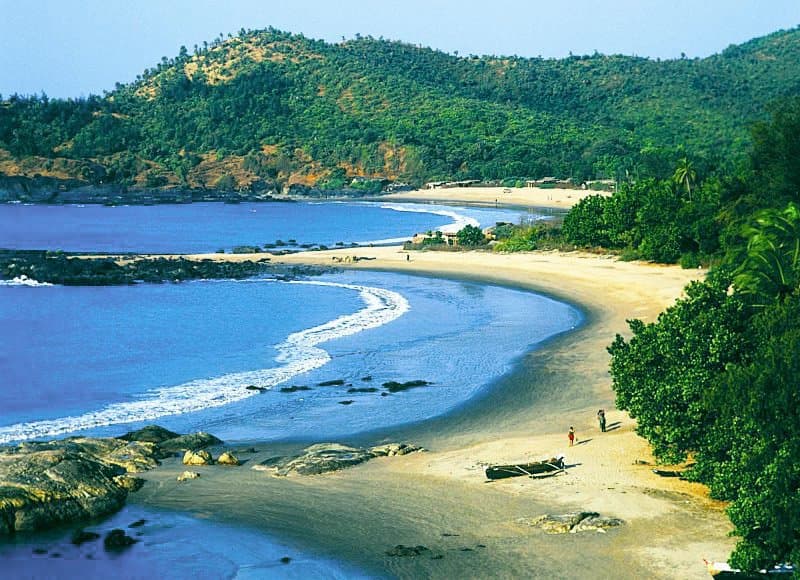
Oltre ai templi, Gokarna è nota per le sue spiagge. Om Beach, che prende il nome dalla sua distintiva forma a Om, è popolare per gli sport acquatici come banana boat, jet ski e surf. Kudle Beach offre un'atmosfera rilassata con ristoranti e capanne, ideale per passeggiate, yoga e viste al tramonto. Per esperienze più appartate, Half Moon Beach e Paradise Beach sono accessibili a piedi o in barca, offrendo tranquillità e opportunità per il campeggio. Nirvana Beach è un altro luogo tranquillo, preferito dai surfisti. Per un'attrazione naturale unica, le Grotte di Yana, con le loro imponenti formazioni rocciose di calcare nero, sono a breve distanza e rivestono importanza mitologica. Puoi anche esplorare il Forte di Mirjan del XVI secolo, un sito storico di interesse architettonico.
Il periodo migliore per visitare Gokarna è durante i mesi invernali, da ottobre a marzo. Durante questo periodo, il clima è piacevole con temperature che vanno dai 20°C ai 30°C, rendendolo ideale per attività balneari, visite turistiche ed escursioni. L'umidità è bassa e i cieli sono limpidi, perfetti per l'esplorazione all'aperto. Mentre la stagione dei monsoni (da giugno a settembre) porta una vegetazione lussureggiante e meno folla, le forti piogge possono limitare le attività all'aperto e rendere il mare agitato. Le estati (da marzo a maggio) sono calde e umide, con temperature che raggiungono i 40°C, anche se può essere un buon momento per i viaggiatori con budget limitato grazie alle tariffe alberghiere più basse.
La stazione ferroviaria di Gokarna Road si trova a circa 10 km dalla città, con auto-rickshaw e taxi disponibili. Autobus regolari collegano anche Gokarna alle principali città come Bangalore e Goa. Una volta a Gokarna, la città è abbastanza piccola da esplorare a piedi, soprattutto se si alloggia vicino alle spiagge. Noleggi di scooter sono ampiamente disponibili per circa 300-350 rupie al giorno, offrendo un modo comodo per spostarsi tra le spiagge. Anche gli auto-rickshaw sono un'opzione, ma è consigliabile concordare la tariffa in anticipo.
Sebbene Gokarna sia generalmente considerata sicura, si applicano le precauzioni standard, soprattutto dopo il tramonto. La connettività di rete può essere debole in alcune aree, anche se molti caffè offrono Wi-Fi. Gli sportelli bancomat sono disponibili nell'area di Car Street in città, e molti esercizi commerciali accettano pagamenti UPI. Quando nuoti, fai attenzione alle maree e alle correnti.
Gokarna — coreano, cinese, ebraico e altre 29 lingue, ogni tappa narrata da una voce madrelingua. La più ampia scelta di lingue tra i tour audio autoguidati.
Disponibile in: