Rua Torta (Strada Tortuosa)
La 'Strada Tortuosa' di Gramado è nota per le sue curve aggraziate, eppure il suo design non è sempre stato così intenzionalmente artistico.
La storia completa si sblocca nel tour
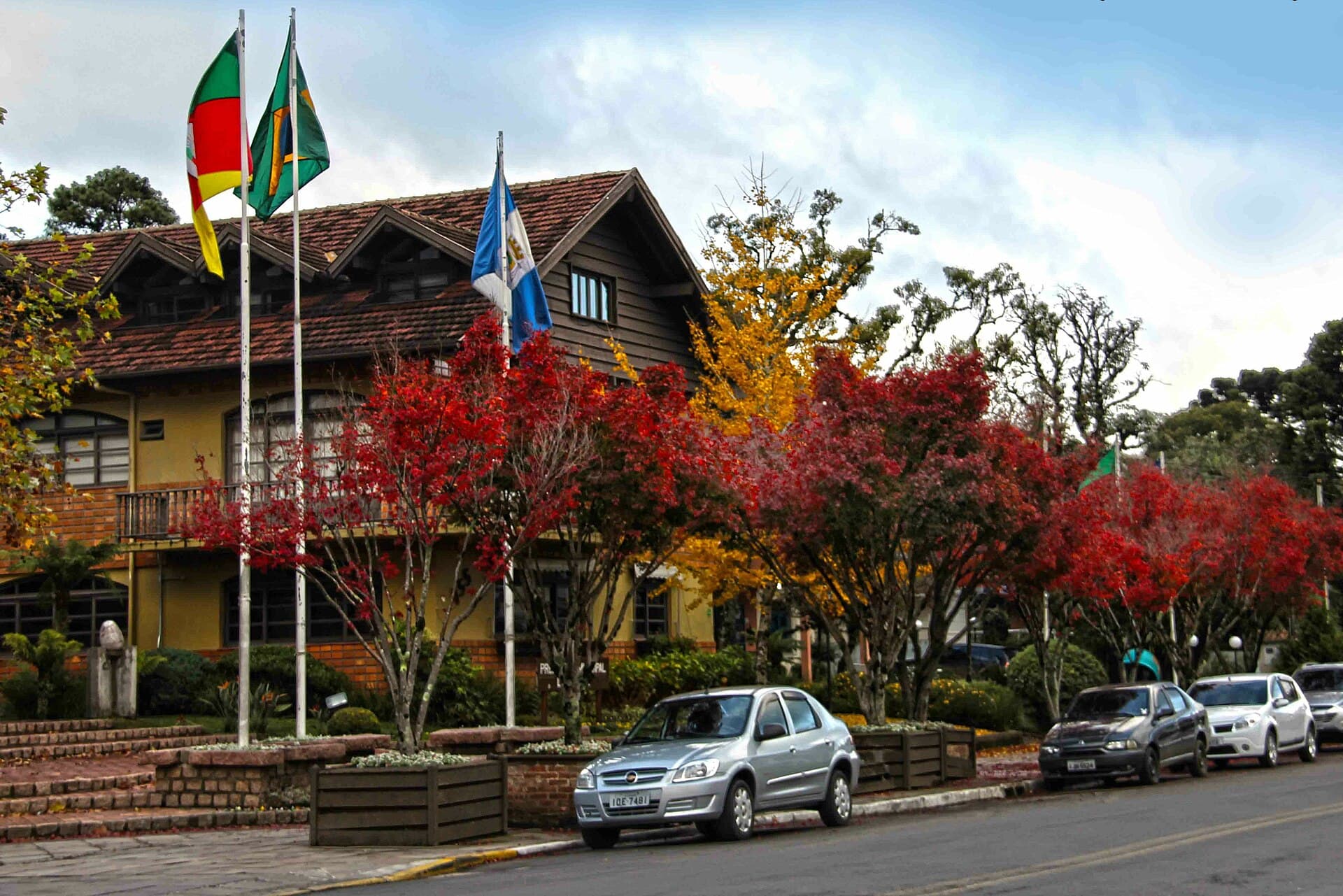 AUGUSTO JANISKI JUNIOR / CC BY 2.0, via Wikimedia Commons
Tour audio autoguidato di Gramado — percorso GPS a piedi, riproduzione offline, narrazione coinvolgente in 32 lingue.
“Dove l'eleganza bavarese incontra il calore brasiliano, una fuga in montagna per ogni stagione.”
Non le cartoline. Le storie che nemmeno i locali conoscono — sussurrate nel tuo orecchio, proprio dove sono accadute.
La 'Strada Tortuosa' di Gramado è nota per le sue curve aggraziate, eppure il suo design non è sempre stato così intenzionalmente artistico.
La dimora ufficiale brasiliana di Babbo Natale a Gramado nasconde un segreto riguardo ai suoi materiali di costruzione.
Il Lago Negro è uno dei luoghi più riconoscibili di Gramado, ma il suo nome suggerisce un'origine drammatica oltre il suo aspetto pacifico.
Scopri ogni segreto di Gramado
Ogni indirizzo, ogni rivelazione completa — nel tuo orecchio, proprio dove è accaduta.
Scegli le tue tappe. Cammini. La voce rivela ciò che gli altri perdono.


Il tuo tour audio autoguidato di Gramado è pronto — scegli i tuoi punti di interesse, seleziona la tua lingua e inizia nel momento in cui arrivi.
AcquistaLume include una guida in realtà aumentata. Alza il telefono: la fotocamera mostra la strada davanti a te, con una freccia luminosa sovrapposta all'immagine reale che punta sempre verso la tua prossima tappa — nessuna mappa da decifrare, nessuna svolta sbagliata. Come tutto in Lume, funziona completamente offline.
Gramado, situata tra le montagne della Serra Gaúcha in Rio Grande do Sul, Brasile, offre una sorprendente fusione di eleganza europea e ospitalità brasiliana. Riconosciuta per le sue distinte influenze germaniche e italiane, la città incanta i visitatori con la sua architettura accattivante, le colorate esposizioni floreali e un calendario ricco di festival. Dai giardini curati con attenzione ai ristoranti di fonduta invitanti, Gramado offre una partenza singolare dalla tipica esperienza balneare brasiliana, invitando i viaggiatori a scoprire una sfaccettatura diversa del variegato panorama culturale del paese.
Il fascino della città deriva dalla sua meticolosa cura dei dettagli e dalla sua capacità di trasportare i visitatori in un affascinante villaggio europeo. Corsie lastricate, edifici in stile bavarese e il profumo di cioccolato che aleggia dalle pasticcerie locali creano un'atmosfera immersiva. Oltre al suo fascino visivo, Gramado è un centro di eventi, in particolare il Natal Luz (Natale di Luce) festival, che trasforma la città in uno spettacolo radioso di illuminazioni e spettacoli, attirando milioni di visitatori ogni anno. È una destinazione che promette sia riposo che meraviglia, offrendo una ricca varietà di esperienze per ogni tipo di viaggiatore.
## Primi insediamenti e radici europee La storia di Gramado inizia a metà del XIX secolo con l'arrivo di immigrati portoghesi, seguiti presto da un'ondata significativa di coloni tedeschi e italiani. Questi primi arrivati europei furono attratti dal fertile terreno e dal clima più fresco della Serra Gaúcha, che ricordava le loro terre d'origine. Portarono con sé non solo le loro lingue e tradizioni, ma anche i loro metodi agricoli, stabilendo piccole fattorie e contribuendo all'economia in via di sviluppo della regione. La forte impronta culturale di queste comunità è ancora oggi evidente nell'architettura, nella cucina e nei costumi locali di Gramado.
## Da avamposto rurale a destinazione turistica Inizialmente, Gramado era un avamposto rurale, focalizzato principalmente sull'agricoltura e sul legname. La sua trasformazione in un'importante destinazione turistica iniziò all'inizio del XX secolo, in gran parte grazie al suo clima piacevole e alla sua bellezza paesaggistica. La costruzione di una linea ferroviaria che collegava Gramado alle città più grandi del Rio Grande do Sul negli anni '20 giocò un ruolo cruciale nell'aprire la regione ai visitatori. Questa migliore accessibilità permise a più persone di sperimentare il fascino della Serra Gaúcha, portando al graduale sviluppo di hotel e pensioni.
## L'ascesa dei festival e del turismo moderno La dedizione di Gramado al turismo si consolidò nella seconda metà del XX secolo. L'istituzione del Festival de Cinema de Gramado (Festival del Cinema di Gramado) nel 1973 portò la città sulla mappa culturale nazionale e internazionale, attirando celebrità e appassionati di cinema. Questo successo aprì la strada ad altri eventi significativi, in particolare Natal Luz, iniziato nel 1986 e da allora cresciuto fino a diventare uno dei più grandi festival di Natale al mondo. Questi festival, uniti ai continui sforzi della città per migliorare le sue infrastrutture e mantenere la sua estetica unica, hanno consolidato la reputazione di Gramado come destinazione turistica d'eccellenza in Brasile, attirando visitatori tutto l'anno per sperimentare la sua distinta miscela di eredità europea e spirito festivo brasiliano.
Inizia la tua esplorazione su Rua Torta, la 'Strada Tortuosa', un delizioso e tortuoso vicolo adornato da fiori vivaci, ideale per una passeggiata rilassante e per scattare fotografie. Nelle vicinanze, il Lago Negro offre escursioni in pedalò sulle sue acque scure e tranquille, incorniciato da alberi importati dalla Foresta Nera. Per un assaggio della cultura locale, visita la Igreja Matriz São Pedro Apóstolo, una chiesa in pietra con intricati vetri colorati. Gli amanti del cioccolato troveranno gioia nei numerosi negozi di cioccolato, molti dei quali offrono tour della fabbrica e degustazioni. Le famiglie apprezzeranno l'Aldeia do Papai Noel, il villaggio ufficiale di Babbo Natale in Brasile, completo di renne e decorazioni festive. Non perderti Mini Mundo, una città in miniatura accuratamente realizzata con repliche di edifici e scene rinomate. Per ampie vedute della regione, fai un giro in funivia ai Bondinhos Aéreos Parques da Serra a Canela, a breve distanza in auto da Gramado.
Gramado accoglie i visitatori tutto l'anno, con ogni stagione che offre un'esperienza distinta. L'inverno (giugno-agosto) porta temperature più fresche, a volte anche gelo, ed è perfetto per godersi un caldo camino. La primavera (settembre-novembre) esplode con esposizioni floreali, mentre l'estate (dicembre-marzo) è più calda e vivace, in particolare durante Natal Luz. L'autunno (aprile-maggio) offre un clima piacevole e meno folla.
L'aeroporto principale più vicino è l'Aeroporto Internazionale Salgado Filho (POA) a Porto Alegre, a circa due ore di auto. Da lì, puoi noleggiare un'auto o prendere un autobus diretto per Gramado. Il centro della città è percorribile a piedi, ma taxi e servizi di ride-sharing sono facilmente disponibili per distanze più lunghe o per viaggi nella vicina Canela. L'inglese non è ampiamente parlato, quindi avere un'app di traduzione o frasi di base in portoghese può essere utile. Gramado è generalmente una città sicura, ma come per ogni destinazione turistica, è saggio essere consapevoli di ciò che ti circonda e tenere al sicuro i propri oggetti di valore.
Gramado — coreano, cinese, ebraico e altre 29 lingue, ogni tappa narrata da una voce madrelingua. La più ampia scelta di lingue tra i tour audio autoguidati.
Disponibile in: