Музей Майры в Историческом обществе округа Гранд-Форкс
На территории музея Майры скрывается тайна о ранних поселениях Гранд-Форкса.
Полная история открывается в туре
 Brenda Riskey / Public domain, via Wikimedia Commons
Самостоятельная аудиопрогулка по Гранд-Форкс — GPS-маршрут, офлайн-воспроизведение, увлекательное повествование на 32 языках.
“Где сходятся две реки, процветает стойкий дух.”
Не открытки. Истории, которые не знают даже местные жители — шепотом в вашем ухе, прямо там, где они произошли.
На территории музея Майры скрывается тайна о ранних поселениях Гранд-Форкса.
Первое здание муниципального аэропорта Гранд-Форкса пережило удивительное второе рождение, далекое от мира авиации.
Помимо своего внушительного экстерьера, здание суда округа Гранд-Форкс раскрывает удивительную деталь, связанную с его строительством.
Откройте для себя каждый секрет Гранд-Форкс
Каждый адрес, каждое полное раскрытие — в вашем ухе, прямо там, где это произошло.
Вы выбираете остановки. Вы гуляете. Голос раскрывает то, что упускают другие.
Ваш самостоятельный аудиотур по Гранд-Форкс готов — выберите свои достопримечательности, выберите свой язык и начните в момент прибытия.
КупитьВ Lume встроен гид дополненной реальности. Поднимите телефон: камера показывает улицу перед вами, а поверх реального изображения светится стрелка, всегда указывающая на вашу следующую остановку — не нужно разбираться с картой и сворачивать не туда. Как и всё в Lume, это работает полностью офлайн.
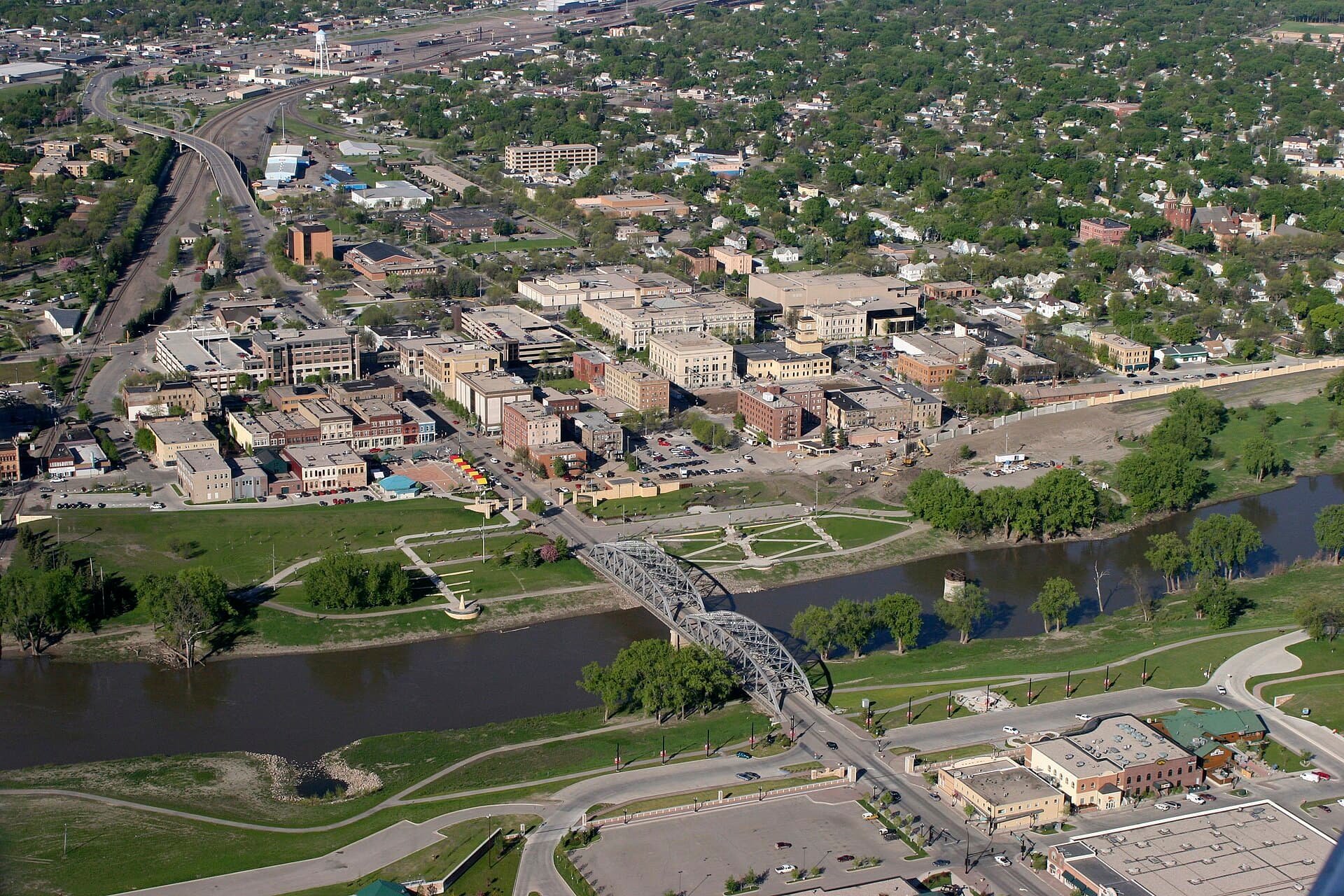
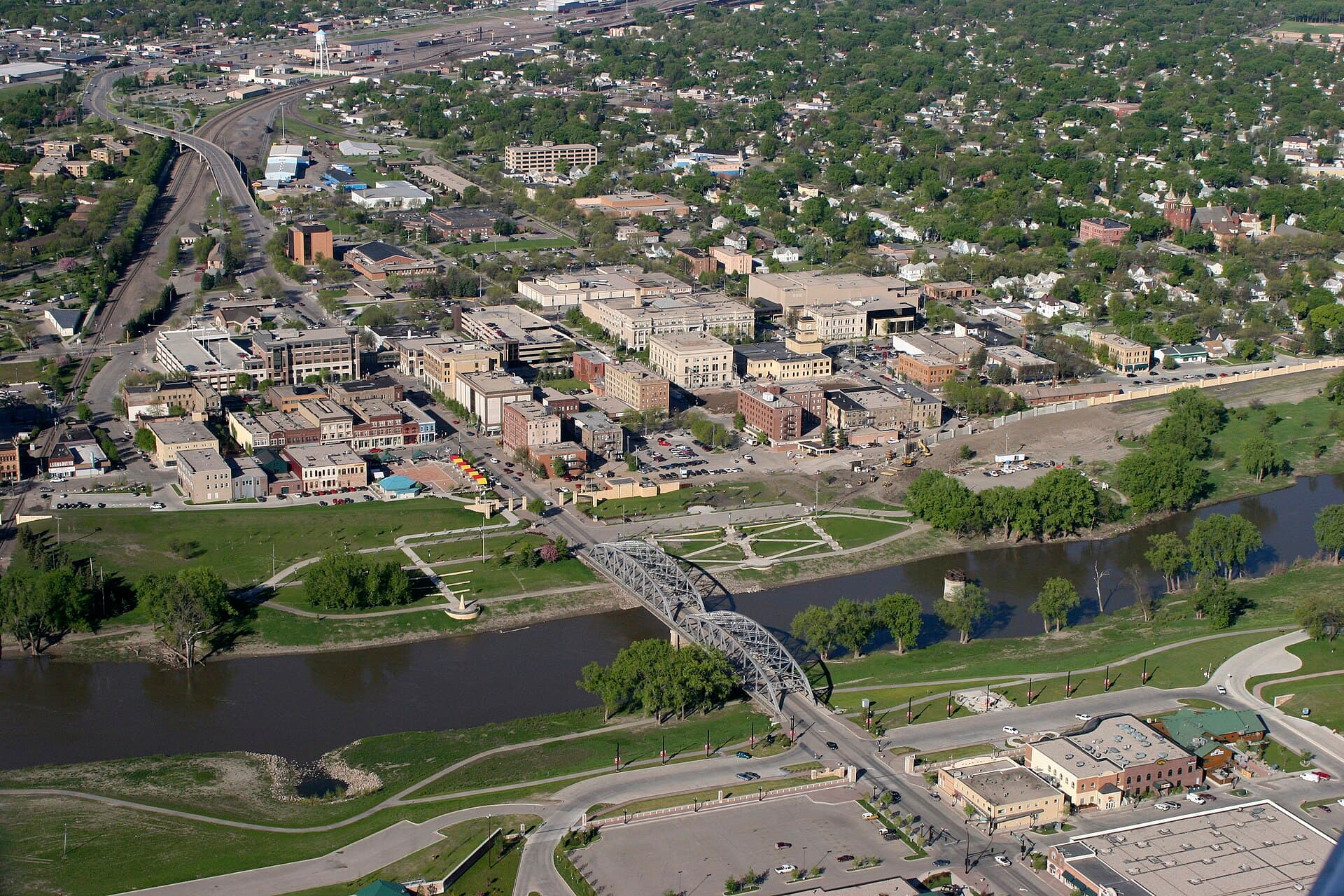
Гранд-Форкс, Северная Дакота, — город, сформированный его реками и стойкостью. Расположенный в месте слияния рек Ред-Ривер-оф-зе-Норт и Ред-Лейк-Ривер, что вдохновило французское название «Les Grandes Fourches», означающее «Великие форды», город давно является важным центром сбора и торговли. Это оживленное сообщество, третий по величине город Северной Дакоты, предлагает сочетание возможностей для отдыха на природе, оживленной атмосферы университетского города и глубокого уважения к своему прошлому и традициям.
Из своего происхождения как форпоста торговли мехами и центра пароходства Гранд-Форкс вырос в центр образования, обороны и сельского хозяйства. Центр города, некогда опустошенный пожарами и наводнениями, был возрожден и теперь предлагает сочетание местных предприятий, паблик-арта и доступа к обширной зеленой зоне. Независимо от того, привлекает ли вас его природная красота, исторические рассказы или современный культурный ландшафт, Гранд-Форкс предлагает уникальные впечатления в самом сердце долины Ред-Ривер.
До европейского заселения территория у слияния рек Ред-Ривер и Ред-Лейк-Ривер на протяжении тысячелетий служила важным местом встреч и торговли для коренных американских племен. Французские охотники за мехами и исследователи прибыли в 1740-х годах, основав «Les Grandes Fourches» как оживленный торговый пост. Британские торговцы мехами также основали постоянный пост в начале 1800-х годов, за ними последовали американские пушные компании. Это место также служило станцией отдыха на телегах, соединявших Миннеаполис и Виннипег.
Современный город начал формироваться в 1870 году, когда капитан парохода Александр Григгс, после того как его лодка замерзла в Ред-Ривер, определил, что это место идеально подходит для города. Григгс часто считается «Отцом Гранд-Форкса» за планировку сообщества в 1875 году. Почтовое отделение было открыто в 1870 году, а Гранд-Форкс был официально зарегистрирован как город 22 февраля 1881 года. Рост был стремительным, чему способствовало движение пароходов, волны иммигрантов и прибытие Великих Северных железных дорог в 1880 году и Северной Тихоокеанской железной дороги в 1887 году. Университет Северной Дакоты был основан в 1883 году, еще до того, как Северная Дакота получила статус штата.
Город столкнулся со значительными трудностями, включая крупные пожары в 1890-х годах, которые уничтожили многие ранние коммерческие здания, что привело к усилиям по восстановлению с использованием кирпичных конструкций для предотвращения быстрого распространения огня в будущем. Однако ни одно событие не сформировало Гранд-Форкс так глубоко, как наводнение на Ред-Ривер в 1997 году. После зимы с обильными снегопадами и метелями уровень Ред-Ривер достиг 54 футов, что намного превысило прогнозируемые 49 футов. Это катастрофическое наводнение привело к эвакуации более 50 000 человек — большей части населения города — и крупному пожару, уничтожившему одиннадцать зданий в центре города. Впоследствии Гранд-Форкс предпринял масштабные восстановительные работы, создав Greater Grand Forks Greenway, сеть зеленых насаждений площадью 2200 акров вдоль рек, и внедрив систему дамб для защиты от будущих наводнений.
Гранд-Форкс предлагает разнообразные достопримечательности, отражающие его прошлое, культуру и природную среду. Greater Grand Forks Greenway — это обширная система городских парков вдоль рек Ред и Ред-Лейк, предлагающая мили мощеных дорожек для прогулок и езды на велосипеде, а также возможности для каякинга и рыбалки. В пределах Greenway вы найдете Мемориал жертвам наводнения, обелиск, отмечающий уровень воды значительных прошлых наводнений, включая разрушительное событие 1997 года.
Для любителей искусства Гранд-Форкс демонстрирует более 165 произведений паблик-арта, включая муралы и скульптуры, многие из которых можно исследовать с помощью движения #GrandArt и его реестра. Среди заметных примеров — Мурал Гранд-Форкса на Town Square и Мурал «Пшеничное поле» по адресу 116 South 3rd Street, который использует пуантилистскую технику для изображения сельскохозяйственной экономики региона. Художественный музей Северной Дакоты в кампусе Университета Северной Дакоты представляет разнообразные коллекции, включая «Место Бартона» — реконструкцию нью-йоркской квартиры художника Бартона Бенеса.
История оживает в Историческом обществе округа Гранд-Форкс, которое включает Музей Майры и Дом Томаса Д. Кэмпбелла, дом в стиле неоготики, построенный над оригинальной бревенчатой избой. Empire Arts Center, исторический кинотеатр 1919 года, теперь служит многофункциональным театром и галереей. Для любителей спорта Ralph Engelstad Arena является домом для хоккейной команды Университета Северной Дакоты Fighting Hawks.
Наиболее благоприятное время для посещения Гранд-Форкса для занятий на свежем воздухе в теплую погоду — с конца июня до конца августа. В эти месяцы температура умеренная, влажность комфортная, и много солнечного света, что делает его идеальным для изучения Greenway, посещения уличных фестивалей и наслаждения ужином на террасе. Май и сентябрь также предлагают приятные условия с умеренными температурами, хотя в межсезонье может быть меньше туристов. Зимы приносят холод и снег, со средними январскими минимумами около 0°F, но они предоставляют возможности для зимних видов спорта и хоккейных игр Университета Северной Дакоты.
До Гранд-Форкса можно добраться через Международный аэропорт Гранд-Форкс (GFK), расположенный недалеко к северо-западу от города. Аэропорт имеет историю, восходящую к 1928 году, и значительно вырос, теперь являясь 20-м по загруженности аэропортом в стране. Оказавшись в городе, центр Гранд-Форкса приятен для прогулок, и многие достопримечательности находятся в пределах легкой досягаемости. Пешеходная экскурсия Downtown Talking Trail предлагает самостоятельный аудио-маршрут для изучения прошлого города и паблик-арта. Для тех, кто отправляется дальше, город хорошо связан автомагистралями. Варианты размещения варьируются от отелей до уникальных местных гостиниц. Варианты питания разнообразны: от местных фаворитов, таких как культовый Red Pepper, известный своими сэндвичами и соусами, до уютных кофеен и ресторанов с открытыми террасами. Фермерский рынок Town Square Farmers Market — это оживленный общественный центр местных продуктов и товаров.
Гранд-Форкс: корейский, китайский, иврит и ещё 29 языков — каждую остановку озвучивает носитель языка. Самый широкий выбор языков среди аудиоэкскурсий без гида.
Доступные языки: