Ponte Acquedotto (Ponte Aqueduto)
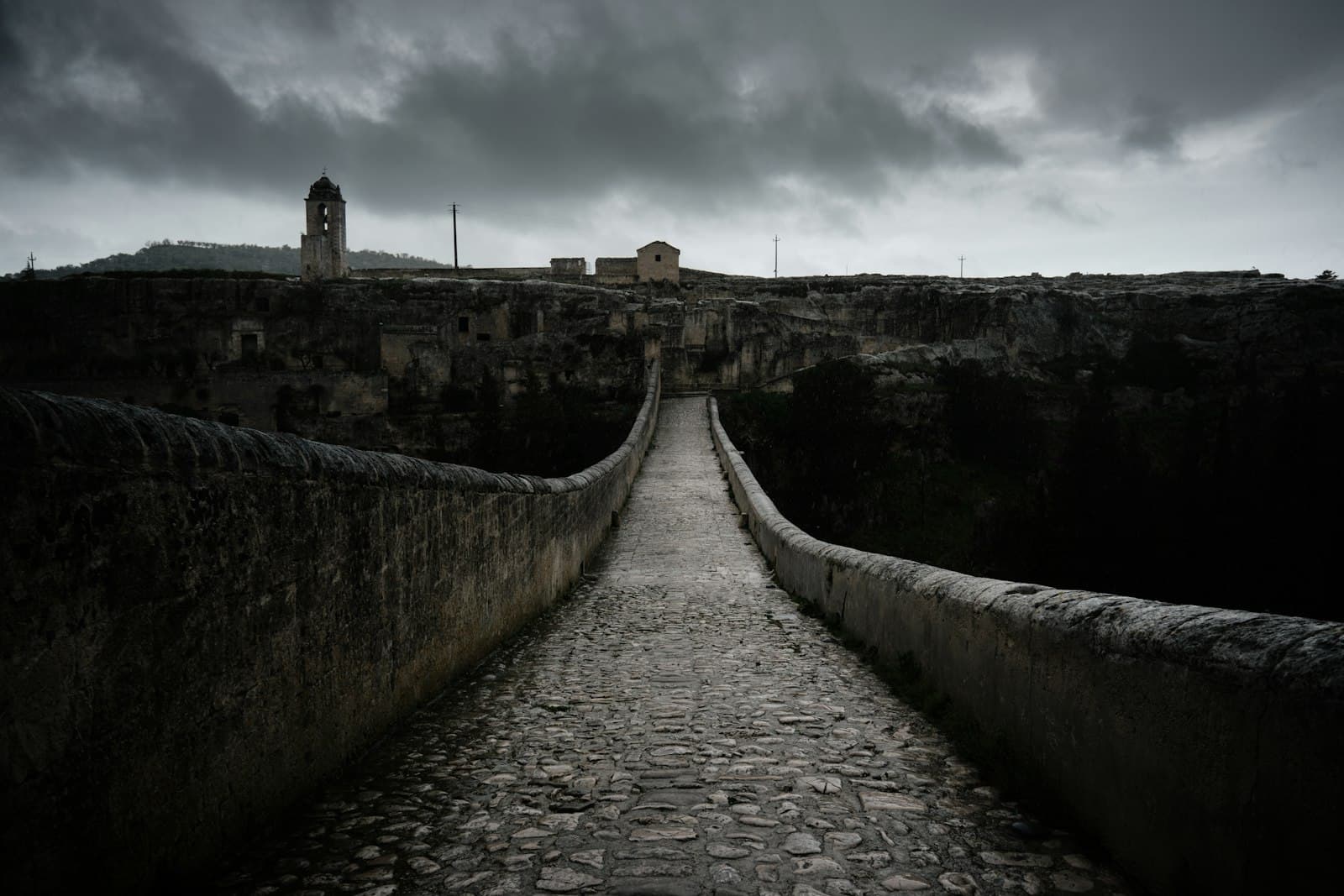
Esta impressionante ponte não é apenas uma travessia; ela desempenhou um papel dramático em um grande filme de sucesso.
História completa desbloqueada no tour
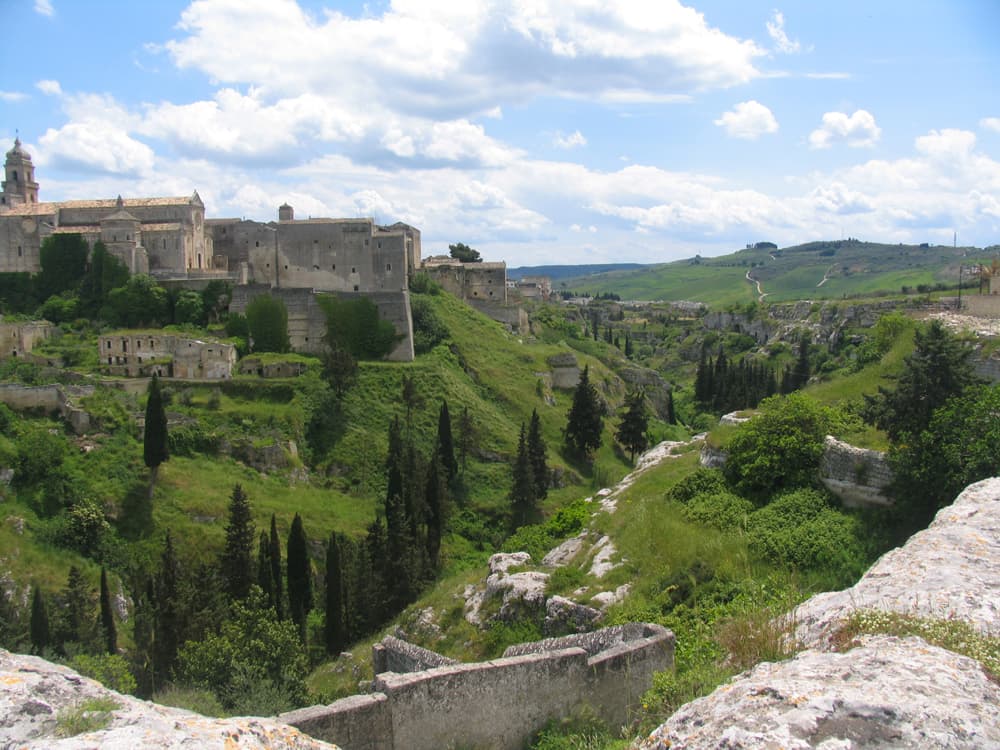 uscorpioun / CC BY-SA 3.0, via Wikimedia Commons
Tour de áudio autoguiado por Gravina in Puglia — rota GPS a pé, reprodução offline, narração envolvente em 32 idiomas.
“Onde a história antiga é esculpida na rocha e a terra sussurra segredos.”
Não os postais. As histórias que nem os locais conhecem — sussurradas ao seu ouvido, exatamente onde aconteceram.
Esta impressionante ponte não é apenas uma travessia; ela desempenhou um papel dramático em um grande filme de sucesso.
Sob as ruas modernas de Gravina existe uma cidade inteira esperando para ser explorada, uma rede muito mais extensa do que você poderia imaginar.
Esta igreja escavada na rocha guarda uma coleção de relíquias que contam uma lenda local bastante sombria, mas fascinante.
Descubra cada segredo de Gravina in Puglia
Cada endereço, cada revelação na íntegra — no seu ouvido, exatamente onde aconteceu.
Você escolhe as suas paragens. Você caminha. A voz revela o que os outros perdem.
O seu tour áudio autoguiado de Gravina in Puglia está pronto — escolha os seus pontos de interesse, selecione o seu idioma e comece no momento em que chegar.
ComprarA Lume inclui um guia de realidade aumentada. Levante o telemóvel: a câmara mostra a rua à sua frente, com uma seta luminosa sobreposta à imagem real que aponta sempre para a sua próxima paragem — sem mapa para decifrar, sem voltas erradas. Como tudo na Lume, funciona totalmente offline.
Gravina in Puglia, uma cidade no sul da Itália, na região da Apúlia, oferece uma mistura cativante de história, cultura e beleza natural. É definida por seu desfiladeiro dramático, um cânion profundo que corta a paisagem, dando nome à cidade. O antigo bairro da cidade apresenta moradias e igrejas esculpidas diretamente nas encostas rochosas, lembrando a vizinha Matera, mas com um caráter distinto e autêntico. Gravina é também a sede principal do Parque Nacional da Alta Murgia, oferecendo paisagens expansivas e oportunidades para atividades ao ar livre.
Explorar Gravina significa entrar em um passado em camadas, onde cada canto revela séculos de engenhosidade e resiliência humana. De suas maravilhas subterrâneas ao seu impressionante aqueduto, a cidade convida os visitantes a descobrir seus segredos em um ritmo tranquilo. A longa história de Gravina se reflete em sua arquitetura, influenciada pelas civilizações grega, romana, bizantina e normanda. É um destino para aqueles que buscam uma experiência italiana autêntica, longe das multidões, imergindo-se nas tradições locais e na beleza serena do campo da Apúlia.
A área ao redor de Gravina in Puglia tem sido continuamente habitada desde a era Paleolítica, um testemunho do suprimento constante de água do riacho Gravina. Os primeiros habitantes incluíram os Peucetianos, que estabeleceram um centro proto-urbano na colina Botromagno já no século VII a.C. Este assentamento, possivelmente chamado Silvium, serviu como um vital centro administrativo e de mercado ao longo das rotas comerciais que ligavam as regiões Adriática, Jônica, Lucânia e Daunia.
Durante o período romano, Gravina foi uma estação militar e comercial ao longo da Via Ápia, a antiga estrada que ligava Roma a Brindisi. Após períodos de agitação na Antiguidade Tardia, muitas pessoas buscaram refúgio nas cavernas do desfiladeiro, lançando as bases para a cidade medieval. A cidade, então conhecida como Garagnone ou Garaynone, tornou-se uma importante sede normanda na Apúlia medieval, marcada pela construção de uma catedral e um castelo. A primeira catedral foi construída em 1092 em estilo românico.
O Imperador Frederico II, no século XIII, encomendou um pavilhão de caça ou castelo de falcoaria, cujos restos ainda são visíveis hoje. De 1267 a 1380, a cidade foi posse feudal da família Anjou, seguida pela poderosa família Orsini de Roma, que reinou por 500 anos até a unificação da Itália. A influência da família Orsini é evidente em muitas das igrejas e edifícios da cidade, incluindo aqueles ligados a Pier Francesco Orsini, que mais tarde se tornou o Papa Bento XIII. O lema da cidade, "Grana dat et Vina" (Dá grãos e vinho), reflete suas terras férteis e prosperidade agrícola ao longo de sua longa história.
Comece sua exploração na Ponte Acquedotto, uma impressionante ponte em arco que atravessa o desfiladeiro de Gravina. Originalmente construída por volta de 1600, destruída por um terremoto em 1722 e reconstruída como aqueduto por volta de 1750 pela família Orsini, ela oferece vistas panorâmicas da paisagem circundante e da própria cidade. Do outro lado da ponte fica o Parque Arqueológico de Botromagno, um antigo bairro com moradias e igrejas escavadas na rocha.
Explore a Gravina Sotterranea, uma fascinante rede subterrânea de túneis, celeiros, adegas e aquedutos esculpidos na rocha. Visitas guiadas revelam séculos de vida subterrânea. Visite a Concattedrale di Santa Maria Assunta, a principal igreja da cidade, originalmente construída em 1092 em estilo românico e posteriormente reconstruída com influências renascentistas e barrocas. A Chiesa Rupestre di San Michele delle Grotte é outra visita essencial, uma igreja escavada na rocha com cinco naves, colunas de pedra, afrescos e um ossuário.
Para uma experiência local única, visite a Casa Museo Cola Cola, dedicada aos tradicionais apitos de argila em forma de pássaros, um símbolo da região. Logo fora da cidade, o Bosco Difesa Grande oferece uma área natural protegida para caminhadas e para desfrutar da flora e fauna local. Entusiastas da história também podem explorar os restos do castelo de Frederico II, um pavilhão de caça do século XIII.
As épocas ideais para visitar Gravina in Puglia são durante a primavera (abril a junho) e o outono (setembro a outubro). Durante esses meses, o clima é agradável e as multidões são geralmente menores. Os verões (final de junho a final de agosto) podem ser bastante quentes, com temperaturas atingindo mais de 30°C (86°F), tornando as atividades ao ar livre menos confortáveis. Os invernos são amenos, oferecendo uma boa oportunidade para explorar locais culturais sem as multidões da alta temporada.
Gravina in Puglia é melhor acessada de carro, oferecendo flexibilidade para explorar a região mais ampla de Murgia. O aeroporto principal mais próximo é o Aeroporto Bari Karol Wojtyła (BRI), a aproximadamente 60 quilômetros de distância, cerca de uma hora de carro. De Bari, você também pode pegar um trem para Altamura, depois um ônibus ou táxi para Gravina. O centro histórico de Gravina é muito caminhável, mas sapatos confortáveis são essenciais devido ao terreno irregular e escadas, especialmente ao explorar as áreas do desfiladeiro e as moradias em cavernas.
Cartões de crédito são amplamente aceitos, mas carregar algum dinheiro é aconselhável para pequenas compras ou em áreas mais remotas. Gravina in Puglia faz parte do movimento Slow Food, então espere pratos preparados na hora e potencialmente esperas mais longas em restaurantes. A culinária local enfatiza o azeite, produtos lácteos de pastagens locais e vegetais cultivados localmente.
Gravina in Puglia — coreano, chinês, hebraico e mais 29 idiomas, cada parada narrada por uma voz nativa. A maior variedade de idiomas entre os passeios de áudio autoguiados.
Disponível em: