Río Roe
Uno podría pensar que un río necesita cierta longitud para ganarse el título.
La historia completa se desbloquea en el tour
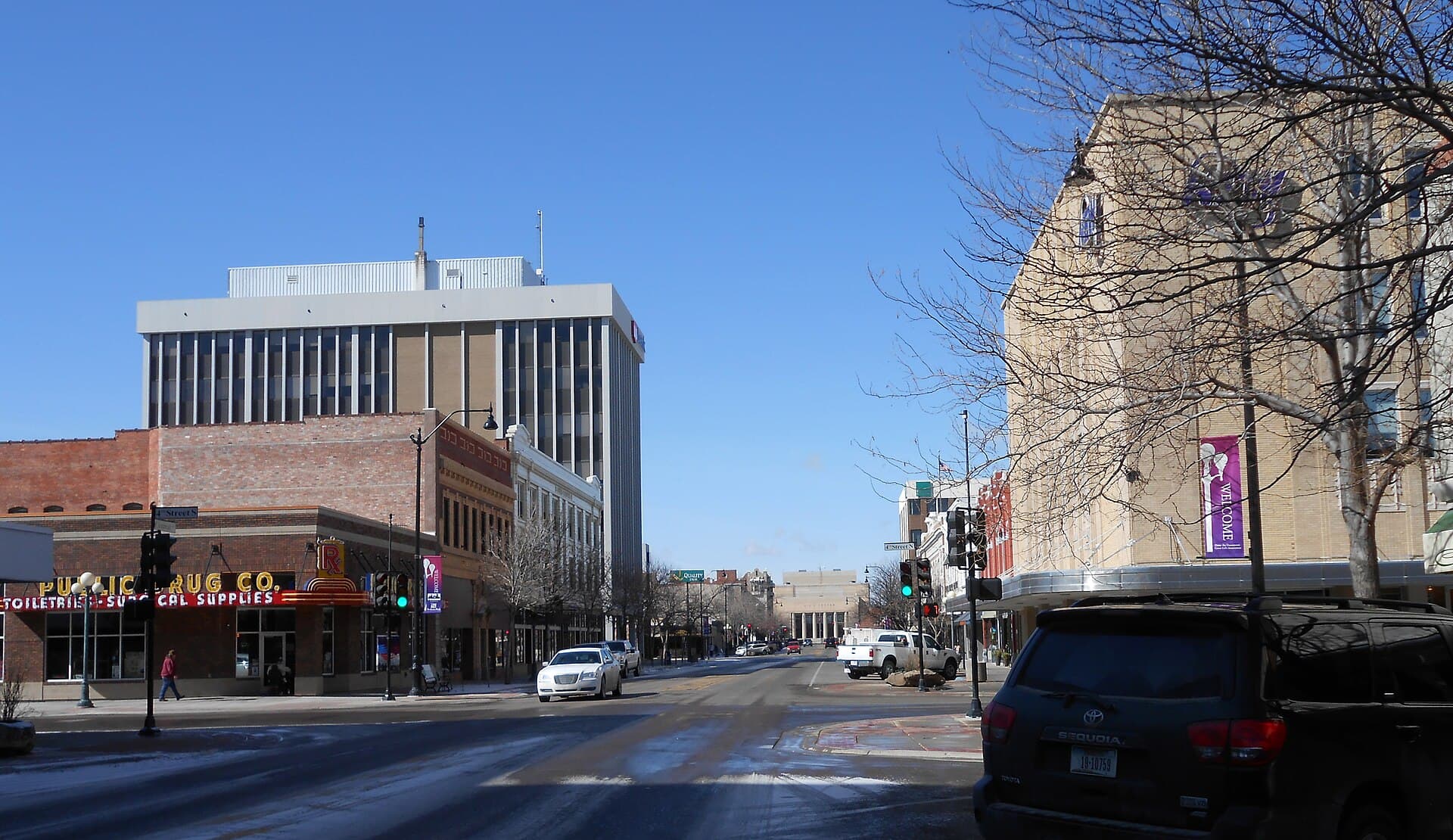 Montanabw / cc by-sa 3.0, via Wikimedia Commons
Tour de audio autoguiado de Great Falls — ruta GPS a pie, reproducción offline, narración en 32 idiomas.
“Donde el salvaje Misuri se precipita y la historia resuena.”
No las postales. Las historias que ni los locales conocen — al oído, justo donde ocurrieron.
Uno podría pensar que un río necesita cierta longitud para ganarse el título.
Great Falls tiene un sorprendente número de 'primeras veces' para el estado de Montana.
El apodo 'Ciudad Eléctrica' no es solo una frase pegadiza.
Descubre todos los secretos de Great Falls
Cada dirección, cada revelación al completo — a tu oído, justo donde ocurrió.
Eliges tus paradas. Caminas. La voz te revela lo que los demás ignoran.


Tu tour de audioguía por Great Falls te espera — elige tus lugares, tu idioma y empieza al llegar.
ComprarLume incluye una guía de realidad aumentada. Levanta el móvil y su cámara muestra la calle que tienes delante, con una flecha luminosa sobre la imagen real que siempre apunta a tu próxima parada — sin mapas que descifrar, sin giros equivocados. Como todo en Lume, funciona completamente sin conexión.
Great Falls, Montana, a menudo llamada la 'Ciudad Eléctrica', está definida por el poderoso río Misuri mientras desciende por una serie de cinco cascadas. Este paisaje único, que una vez desafió a la Expedición de Lewis y Clark durante casi un mes, ahora proporciona un telón de fondo dramático para una ciudad rica en belleza natural y significado histórico. Situada entre cuatro cadenas montañosas, tres ríos, dos áreas silvestres y un refugio de vida silvestre, Great Falls sirve como un centro neurálgico para la aventura al aire libre en el 'Big Sky Country'.
La ciudad ofrece una mezcla de amplios espacios naturales y experiencias culturales, desde explorar el River's Edge Trail hasta adentrarse en el arte occidental y la historia local. Ya sea que te atraiga el encanto de las propias cascadas, la promesa de una pesca con mosca excepcional o el pasado legendario de la región, Great Falls presenta una parada atractiva para quienes se aventuran por Montana.
El área que hoy es Great Falls tiene una profunda historia, mucho antes del asentamiento europeo-americano. Durante al menos dos mil años, los pueblos nativos, incluidos los Piegan (Blackfeet) y otras tribus, cazaron y vivieron en la región, utilizando sitios como el First Peoples Buffalo Jump.
El primer encuentro europeo-americano registrado con las cascadas fue en el verano de 1805, cuando llegó la Expedición de Lewis y Clark. La formidable serie de cinco cascadas en el río Misuri presentó un obstáculo significativo, lo que requirió que la expedición realizara un difícil porteo de diez millas durante un mes para sortearlas. Podían escuchar las cascadas desde siete millas de distancia.
Ochenta años después, en 1883, el magnate de Minnesota Paris Gibson, inspirado por los relatos de Lewis y Clark, concibió una ciudad construida alrededor del potencial hidroeléctrico de estas cascadas. Con el respaldo financiero del magnate ferroviario James J. Hill, Gibson fundó Great Falls en 1884. Gibson, un ingeniero, trazó meticulosamente las calles de la ciudad en un patrón preciso y recto y se aseguró de que se plantaran olmos, fresnos y abetos en cada calle y bulevar, reservando también 886 acres para parques de la ciudad. La construcción de represas y la instalación de alumbrado público eléctrico llevaron a Great Falls a ganarse su duradero apodo, 'La Ciudad Eléctrica'.
En sus primeros días, Great Falls era considerada una ciudad de hombres de negocios, con industrias y empresas de suministro florecientes. La Anaconda Copper Mining Company se convirtió en un importante empleador. La ciudad también ostenta varias 'primeras veces' en Montana, incluida la primera campana de incendios del estado en 1887, la primera comunidad conocida en elegir a un afroamericano en 1894 con William M. Morgan, y la primera mujer editora de periódico, Martha Edgerton Rolfe, en 1895. Un crecimiento significativo ocurrió en la década de 1940 con la construcción de la Base de la Fuerza Aérea de Malmstrom, que sigue siendo una parte integral del paisaje cultural de Great Falls. Aunque la población de la ciudad experimentó descensos a finales del siglo XX debido a cambios en el transporte ferroviario y la agricultura, y el cierre de la fundición, Great Falls sigue siendo la tercera ciudad más grande de Montana en la actualidad.
Comience su exploración en el Centro Interpretativo del Sendero Histórico Nacional Lewis y Clark, que ofrece extensas exhibiciones y programas que detallan el viaje de la expedición por la región, especialmente su desafiante porteo alrededor de las cascadas. Adyacente al Centro Interpretativo se encuentra el Parque Estatal Giant Springs, hogar de uno de los manantiales de agua dulce más grandes de EE. UU., que descarga casi 200 millones de galones de agua diariamente. Dentro del parque, también encontrará el río Roe, reconocido como el río más corto del mundo.
Para experimentar el homónimo de la ciudad, explore las cinco cascadas a lo largo del río Misuri: Great Falls, Crooked Falls, Rainbow Falls, Colter Falls (ahora sumergida por una represa) y Black Eagle Falls. La presa Ryan ofrece vistas espectaculares de las Great Falls. El River's Edge Trail, un sendero de 92 kilómetros a lo largo de ambas orillas del Misuri, ofrece oportunidades para caminar, trotar, andar en bicicleta y patinar, con vistas a las cascadas y las represas. Para los entusiastas del arte, el Museo C.M. Russell exhibe una colección sustancial de obras del reconocido artista vaquero Charles M. Russell, junto con su casa original y su estudio de troncos. El Museo de Arte Paris Gibson Square, ubicado en un edificio de arenisca, presenta arte contemporáneo y es un Monumento Histórico Nacional.
La mejor época para visitar Great Falls para actividades de clima cálido es desde principios de julio hasta mediados de agosto, cuando las temperaturas máximas promedio oscilan entre 21°C y 32°C. Este período ofrece condiciones ideales para la recreación al aire libre como senderismo, pesca y deportes acuáticos, con más horas de luz. El otoño, de septiembre a noviembre, también es una buena opción, con temperaturas agradables entre 10°C y 21°C y un vibrante follaje otoñal, especialmente a finales de septiembre y principios de octubre. Las multitudes son menores durante el otoño y la vida silvestre está activa. Para aquellos interesados en los deportes de invierno, enero y febrero ofrecen oportunidades para la pesca en hielo y el esquí de fondo.
El Aeropuerto Internacional de Great Falls (GTF) está ubicado a cinco kilómetros al suroeste del centro de Great Falls, ofreciendo vuelos directos a varias ciudades importantes de la Costa Oeste, el Medio Oeste y el Suroeste con aerolíneas como Alaska, Allegiant, Delta y United. Para moverse por Great Falls, generalmente se necesita un automóvil, ya que las carreteras son anchas y están bien mantenidas. Si bien algunas áreas son aptas para peatones y ciclistas, se recomienda un automóvil para explorar las atracciones al aire libre circundantes, especialmente durante el invierno. El transporte público está disponible a través del Distrito de Tránsito de Great Falls (GFTD), que opera siete rutas de autobús de lunes a sábado, con una tarifa de $1 por viaje. Uber y Lyft también operan en la ciudad.
El costo de vida en Great Falls es generalmente más bajo que el promedio nacional, lo que lo convierte en un destino asequible. Los costos de vivienda son aproximadamente un 2.5% menos que el promedio nacional, y los servicios públicos son aproximadamente un 19.6% menos. Los comestibles son comparables al promedio nacional.
Great Falls en coreano, en chino o en hebreo — y 29 idiomas más, cada parada narrada por una voz nativa. La mayor variedad de idiomas de cualquier audioguía autoguiada.
Disponible en: