Sección Jiankou
Durante la restauración, los arqueólogos desenterraron un cañón, revelando más que solo un arma.
La historia completa se desbloquea en el tour
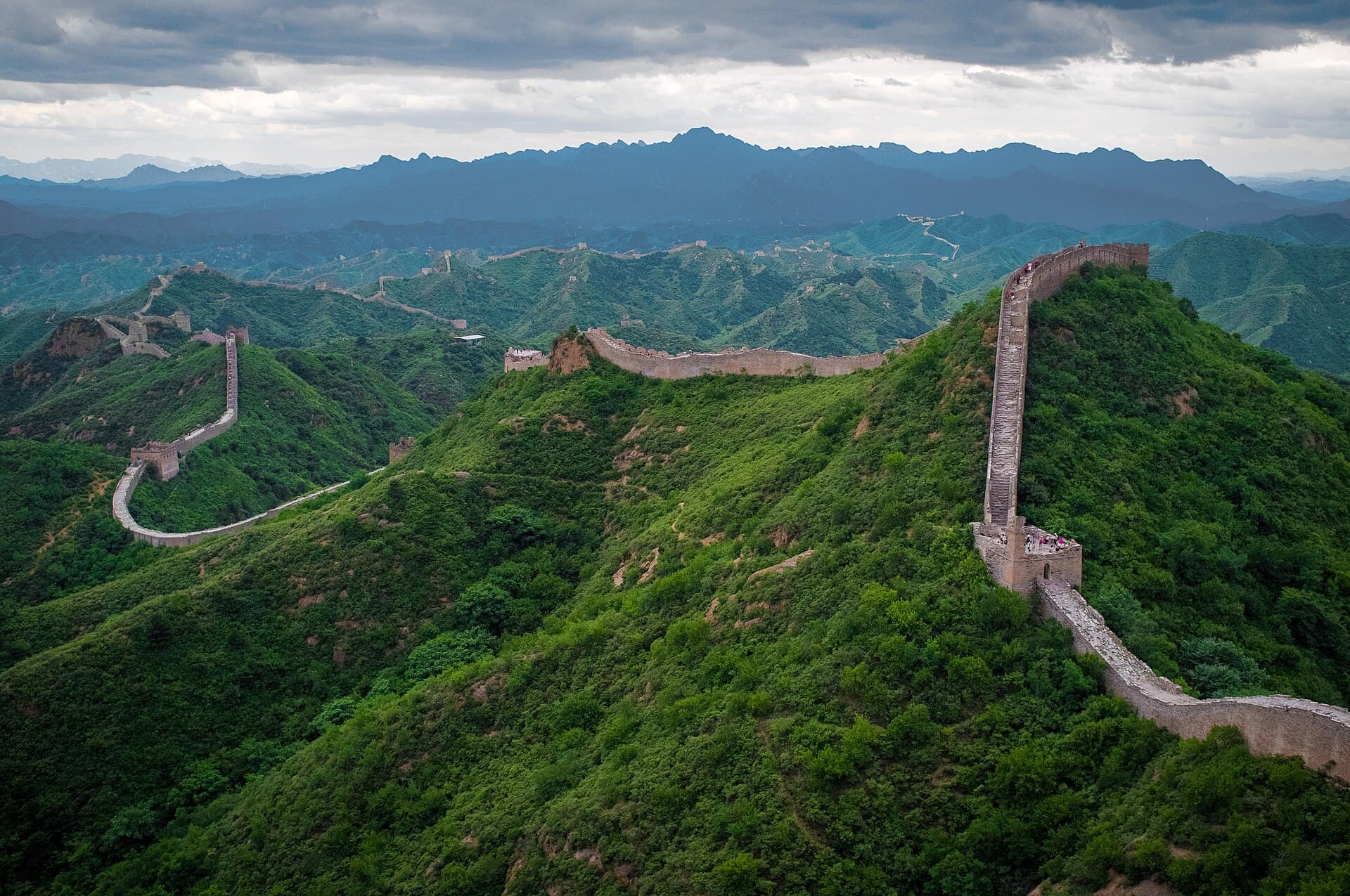 Severin.stalder / CC BY-SA 3.0, via Wikimedia Commons
Tour de audio autoguiado de Gran Muralla China — ruta GPS a pie, reproducción offline, narración en 32 idiomas.
“La espina dorsal de un dragón a través de montañas y desiertos, haciendo eco de siglos de esfuerzo humano.”
No las postales. Las historias que ni los locales conocen — al oído, justo donde ocurrieron.
Durante la restauración, los arqueólogos desenterraron un cañón, revelando más que solo un arma.
La Gran Muralla es famosa por su longitud, sin embargo, una historia común sobre sus materiales de construcción resulta ser una invención.
Más allá de su barrera física, la Gran Muralla incorporaba un ingenioso, aunque peligroso, sistema de comunicación.
Descubre todos los secretos de Gran Muralla China
Cada dirección, cada revelación al completo — a tu oído, justo donde ocurrió.
Eliges tus paradas. Caminas. La voz te revela lo que los demás ignoran.
Lume incluye una guía de realidad aumentada. Levanta el móvil y su cámara muestra la calle que tienes delante, con una flecha luminosa sobre la imagen real que siempre apunta a tu próxima parada — sin mapas que descifrar, sin giros equivocados. Como todo en Lume, funciona completamente sin conexión.
La Gran Muralla China no es una estructura única e ininterrumpida, sino una vasta red de fortificaciones construidas durante más de dos milenios a lo largo del norte de China y el sur de Mongolia. Su extensión total, que abarca murallas, trincheras y barreras naturales, mide oficialmente 21,196.18 kilómetros. Esta monumental construcción sirvió principalmente como defensa contra grupos nómadas de la estepa euroasiática, aunque también fomentó el comercio y la comunicación.
A menudo imaginada como un dragón serpenteando a través de montañas y mesetas, la Gran Muralla es un testimonio de la ingeniería y la previsión estratégica de la antigua China. Si bien secciones sustanciales ahora están en ruinas o han desaparecido, las porciones supervivientes siguen siendo una de las estructuras más extraordinarias de la Tierra y están reconocidas como Patrimonio de la Humanidad por la UNESCO.
Los orígenes más tempranos de la construcción de la Gran Muralla se remontan al siglo VII a.C., durante el período de Primavera y Otoño (siglos VIII al V a.C.) y el subsiguiente período de los Reinos Combatientes. A lo largo de estas eras, varios estados chinos —incluyendo Zheng, Chu, Qin, Wei, Zhao, Qi, Lu, Han, Yan, Zhongshan y Zhou— erigieron extensas fortificaciones para salvaguardar sus fronteras de estados rivales y nómadas del norte. Estas murallas iniciales se construyeron principalmente con tierra apisonada, piedra y madera, diseñadas para resistir ataques de armas más pequeñas como espadas y lanzas.
Cuando el emperador Qin Shi Huang unificó China en 221 a.C., ordenó el desmantelamiento de las murallas internas que dividían su naciente imperio. Para defenderse del pueblo Xiongnu del norte, mandó unir las fortificaciones del norte existentes y construir nuevas secciones, forjando un sistema de muralla unificado. Esto marcó una fase pivotal en la evolución de la Gran Muralla, aunque fue continuamente construida, reparada y expandida por sucesivas dinastías durante casi 2,000 años, extendiéndose hasta el siglo XVII d.C.
Las secciones más extensas y mejor conservadas visibles hoy en día provienen en gran parte de la dinastía Ming (1368–1644). Los emperadores Ming dedicaron considerables recursos a mejorar la muralla, empleando ladrillos, piedra y mortero de cal para una mayor durabilidad. Estas secciones Ming frecuentemente siguen las crestas de colinas y montañas, incorporando torres de vigilancia, cuarteles de tropas, estaciones de guarnición y capacidades de señalización usando humo o fuego. Después de la caída de la dinastía Ming en 1644, no se realizaron más trabajos militares en la Gran Muralla.
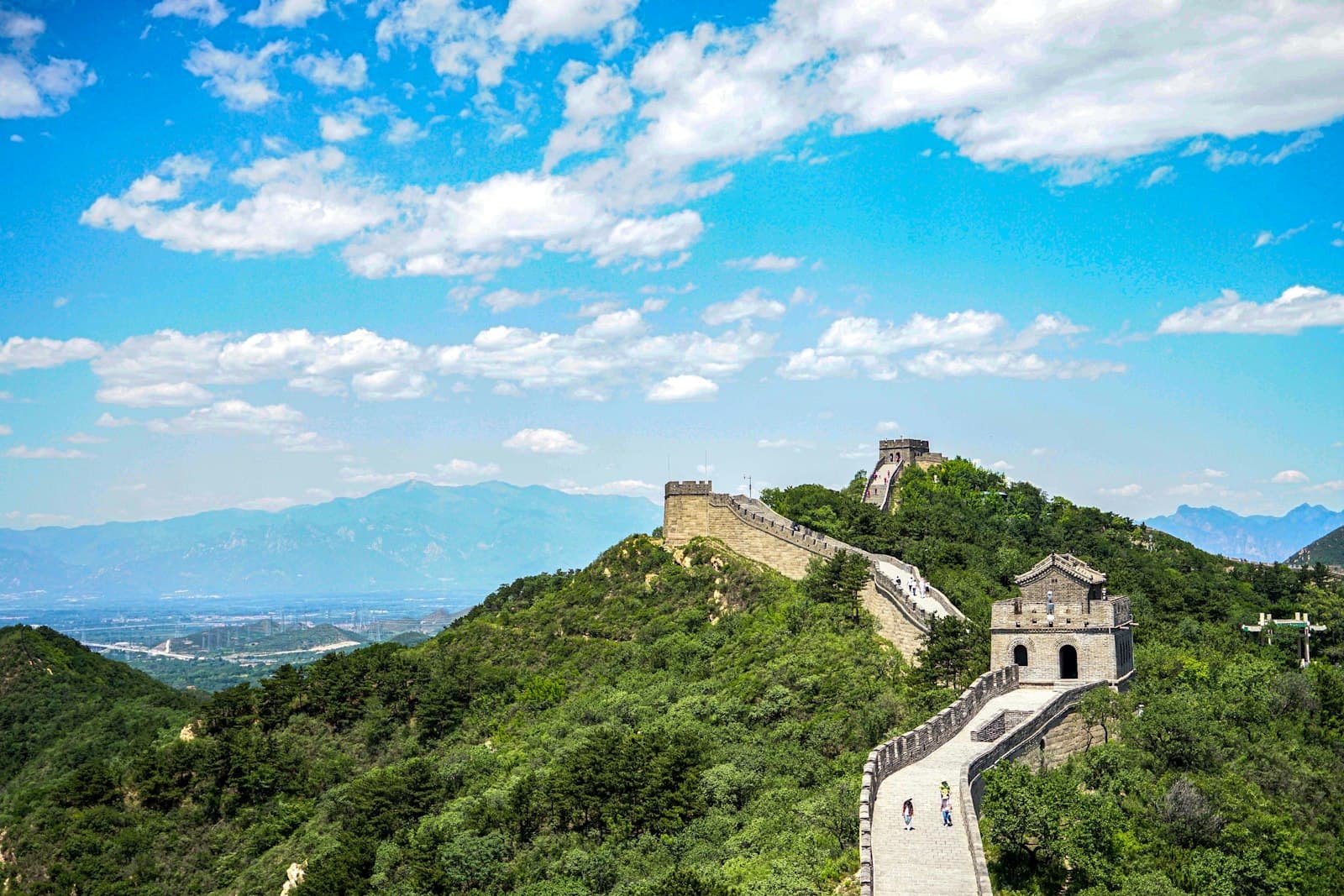
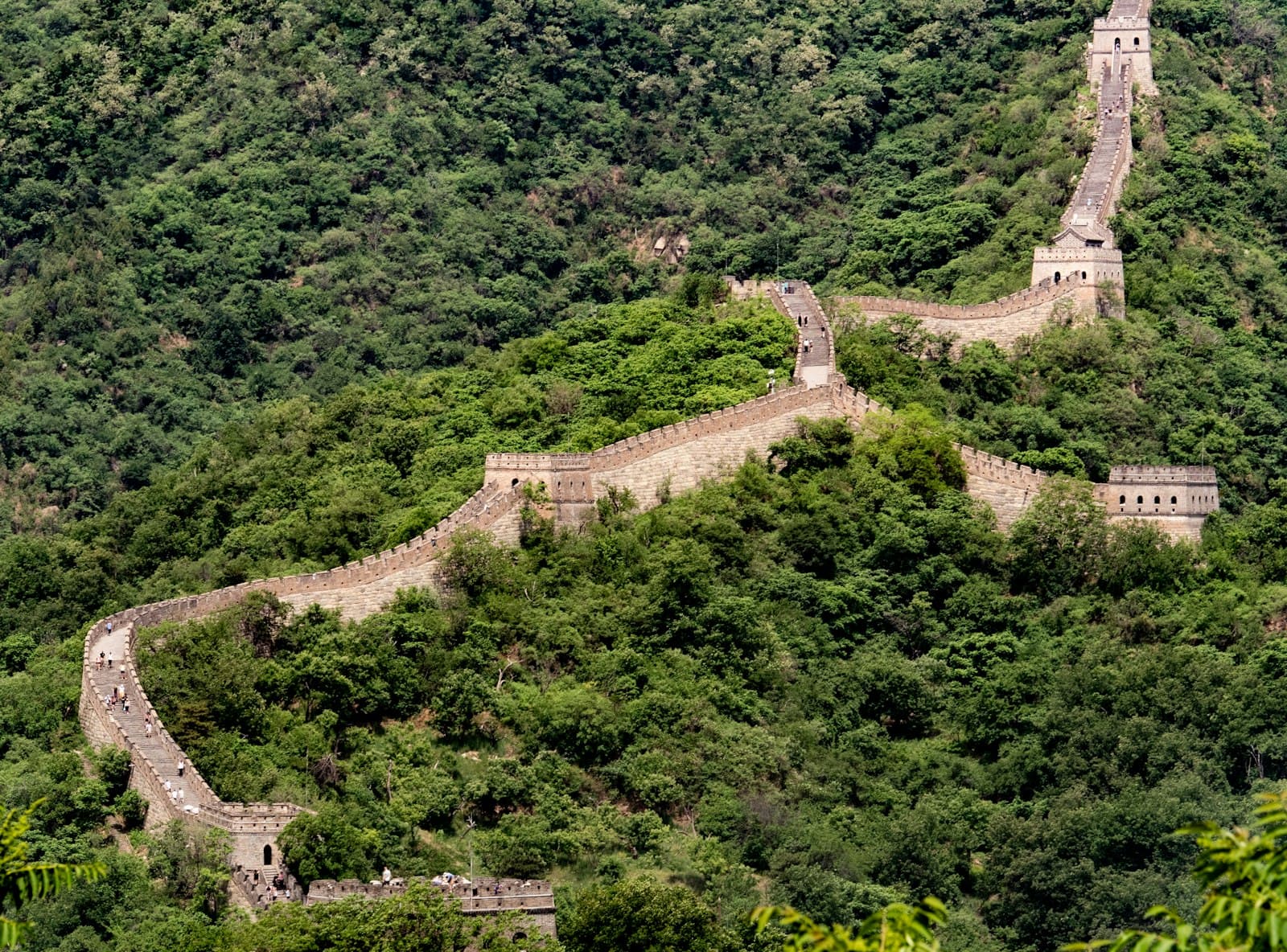
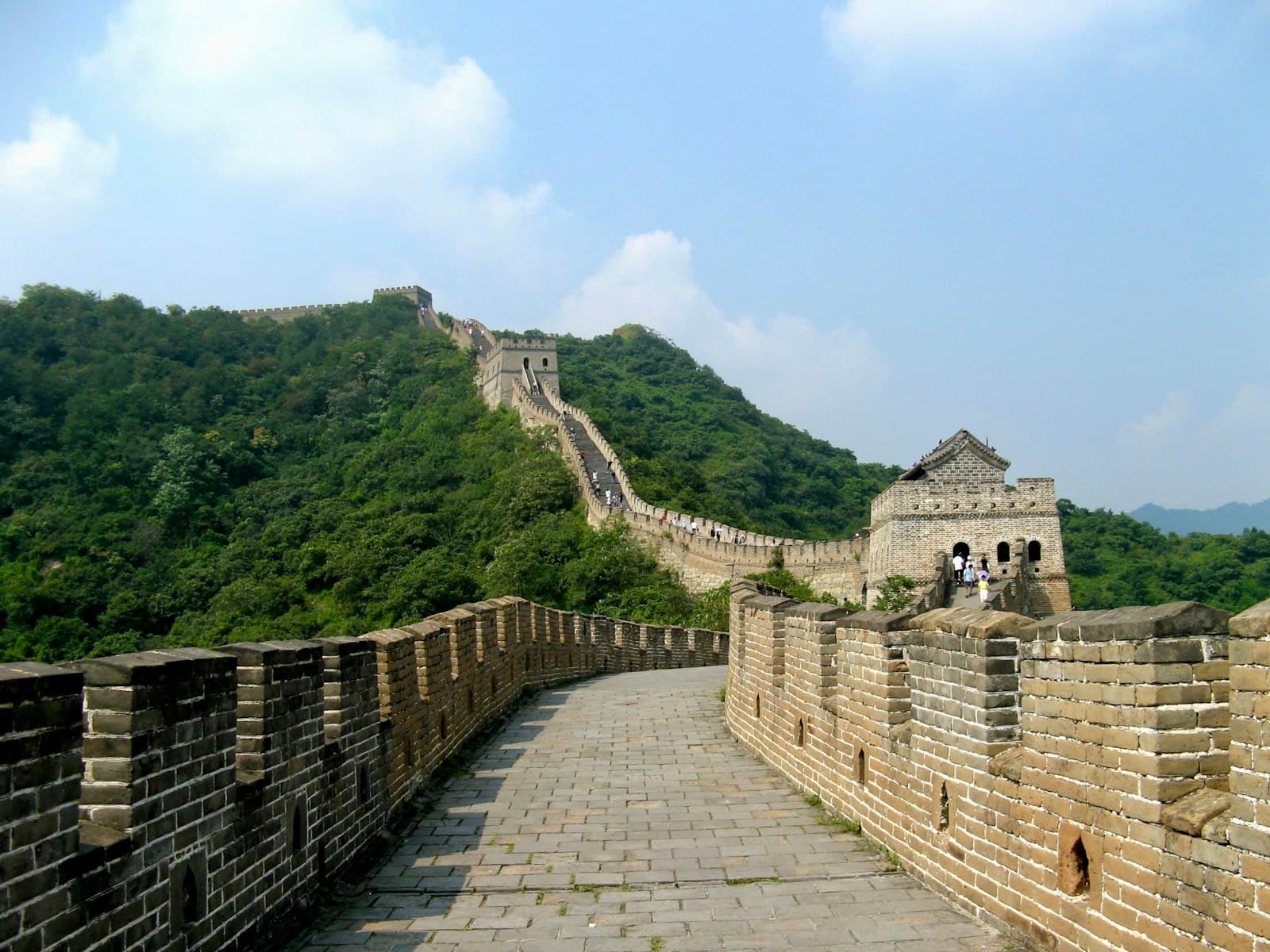
Varias secciones de la Gran Muralla atraen a muchos visitantes, muchas de ellas situadas en los suburbios de Pekín. Mutianyu se sugiere con frecuencia por sus murallas bien mantenidas, paisajes verdes y menos multitudes en comparación con Badaling. Ofrece telesillas para el ascenso y un emocionante paseo en tobogán para el descenso. Jinshanling ofrece otra excelente opción, particularmente para el senderismo y la fotografía, reconocida por sus dramáticas vistas sobre picos y valles boscosos. Esta sección, construida durante la primera dinastía Ming, conserva muchas murallas y torres de vigilancia originales.
Para aquellos que buscan una experiencia más exigente, las rutas de Jinshanling a Jinshanling Este o de Gubeikou a Jinshanling presentan caminatas serias a lo largo de porciones sin restaurar. Simatai también es conocida por su inclinación y arquitectura distintiva, ofreciendo opciones para pernoctar o vistas nocturnas. Aunque Badaling es la sección más renombrada y accesible con una infraestructura extensa, puede estar muy concurrida, especialmente con turistas nacionales. Independientemente de la sección elegida, los visitantes suelen explorar de 2 a 5 kilómetros, y una sección completa requiere de 2 a 4 horas para caminar.
La Gran Muralla recibe visitantes durante todo el año, pero la primavera (marzo a mayo) y el otoño (septiembre a noviembre) son generalmente considerados los momentos más agradables. Durante estos meses, las temperaturas son cómodas, los cielos suelen estar despejados y la lluvia es mínima, creando condiciones ideales para el senderismo y la fotografía. La primavera trae paisajes verdes y flores en flor, mientras que el otoño pinta el follaje en vívidos rojos, naranjas y dorados. Las visitas en invierno, aunque frías, ofrecen una experiencia distinta con colinas cubiertas de nieve y menos gente. Es aconsejable evitar los días festivos nacionales cuando el turismo interno alcanza su punto máximo.
La Gran Muralla se extiende por 15 provincias, municipios y regiones autónomas del norte de China. Pekín sirve como punto de entrada principal, con varias secciones populares de fácil acceso desde la ciudad. Los elementos esenciales para una visita incluyen calzado cómodo para caminar, una cámara, agua mineral y cambio. Dependiendo de la estación, protector solar, un abrigo cálido, algo de comida y un paraguas también pueden ser beneficiosos. Aunque la longitud total de la Gran Muralla supera los 21,000 kilómetros, es imposible recorrer toda la distancia debido a las secciones en ruinas. La altura promedio de la muralla es de 6 a 7 metros, con algunas partes que alcanzan los 14 metros. El ancho promedio es de 6.5 metros, aunque varía.
Gran Muralla China en coreano, en chino o en hebreo — y 29 idiomas más, cada parada narrada por una voz nativa. La mayor variedad de idiomas de cualquier audioguía autoguiada.
Disponible en: