Sint-Nikolaaskathedraal
Dit torenhoge herkenningspunt van Greifswald herbergt een geheim uit zijn verleden waar elke architect van zou gruwelen.
Volledig verhaal ontgrendeld in de tour
 Harald909 / CC BY-SA 3.0, via Wikimedia Commons
Zelfgeleide audiowandeling door Greifswald — GPS-route, offline afspelen, meeslepende vertelling in 32 talen.
“Waar Hanzeverleden en academische levendigheid samenkomen aan de Baltische kust.”
Niet de ansichtkaarten. De verhalen die zelfs locals niet kennen — gefluisterd in je oor, precies waar ze gebeurden.
Dit torenhoge herkenningspunt van Greifswald herbergt een geheim uit zijn verleden waar elke architect van zou gruwelen.
De romantische ruïnes van de Eldenaabdij, beroemd afgebeeld door Caspar David Friedrich, waren ooit een praktische bron voor nieuwe constructies.
Het levendige Marktplein, het hart van Greifswald, heeft een verrassend oorsprongsverhaal dat verband houdt met een middeleeuwse rivaliteit.
Ontdek elk geheim van Greifswald
Elk adres, elke onthulling volledig — in je oor, precies waar het gebeurde.
Jij kiest je stops. Jij wandelt. De stem onthult wat de anderen missen.
Je zelfgeleide audiotour van Greifswald is klaar — kies je bezienswaardigheden, kies je taal en start zodra je aankomt.
KopenLume heeft een ingebouwde augmented-reality-gids. Houd je telefoon omhoog: de camera toont de straat voor je, met een oplichtende pijl over het echte beeld die altijd naar je volgende stop wijst — geen kaart om uit te puzzelen, geen verkeerde afslagen. Zoals alles in Lume werkt het volledig offline.
Greifswald, officieel bekend als de Universiteits- en Hanzestad Greifswald, strekt zich uit langs de Duitse Oostzeekust. Met een bevolking van ongeveer 59.000 is het een plek waar middeleeuwse geschiedenis verweven is met de energieke puls van een aanzienlijke studentenpopulatie—één op de vier inwoners is student. Het architectonische karakter van de stad wordt grotendeels bepaald door zijn baksteengotische gebouwen, een bewijs van zijn verleden als een welvarende Hanzestad.
## Van Monniken tot Moderniteit Het verhaal van Greifswald begint in 1199 met Deense cisterciënzermonniken die de Eldenaabdij stichtten aan de monding van de Ryck. Dit gebied, toen onbewoond bos, markeerde een grens tussen het Deense Prinsdom Rügen en het Pommerse Graafschap Gützkow. De monniken kregen de locatie van de Rugische prins Jaromar I, inclusief een natuurlijke zoutverdampingsvijver—een waardevolle handelsgrondstof.
De nederzetting, Gryp(he)swold(e) genaamd, wat "Griffin's Forest" betekent in het Nederduits, ontving marktrechten in 1241 en een stadsrecht onder het Lübeckse recht in 1250. De zouthandel dreef de Eldenaabdij tot een invloedrijk religieus centrum, terwijl Greifswald uitgroeide tot een gerenommeerde marktstad. Tegen het einde van de 13e eeuw leidde de gestage bevolkingsgroei ertoe dat Greifswald in 1278 een van de vroegste leden van de Hanze werd, wat de handel en welvaart aanzienlijk stimuleerde. De onafhankelijkheid van de stad werd na 1296 geconsolideerd, aangezien burgers niet langer in het Pommerse leger hoefden te dienen en hertogen er niet meer woonden.
Een cruciaal moment kwam in 1456 toen burgemeester Heinrich Rubenow de Universiteit van Greifswald stichtte, een van de oudste universiteiten van Duitsland. De stichtingsceremonie van de universiteit vond plaats in de Sint-Nikolaaskathedraal, die vandaag de dag nog steeds universiteitsevenementen organiseert. Tijdens de Reformatie werd de Eldenaabdij geseculariseerd, haar bezittingen overgedragen aan de Pommerse hertogen, en haar gotische bakstenen gebouwen werden afgebroken voor lokale bouw.
Greifswald kwam in 1648 onder Zweeds bewind na de Vrede van Westfalen, bleef meer dan anderhalve eeuw deel uitmaken van Zweeds-Pomeren tot 1815, toen het deel ging uitmaken van Pruisen. De stad overleefde de Tweede Wereldoorlog grotendeels onbeschadigd en gaf zich in 1945 zonder slag of stoot over aan het Rode Leger. Na de oorlog viel het onder Sovjetbezetting en werd later onderdeel van de Duitse Democratische Republiek (DDR). Tijdens het DDR-tijdperk werden veel middeleeuwse gebouwen verwaarloosd of afgebroken om plaats te maken voor Plattenbau-flats. Na de Duitse hereniging in 1990 werden aanzienlijke investeringen gedaan om de infrastructuur en economie van de stad te verbeteren. In 2005 nam Greifswald officieel de titel "Universiteits- en Hanzestad" aan.
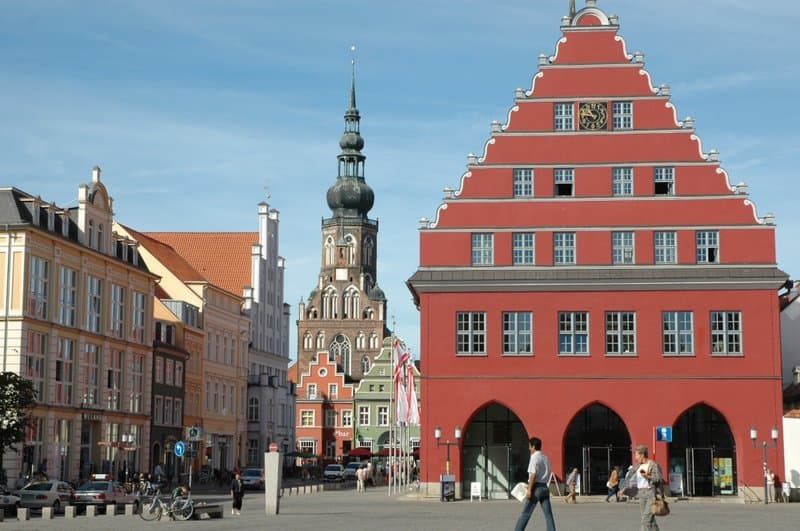
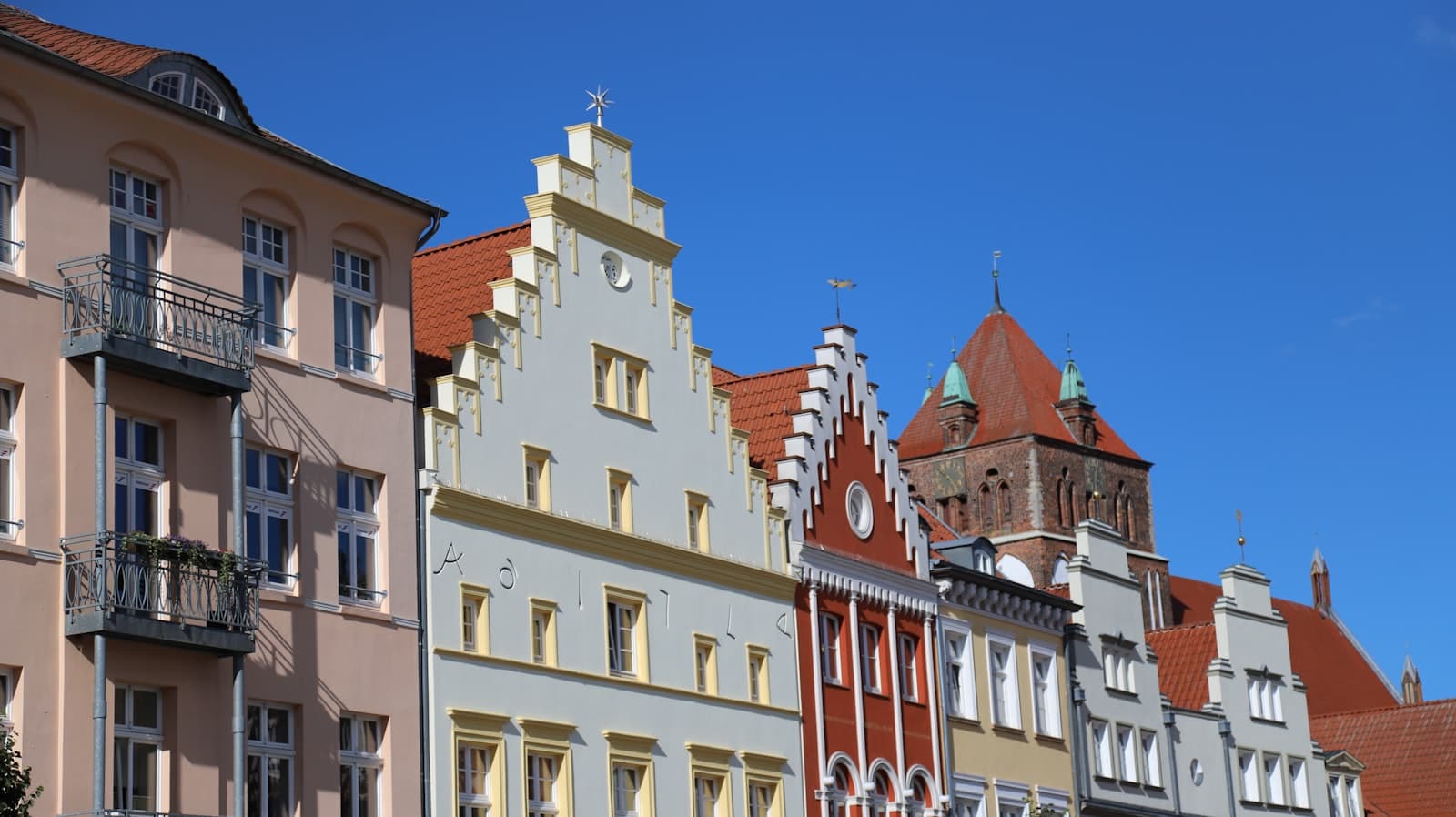
Begin uw verkenning op de Marktplatz (Marktplein), het historische hart van Greifswald. Het wordt omringd door gerestaureerde gevelhuizen en het gotische stadhuis, die het handelverleden van de stad weerspiegelen. Het plein is een middelpunt voor markten en burgerlijke evenementen.
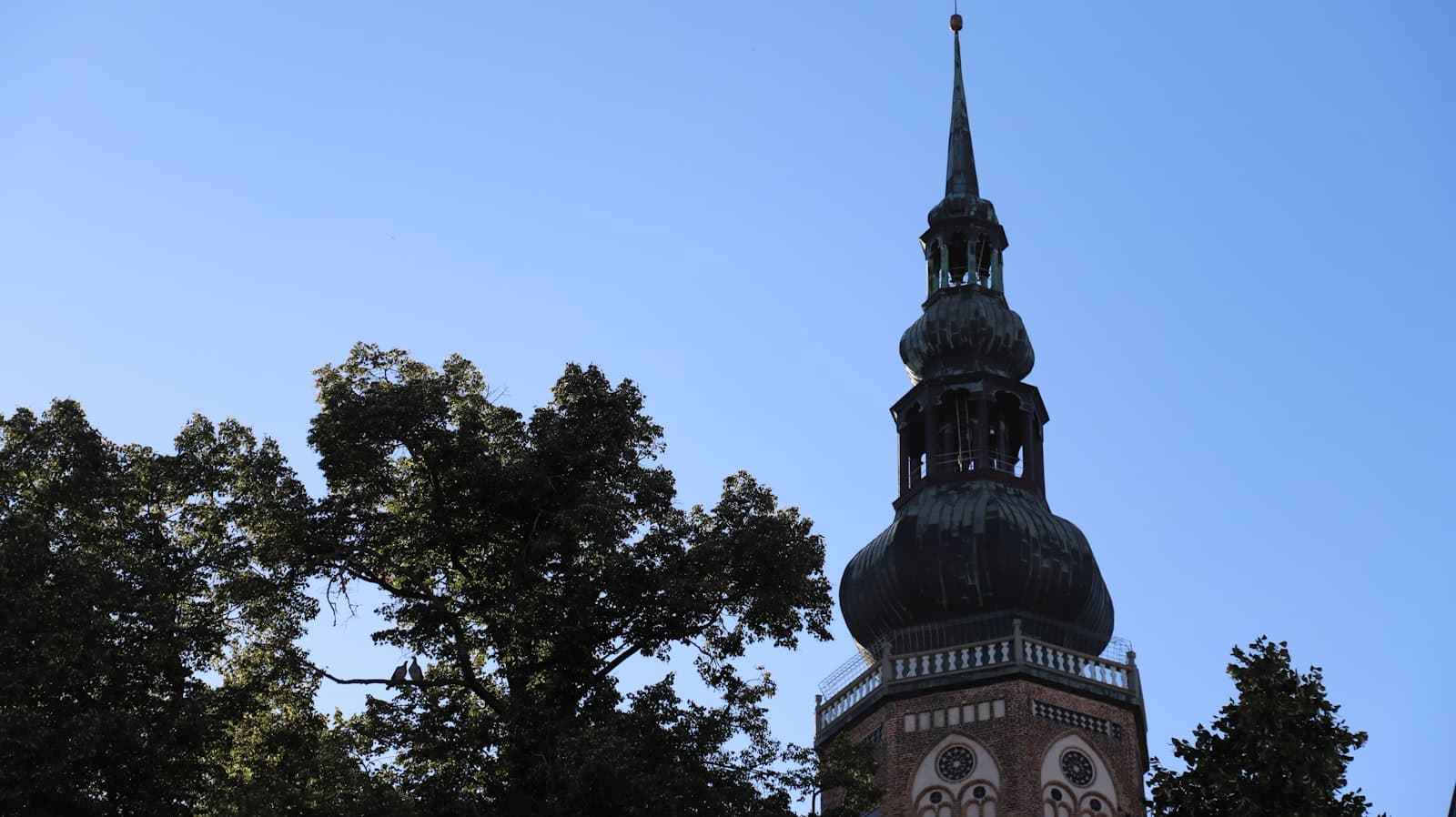
De drie baksteengotische kerken van Greifswald bepalen de skyline: de Sint-Nikolaaskathedraal, de Sint-Marienkerk en de Sint-Jacobi-kerk. De Sint-Nikolaaskathedraal, de grootste, heeft een 100 meter hoge toren met een uitkijkbalkon dat een weids uitzicht biedt tot aan het eiland Rügen. De ruïnes van de Eldenaabdij, een cisterciënzerklooster gesticht in 1199, zijn een belangrijk monument uit de Romantiek, beroemd afgebeeld door Caspar David Friedrich.
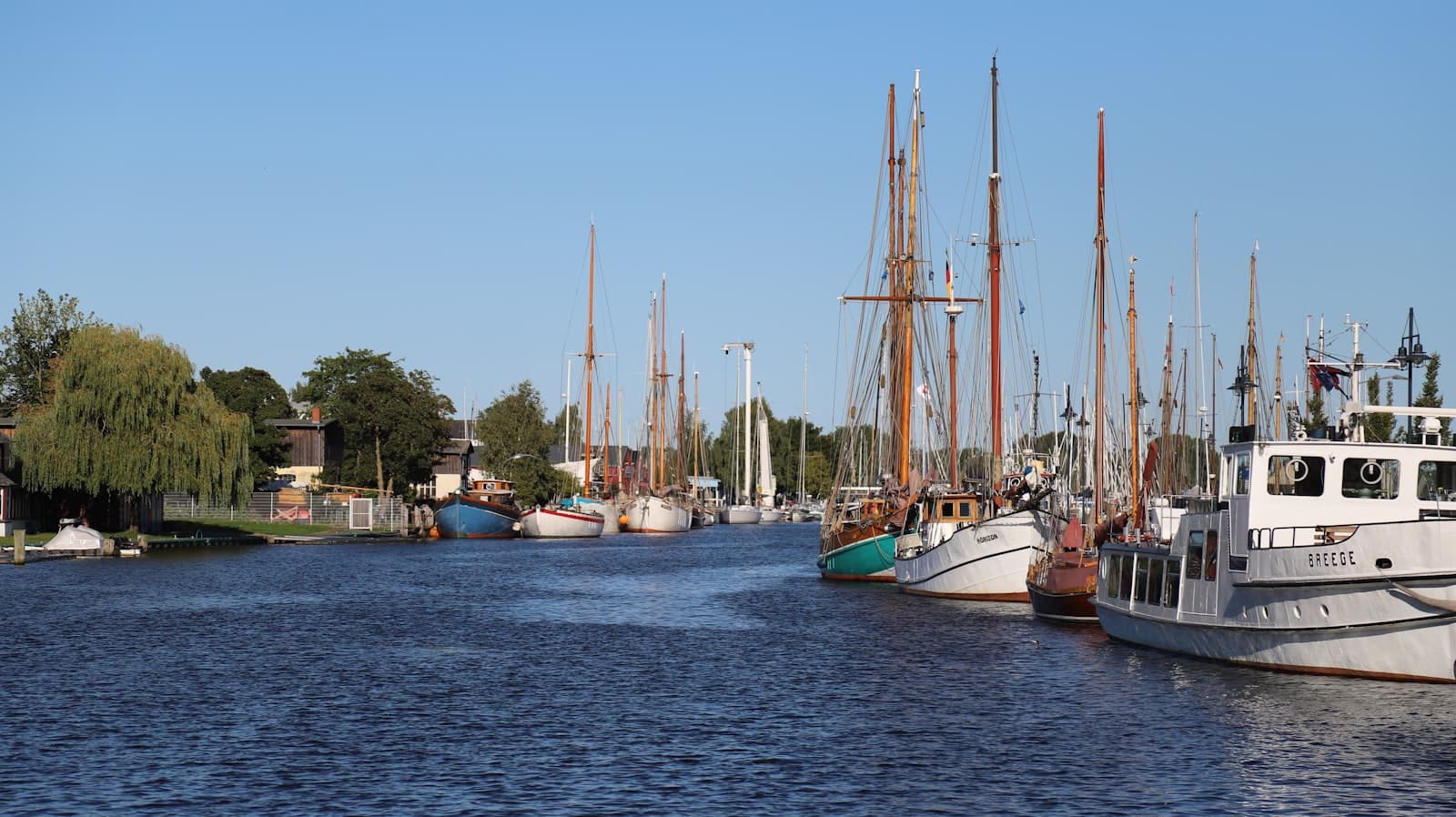
Voor een glimp van de maritieme ziel van de stad bezoekt u de Museumhaven, beschouwd als de grootste museumhaven van Duitsland, waar meer dan 50 historische schepen liggen. Veel van deze schepen worden nog bewoond door hun eigenaren en nemen deel aan regatta's. Het nabijgelegen district Wieck biedt een pittoreske vissersdampsfeer met rietgedekte huizen en een historische houten basculebrug, nog steeds met de hand bediend.
Duik in de lokale kunst en geschiedenis in het Pommers Museum, dat originele schilderijen van Caspar David Friedrich en het zeldzame 16e-eeuwse Croy-tapijt herbergt. Het Caspar David Friedrich Centrum, gelegen in het geboortehuis van de kunstenaar, biedt inzicht in zijn leven en het zeepziederijambacht van zijn familie.
Natuurliefhebbers kunnen de Botanische Tuin van de Universiteit verkennen, opgericht in 1793, met historische kassen en diverse plantencollecties. De Tierpark Greifswald (Dierenpark) biedt een collectie van meer dan 400 dieren, gericht op huisdieren en bekende soorten.
De meest aangename tijd om Greifswald te bezoeken voor activiteiten in warm weer is van half juni tot begin september. Gedurende deze maanden variëren de gemiddelde dagtemperaturen van 18–19°C, vaak oplopend tot een comfortabele 22–23°C overdag. Hoewel de zomer milde omstandigheden brengt, wees voorbereid op enige regen, aangezien juli doorgaans de natste maand is. Lente en herfst bieden mildere temperaturen en een aangename sfeer om te verkennen. Winters zijn koel maar over het algemeen mild, met temperaturen vaak net boven het vriespunt.
Greifswald is een compacte stad, waardoor het gemakkelijk te voet te verkennen is. Gezien de status als universiteitsstad en de smalle straten, wordt het ook beschouwd als een "fietsstad", met een vlakke omgeving die ideaal is om te fietsen. Openbaar vervoer wordt beheerd door Stadtwerke Greifswald, dat zes buslijnen exploiteert die doorgaans het centrale busstation (ZOB) passeren of er vertrekken. Voor degenen die verder reizen, bieden regionale treinen vanaf Greifswald Hauptbahnhof handige verbindingen naar nabijgelegen steden zoals Stralsund of het eiland Usedom.
Voor internationale reizigers zijn grote luchthavens zoals Kopenhagen (CPH) of Szczecin (SZZ) in Polen opties, gevolgd door trein of huurauto. Binnen Duitsland heeft Greifswald directe treinverbindingen met grote knooppunten zoals Rostock en Berlijn. Accommodatiemogelijkheden bestaan voornamelijk uit kleine particuliere hotels, wat het rustige karakter van de stad weerspiegelt. Dineren in Greifswald is vaak gericht op studenten, wat betekent dat de prijzen over het algemeen democratisch zijn. Probeer zeker een traditionele Fischbrötchen (broodje vis) met gemarineerde Bismarck-haring, of gebakken geep (Hornfisch) in mei, bekend om zijn ongewone groene botten.
Greifswald — Koreaans, Chinees, Hebreeuws en nog 29 talen, elke stop verteld door een moedertaalspreker. Het grootste taalaanbod van alle zelfgeleide audiotours.
Beschikbaar in: