Piazza Dante
Die prächtige Statue von Leopold II. an der Piazza Dante, liebevoll 'Canapone' genannt, erzählt eine weitaus tiefere Geschichte als nur die eines einfachen Herzogs.
Die ganze Geschichte wird in der Tour freigeschaltet
 Somebody.gr / CC0, via Wikimedia Commons
Selbstgeführte Audio-Walking-Tour durch Grosseto — GPS-Route, Offline-Wiedergabe, erzählerische Narration in 32 Sprachen.
“Jenseits der berühmten toskanischen Hügel spricht eine ummauerte Stadt von etruskischen Wurzeln und der Macht der Medici.”
Nicht die Postkarten. Die Geschichten, die selbst Einheimische nicht kennen – dir ins Ohr geflüstert, genau dort, wo sie geschahen.
Die prächtige Statue von Leopold II. an der Piazza Dante, liebevoll 'Canapone' genannt, erzählt eine weitaus tiefere Geschichte als nur die eines einfachen Herzogs.
Grossetos sechseckige Mauern, ein Renaissance-Wunderwerk, bergen ein Geheimnis über ihre Konstruktion, das die Dringlichkeit ihres Zwecks unterstreicht.
Unter den etruskischen Artefakten enthüllt eine besondere Sammlung Grossetos einzigartige Position in der römischen Geschichte.
Entdecke jedes Geheimnis von Grosseto
Jede Adresse, jede Enthüllung vollständig – in deinem Ohr, genau dort, wo es geschah.
Du wählst deine Stationen. Du gehst. Die Stimme enthüllt, was andere übersehen.


Lume enthält einen integrierten Augmented-Reality-Guide. Halten Sie Ihr Handy hoch: Die Kamera zeigt die Straße vor Ihnen, mit einem leuchtenden Pfeil über dem echten Bild, der immer auf Ihren nächsten Stopp zeigt — keine Karte zum Rätseln, keine falschen Abzweigungen. Wie alles bei Lume funktioniert es komplett offline.
Grosseto, die Hauptstadt der Maremma in der südlichen Toskana, bietet ein unverwechselbares italienisches Erlebnis, das oft von Reisenden übersehen wird, die zu bekannteren Zielen eilen. Diese Stadt, die in einer Ebene nahe dem Fluss Ombrone und unweit des Tyrrhenischen Meeres liegt, verbindet eine tiefgreifende Vergangenheit mit einer entspannten, authentischen Gegenwart. Ihr historischer Kern, umgeben von bemerkenswert gut erhaltenen Renaissance-Mauern, lädt zur Erkundung zu Fuß ein und enthüllt mittelalterliche Gassen, prächtige Paläste und einladende Plätze.
Über seine architektonische Anziehungskraft hinaus dient Grosseto als Tor zu den vielfältigen Landschaften der Maremma, einer Region, die sich durch ihre ausgedehnten Strände, Feuchtgebiete und dichten Wälder auszeichnet. Die Stadt selbst, die 2024 von der Europäischen Kommission als 'Grüner Vorreiter für Smart Tourism' ausgezeichnet wurde, engagiert sich für nachhaltige Reisepraktiken und stellt sicher, dass ihre natürliche Schönheit und ihr kulturelles Erbe für zukünftige Besucher erhalten bleiben. Ob Sie Kunst, Geschichte oder eine Verbindung zur Natur suchen, Grosseto bietet eine überzeugende Basis für die Entdeckung der südlichen Toskana.
Grossetos Geschichte reicht bis in die Antike zurück, ihre Ursprünge sind mit der etruskischen Stadt Rusellae verbunden, die um das 7. Jahrhundert v. Chr. gegründet wurde. Rusellae florierte als etruskisches Handelszentrum, bevor es im 3. Jahrhundert v. Chr. in die Römische Republik eingegliedert wurde und weiterhin als administratives und wirtschaftliches Zentrum gedieh. Nach dem Fall des Weströmischen Reiches erlebte Rusellae Umwälzungen, verfiel schließlich, als seine Bevölkerung allmählich in die aufstrebende Siedlung Grosseto im Ombrone-Tal abwanderte.
Der Name Grosseto tauchte erstmals 803 n. Chr. in historischen Dokumenten auf, zunächst als kleiner Besitz der Grafen Aldobrandeschi. Ein entscheidender Moment kam 1138, als Papst Innozenz II. den Bischofssitz offiziell vom zerstörten Rusellae nach Grosseto verlegte und damit seinen Status als wichtigste Stadt der Region festigte. Im Mittelalter wurde Grosseto zu einer Hochburg der mächtigen Familie Aldobrandeschi, die es in einen befestigten Stützpunkt verwandelte. Die Wirtschaft der Stadt wurde durch die Kontrolle über die Salzgewinnung aus Küstenlagunen, einer wertvollen Ressource, die oft zu Konflikten mit Siena führte, erheblich gestärkt.
Im 13. Jahrhundert geriet Grosseto unter die Kontrolle der Republik Siena, die einen bleibenden Einfluss auf seine Kultur und Architektur hinterließ, einschließlich des Baus der Kathedrale von San Lorenzo. Die sienesische Herrschaft endete 1559, als die Stadt dem Großherzogtum Toskana unter Cosimo I. de' Medici angegliedert wurde. Diese Periode markierte eine bedeutende Umwandlung, da Pläne für neue, mächtige Stadtmauern nach Plänen von Baldassarre Lanci ausgearbeitet wurden. Der Bau dieser sechseckigen Ziegelbefestigungen begann 1565 und wurde 1593 abgeschlossen, wodurch Grosseto zu einer wahren Festung wurde. Obwohl die Stadt jahrhundertelang relativ klein blieb, begann ihre Wiederbelebung im 18. Jahrhundert unter der Familie Lothringen, die groß angelegte Landgewinnungsprojekte zur Bekämpfung von Malaria initiierte, was zu erheblicher wirtschaftlicher und demografischer Entwicklung führte. Das 20. Jahrhundert brachte Herausforderungen mit zwei Weltkriegen, aber Grosseto erlebte den Wiederaufbau und das Wirtschaftswachstum nach dem Krieg und festigte seine Rolle als moderne Provinzstadt.
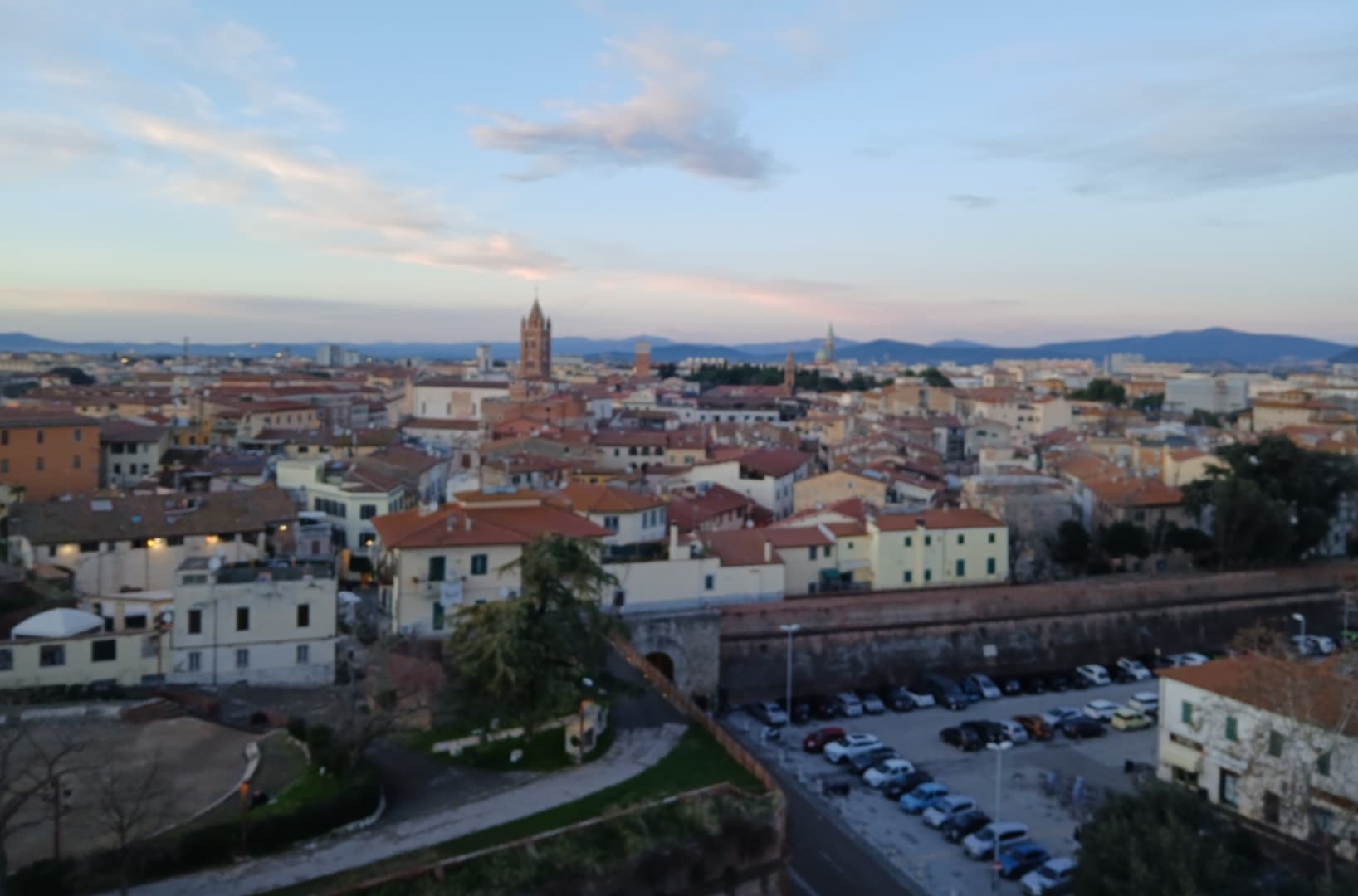
Das historische Zentrum von Grosseto, das von seinen charakteristischen sechseckigen Medici-Mauern umschlossen ist, ist ein lohnender Ort für Erkundungen zu Fuß. Diese gut erhaltenen Renaissance-Befestigungen aus rotem Backstein bieten eine von Bäumen gesäumte Fußgängerpromenade entlang ihrer Mauern und einzigartige Ausblicke auf die Stadt.
Im Herzen der Stadt liegt die Piazza Dante Alighieri, ein lebhafter Platz, gesäumt von historischen Gebäuden. Hier finden Sie den Duomo di San Lorenzo, die Kathedrale von Grosseto, erkennbar an ihrer zweifarbigen Fassade aus weißem und rosa Marmor. Die Kathedrale, erbaut zwischen dem 12. und 14. Jahrhundert, beherbergt Werke von Antonio Ghini und Buntglasfenster von Benvenuto di Giovanni. Ebenfalls an der Piazza Dante befindet sich der Palazzo Aldobrandeschi, ein neugotisches Gebäude, das als Verwaltungszentrum der Provinz dient.
Für diejenigen, die sich für die tiefe Vergangenheit der Region interessieren, ist das Museo Archeologico e d'Arte della Maremma ein lohnenswerter Besuch. Es präsentiert eine reiche Sammlung von Artefakten aus der etruskischen und römischen Zeit, mit bedeutenden Funden aus der nahegelegenen antiken Stadt Roselle. Nur 8 km nördlich von Grosseto bietet das archäologische Gebiet Roselle die Ruinen einer antiken etruskischen und römischen Stadt, darunter eine etruskische Nekropole, ein römisches Amphitheater und gut erhaltene etruskische Mauern.
Weitere bemerkenswerte Sehenswürdigkeiten sind die Kirche San Francesco, geweiht 1289, und die Kirche San Pietro, die als älteste religiöse Institution der Stadt gilt. Der Cassero Senese, eine markante Befestigung im Bastione Fortezza-Komplex der Stadtmauern, ist ein weiteres historisches Highlight.
Die besten Besuchszeiten für Grosseto sind im Frühling und Herbst, insbesondere von Mitte April bis Mitte Juni und von September bis Anfang Oktober. In diesen Monaten ist das Wetter typischerweise angenehm warm und windig, mit Temperaturen zwischen 17-26°C im September. Während der Juni warm sein kann, kann es auch Hitzewellen geben, besonders in der zweiten Monatshälfte. Für Strandaktivitäten bieten Juli und August die wärmsten Meerestemperaturen, obwohl diese Monate auch die heißesten und feuchtesten sind, mit durchschnittlichen Tageshöchstwerten von 30°C im August.
Grosseto ist gut angebunden und erreichbar. Für Reisende mit öffentlichen Verkehrsmitteln verfügt die Stadt über einen Bahnhof an der Bahnstrecke, die Rom mit Pisa verbindet, mit häufigen Regionalzügen. Direkte Züge nach Florenz sind seltener und erfordern oft einen Umstieg in Pisa oder Livorno. Der Bahnhof ist nur 15 Gehminuten vom historischen Zentrum entfernt.
Wenn Sie mit dem Auto anreisen, ist Grosseto leicht zu erreichen, aber beachten Sie, dass das historische Stadtzentrum ein ZTL-System (Limited Traffic Zone) hat, das den Fahrzeugzugang einschränkt, um eine friedliche, fußgängerfreundliche Umgebung zu gewährleisten. Rund um die Stadt gibt es zahlreiche Parkmöglichkeiten. Der nächstgelegene Flughafen für Touristenflüge ist Pisa, etwa 90 Minuten entfernt, während die Flughäfen Florenz und Rom jeweils etwa 2 Stunden entfernt sind.
Innerhalb der Stadt ist das historische Zentrum kompakt und gut zu Fuß erkundbar. Für die Erkundung der umliegenden Maremma-Region bieten Busse eine gute Alternative zu Zügen. Grosseto veranstaltet auch jährliche Events, wie eine traditionelle Prozession am Abend des 9. August zu Ehren seines Schutzpatrons San Lorenzo, mit Maremma-Ochsen und lokalen Cowboys.
Grosseto — Koreanisch, Chinesisch, Hebräisch und 29 weitere Sprachen, jede Station von einer muttersprachlichen Stimme erzählt. Die größte Sprachauswahl aller selbstgeführten Audiotouren.
Verfügbar auf: