Fishbone Alley
Oltre i viali principali, uno stretto passaggio nel centro di Gulfport racconta una storia attraverso un'arte in continua evoluzione.
La storia completa si sblocca nel tour
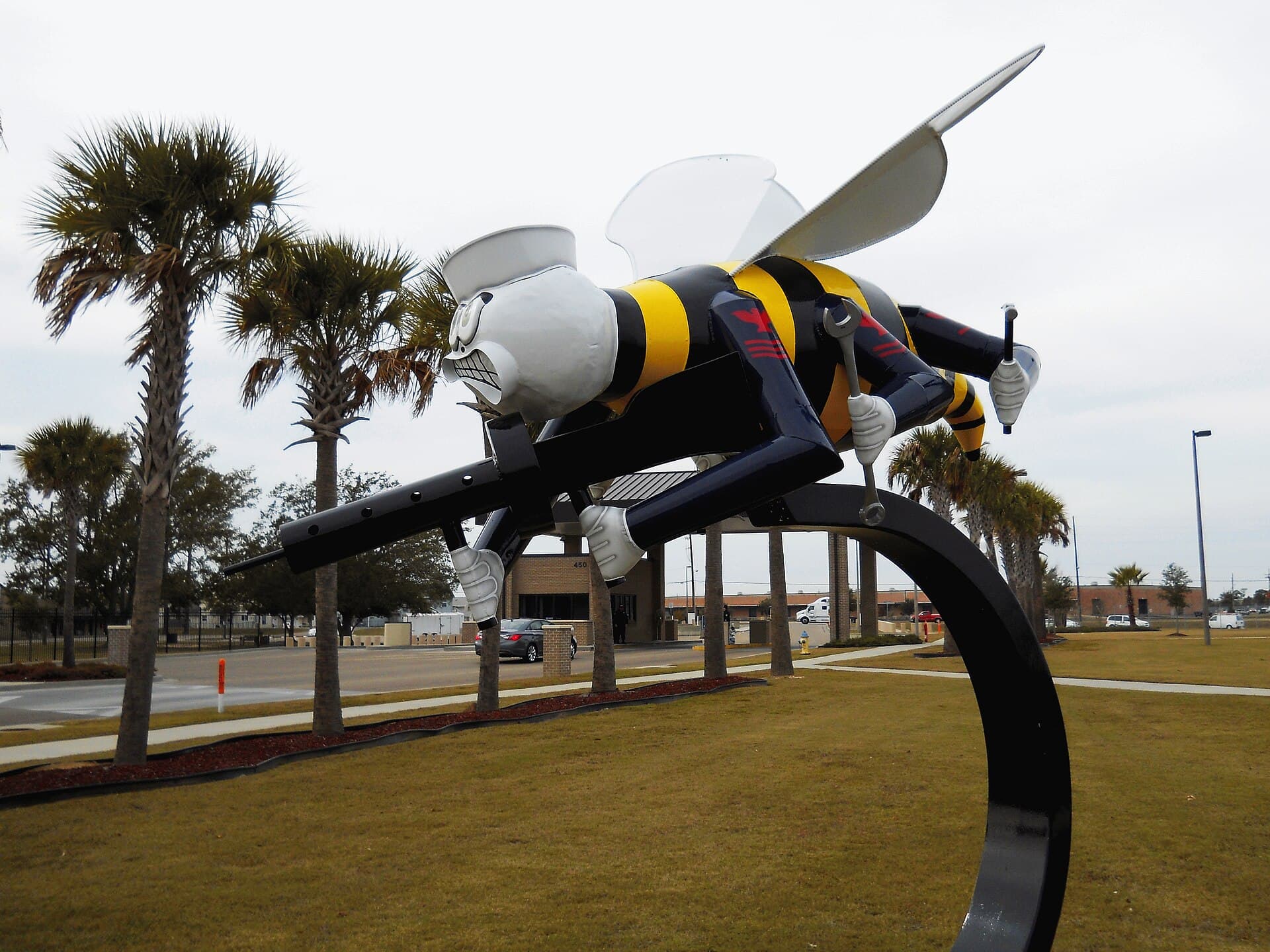 Woodlot / CC BY-SA 3.0, via Wikimedia Commons
Tour audio autoguidato di Gulfport — percorso GPS a piedi, riproduzione offline, narrazione coinvolgente in 32 lingue.
“Dove il passato e il presente della Costa del Golfo convergono su rive baciate dal sole.”
Non le cartoline. Le storie che nemmeno i locali conoscono — sussurrate nel tuo orecchio, proprio dove sono accadute.
Oltre i viali principali, uno stretto passaggio nel centro di Gulfport racconta una storia attraverso un'arte in continua evoluzione.
North Gulfport custodisce una comunità le cui origini risalgono a un momento cruciale della storia americana.
Un grande hotel, un tempo cuore della scena sociale di Gulfport, ora è una testimonianza di resistenza.
Scopri ogni segreto di Gulfport
Ogni indirizzo, ogni rivelazione completa — nel tuo orecchio, proprio dove è accaduta.
Scegli le tue tappe. Cammini. La voce rivela ciò che gli altri perdono.
Il tuo tour audio autoguidato di Gulfport è pronto — scegli i tuoi punti di interesse, seleziona la tua lingua e inizia nel momento in cui arrivi.
AcquistaLume include una guida in realtà aumentata. Alza il telefono: la fotocamera mostra la strada davanti a te, con una freccia luminosa sovrapposta all'immagine reale che punta sempre verso la tua prossima tappa — nessuna mappa da decifrare, nessuna svolta sbagliata. Come tutto in Lume, funziona completamente offline.
Gulfport, Mississippi, la seconda città più grande dello stato, è una destinazione costiera lungo il Golfo del Messico che unisce la grazia del Sud a uno spirito duraturo. Le sue spiagge di sabbia bianca e le acque invitanti sono un'attrazione principale, offrendo opportunità per nuotare, prendere il sole e varie attività acquatiche. Oltre la costa, Gulfport offre un mix di esperienze culturali, siti storici e attrazioni per famiglie.
Questa vivace città si è ricostruita e rinnovata ripetutamente, in particolare dopo significative sfide naturali come l'uragano Katrina nel 2005. Oggi, Gulfport funge da centro nevralgico di commercio e svago, con un focus sul suo porto attivo, una variegata offerta gastronomica e opzioni di intrattenimento. Dall'esplorazione della vita marina al Mississippi Aquarium allo passeggiare tra i negozi distintivi e le installazioni artistiche del centro, Gulfport offre una gamma di attività per i visitatori che cercano sia avventura che una rilassante fuga costiera.
## Dal Legname al Turismo: La Genesi di Gulfport Le origini di Gulfport risalgono agli anni '40 dell'Ottocento, sviluppandosi dai precedenti insediamenti di Mississippi City e Handsboro. La città fu formalmente concepita nel 1887 da William H. Hardy, che la immaginò come capolinea della sua Gulf and Ship Island Railroad. La visione di Hardy fu stimolata dalle immense foreste di pino giallo della costa meridionale del Mississippi, ancora da raccogliere, riconoscendo la necessità di migliori strutture di commercializzazione per il legname.
## L'Era della Boomtown e un Porto Commerciale Gulfport conobbe una rapida espansione nel 1898 con la costruzione della ferrovia e l'approfondimento del suo porto. Nel 1902, il Porto di Gulfport fu ufficialmente istituito come porto marittimo attivo, diventando un significativo motore economico e un terminal marittimo di livello mondiale. Joseph T. Jones, un magnate del petrolio di Philadelphia, sviluppò ulteriormente la città e il porto dopo aver assunto il controllo della linea ferroviaria nel 1902. La via navigabile industriale della città coltivò anche una tradizione di costruzione navale, con aziende come Trinity Yachts che divennero rinomate per i superyacht personalizzati.
## Resilienza e Rivitalizzazione Negli anni '20, Gulfport visse un breve periodo come località balneare dopo che la Gulf line fu acquisita dalla Illinois Central Railroad. Dopo la Seconda Guerra Mondiale, la sua attività di resort e hotel si espanse, migliorata da una delle spiagge di sabbia artificiali più lunghe del mondo. Tuttavia, Gulfport ha affrontato sfide significative dovute a disastri naturali. L'uragano Camille devastò il lungomare e il porto nel 1969, e l'uragano Katrina causò nuovamente danni estesi nel 2005. Nonostante queste difficoltà, la città si è costantemente ricostruita e rinnovata, dimostrando un forte spirito comunitario e resistenza.
## Gulfport Moderna: Un Centro di Attività Oggi, Gulfport è la seconda città più popolosa del Mississippi, con quasi 70.000 abitanti. Ospita la U.S. Navy Atlantic Fleet Seabees, i battaglioni di costruzione della Marina. L'economia della città è varia, con il turismo, la cantieristica navale e il porto attivo che svolgono ruoli importanti. Gulfport continua ad evolversi, offrendo un mix di intrattenimento per famiglie, istituzioni culturali e attività all'aperto, il tutto abbracciando la sua distintiva storia di prosperità, distruzione e ricostruzione.
Gulfport offre una varietà di attrazioni, dalla ricreazione costiera alle esperienze educative. Le sabbie bianche di Gulfport Beach e Jones Park sono ideali per nuotare, prendere il sole e attività acquatiche come il jet ski e il paddleboard. Jones Park dispone anche di una splash pad, un parco giochi, un anfiteatro e sentieri pedonali. Un traghetto dal Porto di Gulfport fornisce l'accesso a Ship Island, parte del Golfo Islands National Seashore, dove i visitatori possono esplorare spiagge incontaminate, nuotare, fare snorkeling e visitare il Fort Massachusetts del XIX secolo.
Per gli appassionati di vita marina, il Mississippi Aquarium espone specie acquatiche locali ed esotiche, concentrandosi sull'educazione e la conservazione. L'Institute for Marine Mammal Studies offre incontri con i delfini, spettacoli di leoni marini e mostre interattive con razze e tartarughe marine. Le famiglie possono anche godersi il Gulf Islands Waterpark con i suoi scivoli e fiumi lenti, o il Lynn Meadows Discovery Center, un museo interattivo per bambini.
Il centro di Gulfport presenta negozi unici, ristoranti e la vivace Fishbone Alley, riconosciuta per i suoi murales in continua evoluzione e la musica dal vivo occasionale. Per coloro interessati alla storia, la Historical Society of Gulfport lavora per preservare e promuovere il passato distintivo della città.
Gulfport gode di un clima subtropicale umido con estati calde e inverni miti. I periodi più piacevoli per visitare per un clima confortevole e meno folla sono durante la primavera (marzo-maggio) e l'autunno (settembre-novembre). Durante queste stagioni, le temperature sono moderate e i livelli di umidità sono più bassi, rendendo le attività all'aperto più piacevoli. L'estate è la stagione più affollata a causa delle spiagge, ma porta più folla, temperature più alte e maggiore umidità. La stagione degli uragani va da giugno a novembre, con agosto-ottobre particolarmente attivi.
L'aeroporto internazionale di Gulfport-Biloxi (GPT) funge da aeroporto principale per l'area, offrendo voli da grandi città. Per coloro che preferiscono guidare, Gulfport è accessibile tramite l'Interstate 10 e la US Highway 90, che segue la costa del Golfo. Una volta a Gulfport, la città può essere esplorata senza un veicolo personale, anche se noleggiare un'auto offre maggiore flessibilità per scoprire la regione circostante. La Coast Transit Authority (CTA) fornisce servizi di autobus locali.
Quando fate la valigia, considerate il clima subtropicale umido. Si consigliano tessuti leggeri e traspiranti per l'estate, insieme a protezione solare e cappelli. Una giacca leggera potrebbe essere utile per le serate più fresche in autunno e inverno, o per gli spazi interni climatizzati come i casinò. È consigliabile pianificare il viaggio in anticipo, specialmente durante i mesi estivi più affollati, e prestare attenzione alla stagione degli uragani.
Gulfport — coreano, cinese, ebraico e altre 29 lingue, ogni tappa narrata da una voce madrelingua. La più ampia scelta di lingue tra i tour audio autoguidati.
Disponibile in: