Basiliek van Győr
Binnen de sobere muren van de Basiliek van Győr ligt een vereerde icoon met een verrassend verleden.
Volledig verhaal ontgrendeld in de tour
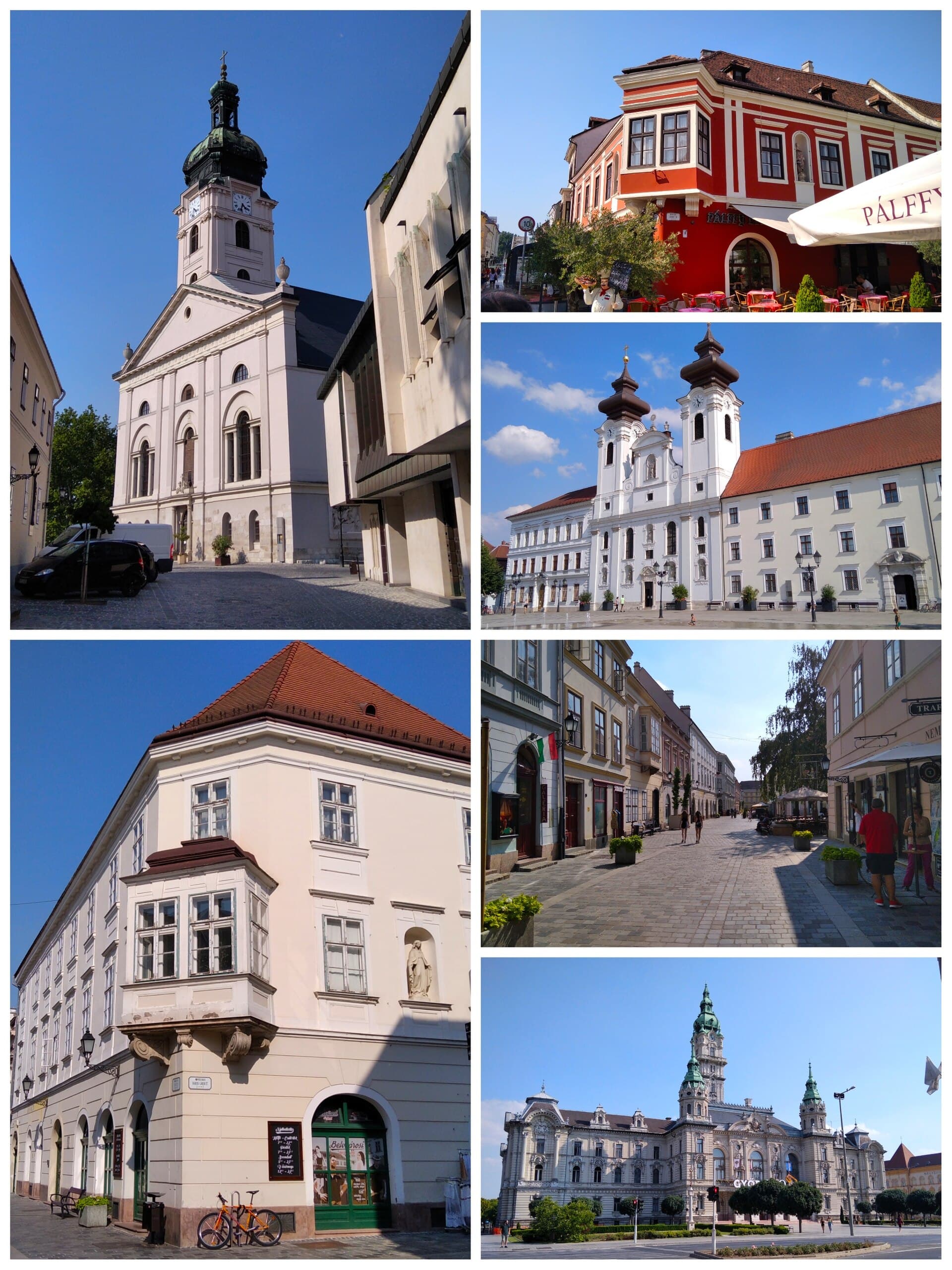 SNRTZ / CC BY-SA 4.0, via Wikimedia Commons
Zelfgeleide audiowandeling door Győr — GPS-route, offline afspelen, meeslepende vertelling in 32 talen.
“Győr: Waar barokke gevels drie rivieren en rustige charme ontmoeten.”
Niet de ansichtkaarten. De verhalen die zelfs locals niet kennen — gefluisterd in je oor, precies waar ze gebeurden.
Binnen de sobere muren van de Basiliek van Győr ligt een vereerde icoon met een verrassend verleden.
Een bronzen standbeeld op het Wenenpoortplein bevat een geheim over lokale verantwoordelijkheid.
Het Bisschoppelijk Kasteel op de Káptalanheuvel heeft een aangrijpende herdenking in zijn toren.
Ontdek elk geheim van Győr
Elk adres, elke onthulling volledig — in je oor, precies waar het gebeurde.
Jij kiest je stops. Jij wandelt. De stem onthult wat de anderen missen.


Je zelfgeleide audiotour van Győr is klaar — kies je bezienswaardigheden, kies je taal en start zodra je aankomt.
KopenLume heeft een ingebouwde augmented-reality-gids. Houd je telefoon omhoog: de camera toont de straat voor je, met een oplichtende pijl over het echte beeld die altijd naar je volgende stop wijst — geen kaart om uit te puzzelen, geen verkeerde afslagen. Zoals alles in Lume werkt het volledig offline.
Győr, een stad in het noordwesten van Hongarije, biedt een boeiende mix van blijvend erfgoed, culturele diepgang en een ontspannen sfeer. Vaak de 'Stad van Rivieren' genoemd, is het historische centrum omgeven door de Donau van Mosoni, de Rába en de Rábca, een uniek geografisch kenmerk dat zijn identiteit heeft gevormd. Strategisch gelegen tussen Boedapest en Wenen, is Győr al eeuwenlang een belangrijk kruispunt, wat heeft geleid tot een architectonisch en cultureel erfgoed dat zichtbaar is in het goed bewaarde barokke stadscentrum. Het is een stad die uitnodigt tot rustige verkenning te voet, waarbij de meeste belangrijke bezienswaardigheden op loopafstand liggen, zodat bezoekers de sfeer kunnen opsnuiven zonder de drukte van grotere toeristische centra.
Győr, dat in 1989 de prestigieuze Europese Europa Nostra-prijs ontving voor de zorgvuldige conservering van zijn architectonisch erfgoed, is een testament van zijn verleden. Naast zijn architectonische schoonheid biedt de stad mogelijkheden voor ontspanning in de thermale baden en culturele verrijking door middel van musea en kunstgalerijen. Győr presenteert een authentieke Hongaarse ervaring, een plek waar Europese elegantie en oude tradities harmonisch samengaan met het ritme van het moderne leven.
De geschiedenis van Győr gaat terug tot de oudheid, met de eerste belangrijke nederzetting gesticht door Kelten in de 5e eeuw voor Christus. Zij noemden hun stad Ara Bona, wat 'goed altaar' betekent, wat later evolueerde naar Arrabona, een naam die nog steeds terugkomt in de Duitse (Raab) en Slowaakse (Ráb) namen voor de stad. Romeinse handelaren arriveerden in de 1e eeuw voor Christus, en rond 10 n.Chr. bezette het Romeinse leger de regio, bekend als Pannonia, en vestigde Arrabona als een belangrijke versterkte stad aan de grens van het rijk.
Na de Romeinen werd het gebied bewoond door Slaven, Longobarden en Avaren. In 900 n.Chr. bezetten de Magyaren de stad, versterkten het voormalige Romeinse bolwerk, en hier stichtte Stefanus I, de eerste koning van Hongarije, een bisdom, wat de stad zijn huidige Hongaarse naam, Győr, gaf. De strategische ligging van de stad op de samenvloeiing van drie rivieren – de Donau van Mosoni, de Rába en de Rábca – maakte het tot een vitaal centrum voor handel en een belangrijk transportknooppunt. Eeuwenlang diende Győr als een belangrijke vesting, die verschillende belegeringen doorstond, waaronder een periode van Ottomaanse bezetting in de 16e en 17e eeuw.
De 18e eeuw markeerde een 'Gouden Eeuw' voor Győr. In 1743 verleende keizerin Maria Theresia de stad de status van Vrije Koninklijke Stad, wat aanzienlijke economische en culturele ontwikkeling stimuleerde. Gedurende deze periode van stabiliteit transformeerde een bouwboom de stad, wat leidde tot de creatie van zijn kenmerkende barokke architectonische karakter, dat vandaag de dag nog steeds prachtig bewaard is gebleven. Religieuze ordes zoals de Jezuïeten en Karmelieten vestigden zich er, bouwden scholen, kerken, een ziekenhuis en kloosters, wat het culturele landschap van de stad verder verrijkte. Hoewel het verwoestingen leed tijdens de Mongoolse invasie in de 13e eeuw en door het Tsjechische leger in de 13e eeuw, en later schade opliep tijdens de Tweede Wereldoorlog, hebben uitgebreide restauratiewerkzaamheden in de periode na 1945 ervoor gezorgd dat het unieke barokke karakter van het historische centrum behouden is gebleven.
De historische kern van Győr, met name rond de Káptalanheuvel, is een wandelgebied rijk aan architectonische en culturele bezienswaardigheden. Begin op het Széchenyi-plein, het hoofdplein van de stad, omringd door barokke gebouwen en een levendige sfeer, ideaal om vanaf een café mensen te kijken. Het stadhuis van Győr, een neobarok gebouw met een 59 meter hoge toren, staat vlakbij het treinstation en is een stadssymbool.
Op de Káptalanheuvel kunt u de Basiliek van Győr verkennen, die een mix van Romaanse, Gotische en Neoclassicistische stijlen vertoont, en de vereerde Huilende Icone van Maria en het vergulde zilveren relikwie van Sint Ladislaus herbergt. Vlakbij ligt het Bisschoppelijk Kasteel (Püspökvár), met fundamenten die dateren uit de Romeinse tijd, en dat een weids uitzicht biedt. De Benedictijnse kerk van Sint Ignatius van Loyola, gemodelleerd naar de Kerk van de Gesù in Rome, is een opmerkelijke 17e-eeuwse barokke kerk met een indrukwekkend interieur. Een ander belangrijk barok bouwwerk is de Karmelietenkerk, met zijn saffraankleurige gevel, gebouwd tussen 1721 en 1725.
Naast religieuze bezienswaardigheden kunt u langs de Baross Gábor-straat wandelen, een voetgangersgebied met cafés, winkels en restaurants, perfect om souvenirs te vinden of lokale streetfood zoals Lángos te proberen. Voor ontspanning biedt het Rába-Quelle Thermen- en Spa-centrum, gelegen nabij het historische centrum, thermaal water. Het Xantus János Museum, gevestigd in het prachtige Apátúr Huis, duikt in de geschiedenis, archeologie en kunst van de stad. Overweeg voor een ander perspectief de Bisschoppelijke Uitkijktoren voor uitzicht over de stad.
Győr kent vier verschillende seizoenen, elk met een unieke aantrekkingskracht. De beste tijd om te bezoeken voor activiteiten in de buitenlucht is van begin juni tot half september, wanneer de dagtemperaturen comfortabel zijn, gemiddeld rond de 28°C in juli en augustus. De zomer is echter het hoogseizoen, dus verwacht grotere drukte en mogelijk hogere accommodatieprijzen.
Voor wie de voorkeur geeft aan milder weer en minder toeristen, zijn de lente (april tot mei) en de herfst (september tot oktober) ideaal. De temperaturen zijn aangenaam, hoewel een lichte jas nodig kan zijn voor de avonden. Mei kan een van de nattere maanden zijn, dus een paraplu is aan te raden. De winters (november tot maart) zijn over het algemeen mild, maar kunnen koud zijn, met af en toe sneeuwval; veel bezienswaardigheden en hotels hebben mogelijk beperkte openingstijden of zijn gesloten.
Győr is zeer goed te voet te verkennen, met de meeste belangrijke bezienswaardigheden geconcentreerd in het historische centrum. Het openbaar vervoer binnen de stad is niet uitgebreid, maar er is een goed georganiseerd bussysteem beschikbaar voor langere afstanden. Om Győr te bereiken, is de strategische ligging ideaal. Regelmatige treinen verbinden Győr met Boedapest (ongeveer 1 uur en 20 minuten) en Wenen (ongeveer 1 uur en 10 minuten). Vanuit Bratislava is de bus de meest directe optie. De trein- en busstations liggen handig naast elkaar, op ongeveer 10 minuten lopen van het stadscentrum.
Hoewel Hongarije de Hongaarse Forint (HUF) gebruikt, worden Euro's vaak geaccepteerd in Győr, meestal tegen een redelijke wisselkoers, hoewel parkeermeters meestal Forinten vereisen. Het is raadzaam om wat Forinten bij de hand te hebben of geld op te nemen bij een geldautomaat. Győr wordt over het algemeen beschouwd als een veilige stad, maar zoals in elke stedelijke omgeving is het verstandig om op uw bezittingen te letten, vooral op drukke plaatsen, en slecht verlichte straten 's nachts te vermijden. Het vooraf boeken van accommodatie wordt aanbevolen, vooral tijdens de zomermaanden of december, vanwege festivals en evenementen.
Győr — Koreaans, Chinees, Hebreeuws en nog 29 talen, elke stop verteld door een moedertaalspreker. Het grootste taalaanbod van alle zelfgeleide audiotours.
Beschikbaar in: