Kasteel Hasegg / Munt Hall
De eerste 'thaler' werd hier in 1486 geslagen, een munt die de wereldwijde valuta vormde.
Volledig verhaal ontgrendeld in de tour
 -wuppertaler / CC BY-SA 4.0, via Wikimedia Commons
Zelfgeleide audiowandeling door Hall in Tirol — GPS-route, offline afspelen, meeslepende vertelling in 32 talen.
“Waar de dollar begon, en zout ooit 'wit goud' was.”
Niet de ansichtkaarten. De verhalen die zelfs locals niet kennen — gefluisterd in je oor, precies waar ze gebeurden.
De eerste 'thaler' werd hier in 1486 geslagen, een munt die de wereldwijde valuta vormde.
Kijk goed in deze kapel om enkele van de vroegste artistieke uitingen van Hall in Tirol te ontdekken.
Beklim de historische Munttoren en u ziet mogelijk enkele onverwachte bewoners.
Ontdek elk geheim van Hall in Tirol
Elk adres, elke onthulling volledig — in je oor, precies waar het gebeurde.
Jij kiest je stops. Jij wandelt. De stem onthult wat de anderen missen.
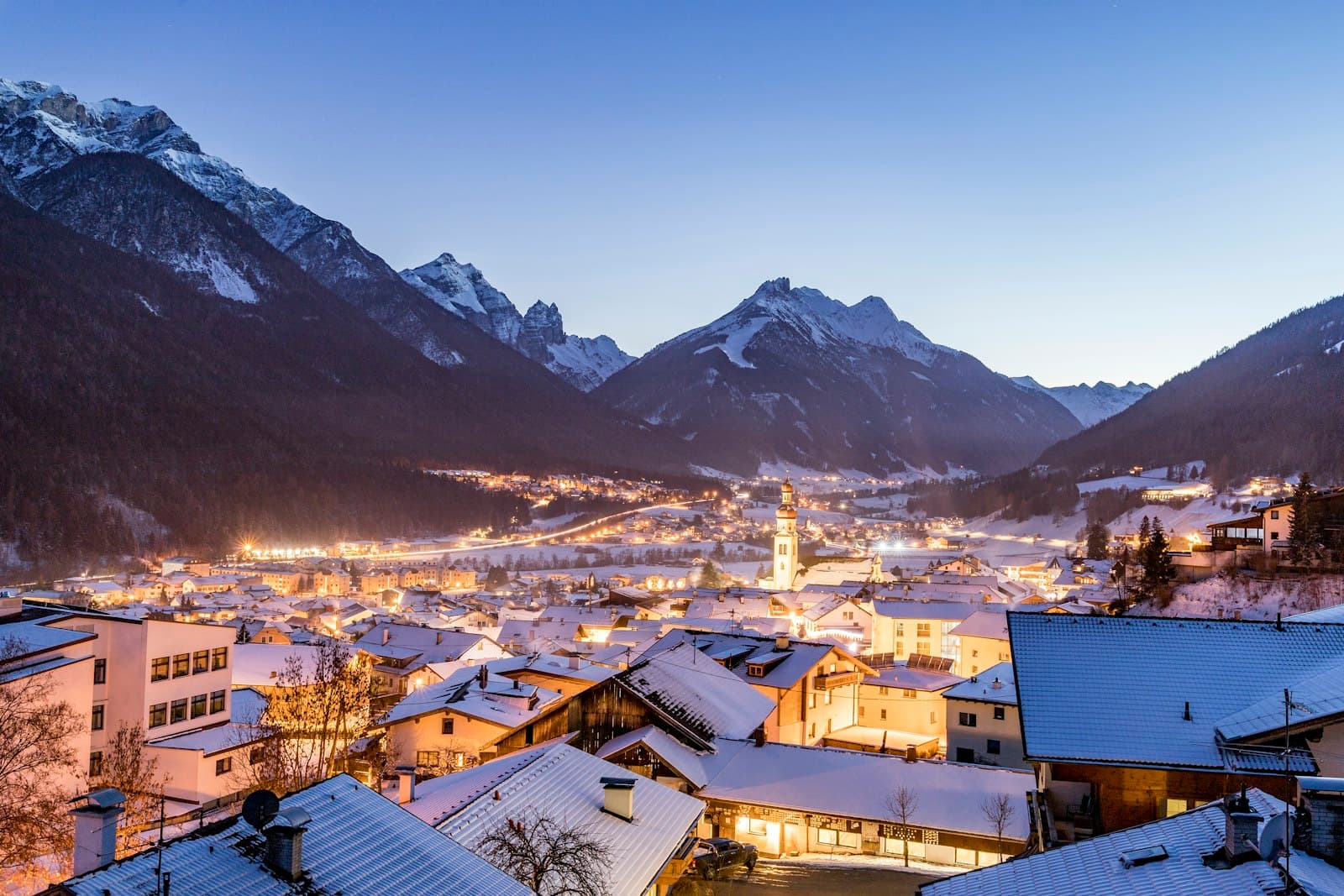
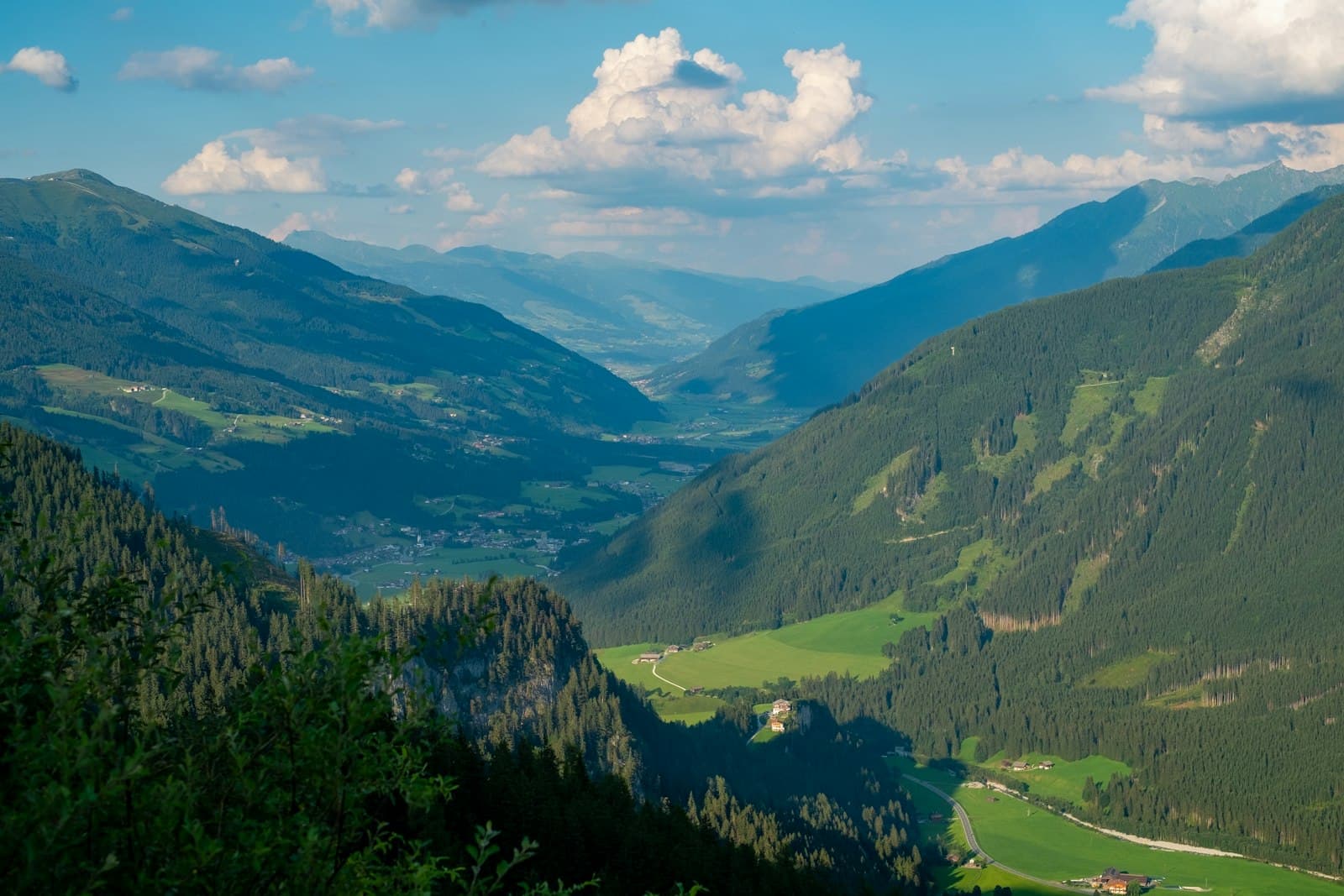

Je zelfgeleide audiotour van Hall in Tirol is klaar — kies je bezienswaardigheden, kies je taal en start zodra je aankomt.
KopenLume heeft een ingebouwde augmented-reality-gids. Houd je telefoon omhoog: de camera toont de straat voor je, met een oplichtende pijl over het echte beeld die altijd naar je volgende stop wijst — geen kaart om uit te puzzelen, geen verkeerde afslagen. Zoals alles in Lume werkt het volledig offline.
Hall in Tirol, een stad net ten oosten van Innsbruck in Oostenrijk, draagt het gewicht van een significant verleden met zich mee binnen zijn goed bewaarde middeleeuwse kern. Ooit een machtig economisch centrum, werd de welvaart gebouwd op de winning van 'wit goud'—zout—uit nabijgelegen mijnen. Deze erfenis is zichtbaar in de smalle straatjes, historische gebouwen en pleinen die tot ontdekking uitnodigen.
Naast zijn zoutverleden speelde Hall in Tirol een cruciale rol in de geschiedenis van de muntproductie. Hier werd de eerste grote zilveren munt van Europa, de thaler, geslagen, een munt die later de naam van de Amerikaanse dollar zou inspireren. Tegenwoordig biedt de stad een mix van historische ontdekkingen en hedendaags leven, met een groter intact oud stadscentrum dan zelfs de provinciale hoofdstad Innsbruck.
De oorsprong van Hall in Tirol gaat terug tot de 13e eeuw, met de eerste vermelding als 'salina' (zoutziederij) in 1232. De naam van de stad zelf, 'Hall,' is afgeleid van een Keltisch woord voor zout, wat de vitale rol van zoutwinning in de vroege ontwikkeling onderstreept. Zout, vaak aangeduid als 'wit goud', was een cruciale grondstof voor voedselconservering vóór de moderne koeltechnieken, waardoor Hall een belangrijk handelscentrum werd. De zoutmijn in het Hall-dal, ten noorden van de stad, was de belangrijkste industrie, met de eerste mijn toegang aangelegd in 1272. Tegen 1303 kreeg Hall officieel stadsrechten, wat zijn positie als een toonaangevend markt- en handelscentrum in Noord-Tirol verder verstevigde.
Een belangrijk keerpunt in de geschiedenis van Hall vond plaats in 1477 toen de Tiroolse munt vanuit Merano naar Hall werd verplaatst. Deze verhuizing was strategisch gedreven door de nabijheid van de stad tot de lucratieve zilvermijnen in het nabijgelegen Schwaz en zijn sterke fortificaties. In 1486 produceerde de Hallse munt de Guldengroschen, de eerste grote zilveren munt van Europa, die later simpelweg bekend werd als de thaler. Deze innovatieve munt diende als basis voor vele andere belangrijke valuta's wereldwijd, waaronder de Amerikaanse dollar en de Japanse yen.
In de 16e eeuw bereikte Hall in Tirol het hoogtepunt van zijn invloed en werd het een van de belangrijkste steden in het Habsburgse Rijk. Gedurende deze periode was de munt in Hall ook pionier met de eerste geautomatiseerde muntmachine ter wereld, een technologisch wonder 200 jaar vóór de Industriële Revolutie. Dit tijdperk van welvaart liet een onuitwisbare indruk achter op de architectuur van de stad, met de bouw van vele kerken, kloosters en nonnenkloosters, die het blijvende middeleeuwse karakter vormden.
Hoewel de zoutwinning in 1967 stopte, heeft Hall in Tirol zijn historische integriteit ijverig bewaard. De toewijding van de stad aan revitalisering heeft haar meerdere prijzen opgeleverd, wat een succesvolle mix van oud en nieuw laat zien. Vandaag de dag staat Hall in Tirol als een getuigenis van zijn blijvende verleden en biedt het bezoekers een tastbare verbinding met een tijd waarin het een centrum van handel en innovatie was.
Begin uw verkenning bij Kasteel Hasegg en het Muntmuseum van Hall, waar u zich kunt verdiepen in de geschiedenis van de muntproductie en een replica kunt bekijken van 's werelds eerste geautomatiseerde muntmachine. Beklim de Munttoren voor een weids uitzicht over Hall, het Inntal en de Karwendelgebergte. Het Mijnbouwmuseum van Hall, een reconstructie van een zoutmijn tunnel, biedt een levendig begrip van het zoutmijnverleden van de stad, compleet met schachten, gereedschappen en zelfs een houten glijbaan.
Wandel door de Oude Stad, die groter is dan die van Innsbruck, en bewonder de pastelkleurige gebouwen en uitnodigende straten die doen denken aan het middeleeuwse verleden. Bezoek de Parochiekerk van Sint-Nicolaas, een gotisch bouwwerk met barok interieur, en zoek de Magdalenakapel op om de oude fresco's te bekijken. Het Oberer Stadtplatz (Bovenste Stadsplein) is een levendig centrum met het 15e-eeuwse stadhuis. Voor een ontspannen middag kunt u overwegen naar het Freischwimmbad te gaan, een groot buitenzwembad met diverse faciliteiten.
De beste tijd om Hall in Tirol te ervaren voor activiteiten in de buitenlucht is van eind juni tot eind augustus, wanneer de temperaturen aangenaam zijn en de luchten vaak helder. Lente en herfst bieden ook aangenaam weer met minder drukte. In de winter transformeert de stad met feestelijke kerstmarkten, hoewel sommige attracties mogelijk beperkte openingstijden hebben.
Hall in Tirol ligt gunstig op ongeveer 5 km ten oosten van Innsbruck en is gemakkelijk bereikbaar met de trein, met een reis van 8 minuten vanaf het hoofdstation van Innsbruck. Het stadscentrum is compact en het beste te voet te verkennen, met de meeste attracties binnen een half uur lopen. Het lokale VVV-kantoor is een goed startpunt voor kaarten en brochures. Hoewel creditcards breed worden geaccepteerd, is het raadzaam om wat contant geld mee te nemen voor kleinere winkels en restaurants. Rondleidingen door de oude stad zijn vaak beschikbaar via het VVV-kantoor, die dieper inzicht bieden in de geschiedenis van de stad. Parkeren is beschikbaar, inclusief parkeren op straat voor beperkte duur.
Hall in Tirol — Koreaans, Chinees, Hebreeuws en nog 29 talen, elke stop verteld door een moedertaalspreker. Het grootste taalaanbod van alle zelfgeleide audiotours.
Beschikbaar in: