Picassoparken
La scultura di Picasso qui non è solo una statua; stimola la conversazione, tracciando una linea verso la regalità.
La storia completa si sblocca nel tour
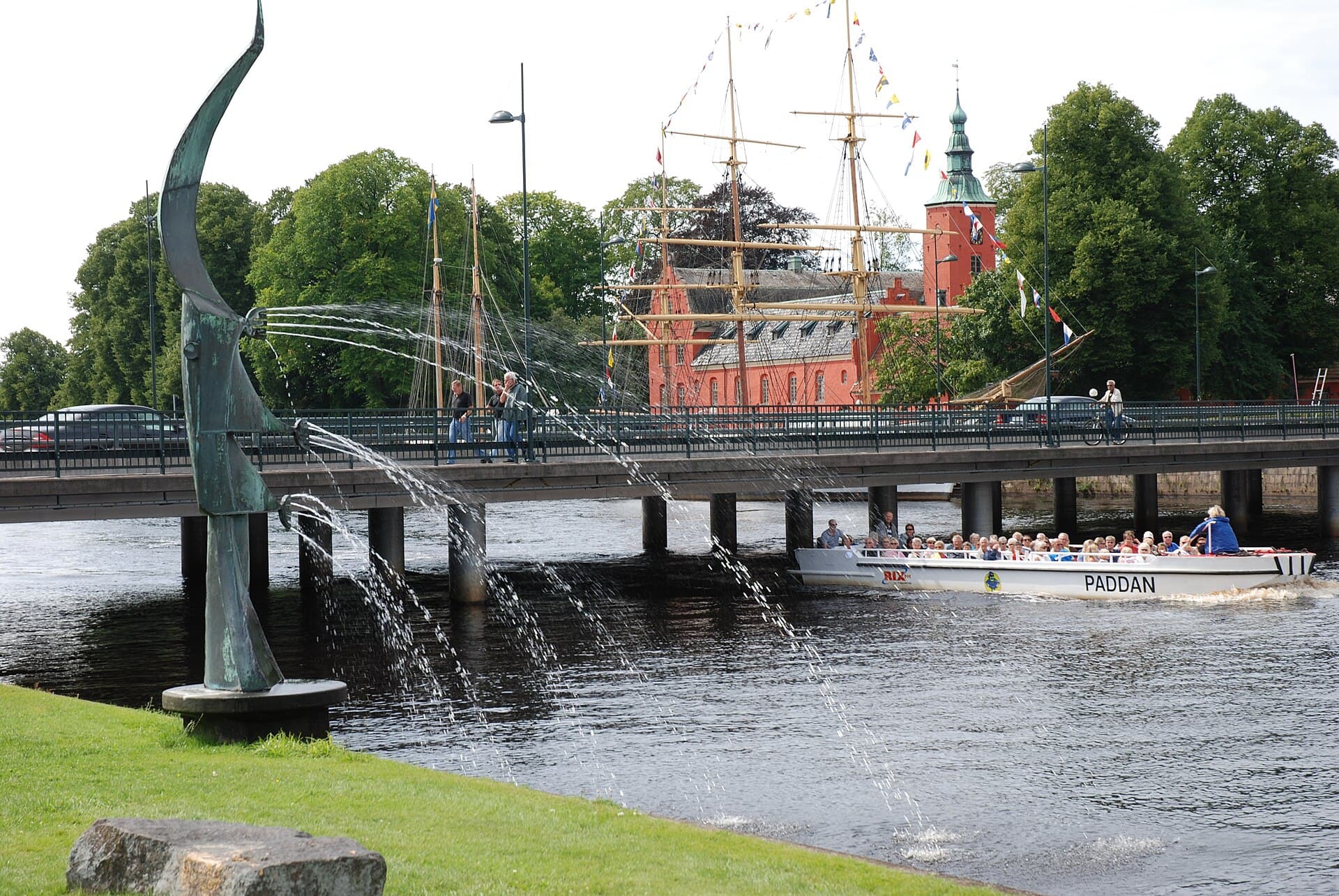 Boberger. Photo: Bengt Oberger / CC BY 3.0, via Wikimedia Commons
Tour audio autoguidato di Halmstad — percorso GPS a piedi, riproduzione offline, narrazione coinvolgente in 32 lingue.
“Dove il Kattegat incontra la costa, una città svela le sue storie.”
Non le cartoline. Le storie che nemmeno i locali conoscono — sussurrate nel tuo orecchio, proprio dove sono accadute.
La scultura di Picasso qui non è solo una statua; stimola la conversazione, tracciando una linea verso la regalità.
Questa non è una tipica fortezza medievale; le sue fondamenta sono legate a un re con una visione architettonica molto particolare e piuttosto inaspettata.
La fontana nella piazza principale, la scultura 'Europa e il Toro', custodisce un segreto sull'eredità artistica della città, che va oltre la sua facciata classica.
Scopri ogni segreto di Halmstad
Ogni indirizzo, ogni rivelazione completa — nel tuo orecchio, proprio dove è accaduta.
Scegli le tue tappe. Cammini. La voce rivela ciò che gli altri perdono.

Il tuo tour audio autoguidato di Halmstad è pronto — scegli i tuoi punti di interesse, seleziona la tua lingua e inizia nel momento in cui arrivi.
AcquistaLume include una guida in realtà aumentata. Alza il telefono: la fotocamera mostra la strada davanti a te, con una freccia luminosa sovrapposta all'immagine reale che punta sempre verso la tua prossima tappa — nessuna mappa da decifrare, nessuna svolta sbagliata. Come tutto in Lume, funziona completamente offline.
Halmstad, una città costiera nella provincia di Halland, Svezia, si trova alla foce del fiume Nissan, dove abbraccia lo stretto di Kattegat. È un luogo dove il dolce ritmo della vita da spiaggia si intreccia con un vivace centro urbano, offrendo un'esperienza svedese distintiva. La narrazione della città è visibilmente incisa nella sua architettura, dalle case a graticcio della città vecchia al massiccio Castello di Halmstad, testimone silenzioso del suo passato di roccaforte danese.
Oltre ai suoi monumenti storici, Halmstad è rinomata per le sue ampie spiagge sabbiose, in particolare Tylösand, una meta preferita sia dagli svedesi che dai visitatori internazionali. La città coltiva anche una vivace scena culturale, con una forte enfasi su arte, design e musica. Questo connubio di splendore naturale, profondità storica e cultura contemporanea crea un'atmosfera coinvolgente, che invita all'esplorazione e alla scoperta ad ogni angolo.
## Da Roccaforte Danese a Porto Svedese Le origini di Halmstad risalgono all'XI secolo, rendendola una delle città più antiche della Svezia. La sua posizione strategica sul Kattegat, un passaggio marittimo tra Danimarca e Svezia, significava che era frequentemente un punto di contesa tra i due regni. Per gran parte della sua esistenza iniziale, Halmstad rimase sotto la sovranità danese, servendo come importante città di confine e centro significativo per il commercio.
La città ricevette i suoi primi privilegi cittadini conosciuti nel 1307, concessi dal re Birger Magnusson di Svezia. Tuttavia, fu durante il regno del re danese Cristiano IV all'inizio del XVII secolo che Halmstad conobbe una crescita considerevole. Cristiano IV, noto per le sue ambizioni architettoniche, avviò la costruzione del Castello di Halmstad, un grandioso palazzo rinascimentale che servì come sua residenza personale durante le sue visite nella regione. Supervisionò anche la ricostruzione delle difese della città, trasformando Halmstad in una formidabile roccaforte.
Il Trattato di Brömsebro nel 1645 segnò un punto di svolta significativo, poiché Halmstad, insieme al resto dell'Halland, fu ceduta alla Svezia per un periodo di 30 anni. Questo trasferimento temporaneo divenne permanente con il Trattato di Roskilde nel 1658, integrando ufficialmente Halmstad nel regno svedese. Nonostante il cambio di sovranità, la città mantenne la sua importanza come porto e centro regionale.
Il XIX e il XX secolo portarono l'industrializzazione e un'ulteriore espansione a Halmstad. L'arrivo della ferrovia a metà del XIX secolo collegò la città ad altri importanti centri, facilitando il commercio e lo sviluppo. Oggi, Halmstad continua a prosperare come una città moderna che preserva con rispetto la sua vasta narrazione storica, evidente nei suoi edifici storici ben conservati e nelle storie impresse nelle sue strade.
Inizia la tua esplorazione da Stora Torg, la piazza principale, dove la fontana 'Europa e il Toro' di Carl Milles si erge accanto alla imponente Chiesa di San Nicola (St. Nikolai Church), una chiesa gotica in mattoni risalente al XIV secolo. Da lì, passeggia verso il Castello di Halmstad (Halmstad Castle), un affascinante castello rinascimentale del XVII secolo che ora funge da residenza del governatore della contea. Sebbene l'interno non sia generalmente accessibile al pubblico, i suoi giardini e l'esterno offrono molto da ammirare.
Per gli amanti dell'arte, Picassoparken espone la scultura 'Testa di Donna' (Kvinnohuvud) di Pablo Picasso, un'importante opera d'arte pubblica. Il Museo d'Arte di Mjellby (Mjellby Konstmuseum) presenta le opere del Gruppo di Halmstad, offrendo una comprensione più profonda del surrealismo svedese. Non perderti una passeggiata lungo il fiume Nissan, dove potrai goderti le viste sul lungofiume e i ponti. Infine, una visita a Halmstad sarebbe incompleta senza sperimentare la Spiaggia di Tylösand (Tylösand Beach), rinomata per i suoi lunghi tratti di sabbia e l'atmosfera vivace, soprattutto durante i mesi estivi.
Il periodo ideale per visitare Halmstad è durante i mesi estivi, da giugno ad agosto, quando il clima è più caldo e le spiagge e le attività all'aperto della città sono in pieno svolgimento. Le temperature medie durante questo periodo variano da 17°C a 20°C. Le stagioni intermedie di maggio e settembre offrono anche un clima gradevole e meno folla, rendendole adatte per esplorare i siti storici e la bellezza naturale della città.
Halmstad è facilmente raggiungibile in treno dalle principali città svedesi come Göteborg e Malmö, e anche da Copenaghen, Danimarca. Il centro della città è compatto e piacevole da percorrere a piedi, rendendolo facile da navigare. Gli autobus pubblici offrono un comodo trasporto verso aree oltre il centro città, inclusa la Spiaggia di Tylösand. Per coloro che pianificano di visitare più attrazioni, considera l'acquisto di una tessera di viaggio 'Hallandstrafiken'. La Corona Svedese (SEK) è la valuta locale e le carte di credito sono ampiamente accettate. L'inglese è comunemente parlato, in particolare nelle aree frequentate dai visitatori.
Halmstad — coreano, cinese, ebraico e altre 29 lingue, ogni tappa narrata da una voce madrelingua. La più ampia scelta di lingue tra i tour audio autoguidati.
Disponibile in: