Дар Себастьян
Эта величественная вилла, ныне культурный центр, когда-то принимала эклектичное собрание знаменитых деятелей.
Полная история открывается в туре
 Георгий Долгопский / CC BY-SA 3.0, via Wikimedia Commons
Самостоятельная аудиопрогулка по Хаммамет — GPS-маршрут, офлайн-воспроизведение, увлекательное повествование на 32 языках.
“Где древние стены встречаются с бирюзовыми водами, и жасмин наполняет воздух.”
Не открытки. Истории, которые не знают даже местные жители — шепотом в вашем ухе, прямо там, где они произошли.
Эта величественная вилла, ныне культурный центр, когда-то принимала эклектичное собрание знаменитых деятелей.
Кажущаяся древней Медина Ясмин Хаммамет хранит удивительное открытие о своем истинном возрасте.
Памятник на Площади Мучеников, посвященный независимости Туниса, имеет неожиданную архитектурную дань.
Откройте для себя каждый секрет Хаммамет
Каждый адрес, каждое полное раскрытие — в вашем ухе, прямо там, где это произошло.
Вы выбираете остановки. Вы гуляете. Голос раскрывает то, что упускают другие.
Ваш самостоятельный аудиотур по Хаммамет готов — выберите свои достопримечательности, выберите свой язык и начните в момент прибытия.
КупитьВ Lume встроен гид дополненной реальности. Поднимите телефон: камера показывает улицу перед вами, а поверх реального изображения светится стрелка, всегда указывающая на вашу следующую остановку — не нужно разбираться с картой и сворачивать не туда. Как и всё в Lume, это работает полностью офлайн.
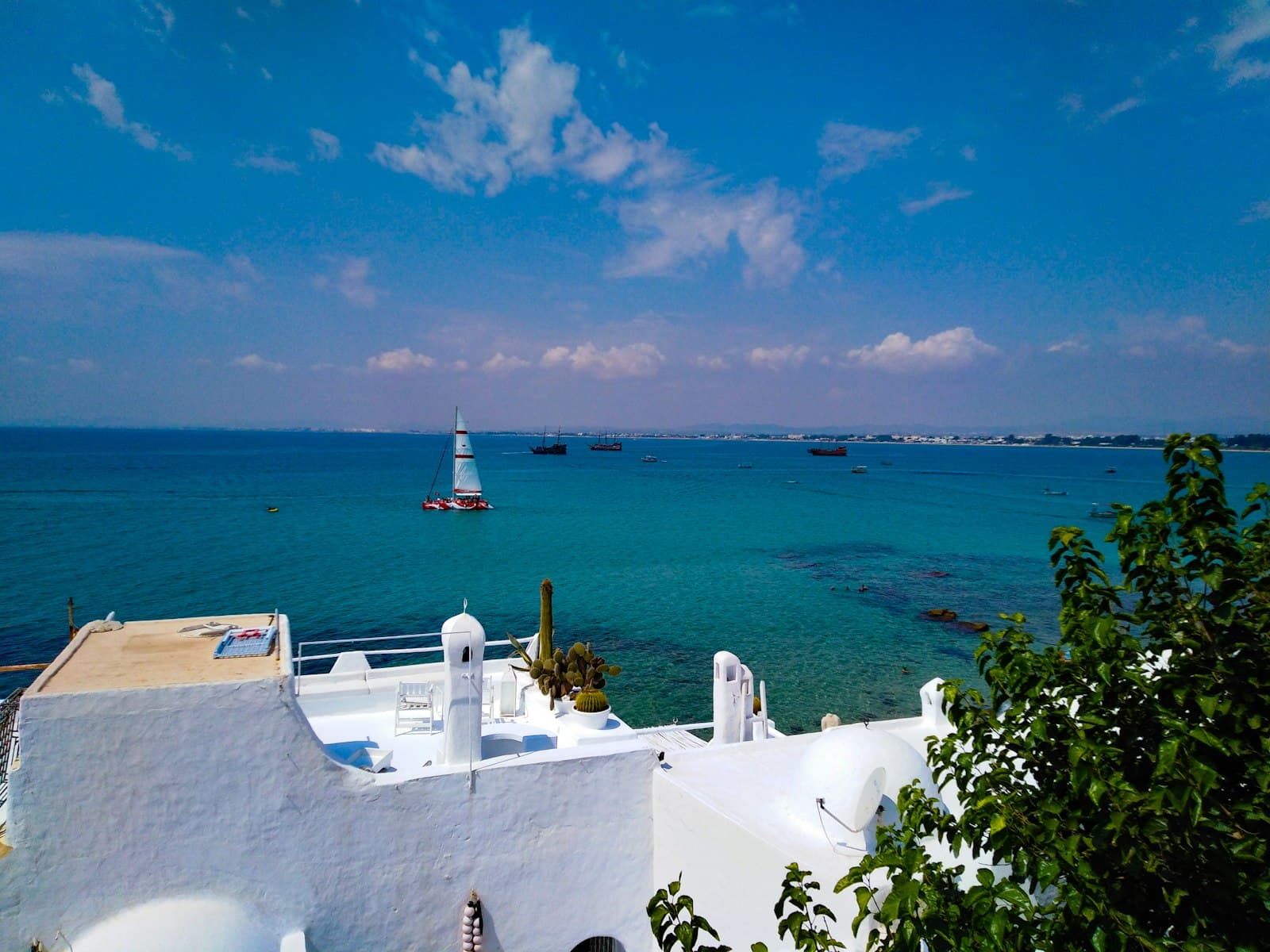
Хаммамет, прибрежный город на полуострове Кап-Бон в Тунисе, предлагает завораживающее сочетание истории, культуры и отдыха. Он высоко ценится за свои золотые песчаные пляжи и чистые бирюзовые воды. Город представляет два разных облика: старый город, сосредоточенный вокруг касбы 15-го века и окруженной стеной медины, и современный курортный район Ясмин Хаммамет, расположенный в восьми километрах к югу.
Помимо живописного побережья, Хаммамет предлагает глубокий культурный опыт. Посетители могут бродить по лабиринтам улиц медины, исследовать исторические места и погрузиться в местный образ жизни. Очарование города усиливается ароматным жасмином, который дал название Ясмин Хаммамет и встречается в различных сувенирах. Гармоничное сочетание традиционного тунисского характера и современных удобств делает Хаммамет универсальным местом, подходящим для семей, пар и тех, кто ищет как отдых, так и культурные исследования.
От своих римских истоков как поселение Пуппут до развития в качестве популярного туристического направления, Хаммамет развивался, сохраняя свою уникальную идентичность. Стратегическое расположение города в заливе Хаммамет также делает его удобной базой для однодневных поездок в другие значимые исторические и культурные места Туниса.
История Хаммамета восходит к античности, когда этот район впервые стал домом для римского поселения, известного как Пуппут, в 1-м веке нашей эры. К 2-му веку Пуппут вырос в римскую колонию, и его руины можно исследовать и сегодня на окраинах Хаммамета.
Современное название города, "Хаммамет", город получил гораздо позже, в Средние века. Это название, происходящее от арабского слова "хаммам", означающего "баня", отражает обилие термальных источников в окрестностях. Первоначально Хаммамет служил военным целям, особенно против пиратских вторжений на тунисское побережье.
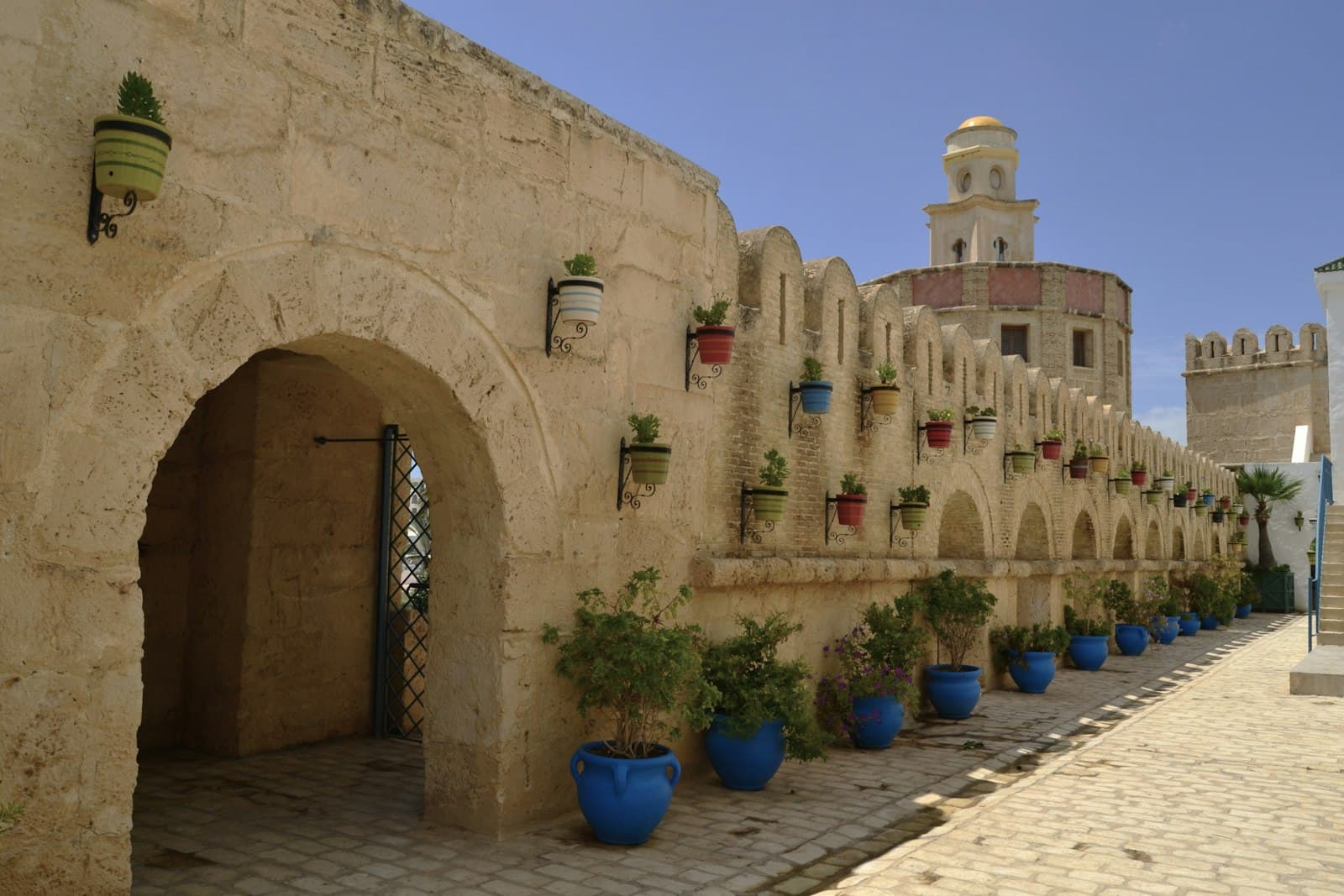
В 13-м веке вокруг города были возведены оборонительные стены, а медина Хаммамета была построена в 15-м веке под династией Хафсидов. Касба, внушительная крепость с видом на набережную, датируется 9-м веком и была значительно перестроена в 1400-х годах, когда стала резиденцией губернатора. Затем Хаммамет пережил периоды испанского и турецкого правления, с заметным испанским нападением в 1601 году.
Во время Второй мировой войны Хаммамет служил одной из штаб-квартир нацистского генерала Эрвина Роммеля. В 20-м веке Хаммамет превратился из относительно скромного рыбацкого городка в выдающееся туристическое направление. Застройщики оценили его прекрасную прибрежную недвижимость, что привело к строительству отелей и курортов. Был основан Международный культурный центр, расположенный в исторической вилле Дар Себастьян, а в 1964 году начался Международный фестиваль Хаммамета, укрепивший роль города как культурного центра.
Начните свое исследование с Медины Хаммамета, компактного старого города с узкими, выбеленными улицами и богато украшенными резными дверями. Здесь вы можете пройтись по оживленным сукам, где продаются традиционные тунисские ремесла, ароматные специи, керамика и изделия из кожи.
С видом на Средиземное море, Касба Хаммамета – крепость 15-го века, откуда открываются захватывающие виды на город и побережье. Внутри небольшой музей демонстрирует артефакты из прошлого Хаммамета.
Для другого опыта посетите Ясмин Хаммамет Марина, современный комплекс с лодками, набережными кафе и ресторанами. Неподалеку Медина Средиземноморья предлагает воссозданный традиционный опыт медины с магазинами и развлечениями.
Непосредственно за стенами медины находится Международный культурный центр Хаммамета, также известный как Дар Себастьян, – красивая вилла с потрясающей архитектурой и обширными садами. Здесь проводятся художественные выставки и Международный фестиваль Хаммамета.
Любители истории могут исследовать Римские руины Пуппута, расположенные примерно в 2 км к югу от центра Хаммамета. Эти руины дают представление о римском поселении 2-го века с остатками домов, форума и термальных бань.
И, конечно же, пляжи Хаммамета – главная достопримечательность, с километрами золотого песка и чистыми водами, идеально подходящими для плавания, принятия солнечных ванн и водных видов спорта.
Идеальное время для посещения Хаммамета – весна (март-май) и осень (сентябрь-октябрь). В эти периоды температура приятная, колеблется от 18°C до 28°C, что подходит для осмотра достопримечательностей и активного отдыха без сильной летней жары. Осадков мало, а море остается достаточно теплым для купания до октября.
Лето (июнь-сентябрь) – пик туристического сезона, температура часто составляет от 30°C до 35°C, идеально подходит для пляжного отдыха и оживленной атмосферы. Международный фестиваль Хаммамета обычно проходит в июле и августе. Зимы (ноябрь-февраль) мягче, температура около 10°C-17°C, но с увеличением количества осадков.
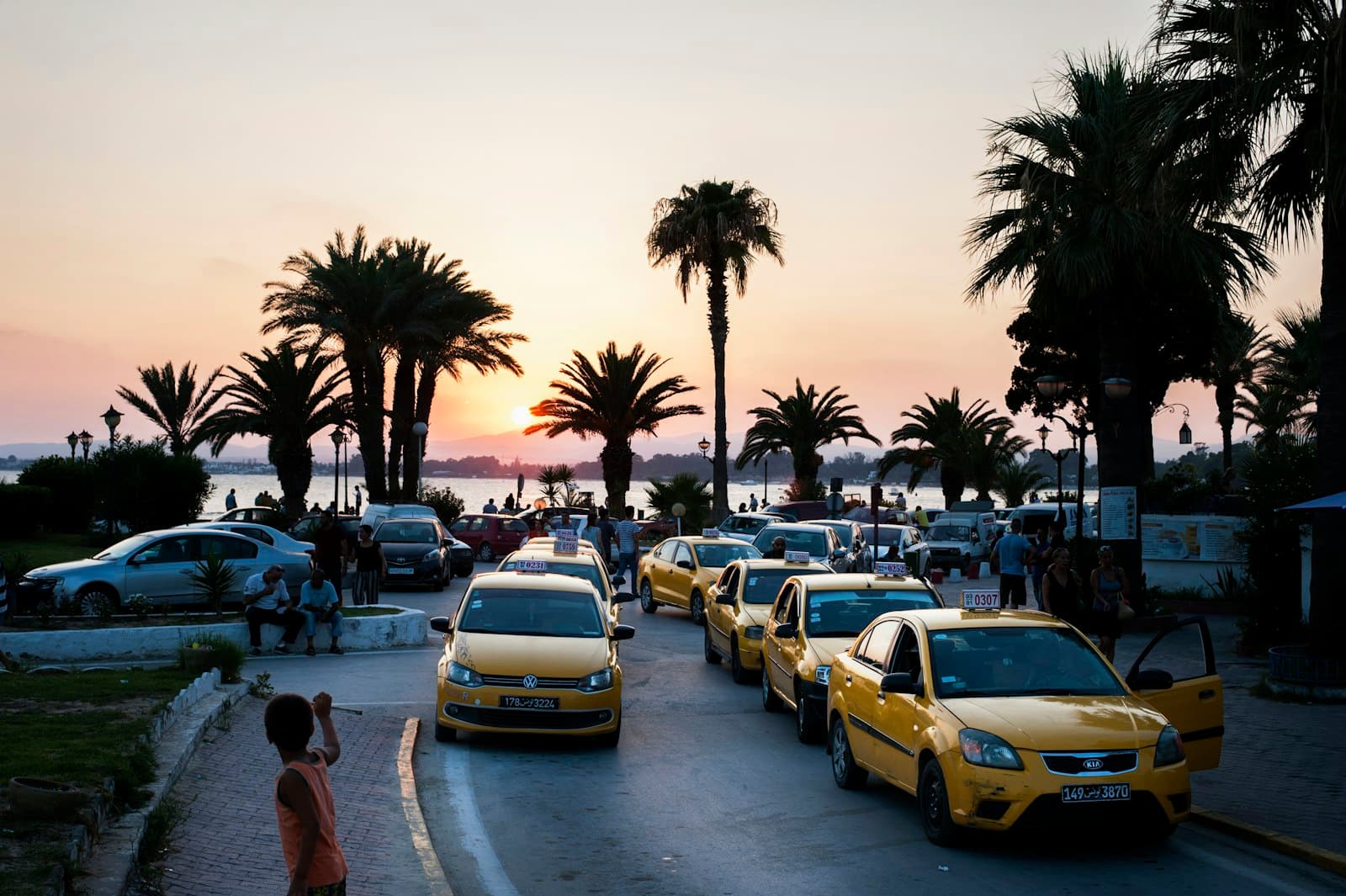
До Хаммамета легко добраться, ближайший аэропорт – аэропорт Энфида-Хаммамет (NBE), расположенный примерно в 40 км. Аэропорт Тунис-Картаж (TUN) находится примерно в часе езды. Такси легко доступны из аэропортов, хотя рекомендуется заранее договориться о тарифе или убедиться, что используется счетчик.
В Хаммамете медина, касба и Культурный центр находятся в шаговой доступности. Для более дальних расстояний или для поездки в Ясмин Хаммамет хорошим вариантом являются местные такси. Bolt также работает как приложение для вызова такси. Общественные автобусы доступны и предлагают комплексную систему, с крупной автобусной станцией, удобно расположенной недалеко от туристического офиса.
В Тунисе используется Тунисский динар (TND). Хотя арабский и французский языки широко распространены, многие торговцы в Хаммамете также неплохо владеют английским, немецким, шведским и итальянским языками. Туристический налог оплачивается в отеле и варьируется в зависимости от звездности отеля.
Хаммамет: корейский, китайский, иврит и ещё 29 языков — каждую остановку озвучивает носитель языка. Самый широкий выбор языков среди аудиоэкскурсий без гида.
Доступные языки: