Casas Tubo de Hanói
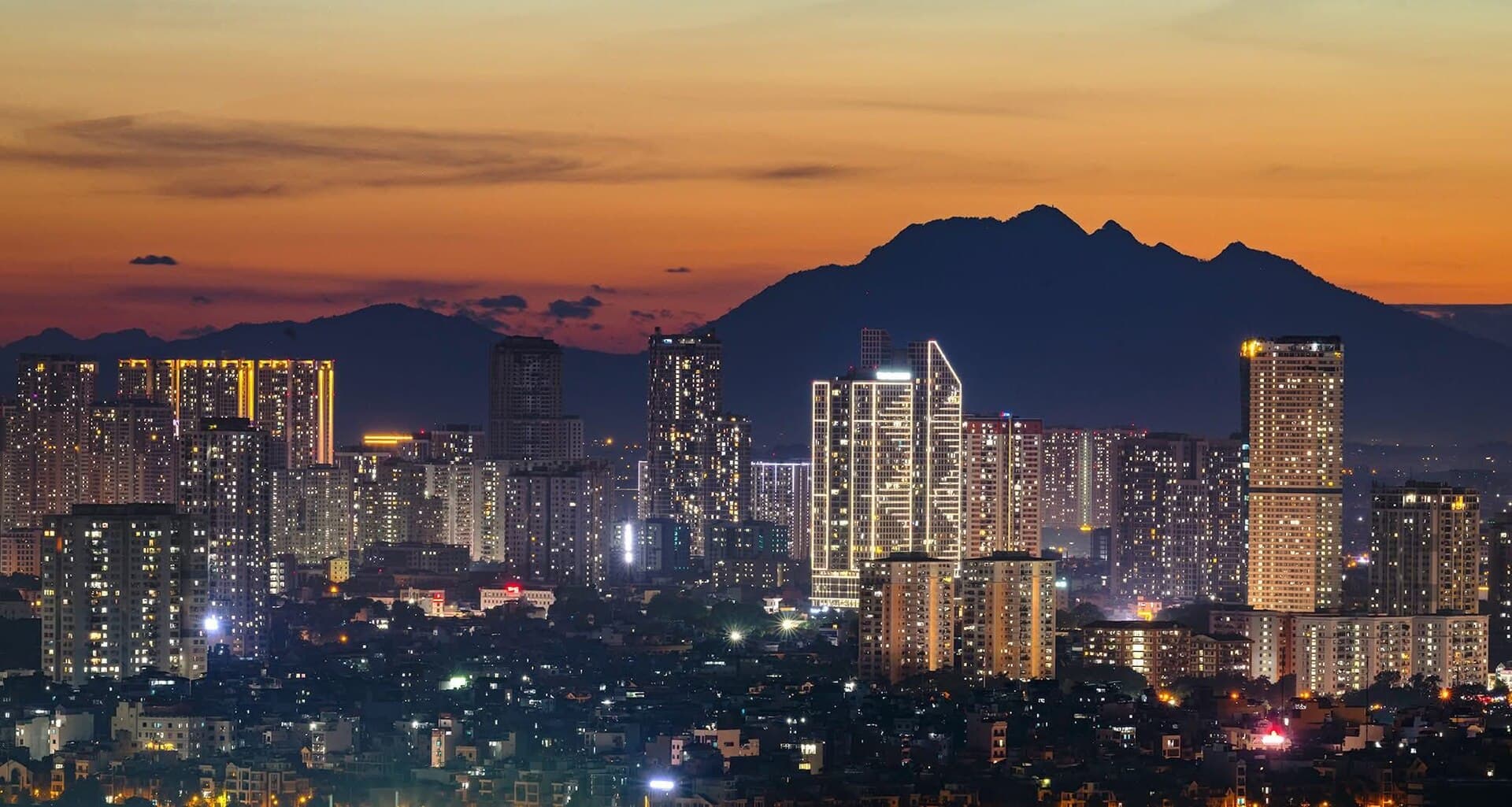
Muitas casas em Hanói, especialmente no Bairro Antigo, são notavelmente estreitas, mas altas.
História completa desbloqueada no tour
 Quangnlnhe182394 / CC0, via Wikimedia Commons
Tour de áudio autoguiado por Hanói — rota GPS a pé, reprodução offline, narração envolvente em 32 idiomas.
“Mil anos de história ecoam através da sinfonia de motocicletas.”
Não os postais. As histórias que nem os locais conhecem — sussurradas ao seu ouvido, exatamente onde aconteceram.
Muitas casas em Hanói, especialmente no Bairro Antigo, são notavelmente estreitas, mas altas.
A histórica Ponte Long Bien de Hanói compartilha uma conexão inesperada com dois dos marcos mais icônicos do mundo.
O sereno Lago Hoan Kiem, uma característica central de Hanói, leva o nome de um evento lendário envolvendo uma arma mágica.
Descubra cada segredo de Hanói
Cada endereço, cada revelação na íntegra — no seu ouvido, exatamente onde aconteceu.
Você escolhe as suas paragens. Você caminha. A voz revela o que os outros perdem.


A Lume inclui um guia de realidade aumentada. Levante o telemóvel: a câmara mostra a rua à sua frente, com uma seta luminosa sobreposta à imagem real que aponta sempre para a sua próxima paragem — sem mapa para decifrar, sem voltas erradas. Como tudo na Lume, funciona totalmente offline.
Hanói, a capital do Vietnã, é uma cidade onde tradições antigas e um passado tumultuado se fundem com uma energia voltada para o futuro. Situada no Delta do Rio Vermelho, o nome da cidade, que significa "Cidade entre Rios", sugere sua profunda conexão com as vias navegáveis. Com uma história que abrange mais de um milênio, Hanói tem sido um centro político e cultural fundamental, testemunhando dinastias, domínio colonial e guerras pela independência.
As motocicletas são um pulso inegável de Hanói; estima-se que cinco milhões delas naveguem pelas ruas da cidade, com mais de 70% da população usando-as para transporte. Em meio a esse fluxo energético, Hanói oferece um charme cativante, uma mistura de grandiosidade colonial francesa, templos antigos e mercados vibrantes. A cidade convida à exploração, desde os becos estreitos do Bairro Antigo até as margens tranquilas de seus muitos lagos, oferecendo uma rica variedade de visões, sons e sabores.
As origens de Hanói remontam à pré-história, com a área ao redor da cidade atual frequentemente escolhida como centro político por conquistadores chineses. Em 1010, o Imperador Ly Thai To, da dinastia Ly, mudou a capital para a cidadela de Dai La, renomeando-a Thang Long, que significa "Dragão Ascendente", marcando a fundação oficial da cidade. Este período viu o estabelecimento do Templo da Literatura em 1070, a primeira universidade do Vietnã e um centro de educação confucionista, solidificando o status de Hanói como capital intelectual.
A cidade repeliu com sucesso três invasões mongóis no século XIII, sublinhando sua importância estratégica. Ao longo dos séculos, passou por várias mudanças de nome, incluindo Dong Do ("Capital do Leste") em 1397 e Dong Kinh (de onde o nome europeu "Tonkin" foi derivado) em 1428, após uma vitória sobre a dinastia chinesa Ming. Foi somente em 1831, sob o Imperador Minh Mang da dinastia Nguyen, que a cidade recebeu seu nome moderno, Hanói, que significa "Cidade entre Rios".
O final do século XIX e o início do século XX trouxeram transformações significativas sob o domínio colonial francês. A partir de 1888, Hanói tornou-se o centro administrativo da Indochina Francesa, levando a uma reestruturação urbana massiva. Amplas avenidas, a Ópera de Hanói e a Ponte Long Bien surgiram, criando uma mistura arquitetônica distinta de planejamento europeu e estilo asiático. Após a ocupação japonesa durante a Segunda Guerra Mundial, Ho Chi Minh declarou a independência do Vietnã em 1945, estabelecendo Hanói como a capital da República Democrática do Vietnã. A cidade sofreu bombardeios extensivos durante a Guerra do Vietnã, mas após a reunificação do país em 1976, Hanói foi proclamada a capital da República Socialista do Vietnã.
Explorar Hanói geralmente começa no Bairro Antigo, um quarteirão histórico de 36 ruas, cada uma tradicionalmente associada a ofícios específicos desde o século XV. Continua sendo uma área movimentada para artesanato e iguarias locais. Adjacente a este está o Lago Hoan Kiem, um ponto de encontro popular com o pitoresco Templo Ngoc Son, acessível por uma impressionante ponte escarlate. As manhãs cedo são ideais para visitar para evitar multidões e observar os locais praticando Tai Chi.
Para um mergulho mais profundo na história revolucionária do Vietnã, o Complexo do Mausoléu de Ho Chi Minh é um local significativo onde o corpo embalsamado de Ho Chi Minh é preservado. Nas proximidades, o Templo da Literatura é a primeira universidade do Vietnã, um oásis tranquilo dedicado a Confúcio. A influência colonial francesa é evidente em estruturas como a Catedral de São José, um edifício neogótico que lembra Notre Dame, e a grandiosa Ópera de Hanói.
Experimente um tradicional show de marionetes aquáticas no Thang Long Water Puppet Theatre, uma antiga forma de arte vietnamita. Para uma experiência única, visite a Rua do Trem, onde linhas de trem passam por áreas residenciais, criando um espetáculo cativante à medida que os trens passam a poucos centímetros de casas e cafés.
A época mais favorável para visitar Hanói é durante o outono, de setembro a novembro, quando as temperaturas são mais amenas (22°C a 28°C), a umidade é menor e os céus estão limpos, tornando-o ideal para atividades ao ar livre e passeios turísticos. A primavera, especialmente março e abril, também é uma opção agradável com temperaturas amenas (20°C a 26°C) e flores desabrochando, embora chuvas ocasionais possam ocorrer. O inverno (dezembro a fevereiro) oferece temperaturas mais frias, às vezes caindo para 10-15°C, exigindo roupas mais quentes. Os verões (maio a agosto) são quentes e úmidos, com chuvas fortes frequentes.
Navegar pelas ruas movimentadas de Hanói é uma experiência em si. Embora as motocicletas dominem, aplicativos de transporte como Grab, Gojek e Be são convenientes para se locomover. Para distâncias mais curtas em áreas compactas como o Bairro Antigo, caminhar é viável, e os ciclorriquixás (bicicletas com carrinho) oferecem uma forma única, embora turística, de explorar. Sempre negocie o preço antes de embarcar em um passeio de ciclorriquixá.
A água da torneira de Hanói não é segura para beber, portanto, confie em água engarrafada. Carregar dinheiro é aconselhável, pois muitas lojas pequenas, vendedores de comida de rua e mercados locais podem não aceitar cartões. O Bairro Antigo e o distrito de Hoan Kiem são áreas populares para visitantes de primeira viagem, oferecendo fácil acesso a atrações, comida e vida noturna. Embora geralmente seguro, tome cuidado em áreas lotadas para evitar batedores de carteira e esteja atento ao atravessar ruas movimentadas, fazendo-o de forma lenta e constante.
Hanói — coreano, chinês, hebraico e mais 29 idiomas, cada parada narrada por uma voz nativa. A maior variedade de idiomas entre os passeios de áudio autoguiados.
Disponível em: