Barrio de la Estación
Этот район рядом с железнодорожными путями хранит замечательную концентрацию истории виноделия.
Полная история открывается в туре
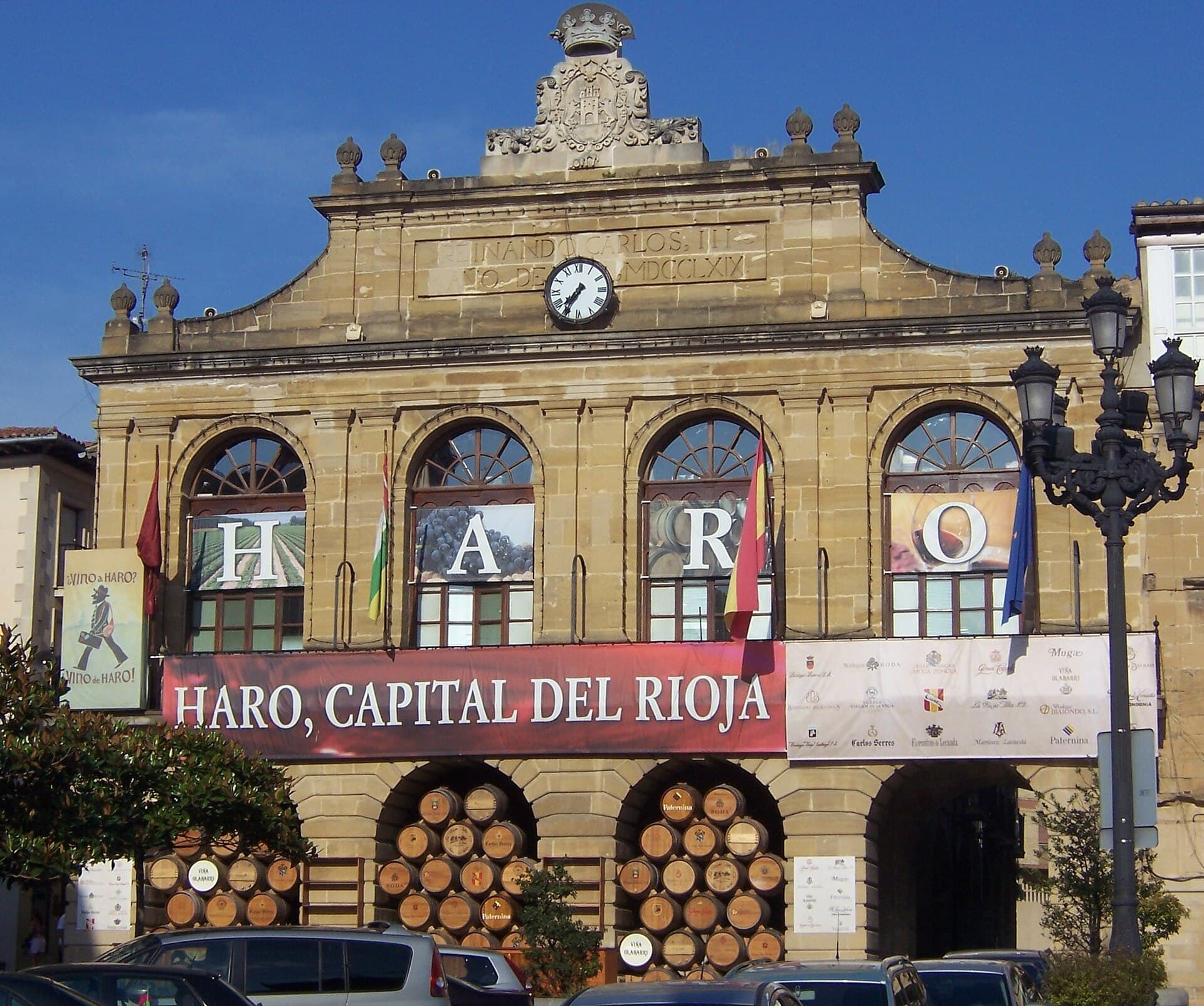 BigSus / CC BY 2.5, via Wikimedia Commons
Самостоятельная аудиопрогулка по Аро — GPS-маршрут, офлайн-воспроизведение, увлекательное повествование на 32 языках.
“Где дух Риохи свободно течет, и история наливается в каждый бокал.”
Не открытки. Истории, которые не знают даже местные жители — шепотом в вашем ухе, прямо там, где они произошли.
Этот район рядом с железнодорожными путями хранит замечательную концентрацию истории виноделия.
Когда-то Аро был маяком современности, задолго до многих крупных европейских городов.
Каждый июнь тысячи людей собираются на склоне холма для необычного паломничества, которое заканчивается фиолетовым зрелищем.
Откройте для себя каждый секрет Аро
Каждый адрес, каждое полное раскрытие — в вашем ухе, прямо там, где это произошло.
Вы выбираете остановки. Вы гуляете. Голос раскрывает то, что упускают другие.


Ваш самостоятельный аудиотур по Аро готов — выберите свои достопримечательности, выберите свой язык и начните в момент прибытия.
КупитьВ Lume встроен гид дополненной реальности. Поднимите телефон: камера показывает улицу перед вами, а поверх реального изображения светится стрелка, всегда указывающая на вашу следующую остановку — не нужно разбираться с картой и сворачивать не туда. Как и всё в Lume, это работает полностью офлайн.
Аро, самопровозглашенная столица винодельческого региона Риоха, — небольшой, но оживленный город на севере Испании, входящий в состав автономного сообщества Ла-Риоха. С населением около 12 000 жителей он предлагает сочетание местного очарования и гостеприимной атмосферы для посетителей. Город расположен на возвышенном плато в месте слияния рек Эбро и Тирон, окруженный виноградниками, простирающимися до самого горизонта. Его стратегическое расположение в субрегионе Риоха Альта, граничащем с Риоха Алавеса, ставит его в самое сердце самого известного винодельческого региона Испании.
Аро фактически разделен на две отчетливые зоны: исторический центр города и винодельческий район вокруг железнодорожной станции, известный как Баррио-де-ла-Эстасьон. В то время как исторический центр очаровывает своей многовековой архитектурой и оживленными площадями, Баррио-де-ла-Эстасьон является местом паломничества для любителей вина, с замечательной концентрацией исторических виноделен (бодег). Помимо своей винной известности, Аро гордится своей культурой и искусством, что проявляется в бронзовых статуях и настенных росписях, изображающих процесс виноделия и местную жизнь, которые украшают его улицы.
Истоки Аро уходят в римские времена, когда на утесах Бибильо находился форт под названием Castrum Bibilium. Хотя существуют различные теории относительно основания города, одна из них предполагает, что его название произошло от слова 'Faro' (исп. маяк), ссылаясь на древний маяк недалеко от Серро-де-ла-Мота, который указывал путь морякам по реке Тирон. Первое документальное упоминание Аро датируется 1040 годом, в документе короля Гарсии Санчеса III Наваррского.
На протяжении Средневековья Аро был предметом споров между королевствами Кастилии и Наварры, несколько раз переходя из рук в руки. Могущественный Дом Аро, видная кастильская семья, сыграл значительную роль в истории города, причем Диего Лопес I де Аро официально принял название города в 1117 году после того, как получил деревню от Альфонсо VI. Старый квартал со своим средневековым ядром был объявлен историко-художественным памятником в 1975 году, что свидетельствует о его архитектурном и культурном наследии.
Судьба Аро на протяжении веков была неразрывно связана с производством вина. К 1669 году в городе уже было 116 связанных с ним виноделен. Однако поворотный момент наступил в конце XIX века. Эпидемия филлоксеры, опустошившая французские виноградники, побудила французских виноделов инвестировать в Аро. Открытие железной дороги Тудела-Бильбао с остановкой в Аро в 1863 году еще больше укрепило его позиции как винного центра, облегчив массовую перевозку вина. В эту эпоху были основаны многие из известных виноделен, которые до сих пор работают в Баррио-де-ла-Эстасьон, часто называемом 'Золотой милей Риохи'.
Этот экономический бум принес с собой технологические достижения; в 1890 году Аро стал одним из первых испанских городов, где было электрическое уличное освещение, свидетельство его процветания. Приверженность города виноградарству также очевидна в наличии Опытно-исследовательской станции энологии и музея вина.
Начните свое исследование с Пласа-де-ла-Пас, главной площади Аро, где находится неоклассическая ратуша XVIII века. Отсюда прогуляйтесь по историческому центру, лабиринту извилистых улиц и традиционных зданий. Откройте для себя Приходскую церковь Санто-Томас, национальный памятник с впечатляющим входом в стиле платереско работы Фелипе Вигарни и готическим интерьером.
В нескольких минутах ходьбы от главной площади находится Баррио-де-ла-Эстасьон, обязательное место для посещения любителями вина. Этот район недалеко от железнодорожной станции является домом для замечательной концентрации исторических виноделен, включая CVNE, R. López de Heredia Viña Tondonia, Gómez Cruzado, La Rioja Alta и Bodegas Muga. Многие из них предлагают экскурсии и дегустации, часто требующие предварительного бронирования.
Чтобы насладиться панорамными видами окрестных виноградников и реки Эбро, отправляйтесь на Мирадор Аро или на неформальную смотровую площадку за церковью Санто-Томас. Рассмотрите поездку в Эрмитаж Сан-Фелис-де-Бибильо, расположенный примерно в 6 километрах от Аро, место исторического и культурного значения, особенно известное как место проведения ежегодной Винной битвы.
Помимо вина, Аро предлагает культурные мероприятия, такие как Театр Бретон, здание XIX века, где проходят культурные мероприятия. В городе также есть бронзовые статуи и настенные росписи, изображающие процесс виноделия и местные истории, превращая Аро в музей под открытым небом.
Идеальное время для посещения Аро для мероприятий на свежем воздухе и изучения виноградников — с середины июня до середины сентября. В эти месяцы средняя дневная температура комфортна и составляет от 19°C до 27°C, причем июль является самым солнечным месяцем. Сезон сбора урожая, с сентября по октябрь, особенно оживлен, многие винодельни проводят специальные мероприятия. Если вы ищете уникальный культурный опыт, спланируйте свой визит на конец июня, чтобы стать свидетелем знаменитой Batalla del Vino (Винной битвы) 29 июня.
До Аро легко добраться из крупных городов, таких как Бильбао (примерно 1 час 10 минут езды) или Логроньо (около 40 минут). Рекомендуется арендовать автомобиль для изучения окрестностей и виноградников, хотя доступны варианты общественного транспорта. Железнодорожная станция Аро удобно расположена в Баррио-де-ла-Эстасьон, примерно в 15 минутах ходьбы от центра города.
Варианты размещения в Аро варьируются от бюджетных хостелов до более дорогих отелей, включая Hotel Los Agustinos, расположенный в отреставрированном монастыре XIV века. Что касается питания, район, известный как Ла-Эррадура, охватывающий улицы, такие как Калье-де-Санто-Томас и Пласа-де-ла-Иглесия, известен своими тапас-барами и местной кухней. Многие винодельни предлагают экскурсии и дегустации, но рекомендуется бронировать их заранее.
Аро: корейский, китайский, иврит и ещё 29 языков — каждую остановку озвучивает носитель языка. Самый широкий выбор языков среди аудиоэкскурсий без гида.
Доступные языки: